 Veda Tour

Introduction to Ayurvedic Fertility in 2026
Ayurveda, the ancient Indian system of medicine rooted in Vedic traditions, provides comprehensive approaches to enhancing fertility by restoring balance among the three doshas: Vata, Pitta, and Kapha. In 2026, individuals seeking holistic, non-invasive solutions increasingly turn to these practices in India for sustainable reproductive health. This beginner-friendly guide delves deeply into dosha-specific protocols, incorporating time-honored herbs, dietary adjustments, yoga practices, and self-care routines drawn from authentic Ayurvedic texts and contemporary Indian practitioners. By addressing root causes rather than symptoms alone, these methods promote overall vitality while aligning with modern medical care when needed.
Understanding Doshas and Fertility Challenges
Each dosha influences reproductive health differently, creating distinct challenges that require tailored interventions. Vata-dominant individuals often experience irregular menstrual cycles, anxiety, and low cervical fluid due to dryness and erratic energy. Pitta types may struggle with inflammation, excess heat affecting ovulation, or hormonal imbalances leading to conditions like endometriosis. Kapha constitutions frequently face issues such as sluggish metabolism, excess mucus blocking fallopian tubes, or weight-related fertility barriers. Comparing these profiles reveals why one-size-fits-all approaches fail. For instance, a Vata woman might benefit from warming oils and routines, while a Pitta counterpart requires cooling herbs to reduce internal heat. Real-world observations from Indian clinics show that identifying your primary dosha through pulse diagnosis or questionnaires leads to faster results, often within one to three cycles of consistent application.
Key Fertility-Supporting Herbs
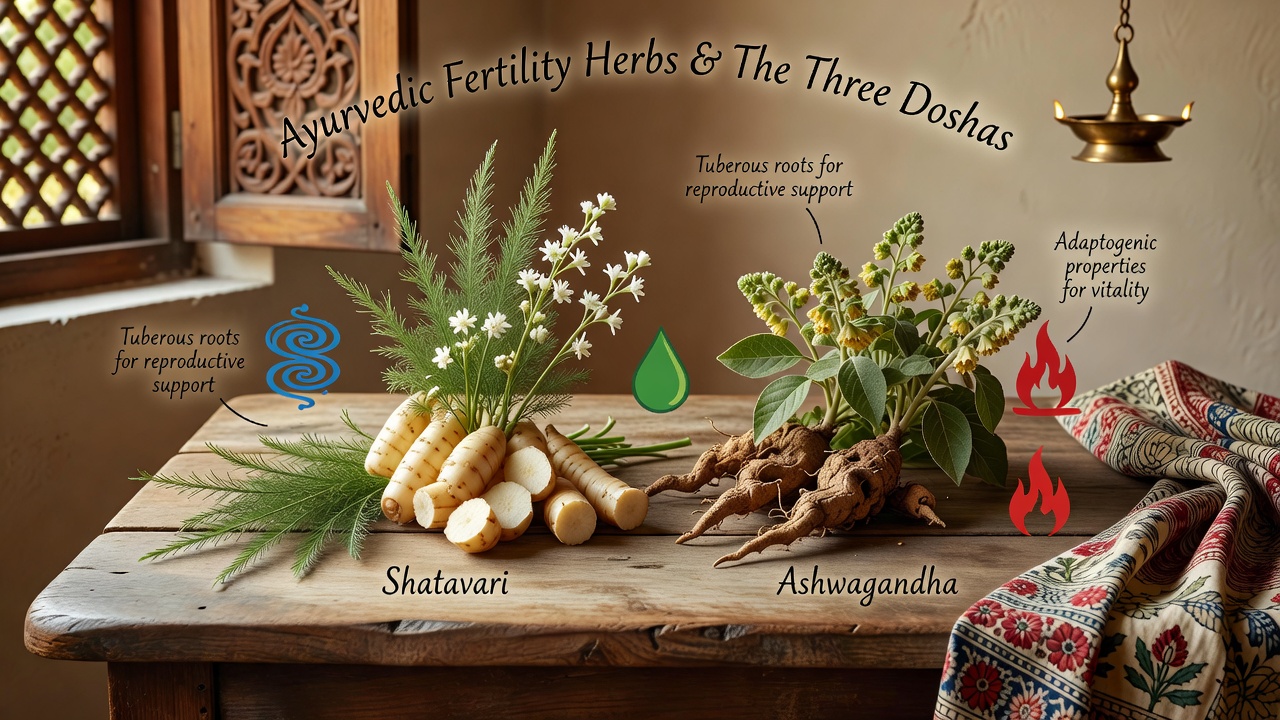
Central to Vedic healing are herbs like Shatavari and Ashwagandha, which nourish reproductive tissues and calm the nervous system. Shatavari, known as the queen of herbs for women, supports estrogen balance and uterine health when taken as a powder in warm milk. Ashwagandha enhances vitality, reduces cortisol, and improves sperm quality in men. Additional supportive herbs include Gokshura for kidney function and Kapikacchu for hormonal regulation. Implementation examples include starting with 1-2 grams daily under guidance, combining them in decoctions, or using formulations from trusted Indian pharmacies. These natural protocols emphasize gradual integration to avoid digestive upset, aligning with Ayurveda's principle of individualized care.
Personalized Diet Plans by Dosha
Diet forms the foundation of fertility enhancement, with plans customized to pacify specific doshas. Vata types thrive on warm, oily foods such as cooked basmati rice with ghee, sweet potatoes, and almond milk smoothies to counteract dryness. Sample daily plan: breakfast of spiced oatmeal, lunch of lentil soup with root vegetables, and dinner of steamed greens in sesame oil. Pitta individuals should favor cooling options like cucumber salads, coconut water, and mint-infused dishes to lower internal fire. An example menu features quinoa with fresh herbs, avoiding spicy or fermented items. Kapha diets focus on light, pungent meals including ginger tea, barley soups, and bitter greens to stimulate digestion. Practical tips include eating according to seasonal availability in India, incorporating local spices like turmeric and cumin, and maintaining regular meal times. Case examples demonstrate couples improving ovulation tracking after three months of dosha-aligned eating.
Targeted Yoga Asanas and Pranayama
Yoga and breathwork directly support reproductive organs by improving circulation and reducing stress. Recommended asanas include Supta Baddha Konasana for pelvic opening, Viparita Karani for hormonal balance, and Setu Bandhasana to strengthen the lower back. Pranayama techniques like Bhramari for calming the mind and Nadi Shodhana for energy channel purification prove especially effective. Beginners can start with 15-minute sessions five days weekly, progressing to full sequences that integrate movement with breath. These practices, drawn from classical Vedic texts, help synchronize the body with natural rhythms for enhanced fertility outcomes.
Daily Abhyanga Routines
Abhyanga, the daily self-massage with warm oil, detoxifies tissues and supports endocrine function. Use sesame oil for Vata, coconut for Pitta, or mustard for Kapha. Step-by-step process: warm the oil slightly, apply from head to toe in long strokes on limbs and circular motions on joints, focus extra attention on the abdomen and lower back, then rest for 10 minutes before bathing. Perform this in the morning for energizing effects or evening for relaxation. Variations include incorporating essential oils like sandalwood for deeper calm. Regular practice strengthens immunity and prepares the body for conception by balancing doshas over time.
Step-by-Step Implementation and Case Studies
Begin with a professional dosha assessment, then introduce one element weekly: herbs first, followed by diet tweaks, yoga, and Abhyanga. Track progress through symptom journals noting cycle regularity and energy levels. Case study one features a Vata-Pitta couple in Kerala who combined Shatavari with yoga and achieved pregnancy after four months. Another highlights a Kapha individual in Rajasthan who used dietary shifts and Abhyanga to resolve irregular cycles within six weeks. These examples underscore patience and consistency as keys to Vedic success.
Common Mistakes to Avoid
Many beginners overlook dosha specificity, leading to mismatched herbs or overexertion in yoga. Avoid extreme fasting or unguided high doses of supplements. Instead, consult certified Ayurvedic doctors in India for personalized adjustments, ensuring safety alongside any conventional treatments.
FAQ on Timelines, Safety, and Integration
- How long until results appear? Most experience improvements in 3-6 months with dedicated practice, though individual timelines vary based on dosha imbalance severity.
- Are these practices safe during pregnancy? Many elements continue safely but require professional supervision to modify routines appropriately.
- Can Ayurveda integrate with modern fertility treatments like IVF? Yes, supportive protocols often enhance outcomes when coordinated with medical teams.
- What if I have underlying health conditions? Always disclose full history to practitioners for tailored, cautious application.
Conclusion
These Vedic healing practices offer profound, India-authentic pathways to fertility that emphasize balance, nourishment, and mindfulness for lasting wellness. For broader context on integrative health, explore resources from World Health Organization, National Center for Biotechnology Information, and National Center for Complementary and Integrative Health. Start your journey today with small, consistent steps rooted in ancient wisdom.


No comments yet. Be the first!