 Veda Tour
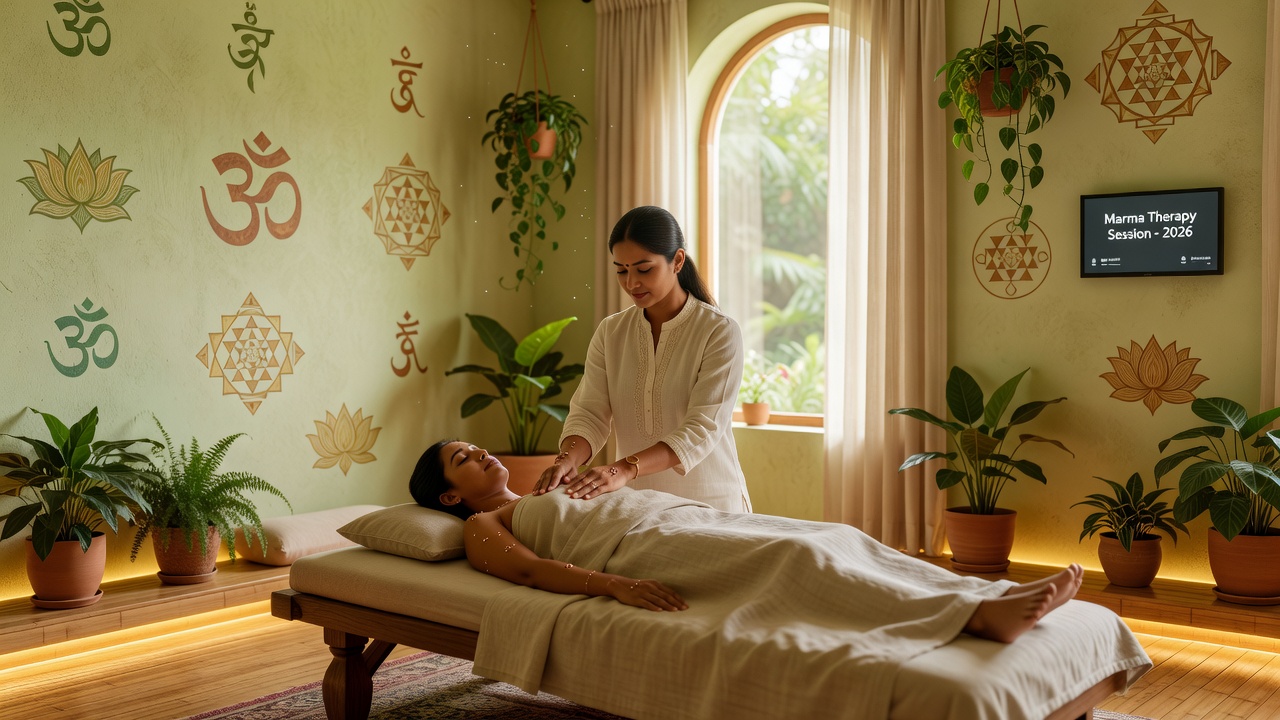
Introduction to Ayurvedic Marma Therapy
Marma therapy stands as one of the most sophisticated branches of Ayurveda, deeply rooted in the Vedic healing traditions that have flourished across India for thousands of years. This advanced treatment modality focuses on 107 precise energy points known as Marmas, which serve as vital intersections of physical structures and subtle life force. By stimulating these points, practitioners aim to harmonize the body's doshas, clear energetic blockages, and promote overall vitality in ways that extend far beyond everyday herbal remedies or dietary adjustments. In 2026, interest in Marma therapy continues to grow among wellness enthusiasts seeking authentic Ayurvedic experiences in India, from ancient ashrams in the Himalayas to contemporary wellness centers in Kerala and Rajasthan. This comprehensive guide delves into the foundational principles, practical applications, and real-life implementations of Marma therapy to help readers achieve holistic balance.
Unlike more commonly known Ayurvedic practices such as Panchakarma or herbal oil massages, Marma therapy operates at the interface of physical anatomy and pranic energy. It draws directly from classical texts like the Sushruta Samhita, where these points were meticulously mapped for therapeutic use. Whether addressing chronic fatigue, emotional imbalances, or preventive health maintenance, Marma therapy offers targeted interventions that support the body's innate healing intelligence.
Understanding the 107 Marma Points
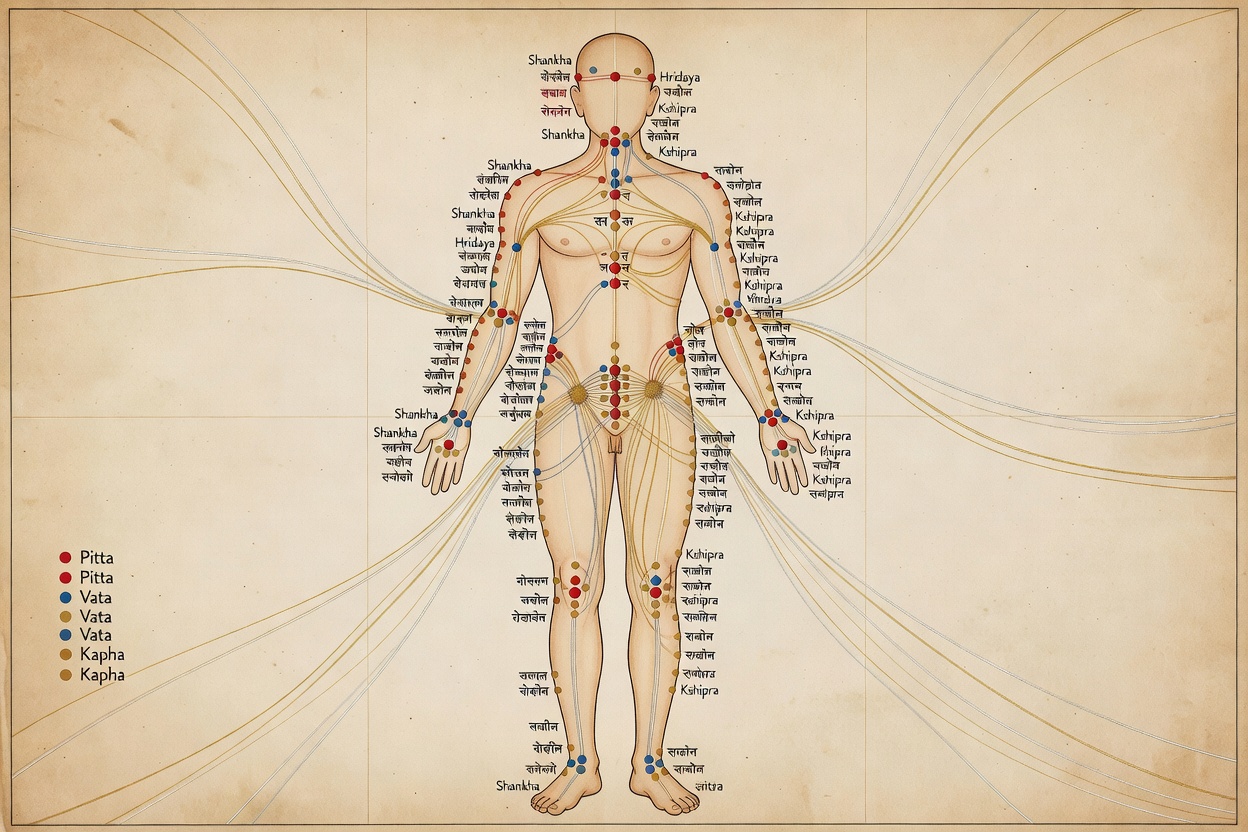
The 107 Marma points are classified into categories based on their anatomical location and functional significance. These include points on the extremities such as the hands and feet, trunk points around the chest and abdomen, and cranial points on the head and neck. Each point represents a convergence of tissues including muscles, ligaments, bones, joints, and blood vessels, making them highly sensitive zones for energy manipulation. For instance, the Talahridaya point on the palm connects to heart health, while the Kshipra point between the fingers influences respiratory function. Practitioners emphasize that improper stimulation can disrupt energy flow, underscoring the need for precise knowledge and technique.
These points are further divided by size, with some as small as a sesame seed and others spanning several inches. Understanding their distribution helps in creating personalized protocols that address specific health concerns while maintaining overall equilibrium.
Linking Marma Points to Doshas for Personalized Healing
The connection between Marma points and the three doshas—Vata, Pitta, and Kapha—forms the cornerstone of effective therapy. Vata-related points, often located in the lower body and joints, benefit from warming and grounding techniques to stabilize erratic energy. Pitta points, concentrated in the midsection and head, respond well to cooling methods that reduce heat and inflammation. Kapha points in the upper body and chest require invigorating stimulation to enhance circulation and metabolism.
Real-world examples illustrate these applications vividly. In Kerala clinics, patients with Vata-dominant arthritis receive targeted sessions on ankle and knee Marmas using sesame oil during cooler months, reporting reduced stiffness within weeks. Corporate professionals in urban Mumbai apply Pitta-calming forehead points to manage work-related stress and acidity. Seasonal athletes in the Himalayan regions use Kapha-focused shoulder Marmas to improve endurance and clear congestion. These cases highlight how Marma therapy tailors interventions to individual constitutions, yielding sustainable results compared to generic treatments.
Step-by-Step Self-Massage Instructions
Self-administered Marma massage provides an accessible entry point for daily practice, though initial guidance from a qualified expert is recommended. Begin by determining your dominant dosha through observation or professional assessment. Select appropriate oils—sesame for Vata, coconut for Pitta, and mustard for Kapha—and warm them gently. Follow this expanded sequence for a complete 15-20 minute session:
- Commence at the feet with the Kshipra point between the big toe and second toe, applying gentle circular pressure for 45 seconds per foot to promote grounding.
- Progress to the Talahridaya point at the center of the sole, pressing firmly for one minute while visualizing energy release.
- Move upward to calf points like the Indravasti, massaging with upward strokes for two minutes to support circulation.
- Address abdominal points such as the Nabhi by performing clockwise circles for digestive harmony, spending 90 seconds here.
- Conclude with upper body points including the shoulder Marmas and the Sthapani on the forehead, using light fingertip touches for mental clarity.
Incorporate breath awareness by inhaling deeply during pressure application and exhaling on release. Adjust intensity based on sensitivity, and repeat the routine consistently for cumulative benefits. Variations exist for acute issues, such as shorter sessions focused solely on affected areas.
Real-World Examples and Comparisons to Similar Practices
Documented experiences from Indian wellness destinations underscore Marma therapy's efficacy. Guests at retreats near Rishikesh have shared accounts of enhanced sleep quality after focusing on heart-region points for two weeks. In Goa, yoga practitioners integrate Marma post-asana to amplify flexibility and reduce post-exercise soreness. Comparisons reveal distinctions from related modalities: unlike acupuncture's meridian-based needle insertion, Marma relies on manual pressure and oil application aligned with doshic principles. Reflexology targets foot zones exclusively, whereas Marma encompasses the full body. Traditional Chinese Medicine shares energetic concepts but lacks Ayurveda's emphasis on seasonal oil selection and constitutional typing. Many users combine Marma with yoga or meditation for synergistic effects, creating comprehensive wellness routines.
Safety Tips and Seasonal Recommendations
Prioritize safety by consulting certified Ayurvedic professionals before beginning, particularly if managing conditions like hypertension or pregnancy. Avoid deep pressure on vital areas such as the heart or throat, and cease immediately upon experiencing pain. Start with shorter sessions to gauge tolerance, and source high-quality, organic oils to prevent irritation. Finding reputable practitioners involves verifying credentials through recognized bodies and reading reviews from previous clients.
Seasonal adaptations optimize outcomes. In winter, emphasize warming oils and longer sessions on Vata points to counteract dryness. Summer calls for cooling coconut-based applications on Pitta Marmas to prevent overheating. Spring routines focus on Kapha stimulation with brisk techniques to clear accumulated mucus. During monsoons, favor gentle indoor practices with lighter oils to maintain balance amid humidity. These recommendations align with Ayurvedic seasonal regimens for year-round vitality.
Integrating Marma Therapy into Daily Life
Beyond isolated sessions, Marma principles can infuse everyday activities. Incorporate brief point stimulation during morning routines, such as pressing wrist points while commuting. Combine with dietary choices that support dosha balance, like incorporating warming spices in winter. Track progress through a journal noting energy levels, sleep patterns, and emotional states before and after practice. Over time, this integration fosters proactive health management rather than reactive treatment.
Frequently Asked Questions
- How soon do results appear? Subtle shifts in energy and relaxation often emerge within the first week, while sustained improvements in vitality and dosha balance typically manifest after four to six weeks of regular practice.
- Can beginners practice alone? Yes, self-massage is suitable for beginners following reliable instructions, but an initial consultation with an expert ensures correct point identification and technique.
- Is it suitable for all ages? Adapted, gentler versions benefit children, adults, and seniors alike when supervised appropriately.
- How does Marma differ from acupressure? Marma incorporates dosha-specific oils and full-body mapping rooted in Vedic anatomy, offering a broader holistic framework than acupressure's focus on trigger points.
- Are there any dietary supports? Pairing sessions with dosha-pacifying meals, such as warm soups for Vata, enhances therapeutic outcomes significantly.
Conclusion
Marma therapy delivers profound access to Vedic healing wisdom through India's enduring Ayurvedic traditions. Mastering the 107 points, aligning them with doshic needs, and applying safe self-techniques empowers individuals to cultivate lasting vitality. By incorporating seasonal wisdom, practical examples, and mindful integration, this practice becomes a transformative tool for holistic wellness in 2026. Approach it with respect and consistency to unlock its full potential. For authoritative resources, explore India's Ministry of AYUSH and World Health Organization guidance on traditional medicine systems.
No comments yet. Be the first!