 Veda Tour

Introduction to Ayurvedic Kidney Health
Kidney wellness is a growing concern worldwide, and many people in 2026 seek natural alternatives alongside conventional medicine. Ayurveda, rooted in ancient Vedic traditions, offers a holistic framework that balances the body through personalized care. This guide explores how Vedic healing practices from India support kidney function by addressing root causes rather than symptoms alone. The kidneys play a central role in filtering waste, regulating fluids, and maintaining overall vitality according to Ayurvedic principles. By focusing on prevention and balance, this approach helps individuals maintain long-term health without relying solely on pharmaceuticals.
Ayurveda views the kidneys as vital for filtering waste and maintaining fluid balance. Imbalances in the doshas—Vata, Pitta, and Kapha—often contribute to kidney issues. Understanding these can help beginners adopt supportive habits that integrate seamlessly into daily life. For instance, modern lifestyles filled with stress and processed foods can aggravate these imbalances, making Vedic healing particularly relevant today.
Dosha Imbalances Linked to Kidney Problems
Vata imbalance may lead to dryness and reduced kidney filtration, often manifesting as irregular urination patterns or lower back discomfort. Pitta excess can cause inflammation, leading to burning sensations during urination or heightened sensitivity to heat. Kapha accumulation might result in sluggishness or fluid retention, contributing to swelling in the legs or ankles. Vedic texts emphasize observing personal constitution to tailor remedies effectively.
For example, a person with dominant Vata might experience fatigue and irregular urination, prompting warming herbs and oils. Someone with Pitta dominance could benefit from cooling foods and stress management techniques. This approach differs from conventional treatments that often focus on medication without addressing lifestyle factors. Real-world examples include individuals who combined dosha-specific diets with routine check-ups to stabilize kidney markers over several months. By recognizing early signs like changes in energy or urine color, people can intervene early using Ayurvedic insights.
Key Herbs for Kidney Support: Punarnava and Gokshura
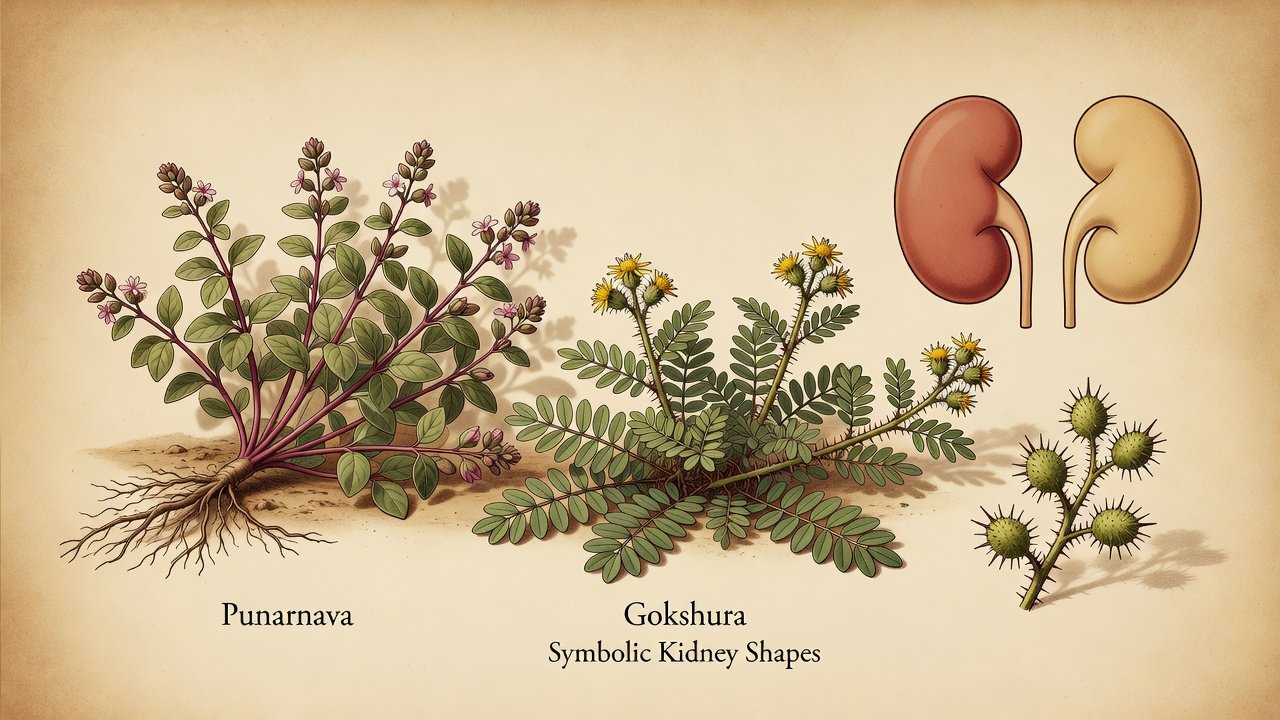
Punarnava, known for its rejuvenating properties, helps reduce swelling and supports urinary health through its natural diuretic effects. Gokshura promotes healthy urine flow and strengthens the urinary tract while providing antioxidant support. These herbs are staples in Vedic healing for kidney wellness and have been used for centuries in Indian traditions.
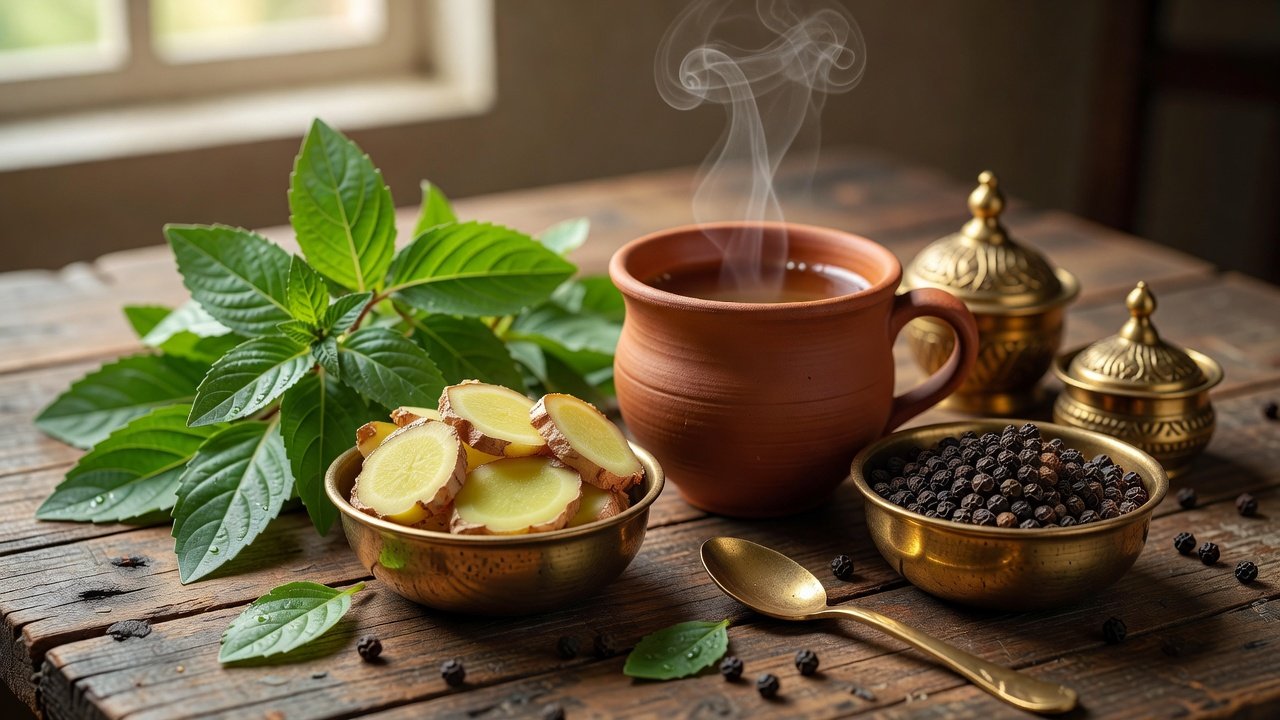
Preparation examples include brewing Punarnava tea by steeping the root in hot water for 10 minutes or mixing Gokshura powder into warm milk. Beginners should start with small doses under guidance. Always consult a qualified practitioner before use, especially when combining with other therapies. Learn more about Ayurvedic approaches from NCCIH. Additional support comes from combining these with lifestyle adjustments for better absorption and results.
Supportive Diet and Hydration Rituals
A kidney-friendly Ayurvedic diet emphasizes fresh, seasonal foods that align with individual doshas. Include barley, coriander, and coconut water while limiting salt and processed items that can strain filtration. Hydration rituals involve sipping warm water throughout the day to aid digestion and filtration, often starting with a glass upon waking to stimulate the system gently.
Further dietary recommendations include incorporating bitter greens like spinach in moderation and avoiding excessive dairy for Kapha types. Practical tips involve meal timing: eat the largest meal at midday when digestion is strongest. This supports kidney function by reducing overnight workload. Examples from practitioners show that consistent adherence leads to improved energy levels within weeks.
Sample Meal Plan
- Breakfast: Warm barley porridge with cumin and coriander for Vata balance.
- Lunch: Steamed vegetables, quinoa, and a light dal soup with added ginger.
- Dinner: Cucumber salad with lemon and ginger tea to promote cooling.
- Snacks: Fresh pomegranate or herbal infusions like fennel tea.
This plan supports dosha balance while providing essential nutrients and can be adjusted based on personal constitution.
Yoga and Lifestyle Practices for Kidney Vitality
Simple poses like Bhujangasana (Cobra Pose) improve circulation to the kidneys by gently stretching the lower back. Steps include lying prone, pressing palms down, and lifting the chest while breathing deeply for 20-30 seconds. Other practices such as gentle twists and forward bends aid detoxification. Daily routines include morning oil massage with sesame oil, adequate sleep of 7-8 hours, and stress reduction through meditation for 10 minutes.
Compared to conventional care, these practices offer preventive benefits by enhancing overall resilience but should complement, not replace, medical advice. Explore WHO insights on traditional medicine. Real-world applications show participants in Indian wellness programs reporting better sleep and reduced discomfort after consistent yoga integration.
Real-World Examples and Step-by-Step Daily Routines
Consider a 45-year-old professional who adopted a Vedic routine: starting the day with warm water and lemon, followed by 15 minutes of yoga, and incorporating Punarnava in the evening. Over three months, they noted stabilized energy and better hydration habits. Step-by-step daily routine: 1) Wake early and hydrate. 2) Perform oil massage and light yoga. 3) Eat balanced meals aligned with doshas. 4) End with herbal tea and reflection. These elements create sustainable change.
FAQs on Safety and Seeking Professional Help
- Is Ayurveda safe for kidney conditions? Yes, when guided by experts, but monitor with blood tests regularly.
- When to see a doctor? If symptoms like swelling, persistent fatigue, or blood in urine appear, seek immediate conventional care alongside Ayurvedic support.
- Can I combine with modern treatments? Many do successfully, but disclose all herbs to your physician to avoid interactions.
- How long until results? Individual responses vary, often requiring 4-8 weeks of consistent practice for noticeable shifts.
- Are there any restrictions? Pregnant individuals or those with acute issues should avoid self-treatment and consult specialists first.
Conclusion
Vedic healing in India provides accessible tools for kidney health in 2026. By integrating herbs, diet, yoga, and routines, individuals can pursue balanced wellness. Start small, stay consistent, and partner with professionals for optimal results. This comprehensive approach empowers readers to take proactive steps toward vitality while respecting both traditional wisdom and modern healthcare.

No comments yet. Be the first!