 Veda Tour
Introduction to Ayurvedic Postpartum Care
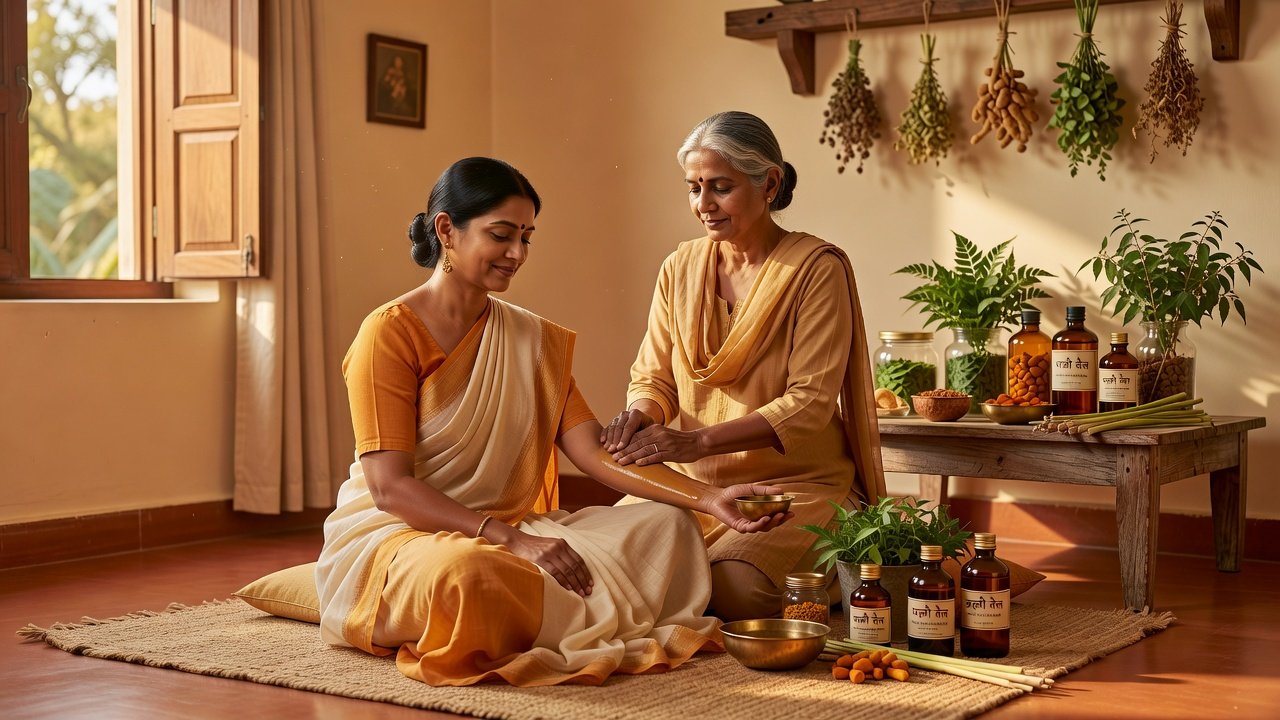
Ayurvedic postpartum care draws on ancient Vedic principles to support new mothers in India through holistic healing. This approach focuses on restoring dosha balance after childbirth, promoting physical recovery, emotional wellness, and lactation support. In 2026, these practices remain popular across India as women seek natural methods alongside modern medicine. The Sutika period, spanning the first 42 days after delivery, is viewed as a critical window where the body must be gently nurtured to prevent long-term imbalances in Vata, Pitta, or Kapha doshas. Traditional texts like the Charaka Samhita outline specific protocols that have been adapted for contemporary lifestyles while preserving core elements such as warmth, nourishment, and rest. Many urban and rural families in states like Kerala, Tamil Nadu, and Rajasthan continue these customs, often blending them with hospital recommendations for comprehensive care.
Modern mothers appreciate how these methods address not only physical healing but also mental resilience, helping combat postpartum fatigue and mood fluctuations through time-tested routines rather than solely relying on pharmaceuticals.
Key Herbs in Vedic Healing for New Mothers
Two cornerstone herbs stand out in Ayurvedic postpartum protocols. Ashwagandha helps reduce stress and rebuild energy reserves depleted during labor by supporting adrenal function and promoting restful sleep. Shatavari supports hormonal balance and enhances milk production for breastfeeding mothers through its phytoestrogenic properties. These are typically consumed as powders mixed in warm milk or ghee under guidance from practitioners. Additional supportive herbs often include turmeric for its anti-inflammatory effects and fenugreek seeds to further boost lactation when prepared as teas or laddoos.
Practical examples include starting with small doses after consulting an expert to avoid imbalances. Many women in regions like Kerala and Rajasthan incorporate these into daily teas for sustained benefits. For instance, a common recipe mixes one teaspoon of ashwagandha powder with warm milk and a pinch of cardamom taken before bedtime. Shatavari can be blended into smoothies or traditional sweets. Over the course of six weeks, consistent use helps restore vitality, with users reporting improved energy levels by the third week. It is essential to source herbs from certified suppliers to ensure purity and potency in line with current quality standards prevalent in India.
Dietary Recommendations Focused on Warming Foods
Ayurveda prioritizes easily digestible, warming foods to kindle digestive fire (agni) and prevent cold-related dosha aggravations. Recommended items include moong dal khichdi, sesame seeds, ginger, and cumin-spiced soups. Avoid cold salads or raw foods in the early weeks. Meals should emphasize cooked vegetables like carrots and beets, whole grains such as rice and oats, and proteins from lentils or paneer. Spices like ajwain, black pepper, and cinnamon aid digestion while providing internal warmth.
- Start the day with warm cumin water to aid digestion and reduce bloating.
- Incorporate ghee liberally in meals for lubrication and nourishment of tissues.
- Consume small, frequent meals rich in proteins and healthy fats every three hours.
- Prepare nourishing drinks like turmeric milk or ginger-infused herbal infusions in the afternoon.
This contrasts with some modern diets that may include refrigerated items immediately postpartum. A sample daily menu might feature khichdi for breakfast, lentil soup with steamed greens for lunch, and a light sesame-seed-based dessert in the evening. Families often prepare these in batches to ease the burden on the new mother. The emphasis on seasonal, locally sourced ingredients aligns with sustainability practices gaining traction in 2026 Indian households.
Daily Routines to Restore Dosha Balance
Establishing a consistent routine is central to Vedic healing. Gentle yoga or walking, adequate rest, and oil applications form the core. Abhyanga, or self-massage with warm sesame oil, is performed daily to improve circulation and calm the nervous system. Sleep schedules should align with natural circadian rhythms, aiming for early bedtimes and short naps when the baby rests. Light household activities are introduced gradually to avoid strain on the pelvic floor and abdominal muscles.
Breathing exercises such as alternate nostril pranayama can be practiced for five minutes twice daily to manage anxiety. These routines are tailored to the mother's prakriti or constitutional type, with Vata-dominant individuals focusing more on oil therapies and Pitta types emphasizing cooling yet warming spices in balance.
Practical Example of Oil Massages
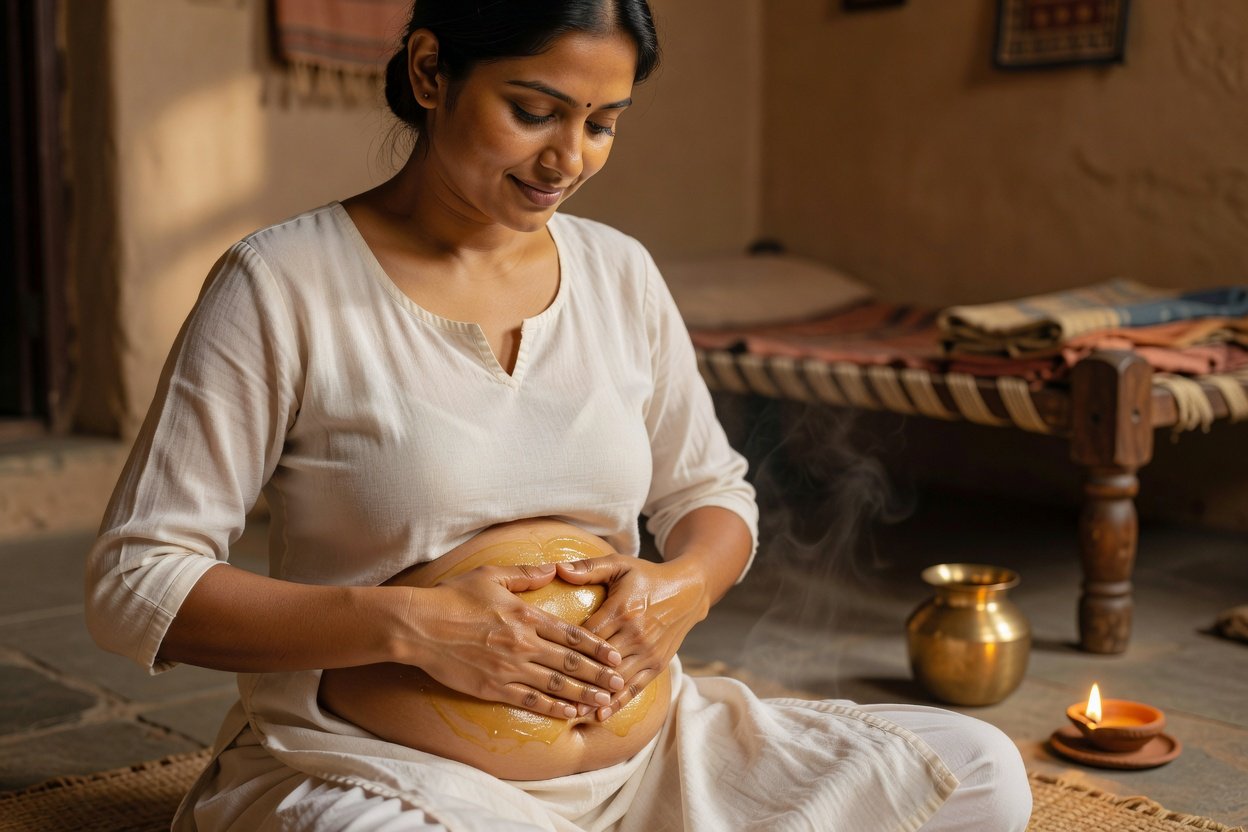
Begin by warming organic sesame oil. Massage the abdomen in clockwise circles, then move to limbs with long strokes. Focus on joints and feet for 15-20 minutes before a warm bath. Repeat morning and evening for optimal results in the first month. In practice, many mothers use a small amount of oil infused with calming essential oils like lavender for added relaxation. After the massage, wrapping in a warm cloth enhances absorption and promotes sweating, which is believed to eliminate toxins. This ritual not only supports physical recovery but also creates moments of mindfulness amid the demands of newborn care.
Comparisons with Modern Postpartum Advice
Modern guidelines from sources like WHO emphasize rest, nutrition, and monitoring for complications. Ayurvedic methods complement this by adding herbal and massage elements for deeper restoration. While modern care often uses supplements, Vedic practices favor whole-food synergies. Both stress emotional support, though Ayurveda integrates meditation more prominently. For example, contemporary recommendations may suggest pelvic floor exercises via apps, whereas Ayurveda incorporates them into daily oil routines for holistic integration. Research from authoritative bodies highlights that combining approaches can lead to better outcomes in recovery speed and maternal satisfaction, as seen in integrative clinics across India.
Another comparison involves lactation support: modern lactation consultants focus on positioning techniques, while Ayurvedic protocols add specific galactagogues like shatavari. This blended perspective is increasingly adopted in urban wellness centers where mothers receive both allopathic checkups and Vedic guidance.
Step-by-Step Self-Care Guides
- Week 1: Focus on bed rest with light herbal teas and oil application twice daily, limiting visitors to maintain calm.
- Week 2-3: Introduce gentle walks around the home and balanced meals prepared with warming spices, monitoring for any digestive discomfort.
- Week 4+: Gradually add light exercises such as modified yoga poses while tracking energy levels and consulting practitioners for adjustments.
- Ongoing: Maintain a journal of symptoms and dosha observations to refine the routine over subsequent months.
Always track symptoms and adjust based on individual dosha type (Vata, Pitta, or Kapha). Practical tips include enlisting family support for meal preparation and creating a dedicated quiet space for rest and massage sessions.
Emotional Wellness and Lactation Support
Postpartum mood shifts are addressed through calming routines like oil massages and shatavari intake. These practices foster bonding and reduce anxiety, supporting consistent lactation. Incorporating daily gratitude reflections or short meditation sessions helps stabilize emotions. Many mothers find that consistent herbal support leads to better milk supply and reduced instances of mastitis when combined with proper hydration and rest. Community support networks in India often share experiences, reinforcing the emotional benefits of these traditions.
FAQs on Safety, Timing, and Consulting Experts
When to start? Typically within 24-48 hours after delivery, once cleared by medical professionals, beginning with light oil application and progressing to full routines.
Is it safe? Yes, when personalized and sourced from quality providers, but always consult both Ayurvedic and allopathic doctors to integrate with any prescribed medications.
How to find experts? Seek certified practitioners through reputable Indian wellness centers or associations that verify training in classical texts.
What if complications arise? Immediately pause herbal intake and seek medical attention while informing your Ayurvedic advisor of symptoms for coordinated care.
Can it be adapted for C-section recoveries? Yes, with modifications such as gentler massages avoiding the incision site and focusing on upper body and limbs initially.
Conclusion
Ayurvedic postpartum care offers timeless Vedic wisdom tailored for 2026 mothers in India. By blending herbs, diet, and routines, it provides comprehensive support for recovery and wellness beyond standard approaches, empowering women with practical tools for long-term health.

No comments yet. Be the first!