 Veda Tour
Ayurvedic Remedies for Cold and Flu: Vedic Healing India 2026
Common colds and flu continue to affect millions across India, particularly during seasonal shifts in 2026. Ayurvedic medicine, grounded in ancient Vedic traditions, provides comprehensive strategies for both prevention and relief. This detailed guide explores how imbalances in the doshas contribute to respiratory problems and presents practical solutions using time-honored herbs, recipes, daily routines, and dietary practices. Readers will find concrete examples drawn from experienced Indian practitioners in regions such as Kerala, Rajasthan, and Maharashtra.
Vedic healing emphasizes harmony between body, mind, and environment. In recent years, more urban professionals in cities like Bangalore and Hyderabad have turned to these methods alongside conventional care to reduce the frequency of seasonal illnesses. The principles remain relevant because they address root causes rather than isolated symptoms, fostering long-term resilience.
Understanding Dosha Imbalances in Respiratory Health
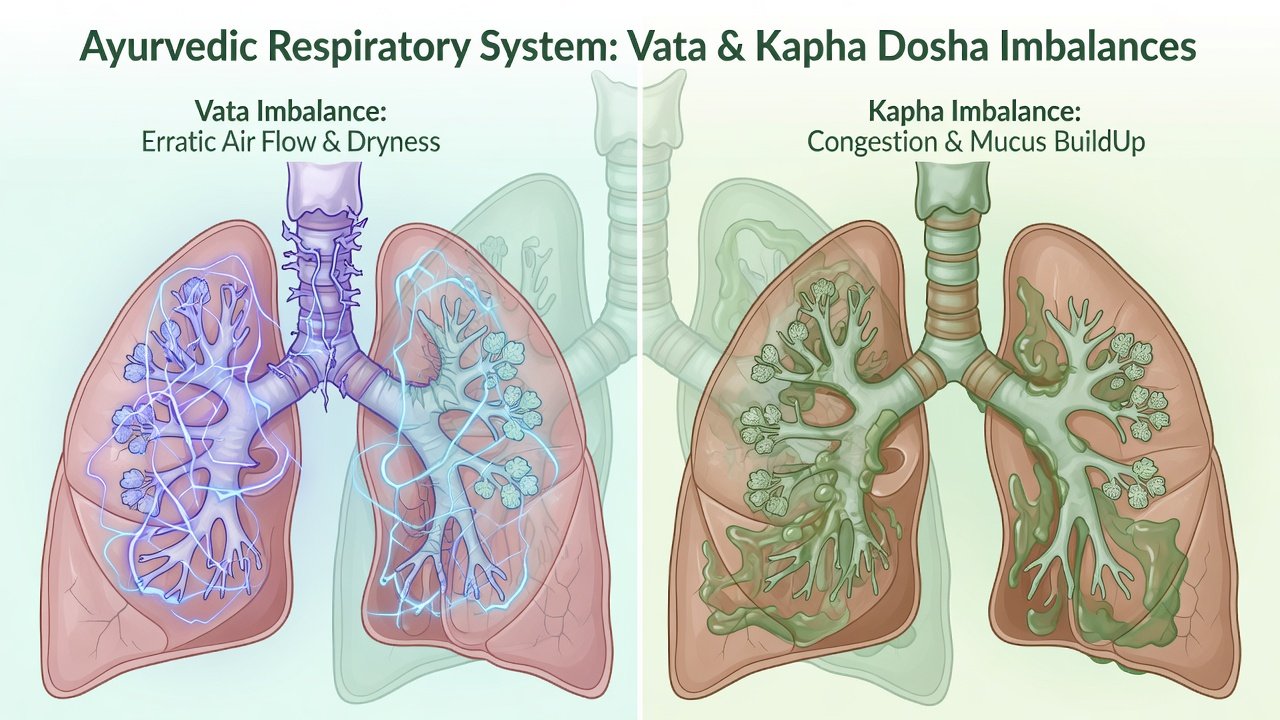
Ayurveda identifies three primary doshas—vata, pitta, and kapha—that govern physiological functions. Respiratory issues such as colds and flu typically arise when kapha and vata become aggravated. Excess kapha manifests as thick mucus, nasal congestion, and lethargy, while elevated vata produces dryness in the throat, chills, and erratic energy. Pitta involvement may add inflammation or mild fever.
Seasonal transitions, irregular sleep, and heavy, cold foods commonly trigger these imbalances. Practitioners in Kerala note that monsoon humidity increases kapha, whereas winter winds in northern states aggravate vata. Recognizing early signs allows timely intervention through herbs and lifestyle corrections before full-blown illness develops.
Personalized assessment of one’s prakriti, or constitutional type, further refines treatment. A kapha-dominant individual benefits from warming and drying spices, while a vata type requires additional grounding oils and routines.
Key Herbs for Prevention and Relief
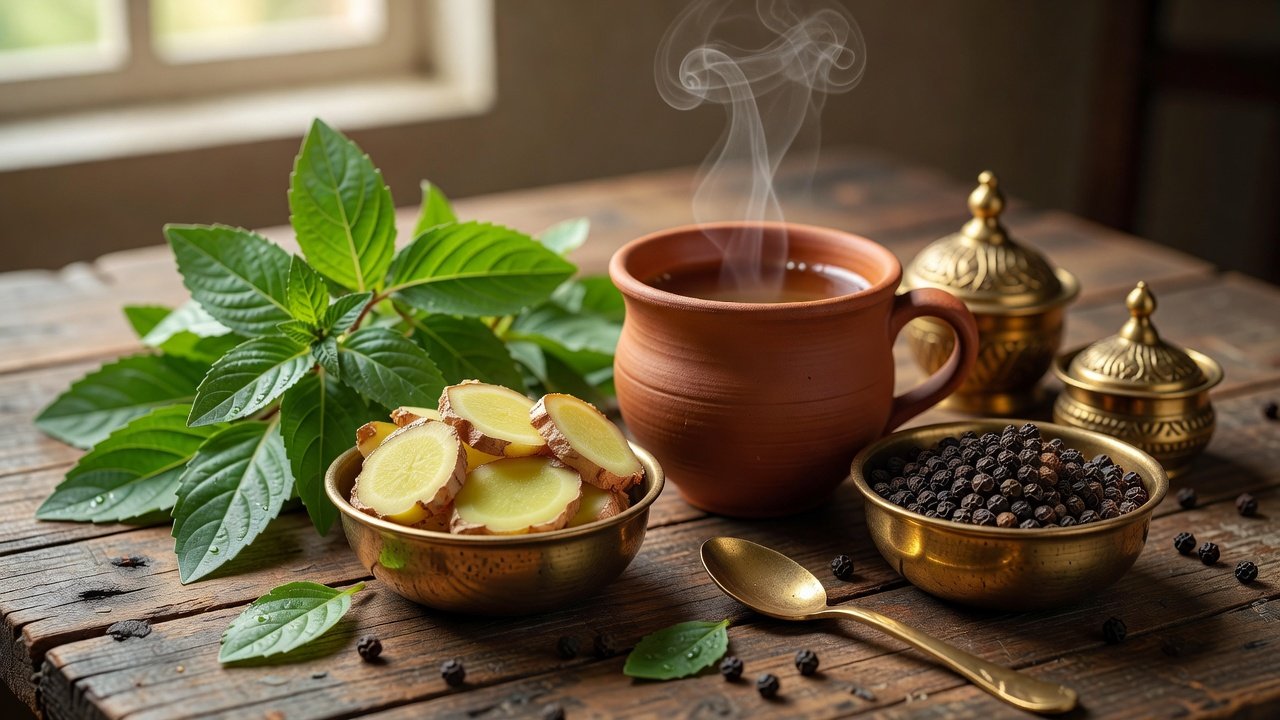
Three cornerstone herbs—tulsi, ginger, and black pepper—form the foundation of many Vedic respiratory remedies. Tulsi, revered as a sacred plant, supports lung function and acts as an adaptogen that modulates immune response. Fresh ginger stimulates circulation and digestion, helping to liquefy and expel excess kapha. Black pepper improves absorption of other compounds and clears blocked sinuses.
Additional supportive herbs include turmeric for its anti-inflammatory qualities, cinnamon for warming the chest, and licorice root for soothing irritated throats. Indian vaidyas often prepare customized blends based on the patient’s dominant dosha and current symptoms. For instance, a practitioner in Jaipur incorporates local wild tulsi varieties during winter to enhance potency.
These botanicals align with broader global interest in traditional medicine systems. The World Health Organization acknowledges the value of integrating such approaches into primary care for respiratory wellness.
Step-by-Step Herbal Tea Recipes
Preparing herbal teas at home offers an accessible entry point. Fresh ingredients yield the best results, though dried alternatives work when necessary.
Tulsi-Ginger Immunity Tea
- Bring two cups of water to a boil with 10–12 fresh tulsi leaves and one-inch sliced ginger root.
- Reduce heat and simmer five minutes.
- Add a pinch of freshly ground black pepper, then strain into cups.
- Allow slight cooling before stirring in raw honey if desired.
Consume two cups daily at the first sign of scratchy throat or fatigue. This tea kindles digestive fire and promotes clear breathing.
Black Pepper and Turmeric Decoction
- Combine one cup water, half teaspoon black pepper, and one teaspoon turmeric powder in a small pot.
- Boil gently for three minutes and strain.
- Drink warm before bedtime to ease throat discomfort and support restful sleep.
Cinnamon-Clove Chest-Clearing Infusion
- Simmer two cups water with two crushed cinnamon sticks, four cloves, and a few slices of fresh ginger.
- Steep ten minutes, strain, and sip throughout the day.
These preparations reflect classical formulations still used by families in Gujarat and Tamil Nadu.
Daily Dinacharya Adjustments
Consistent daily routines, known as dinacharya, build natural immunity. Begin by rising before sunrise and performing gentle oil pulling with sesame oil for two minutes. Follow with warm water to stimulate digestion. Abhyanga self-massage using warm sesame or coconut oil balances vata and improves circulation. Practice light yoga or walking, then eat a warm breakfast spiced with cumin.
Avoid daytime naps that increase kapha accumulation. Evening practices include a short walk after dinner and winding down by 10 PM. Residents of Pune who adopted these habits reported fewer sick days during the 2025–2026 flu season, according to local Ayurvedic clinics.
Dietary Recommendations for Stronger Immunity
Warm, light, and spiced foods pacify kapha while supporting agni. Prioritize soups, steamed greens, and whole grains such as barley or millet. Incorporate digestive spices including cumin, coriander, and fennel at every meal. Reduce intake of dairy, cold beverages, refined sugar, and fried items that generate mucus.
- Begin each meal with a small cup of ginger tea to prepare the stomach.
- Choose seasonal produce such as pomegranate, amla, and carrots for natural antioxidants.
- Stay hydrated with warm cumin-lemon water rather than chilled drinks.
- Limit heavy evening meals; finish dinner by 7 PM.
These guidelines echo findings from the National Center for Biotechnology Information on traditional diets and respiratory outcomes.
Comparing Vedic Healing with Conventional Approaches
Modern medicine typically addresses acute symptoms through antivirals, decongestants, or fever reducers, delivering fast but often temporary relief. Vedic methods focus on restoring doshic balance and strengthening overall vitality to prevent recurrence. Many patients in Mumbai combine both systems—using Ayurveda for daily immunity support and pharmaceuticals only during severe episodes. This integrative model frequently leads to shorter illness duration and improved energy levels post-recovery.
Practical Prevention Strategies and Common Mistakes
Beyond remedies, prevention involves maintaining consistent sleep, managing stress through pranayama, and staying physically active. Common pitfalls include overusing heating spices without balancing oils, skipping oil massage during dry seasons, and ignoring early fatigue signals. Practitioners advise starting small changes gradually rather than overhauling routines abruptly.
Real-World Examples from Indian Practitioners
A vaidya in Kochi treats kapha-type colds with a tailored tulsi-ginger-turmeric blend taken for five days alongside dietary restrictions. In contrast, a Delhi clinic emphasizes vata-pacifying routines such as warm milk with cardamom at night. Patients consistently note reduced congestion and faster return to work when following these protocols.
FAQs on Safety, Dosage, and Professional Care
Are these remedies safe for children?
Yes, with reduced dosages and under qualified supervision. Milder teas suit younger users.
What dosage works best for adults?
One to two cups of tea daily is standard. Exceed only after consulting an Ayurvedic doctor.
When should you seek medical help?
Persistent fever beyond three days, shortness of breath, or worsening symptoms warrant immediate professional evaluation.
Can pregnant women use these herbs?
Consult a practitioner first, as certain spices require caution during pregnancy.
Conclusion
Ayurvedic remedies rooted in Vedic wisdom offer practical, holistic tools for managing and preventing colds and flu. By understanding dosha dynamics, incorporating key herbs, following structured routines, and adopting supportive diets, individuals cultivate robust immunity. Personalized guidance from trained practitioners maximizes benefits and ensures safe application. Embracing these time-tested methods in 2026 supports both immediate relief and enduring wellness.


No comments yet. Be the first!