 Veda Tour

Introduction to Ayurvedic Self-Massage
Ayurvedic self-massage, known as Abhyanga, stands as a foundational practice within Vedic healing traditions that have guided wellness in India for thousands of years. This daily ritual involves the systematic application of warm, herb-infused oils to the entire body using specific strokes that follow the natural pathways of energy and circulation. In 2026, individuals seeking holistic approaches to health are rediscovering Abhyanga as an accessible method to support physical vitality, mental clarity, and emotional equilibrium without requiring specialized equipment or external assistance.
Rooted in the ancient texts of Ayurveda, self-massage emphasizes prevention and self-care. It aligns with the principle that consistent, mindful attention to the body can prevent imbalances before they manifest as illness. Practitioners often notice improvements in skin texture, joint mobility, and overall resilience after incorporating the practice into their routines. Unlike modern spa treatments focused solely on relaxation, Abhyanga integrates therapeutic oil application with dosha-specific considerations to promote long-term balance across the Vata, Pitta, and Kapha energies that govern physiological functions.
Key Benefits of Abhyanga and Vedic Healing
The benefits of regular Abhyanga extend across multiple dimensions of health. Improved circulation arises from the rhythmic massage movements that stimulate blood flow and encourage lymphatic drainage, helping the body eliminate metabolic waste more efficiently. Stress reduction occurs as the warm oils calm the nervous system and lower cortisol production, leading to better sleep quality and reduced anxiety. Many users report enhanced dosha balance, which manifests as greater emotional stability and physical comfort regardless of seasonal changes.
Additional advantages include strengthened immunity through nourished tissues, increased flexibility in muscles and joints, and a noticeable glow in skin appearance due to deep moisturization. Real-world examples from practitioners in India show that those who maintain consistent sessions experience fewer seasonal allergies and improved digestion. Vedic healing principles underscore that these effects accumulate over time, making the practice especially valuable for urban dwellers facing high-stress environments in 2026.
Understanding Doshas and Selecting the Right Oils
To maximize effectiveness, oil selection must correspond to an individual's dominant dosha. Vata types, characterized by dry skin and variable energy, benefit from heavy, warming oils such as sesame or almond that provide grounding moisture. Pitta constitutions, often prone to inflammation and sensitivity, respond best to cooling options like coconut or sunflower oil that calm heat without irritation. Kapha individuals, who may experience sluggishness or congestion, thrive with lighter, stimulating oils including mustard or safflower that promote movement and reduce excess moisture.
Seasonal adjustments enhance results further. During cooler months, richer oils support warmth, while lighter applications suit humid summers. Always perform a patch test and consult an Ayurvedic practitioner for personalized guidance. Organic, cold-pressed oils yield superior outcomes and align with traditional preparation methods still used across wellness centers in India today.
Preparing for Your Self-Massage Session
Preparation begins with gathering supplies: a dosha-appropriate oil, a small saucepan or double boiler for gentle warming, and soft towels. Choose a quiet, warm space where interruptions are minimal. Heat the oil to approximately body temperature to avoid shocking the skin. Some practitioners add a few drops of essential oils like lavender for extra calming effects, though traditionalists prefer pure herbal infusions. Set aside 20 to 40 minutes to allow full absorption and relaxation afterward.
Step-by-Step Application Methods
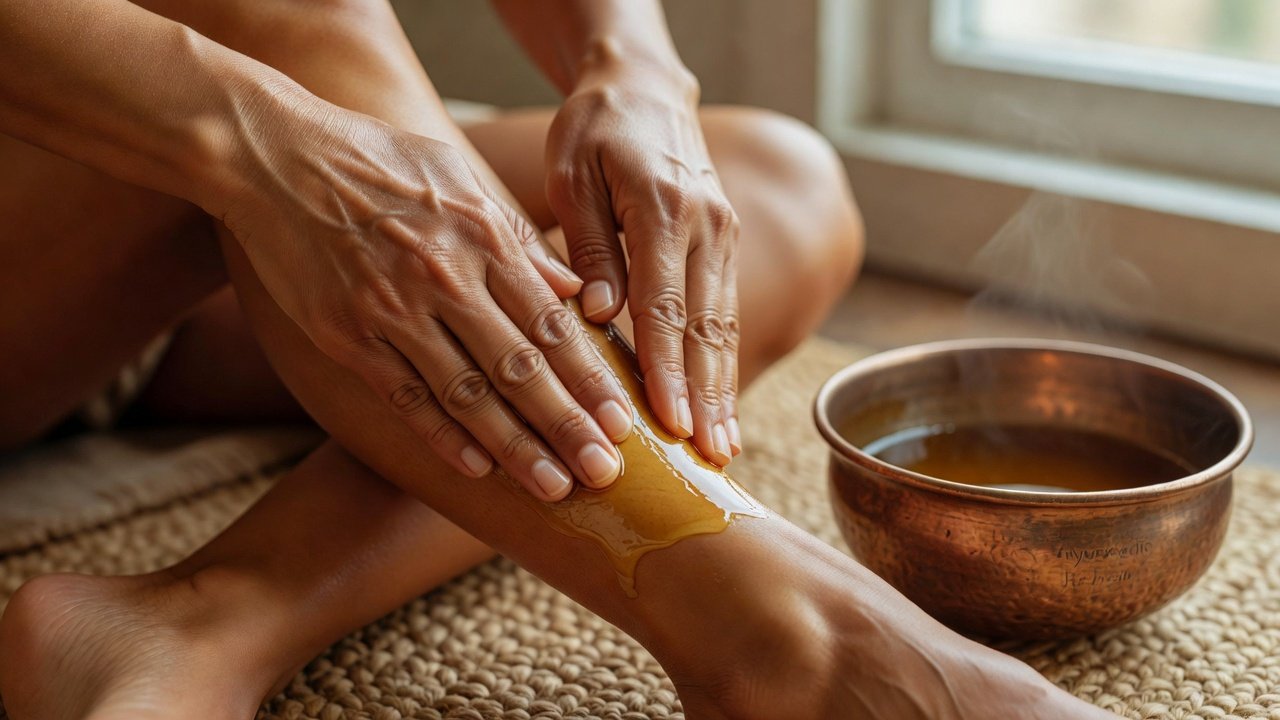
Start at the crown of the head with circular motions to stimulate the scalp and promote hair health. Move downward along the neck and shoulders using long, firm strokes. On the arms and legs, apply oil in the direction of hair growth with upward motions on the limbs and circular patterns around joints. Pay special attention to the soles of the feet and palms, areas rich in nerve endings that influence the entire body according to Vedic maps of energy points.
Continue across the torso with gentle clockwise strokes around the abdomen to support digestion. After full coverage, rest for 10 to 20 minutes wrapped in a warm towel or robe. Rinse with lukewarm water and a natural cleanser. This sequence ensures even distribution and maximum absorption of the oil's therapeutic properties.
Ideal Timing and Frequency for Optimal Results
Morning sessions before bathing integrate seamlessly into daily routines and provide sustained energy throughout the day. Evening applications, performed at least one hour before bedtime, foster deeper relaxation and support restorative sleep. Beginners should aim for three to five sessions per week, gradually increasing to daily practice as comfort grows. Consistency matters more than duration; even brief 15-minute sessions deliver cumulative benefits when performed regularly.
Common Mistakes to Avoid
- Applying cold oil directly, which can constrict vessels instead of promoting flow
- Rushing the absorption period and rinsing too soon, reducing therapeutic impact
- Using excessive pressure on sensitive or bony areas, potentially causing discomfort
- Neglecting dosha-specific oil choices, leading to imbalance rather than harmony
- Performing the massage on a full stomach or when fatigued, diminishing focus and benefits
- Ignoring skin reactions or continuing despite irritation without professional advice
Beginner Routine for Daily Wellness
New practitioners can follow a simple 20-minute sequence starting with the head and neck, progressing to the torso, then limbs, and ending with the feet. Track sensations in a wellness journal to observe shifts in energy levels, skin condition, and stress markers over a four-week period. Pair the routine with light stretching or breathing exercises for amplified Vedic healing effects. Over time, adjust based on personal feedback and seasonal needs.
Comparisons with Professional Ayurvedic Treatments
While professional Abhyanga sessions at certified centers provide expert technique and customized formulations, self-massage offers unmatched convenience and frequency. Many individuals combine both approaches, scheduling monthly professional treatments alongside daily home practice for comprehensive support. Professional care often incorporates additional therapies such as steam or herbal steam baths, whereas self-application focuses on accessibility and personal empowerment.
Integrating Abhyanga with Diet and Lifestyle
For deeper results, combine self-massage with Ayurvedic dietary principles such as warm, spiced meals suited to your dosha. Adequate hydration, regular sleep patterns, and gentle yoga further enhance circulation and stress reduction. This holistic integration reflects core Vedic healing values that view the body as an interconnected system requiring balanced attention across multiple habits.
FAQ on Safety and Frequency
Is Abhyanga safe for everyone? Healthy adults generally tolerate the practice well, but those with acute skin conditions, recent injuries, or pregnancy should seek medical clearance first. Always use high-quality oils to minimize reaction risks.
How often should beginners start? Three weekly sessions allow gradual adaptation while building the habit effectively.
Can self-massage replace professional medical care? It serves as a complementary practice only and should never substitute for consultations with qualified healthcare providers. For authoritative perspectives on traditional medicine systems, refer to World Health Organization and National Center for Complementary and Integrative Health.
Conclusion
Ayurvedic self-massage through Abhyanga provides a practical, time-tested pathway to Vedic healing and sustained daily wellness. By selecting appropriate oils, following methodical application, maintaining regular timing, and avoiding common pitfalls, practitioners can achieve meaningful improvements in circulation, stress management, and dosha equilibrium. As 2026 unfolds, this accessible tradition continues to empower individuals across India and beyond to take proactive steps toward holistic health.
No comments yet. Be the first!