 Veda Tour
Introduction to Yoga Tourism in 2026
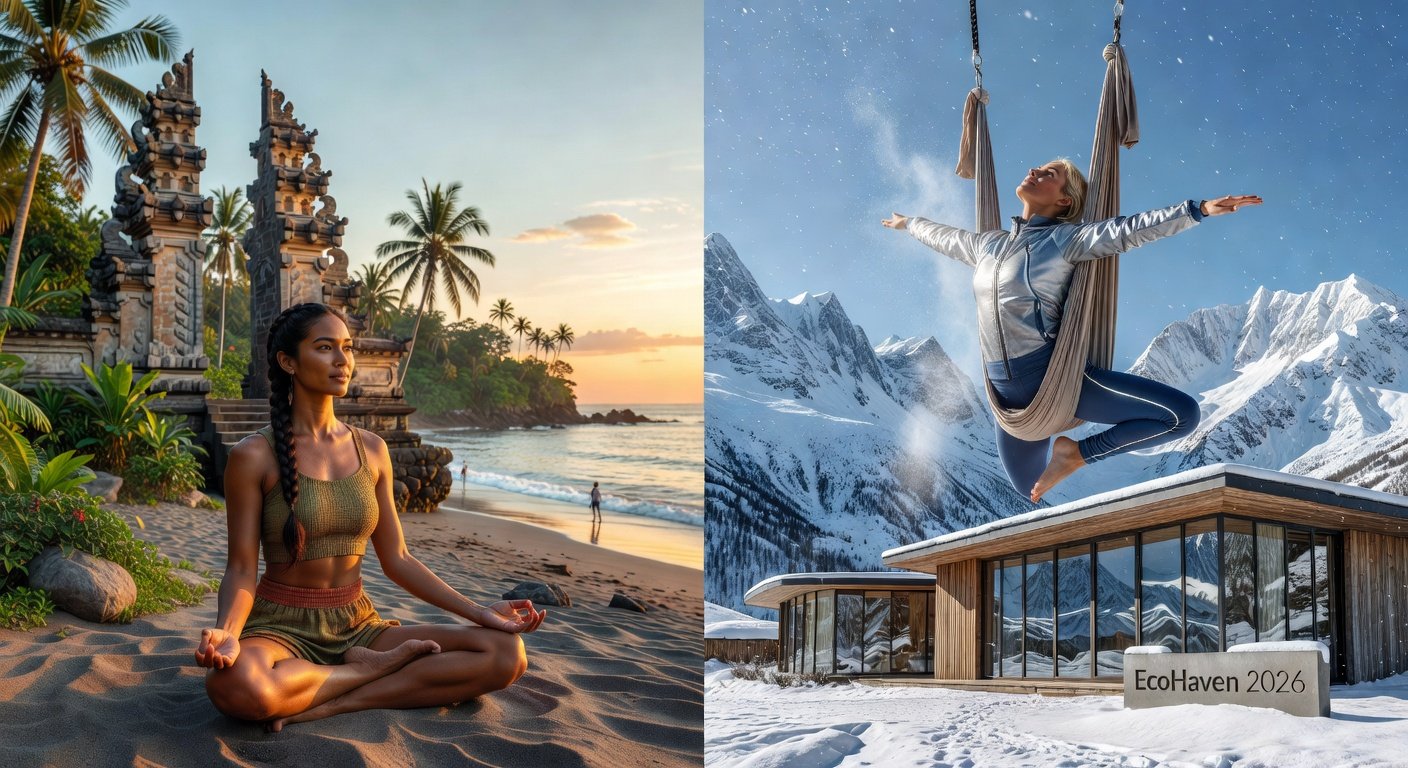
Yoga tourism has exploded in popularity, blending physical practice, spiritual growth, and holistic healing into unforgettable travel experiences. As we look toward 2026, wellness travelers are seeking deeper transformations through retreats that integrate yoga with local healing traditions. But should you head to the ancient ashrams of Asia or the modern eco-retreats of Europe? This comprehensive comparison dives into unique practices, retreat styles, cultural immersions, accessibility, pros and cons, costs, and practical tips to help you decide on your ideal holistic healing journey.
Whether you're a beginner unrolling your mat for the first time abroad or a seasoned yogi chasing enlightenment, understanding the differences between Asia and Europe will maximize your healing potential. We'll explore how each region offers distinct paths to mind-body balance, backed by real-world examples and data projections for 2026.
Yoga Tourism in Asia: Roots of Ancient Wisdom
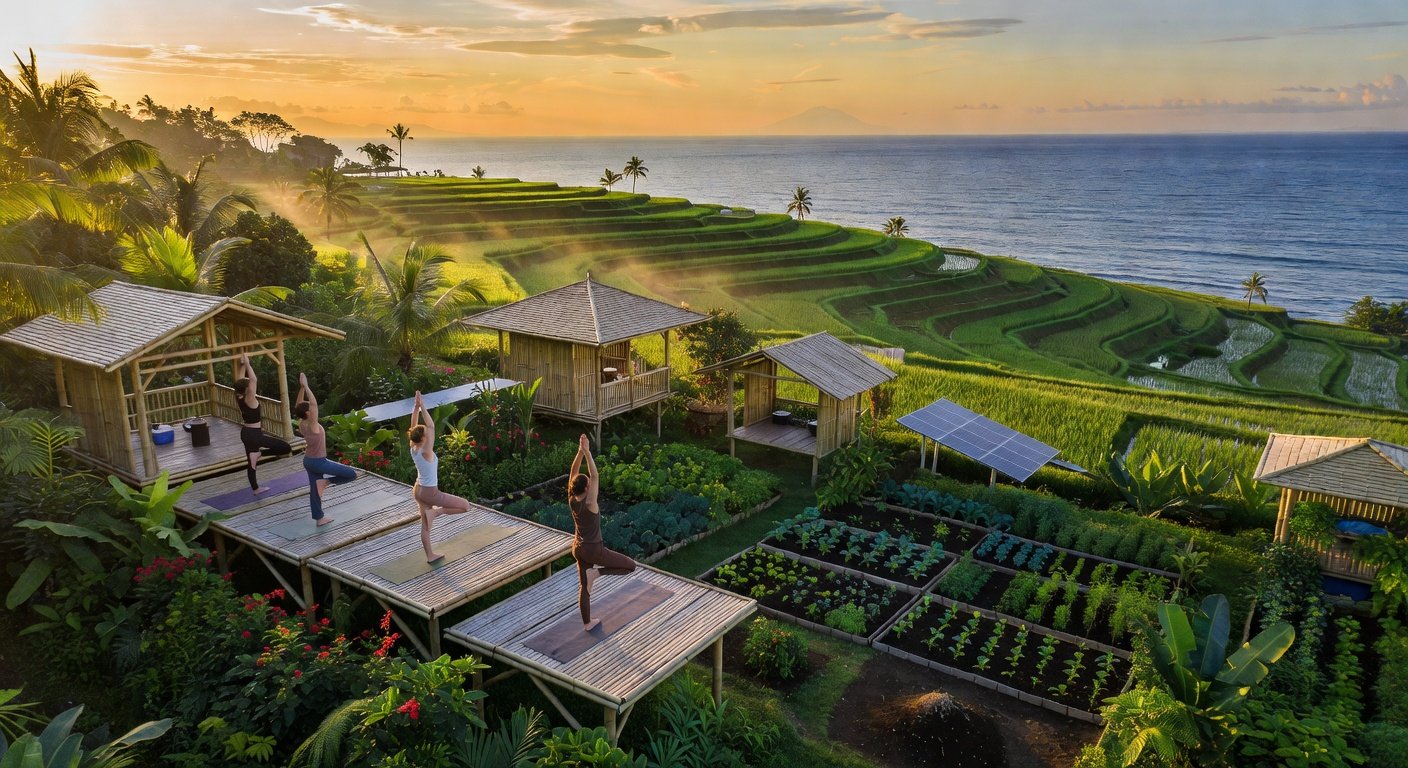
Asia is the birthplace of yoga, making it a pilgrimage site for authentic experiences. In 2026, expect enhanced sustainability efforts, with retreats focusing on eco-friendly practices amid rising climate awareness.
Unique Holistic Healing Practices
Asia shines with time-tested modalities. In India, Hatha and Kundalini yoga pair with Ayurveda—using herbal oils, Panchakarma detox, and yoga nidra for profound detoxification. Bali, Indonesia, blends yoga with Balinese healing rituals like Jamu herbal medicine and water purification ceremonies at sacred springs. Thailand offers Thai yoga massage fused with Vipassana meditation, while Sri Lanka emphasizes Ayurvedic yoga in lush tea plantations.
These practices draw from millennia-old traditions, often certified by bodies like the Yoga Alliance, ensuring global standards.
Retreat Styles and Cultural Immersions
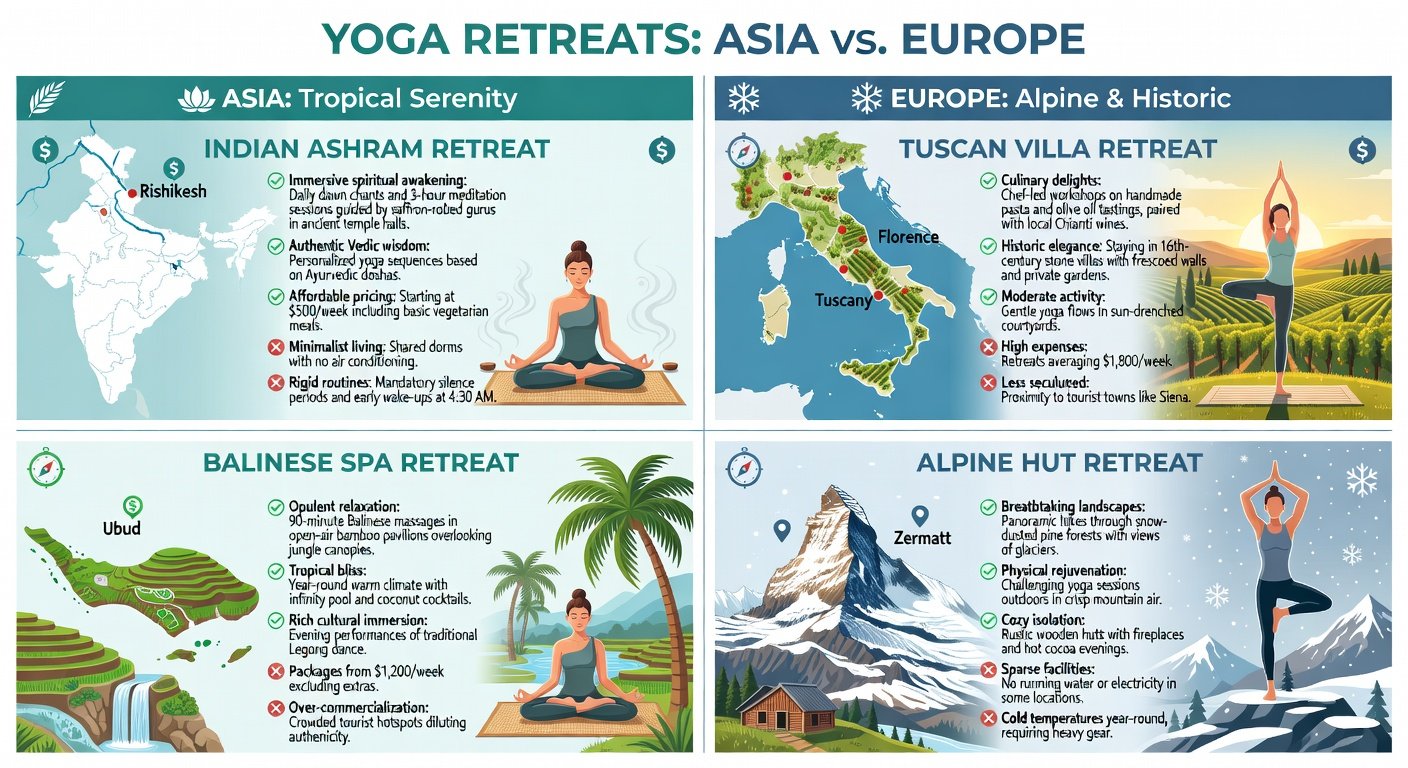
Retreats range from rustic ashrams in Rishikesh, India—think dawn Ganga Aarti rituals—to luxury beachfront villas in Goa or Ubud, Bali. Cultural immersions include temple stays, cooking classes with sattvic foods, and festivals like Kumbh Mela. Expect communal living, silence vows, and guru-led sessions for immersive transformation.
Pros and Cons of Asian Yoga Tourism
- Pros: Authentic origins, low costs, diverse practices, spiritual depth, year-round tropical climates.
- Cons: Crowded popular spots, variable hygiene standards, long flights, potential language barriers, monsoon disruptions.
Accessibility is high via budget airlines, but visas (e.g., India's e-Visa) require planning. For 2026, new high-speed rails in India will ease internal travel.
Yoga Tourism in Europe: Modern Fusion and Serenity
Europe reinterprets yoga through a Western lens, emphasizing accessibility, luxury, and integration with nature. By 2026, EU green initiatives will boost eco-retreats, aligning with post-pandemic wellness booms.
Unique Holistic Healing Practices
Europe fuses yoga with local traditions: Italian retreats combine Vinyasa with thermal spa therapies in Tuscany. Spanish Andalusia offers yin yoga with flamenco-inspired breathwork. In the Alps (Switzerland, Austria), aerial yoga meets forest bathing and sound healing with Alpine herbs. Greece's islands feature yoga with ancient philosophy and Mediterranean detox diets. Nordic countries like Finland add sauna yoga and shamanic drumming.
The World Health Organization recognizes many of these integrative approaches, promoting their evidence-based benefits.
Retreat Styles and Cultural Immersions
Styles lean luxurious: boutique hotels in Portugal's Algarve, glamping in French Provence lavender fields, or castle retreats in Scotland. Immersions include wine-free sommelier tastings of herbal infusions, hiking to ancient sites, and modern wellness festivals like Portugal's Wanderlust.
Pros and Cons of European Yoga Tourism
- Pros: Shorter flights for Westerners, high safety/hygiene, English widely spoken, seamless Schengen travel, gourmet plant-based cuisine.
- Cons: Higher costs, seasonal weather (best May-Oct), less 'authentic' feel, crowded summers.
Accessibility excels with Europe's efficient trains and airports; EU digital nomad visas aid longer stays.
Head-to-Head Comparison: Asia vs Europe
| Aspect | Asia | Europe |
|---|---|---|
| Authenticity | High (birthplace) | Modern fusion |
| Cost (per week) | $500-1500 | $1500-4000 |
| Climate | Tropical, humid | Temperate, variable |
| Crowd Levels | High in peaks | Seasonal |
| Healing Depth | Spiritual/ancient | Wellness/luxury |
Asia wins for budget spiritual seekers; Europe for comfort-focused professionals.
Costs Breakdown for 2026 Yoga Retreats
Projections account for inflation and tourism recovery:
- Asia: India ($400-800/week all-inclusive), Bali ($800-1500), flights ~$1000 RT from US/EU.
- Europe: Portugal ($1200-2500), Italy ($1500-3500), flights ~$500 RT intra-Europe.
Hidden costs: Asia visas ($50-100), Europe eco-fees. Budget tip: Off-peak saves 30%.
Practical Tips for Maximizing Holistic Healing
- Choose by Intention: Spiritual depth? Asia. Balance with luxury? Europe.
- Book Early: 2026 spots fill fast; use sites like BookYogaRetreats.com.
- Pack Smart: Layers for Europe, mosquito repellent for Asia.
- Health Prep: Vaccinations, travel insurance; consult doctors for detox intensives.
- Integrate Daily: Journal, meditate pre/post-retreat; follow Lonely Planet for ethical travel.
- Sustainably Travel: Offset carbon via retreats with green certifications.
Transformative Benefits and Real Stories
Asia travelers report breakthroughs like overcoming anxiety via Indian silence retreats. Europeans rave about renewed energy from Alpine yoga hikes. Studies show yoga tourism reduces stress by 40%, enhances mindfulness lasting months.
Conclusion: Your Path to 2026 Healing
Asia offers raw, ancestral power; Europe delivers refined rejuvenation. Weigh your budget, travel ease, and goals—both promise life-changing holistic healing. Start planning your 2026 yoga adventure today for the ultimate mind-body reset.
No comments yet. Be the first!