 Veda Tour

Embracing Sustainable Yoga Tourism for Mind-Body Renewal
In a world increasingly focused on sustainability, yoga tourism is evolving beyond traditional retreats. Sustainable yoga destinations blend eco-friendly practices with holistic healing, offering travelers profound mind-body restoration while honoring the planet. Imagine practicing yoga amidst lush rainforests or pristine beaches, where zero-waste policies and regenerative tourism ensure your journey leaves a positive impact. As we look toward 2026, these retreats emphasize nature-aligned yoga, permaculture farms, and carbon-neutral operations, making wellness travel more responsible than ever.
This guide explores top destinations, key sustainable practices, and practical tips to reduce your environmental footprint. Whether you're a seasoned yogi or new to wellness travel, these insights will help you plan transformative 2026 adventures that nourish both you and the Earth.
Top Sustainable Yoga Retreats Around the World
Sustainable yoga retreats prioritize locations with natural beauty and strong eco-commitments. Here are standout destinations leading the way:
- Bali, Indonesia: Known as the "Island of the Gods," Bali hosts retreats like The Yoga Barn in Ubud, which integrates organic farming and plastic-free policies. Sessions align with sunrise over rice terraces, promoting regenerative agriculture.
- Costa Rica: The "Pura Vida" nation shines with spots like Nicoya Peninsula retreats, where zero-waste yoga shalas use solar power and support sea turtle conservation. Blue Zone longevity vibes enhance holistic healing.
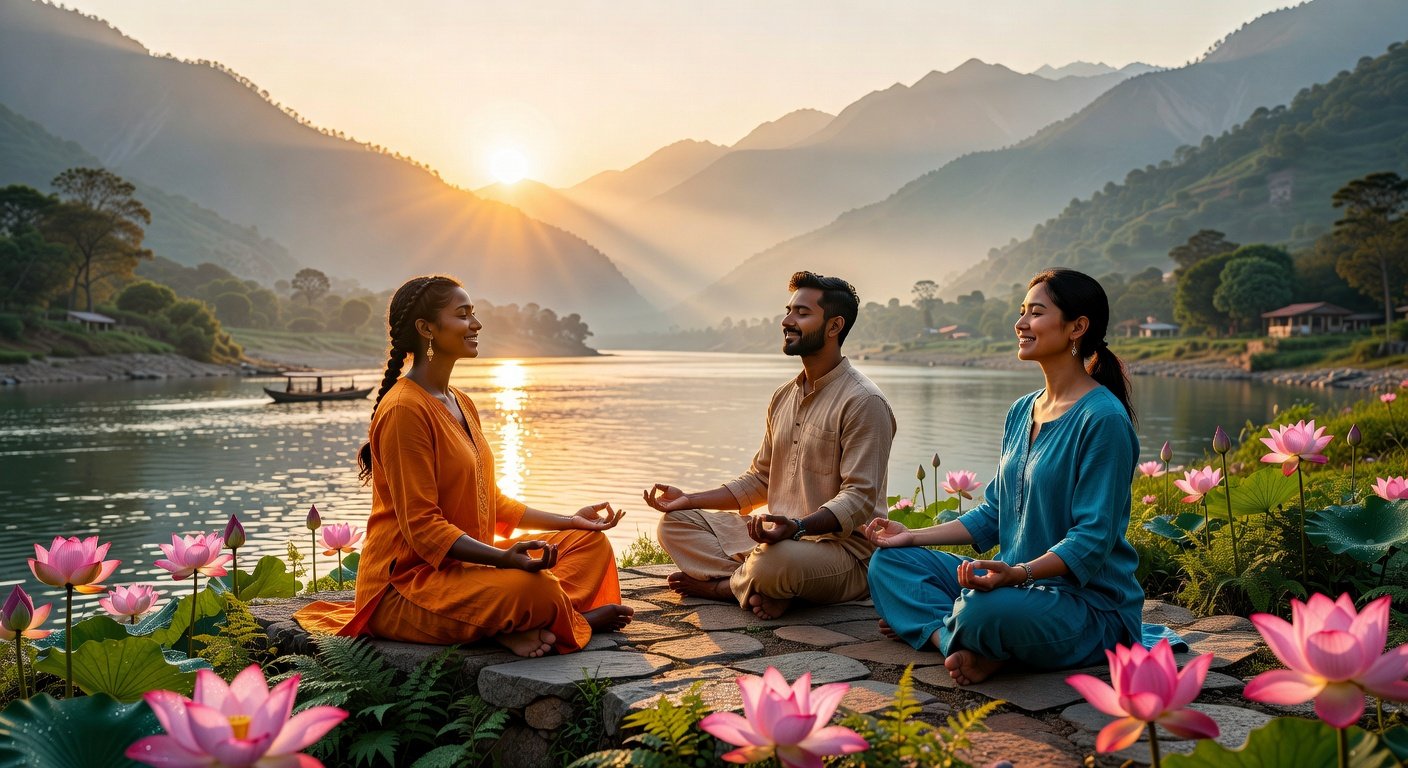
- India's Kerala Backwaters: Cradle of yoga, retreats here like Somatheeram Ayurveda Village employ Ayurvedic zero-waste systems and houseboat yoga on regenerative waterways.
- Portugal's Algarve: Emerging in Europe, The Bloom offers cliffside yoga with permaculture gardens and community-led reforestation.
- Tulum, Mexico: Cenote-side retreats focus on Mayan-inspired practices with biodegradable amenities and coral reef protection initiatives.
These spots aren't just scenic; they actively restore ecosystems through partnerships with local communities.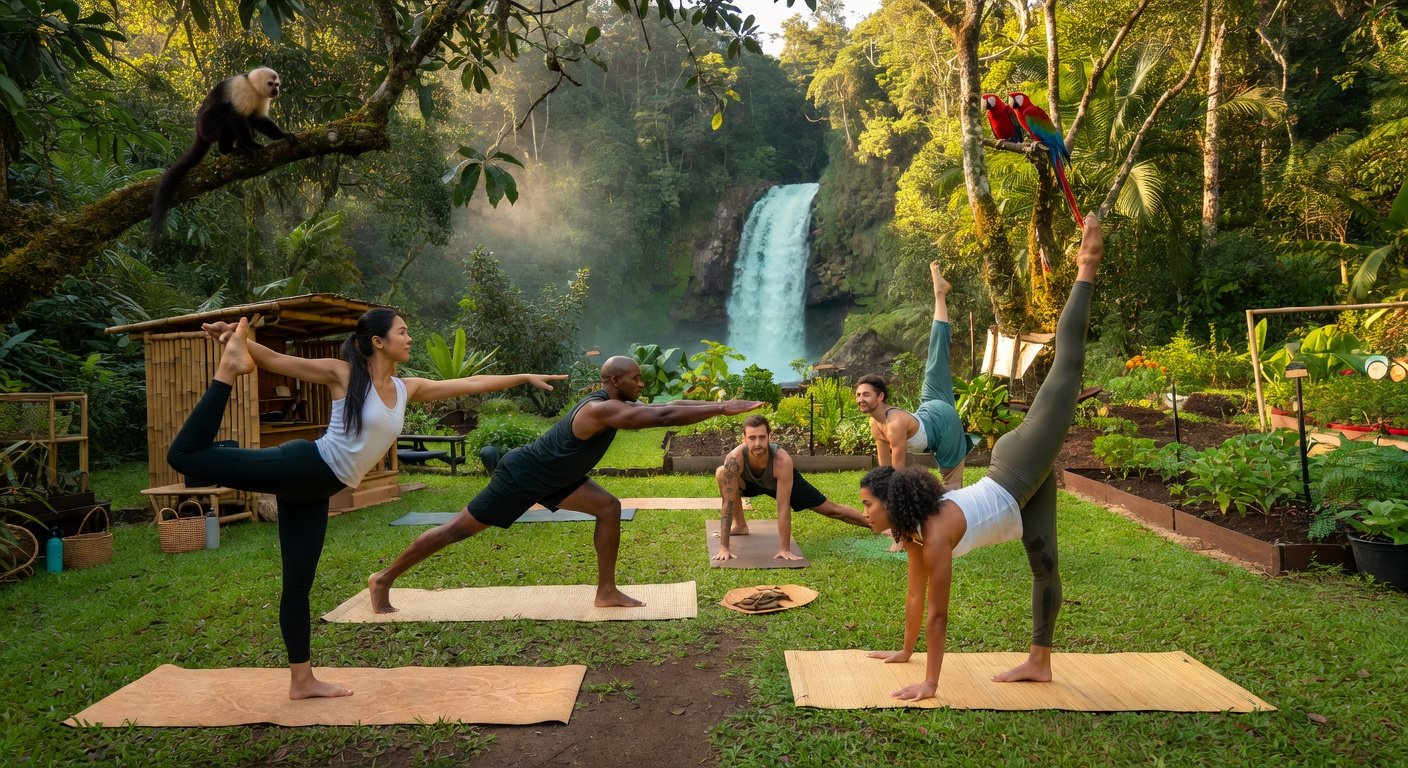
What Makes These Retreats Truly Regenerative?
Regenerative tourism goes beyond 'leave no trace'—it aims to improve the environment. Expect features like:
- Composting toilets and greywater recycling.
- Plant-based, locally sourced meals from on-site farms.
- Yoga flows designed around lunar cycles and natural rhythms for deeper alignment.
For more on global sustainable tourism standards, check the UN World Tourism Organization.
Core Practices in Eco-Friendly Yoga Tourism
Sustainable retreats weave green principles into every aspect of your stay, enhancing holistic healing.
Zero-Waste Policies
From bamboo utensils to refillable water stations, these retreats eliminate single-use plastics. Guests participate in beach cleanups or upcycling workshops, turning mindfulness into action. This reduces landfill waste and fosters a zero-waste mindset that extends home.
Regenerative Tourism Initiatives
Retreats invest in soil regeneration, biodiversity, and cultural preservation. For instance, many offset flights via verified carbon programs and support indigenous healers, ensuring economic benefits stay local.
Nature-Aligned Yoga for Profound Restoration
Practices like forest bathing (shinrin-yoku) yoga, ocean breathwork, or tree pose sequences in permaculture groves sync your energy with nature's. This leads to deeper pranayama benefits, stress reduction, and spiritual awakening. Studies show nature immersion boosts serotonin and lowers cortisol, amplifying yoga's healing power.
Learn more about yoga's global standards from the Yoga Alliance.
Practical Tips to Minimize Your Footprint on 2026 Journeys
Travel mindfully with these actionable steps:
- Choose Direct Flights and Offsets: Opt for airlines with sustainable fuel; use reputable offsetters like Gold Standard.
- Pack Light and Smart: Bring reusables—stainless steel bottles, beeswax wraps, and natural fiber yoga mats. Avoid checked luggage to cut emissions.
- Support Local Economies: Book retreats certified by Global Sustainable Tourism Council. Eat at farm-to-table spots and hire local guides.
- Digital Detox and Slow Travel: Extend stays to reduce transit; unplug to immerse fully.
- Post-Trip Actions: Share your experience to inspire others, and calculate your trip's carbon via tools like WWF's footprint calculator.
Booking and Preparation for 2026
2026 trends point to hybrid retreats blending in-person and virtual sessions for lower travel needs. Book early—popular spots fill fast. Verify certifications like B Corp or 1% for the Planet. Budget $150–$400/night for all-inclusive eco-retreats, including meals and classes.
Health prep: Consult doctors for vaccinations; pack natural insect repellents. Integrate pre-trip practices like daily meditation to maximize benefits.
Why Sustainable Yoga Tourism Matters Now
With climate change threatening natural yoga havens, these retreats model a future where wellness and ecology thrive together. Your 2026 journey can catalyze personal growth while contributing to planetary health—proving that true restoration starts with conscious choices.
Ready to unroll your mat in paradise? Start planning your sustainable yoga escape today.

No comments yet. Be the first!