 Veda Tour
Introduction to Sound Healing Yoga Spiritual Retreats
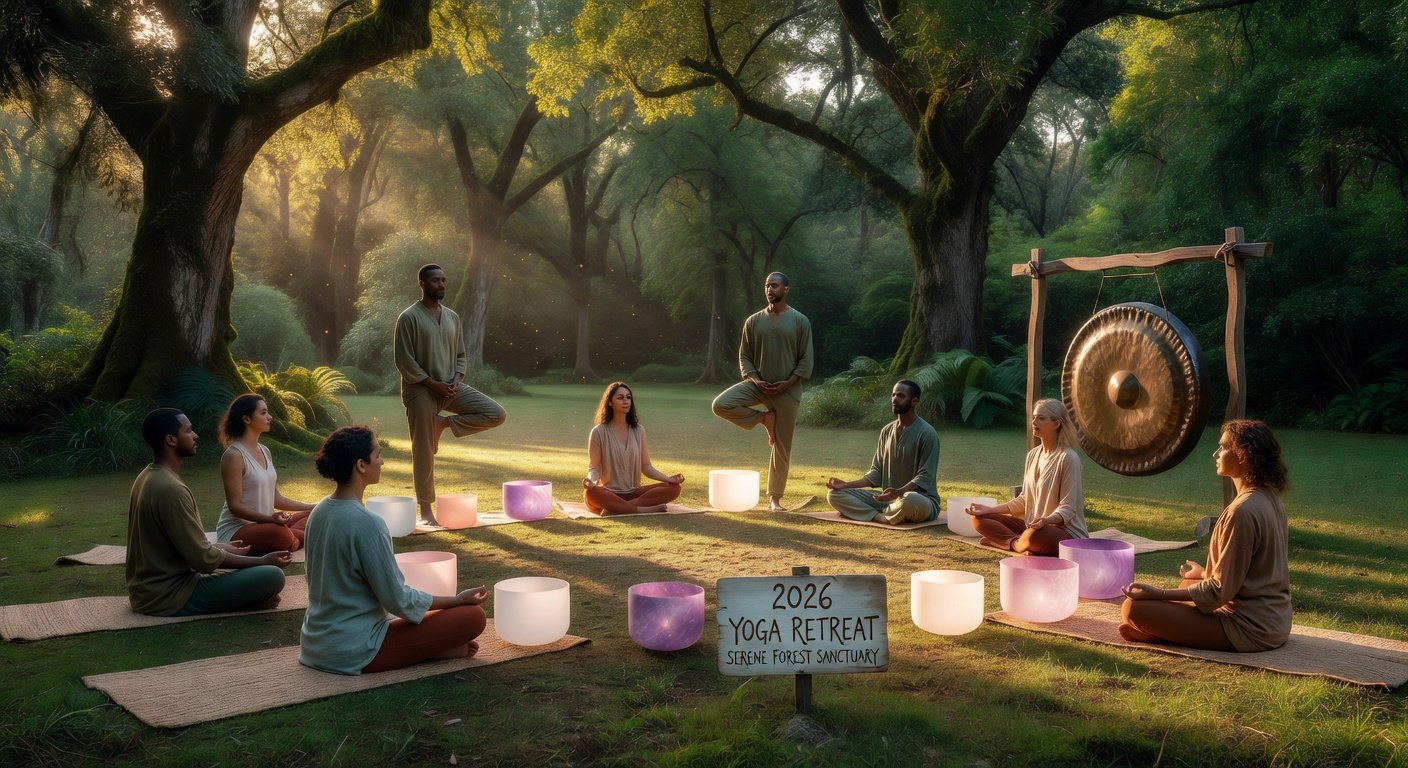
Sound healing yoga spiritual retreats represent a powerful fusion of vibrational medicine and traditional yoga practices designed to foster deep spiritual growth and physical renewal. These programs use instruments such as crystal singing bowls, Tibetan gongs, chimes, and vocal toning to create resonant frequencies that interact with the body’s energy centers while participants move through carefully sequenced asanas. In 2026, wellness travelers continue to seek these immersive experiences as a way to move beyond surface-level relaxation toward lasting transformation.
The core philosophy rests on the understanding that sound travels through water and tissue more efficiently than air, allowing vibrations to reach areas of stored tension that standard yoga alone may not fully address. Retreats typically span five to ten days in secluded natural environments, providing a structured container for participants to disconnect from daily distractions and reconnect with their inner selves. This combination has gained popularity because it addresses both the physical body through movement and the subtle energy body through frequency work.
Benefits of Blending Sound Healing with Yoga
Participants frequently report profound stress reduction as the primary outcome. Research from Mayo Clinic highlights how yoga decreases cortisol and improves emotional regulation; when enhanced by sound therapy, these effects intensify because vibrations induce theta brainwave states associated with deep meditation. Many attendees experience immediate muscle relaxation and mental clarity after just one combined session.
Chakra alignment emerges as another key benefit. Sound frequencies are believed to clear blockages in the seven main energy centers, supporting emotional release and heightened intuition. For example, lower-frequency gongs often target the root chakra to promote feelings of safety, while higher crystal bowls work on the crown chakra for spiritual connection. Additional advantages include better sleep patterns, reduced anxiety, and improved immune function through lowered inflammation markers.
Real-world examples show lasting changes: one participant noted sustained energy levels for months afterward, while others describe enhanced creativity and better interpersonal relationships. These outcomes arise because the dual practices create synergistic effects that rewire habitual stress responses over the course of the retreat.
Practical Comparison of Benefits
- Stress reduction: Faster onset with sound than yoga alone
- Emotional release: Sound amplifies insights gained during asana practice
- Physical flexibility: Yoga prepares the body to receive vibrations more deeply
- Spiritual depth: Combined modalities accelerate feelings of unity and presence
Key Elements to Evaluate in 2026 Retreats
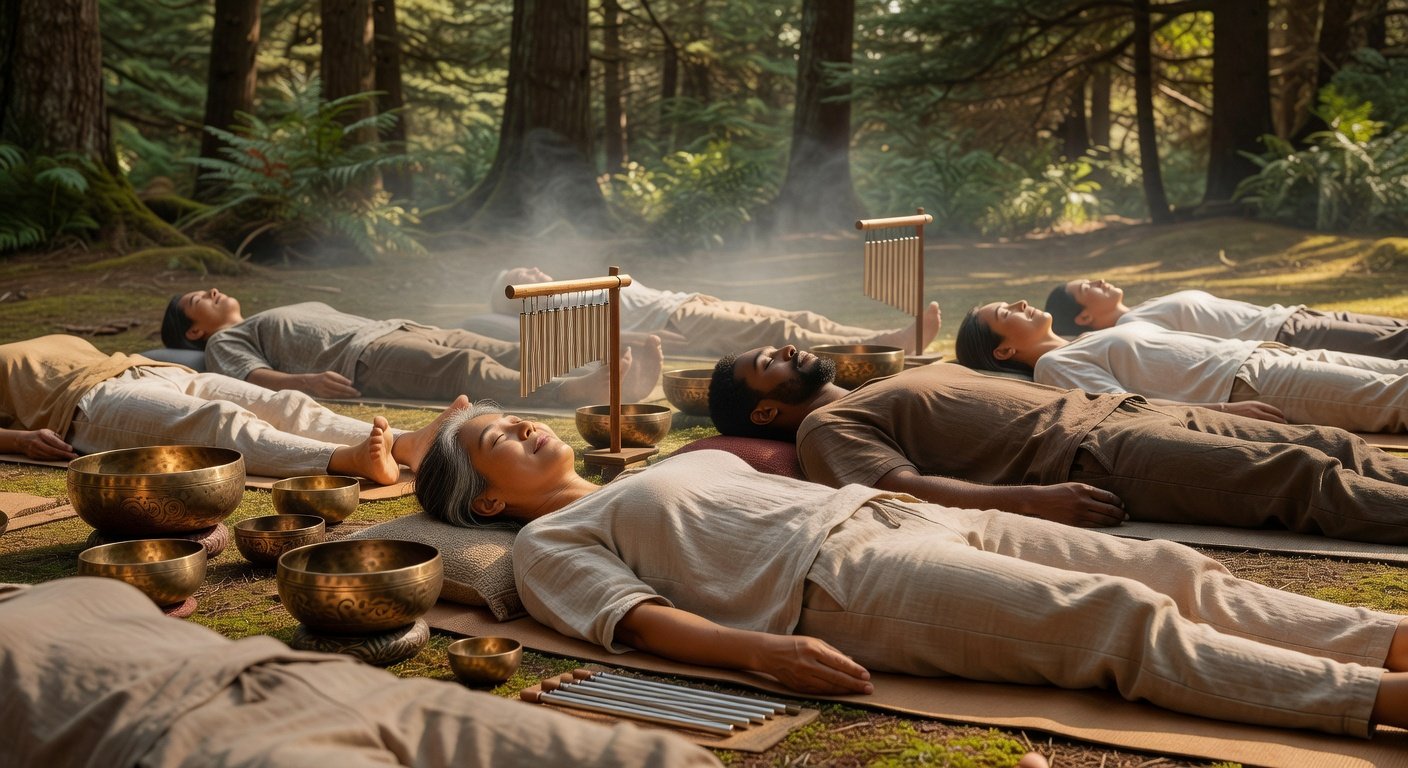
Selecting a high-quality program begins with verifying facilitator credentials. Certified instructors should hold qualifications in both yoga teaching and sound therapy modalities, such as those recognized by the Yoga Alliance or specialized sound healing associations. Without proper training, sessions risk being superficial or even overwhelming for sensitive participants.
The physical setting plays a crucial role in amplifying results. Ideal locations feature minimal noise pollution, access to nature trails for walking meditation, and eco-friendly accommodations that align with the retreat’s healing ethos. Mountain or coastal venues often provide the strongest grounding energy, while urban-adjacent sites may dilute the immersive quality.
Program structure requires close examination. Balanced schedules alternate dynamic vinyasa or hatha flows with extended sound baths, group sharing circles, and solo reflection time. Too much activity can prevent integration, while insufficient movement may leave physical tension unaddressed. Dietary provisions, group size limits, and optional one-on-one sessions also factor into the decision.
5-Step Selection Process for Your Ideal Retreat
- Clarify personal goals by journaling specific intentions such as releasing grief or cultivating inner peace, then match these to retreat themes advertised.
- Investigate facilitator backgrounds through websites, video interviews, and independent reviews, confirming both yoga and sound certifications.
- Evaluate the destination for accessibility, climate suitability, and environmental sustainability to ensure the setting supports rather than hinders the work.
- Analyze the daily itinerary for balance between active and receptive practices, ensuring adequate rest periods and meals aligned with holistic principles.
- Compare total inclusions including transportation options, materials provided, and post-retreat support resources to maximize value and continuity.
Real Attendee Case Studies from 2026 Offerings
Sarah, a 42-year-old marketing director, attended a Costa Rica retreat focused on heart chakra healing. After six days of morning yoga flows followed by afternoon gong sessions, she reported releasing long-held grief and returning to work with noticeably lower anxiety. Michael, a 35-year-old software engineer from the UK, chose a Bali oceanfront program emphasizing root chakra grounding. The combination of restorative poses and deep bass vibrations helped him overcome chronic insomnia that had persisted for years.
Another participant, Elena from Spain, joined a desert retreat in Arizona. She described the sound baths as unlocking creative blocks that had stalled her artistic career, leading to new projects completed within weeks of returning home. These stories illustrate how tailored environments and expert facilitation produce individualized yet consistently positive transformations.
Packing Essentials for Immersive Experiences
Thoughtful packing supports full participation without distractions. Bring multiple sets of comfortable, breathable yoga clothing plus a light jacket for cooler evenings. A dedicated journal allows capture of insights during integration periods, while an eye mask and earplugs deepen focus during sound baths. Natural-fiber blankets or shawls provide comfort during floor-based sessions, and a reusable water bottle encourages hydration essential for vibrational absorption. Avoid overpacking electronics to maintain the digital detox aspect central to most programs.
Common Mistakes to Avoid
Many first-time attendees underestimate the emotional intensity of combined practices and fail to schedule buffer days after the retreat for integration. Others select programs based solely on price or location without verifying facilitator expertise, leading to mismatched expectations. Over-scheduling activities upon return home can erase gains; instead, plan gentle re-entry with continued short daily practices.
FAQs on Post-Retreat Integration
How long do benefits typically last? Most participants maintain reduced stress levels for three to six months when they establish a home practice of ten minutes daily combining breath awareness and simple toning.
Should I continue sound healing after returning? Yes, investing in a personal singing bowl or using high-quality recordings helps sustain vibrational alignment achieved during the retreat.
What if intense emotions surface later? This is common and healthy; professional support from a therapist familiar with somatic practices can provide valuable guidance during the integration phase.
Are these retreats suitable for complete beginners? Many programs offer modifications and introductory explanations, making them accessible, though some prior yoga experience accelerates progress.
How do I explain the experience to skeptical family members? Focus on measurable outcomes such as improved sleep and reduced tension rather than esoteric concepts when sharing with others.
Conclusion
Sound healing yoga spiritual retreats deliver comprehensive transformation when thoughtfully selected and fully embraced. By understanding the benefits, evaluating key program elements, and following a clear selection process, participants in 2026 can achieve meaningful stress reduction, chakra alignment, and spiritual awakening. Thoughtful preparation and post-retreat integration practices ensure these gains translate into sustainable daily life improvements.

No comments yet. Be the first!