 Veda Tour
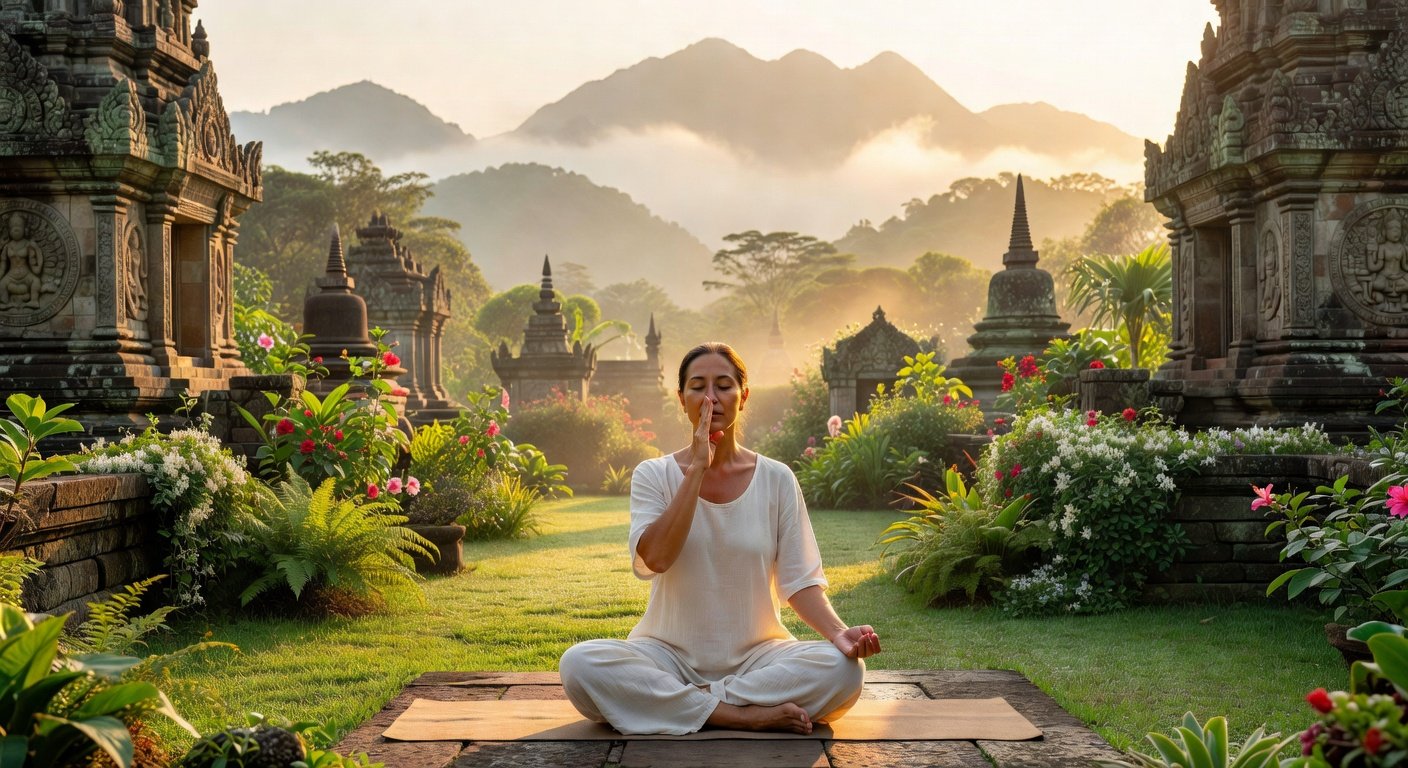
Introduction to Advanced Pranayama in Wellness Travel
Experienced yoga practitioners seeking to deepen their practice during wellness travel often turn to spiritual retreats in 2026. Advanced pranayama techniques offer powerful tools for enhancing mindfulness, balancing energy, and achieving profound states of awareness. Unlike basic breathing exercises, these methods integrate seamlessly into retreat schedules, amplifying the transformative potential of yoga tourism. Pranayama, the yogic art of breath control, serves as a bridge between the physical and subtle bodies. At spiritual retreats, participants use these practices to align with natural rhythms and foster inner harmony. As wellness travel grows, more enthusiasts are exploring how controlled breathing can unlock deeper layers of relaxation and vitality during immersive programs.
The demand for specialized breathwork has risen with the popularity of yoga-focused destinations. Advanced practitioners benefit from structured environments where guidance ensures safety while pushing personal boundaries. This article examines specific techniques, their applications, and practical ways to incorporate them into retreat life for maximum impact.
Key Advanced Techniques: Nadi Shodhana Variations
Nadi Shodhana, or alternate nostril breathing, purifies energy channels known as nadis. Advanced variations include extended ratios such as 1:4:2 and the addition of hand mudras like Vishnu mudra. Begin by sitting comfortably with a straight spine in a quiet space. Close the right nostril with the thumb and inhale through the left for a count of four. Retain the breath for sixteen counts while focusing on the central channel, then exhale through the right for eight counts. Switch sides and repeat the cycle for ten to fifteen rounds. These variations heighten focus and prepare the mind for extended meditation sessions common at retreats. Practitioners often notice improved concentration and reduced anxiety after consistent application over several days.
Another layer involves incorporating visualization of prana flowing through the spine during retention phases. This deepens the energetic alignment that complements the serene settings of mountain or coastal retreat centers.
Kapalabhati with Breath Retention
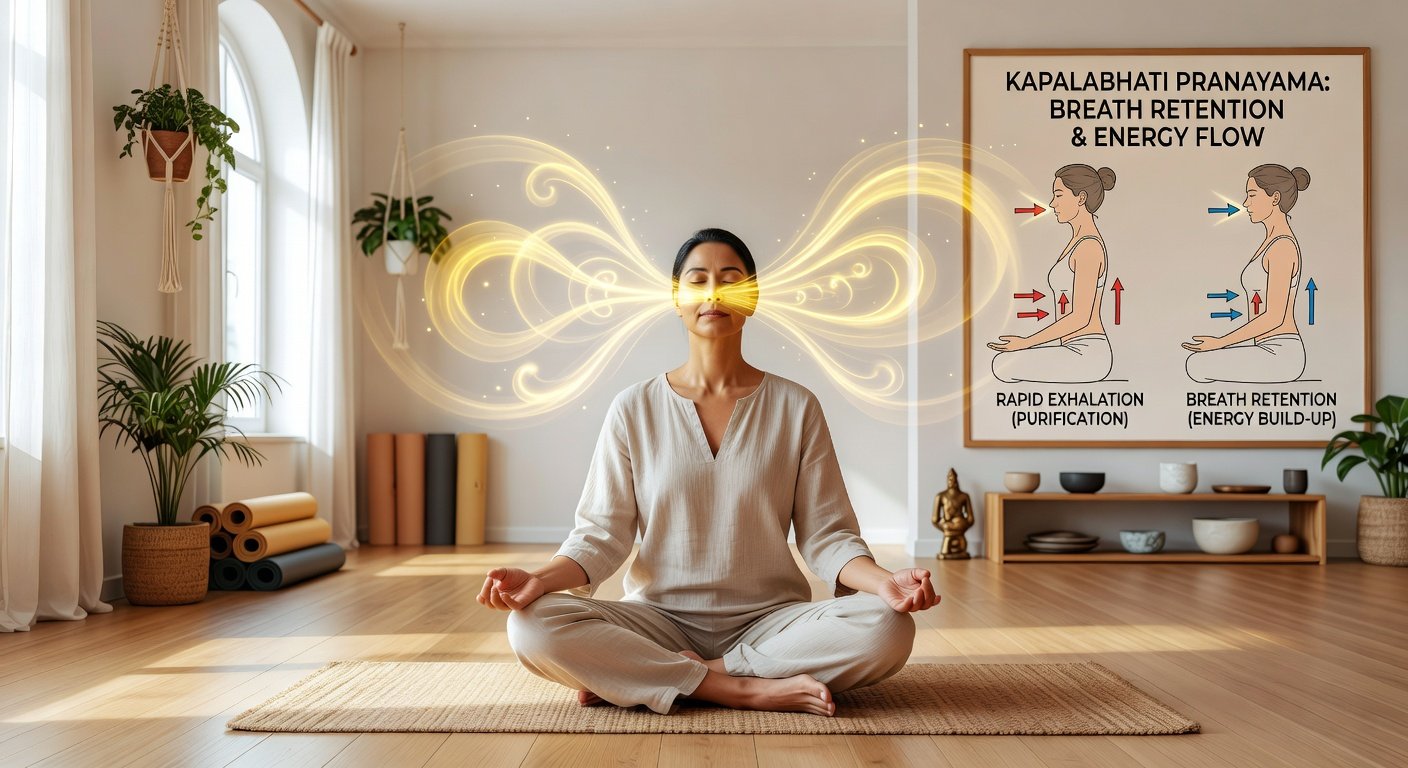
Kapalabhati involves rapid, forceful exhales followed by passive inhales to cleanse the respiratory system and energize the mind. For advanced practice, incorporate kumbhaka or breath retention after sets of strokes. Perform thirty rapid exhales through the nose, drawing the navel inward sharply each time, then hold the breath out for ten to twenty seconds before a slow, controlled inhale. This technique energizes the body and clears mental fog, making it ideal for morning sessions at wellness destinations. Over time, it strengthens the diaphragm and enhances lung capacity, providing tangible support for longer yoga flows during travel.
Many retreat guests combine this with bandhas, or energy locks, to intensify effects. Always warm up with gentler breaths beforehand to prevent strain.
Step-by-Step Instructions for Safe Practice
Safety remains paramount with advanced pranayama. Always practice on an empty stomach in a well-ventilated area. Start with shorter sessions of five minutes and gradually increase duration under supervision. Consult a qualified instructor at your retreat before attempting retention phases. Monitor for dizziness, lightheadedness, or chest tightness and stop immediately if discomfort arises. Hydrate well throughout the day and avoid forcing retention beyond comfortable limits. Women who are pregnant or individuals with high blood pressure should modify or skip certain elements entirely.
Track progress in a journal noting breath counts, sensations, and post-practice energy levels. This reflective habit supports personalization and safe progression over a multi-day retreat stay.
Integrating Pranayama into Daily Retreat Schedules
Many spiritual retreats structure days around dawn practices. Incorporate twenty minutes of Nadi Shodhana before sunrise meditation to set a calm yet alert tone. Follow with Kapalabhati after gentle asana flows to awaken the system for workshops. Evening wind-downs benefit from slower variations to promote restful sleep and process the day's experiences. This integration maximizes the retreat's holistic benefits and creates a rhythm that carries over into daily life post-travel.
Sample schedule: 6 AM breathwork, 7 AM asana, 9 AM mindful breakfast, afternoon integration walks, and 7 PM restorative session. Such frameworks allow advanced practitioners to layer techniques without overwhelming the body.
Comparing Benefits to Basic Breathing Methods
- Basic techniques primarily calm the nervous system through simple diaphragmatic breathing, while advanced methods actively balance ida and pingala nadis for deeper energetic alignment and heightened awareness.
- Research from the World Health Organization highlights mindfulness practices for stress reduction, with advanced pranayama extending these effects through precise breath ratios and retention that foster greater resilience.
- Energy levels, concentration, and emotional regulation improve more significantly with retention practices compared to simple methods, often leading to faster progress in meditation depth during retreats.
- Long-term users report sustained vitality and better sleep quality when alternating between basic and advanced approaches throughout a wellness journey.
Real-World Examples from Wellness Destinations
Retreats in Bali and India frequently feature these techniques in multi-week programs. Participants report heightened intuition and emotional release after consistent practice, such as clearer decision-making and reduced reactivity. For instance, a week-long program combining pranayama with silent walks in the Himalayas leads to measurable improvements in overall vitality and a stronger sense of connection to the environment. European centers in Portugal offer similar sessions focused on coastal settings, where breath retention practices enhance the sensory experience of nature immersion.
Guests often share testimonials about breakthroughs in personal growth when these methods are woven into group discussions and individual reflection periods.
Preparation Tips for Advanced Practitioners
Prepare by maintaining a consistent home practice for at least three months prior to travel. Pack supportive props like a meditation cushion, eye pillow, and journal. Familiarize yourself with retreat dietary guidelines to support clean energy channels and avoid heavy meals before sessions. Review any pre-arrival materials on breathwork etiquette and consider arriving a day early to acclimate to the altitude or climate.
Building foundational stamina through regular walks or light cardio beforehand ensures the body can handle extended breath holds without fatigue.
Potential Challenges and How to Overcome Them
Advanced practitioners may encounter plateaus, emotional releases, or temporary fatigue during intensive periods. Address these by journaling experiences daily and adjusting ratios gradually with instructor input. Overzealous retention can cause strain—prioritize quality over quantity and incorporate rest days. Environmental factors like humidity at tropical retreats may require shorter sessions initially. Community support groups at many centers provide shared strategies for navigating these hurdles effectively.
FAQ on Progression and Personalization
How do I progress safely? Advance ratios only after mastering basics for several weeks under guidance, increasing counts by one or two per week while monitoring body signals.
Can techniques be personalized? Yes, instructors tailor practices based on individual constitutions, health history, and goals at most retreats, often offering private adjustments.
What if I experience discomfort? Pause immediately, revert to gentler methods, and seek professional advice from on-site staff or medical professionals if symptoms persist.
How long before results appear? Many notice shifts in focus within three to five days of daily practice, with deeper energetic changes emerging after one to two weeks of consistent application.
Are there modifications for travel fatigue? Reduce intensity on arrival days and focus on restorative variations until acclimated to new time zones and environments.
Conclusion
Advanced pranayama enriches wellness travel by providing structured pathways to greater mindfulness and vitality. By mastering these techniques and integrating them thoughtfully at spiritual retreats, practitioners unlock lasting benefits that extend far beyond the journey itself.
No comments yet. Be the first!