 Veda Tour
Introduction to Ayurvedic Integration in Wellness Travel
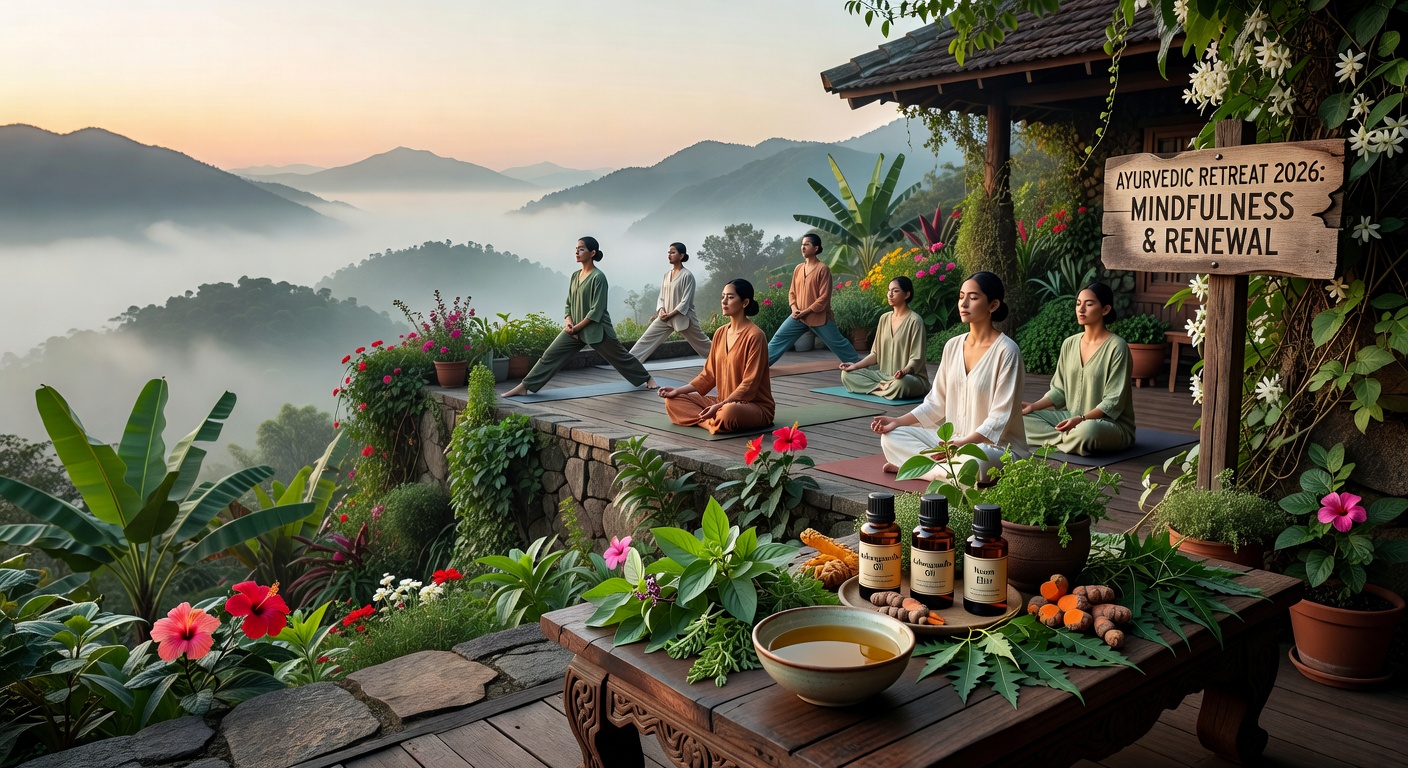
Wellness travelers in 2026 are increasingly seeking more than standard yoga sessions at spiritual retreats. Integrating Ayurvedic principles offers a pathway to personalized holistic healing that addresses mind, body, and spirit. This approach builds on yoga tourism by incorporating ancient Indian wisdom on balance and prevention, helping participants achieve lasting benefits long after their trip ends. Many modern retreats now recognize that combining these systems creates synergistic effects, where physical postures enhance energy flow while herbal therapies support internal balance.
Ayurveda, meaning the science of life, emphasizes individualized care based on unique constitutions. When combined with yoga at retreats, it transforms a typical getaway into a transformative wellness experience. Travelers report improved energy, better sleep, and emotional clarity through this synergy. In 2026, as wellness tourism continues evolving, this integration stands out for those wanting evidence-based yet traditional methods to address stress, digestion, and overall vitality.
Understanding Core Ayurvedic Concepts
At the heart of Ayurveda are the three doshas: Vata, Pitta, and Kapha. These biological energies govern physiological functions and respond differently to diet, lifestyle, and environment. Vata types often benefit from grounding practices such as slow, warming yoga flows and sesame oil massages, while Pitta individuals thrive with cooling therapies like coconut-based treatments and moon salutations. Kapha constitutions gain from stimulating routines including invigorating pranayama and lighter, spiced meals.
Daily routines, or dinacharya, form another pillar. These include oil pulling with sesame or coconut oil, tongue scraping to remove toxins, and timed meals aligned with natural digestive rhythms. At retreats, these practices complement asana sequences, creating harmony that standard yoga alone may not fully address. For instance, a morning routine might start with warm lemon water followed by targeted stretches to awaken the doshas gently.
Understanding these concepts helps travelers recognize imbalances early, such as dry skin indicating excess Vata or irritability signaling Pitta aggravation. Retreat programs often begin with educational workshops to build this foundational knowledge before diving into personalized applications.
Selecting Retreats with Authentic Ayurvedic Therapists
Choosing the right center requires research into credentials. Look for facilities employing certified Ayurvedic practitioners with years of clinical experience. Verify affiliations with recognized training institutions and read recent guest testimonials focused on personalization rather than generic spa services. Avoid retreats that offer Ayurveda as an add-on without dedicated therapists or proper diagnostic tools like pulse reading equipment.
Asia-based retreats in India, Sri Lanka, and Thailand often excel here due to proximity to traditional knowledge sources. Prioritize locations offering both group yoga and private Ayurvedic consultations to ensure authentic integration. Consider factors such as therapist-to-guest ratios, availability of fresh herbal preparations, and integration of seasonal adjustments based on local climates.
World Health Organization recognizes traditional medicine systems like Ayurveda for their role in global health strategies, underscoring the value of evidence-informed retreats that maintain high standards of practice.
Preparing for Personalized Consultations
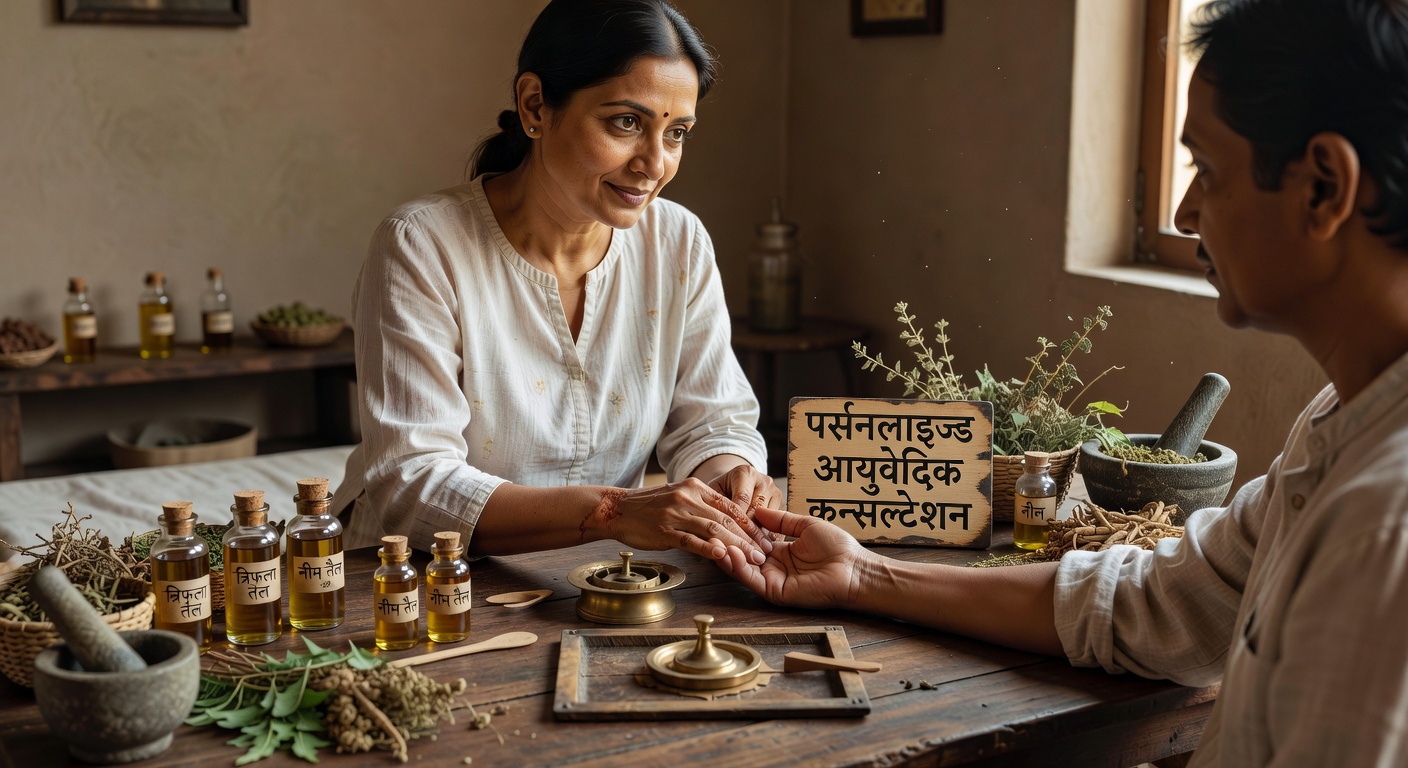
Before arrival, complete pre-retreat questionnaires detailing medical history, current habits, and wellness goals. This allows therapists to tailor recommendations accurately. During the session, expect pulse diagnosis, tongue examination, and discussion of dosha imbalances, often lasting 45 to 60 minutes.
Participants should approach these meetings with openness, noting any dietary restrictions or physical limitations. Follow-up adjustments often occur mid-stay based on observed responses to therapies. Bringing a list of questions about home implementation can maximize the value, turning the consultation into a long-term wellness blueprint rather than a one-time event.
Sample Daily Schedules Combining Asanas and Herbal Therapies
A typical integrated day begins at dawn with gentle pranayama and sun salutations tailored to dosha needs, such as warming sequences for Kapha types. Mid-morning might feature an Abhyanga massage using herbal oils selected for the individual's constitution, followed by a sattvic breakfast aligned with digestive fire principles.
Afternoons often include yoga nidra or restorative poses, then herbal steam treatments or panchakarma elements like nasya for sinus support. Evenings close with meditation and light dinners emphasizing digestive fire support through spices like ginger and cumin. Schedules adapt daily based on practitioner feedback, ensuring the program remains responsive rather than rigid.
This blending allows physical movement from yoga to prepare the body for deeper absorption of herbal therapies, amplifying detoxification and rejuvenation effects over the course of a week or longer stay.
Real-World Examples from Asia-Based Centers
Centers in Kerala, India, frequently blend traditional Ayurvedic villages with modern yoga shalas, allowing guests to experience marma therapy alongside vinyasa flows in settings surrounded by coconut groves. Sri Lankan retreats near tea estates incorporate local herbs into treatments while maintaining rigorous yoga programming that includes alignment-focused classes in open-air pavilions.
Thailand's wellness hubs combine Ayurvedic consultations with Thai yoga elements, creating cross-cultural depth through shared philosophies on energy channels. Guests commonly report sustained improvements in digestion and stress management after two-week programs that incorporate both group discussions and individual follow-ups.
These examples highlight how location influences the experience, with tropical climates enhancing herbal potency and providing natural settings that support mindful practices.
Comparisons of Integration Levels Across Retreat Types
Basic yoga retreats typically offer minimal Ayurveda, limited to optional lectures or generic massages without dosha-specific tailoring. Moderate integration includes daily dinacharya workshops and group dosha assessments alongside core asana classes, providing a solid introduction without overwhelming newcomers.
Full immersion options deliver superior outcomes for those targeting specific health concerns through personalized consultations, herbal protocols, and ongoing therapist oversight woven throughout the schedule. This level often incorporates progress tracking via daily check-ins, making it ideal for deeper transformation compared to lighter formats that may leave participants with only surface-level exposure.
Step-by-Step Packing and Mindset Guide
Pack loose cotton clothing suitable for layering during therapies, a journal for tracking insights, and any prescribed herbal supplements approved by your therapist. Include a reusable water bottle, comfortable walking shoes for grounding walks, and a meditation cushion if preferred over provided options.
Mindset preparation involves setting clear intentions around release and renewal rather than performance metrics. Practice daily self-reflection in the weeks prior to cultivate receptivity, perhaps through short breathing exercises. Upon return, maintain key routines like oil massage and early rising to extend benefits, adapting them to home environments for continued progress.
Post-Retreat Maintenance for Lasting Benefits
After leaving the retreat, continue core elements such as tongue scraping and herbal teas to sustain detoxification. Schedule virtual follow-ups with the retreat therapist if available, or seek local Ayurvedic practitioners for ongoing support. Monitor seasonal changes, adjusting diet and routines accordingly to prevent dosha imbalances from recurring.
Many participants find joining online communities or wellness apps focused on Ayurveda helps reinforce habits. Tracking progress in a journal for the first three months post-retreat reveals patterns and motivates adherence to the integrated lifestyle.
Concise FAQ on Common Concerns
How do dietary adjustments work? Retreats customize meals to pacify dominant doshas, often reducing heavy or processed foods while emphasizing fresh, seasonal produce and mindful eating practices that support agni, the digestive fire.
What about post-retreat maintenance? Continue dinacharya elements, schedule periodic consultations if possible, and monitor seasonal dosha shifts for ongoing balance through simple home adaptations.
Is prior Ayurveda knowledge required? No—beginner-friendly explanations are standard, with therapists guiding every step and providing take-home resources for continued learning.
Can yoga sessions be modified for different doshas? Yes, instructors adjust sequences, pace, and emphasis based on individual assessments to prevent strain and enhance therapeutic outcomes.
Conclusion
Integrating Ayurveda into 2026 spiritual retreats elevates wellness travel from temporary escape to profound, sustainable healing. By understanding doshas, preparing thoughtfully, and selecting authentic programs, travelers unlock deeper benefits that endure. Start planning now to align your next journey with these timeless principles for optimal mind-body harmony and long-term wellness gains.
No comments yet. Be the first!