 Veda Tour
Introduction to Shamanic Practices in Modern Yoga Retreats
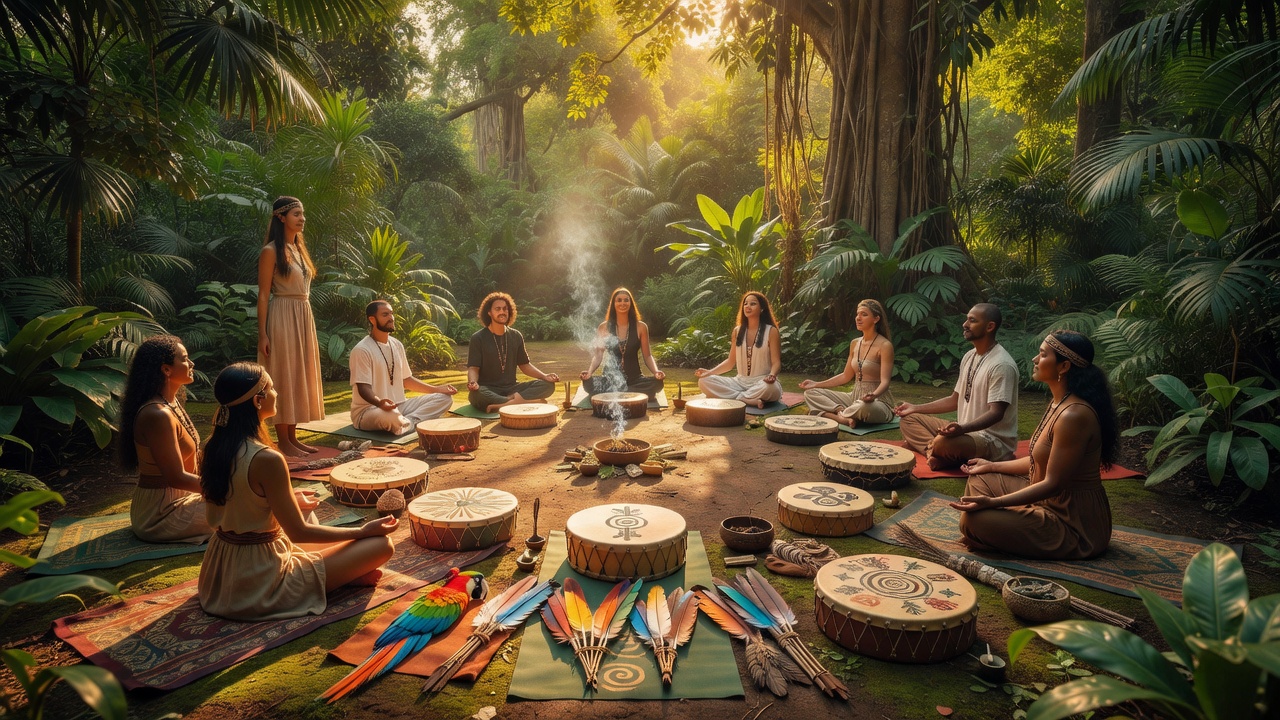
Shamanic practices are increasingly woven into spiritual retreats to create transformative yoga tourism experiences in 2026. These ancient techniques complement yoga by addressing emotional and energetic layers often untouched in standard sessions. Travelers seeking deeper wellness now combine asana practice with shamanic elements for holistic growth. The integration supports yoga tourism by offering non-traditional paths beyond physical postures. Participants report profound shifts in perspective and emotional release, making these retreats popular destinations worldwide. As wellness travel evolves, many seek experiences that blend movement, ritual, and introspection to foster lasting personal change rather than temporary relaxation.
In 2026, the demand for such hybrid programs continues to rise among those who have already explored basic yoga and now desire more profound tools for self-discovery. This guide examines the roots, methods, advantages, and practical considerations for anyone interested in shamanic-enhanced spiritual retreats.
History of Shamanism in Contemporary Spiritual Retreats
Shamanism traces back thousands of years across indigenous cultures, from Siberian traditions to Amazonian practices. In recent decades, it has entered wellness tourism as retreats blend these rituals with yoga. Modern adaptations respect core principles while fitting contemporary needs, evolving from isolated ceremonies to structured programs in global destinations. This evolution reflects growing interest in National Geographic documented cultural exchanges. Retreat centers now host certified practitioners who honor origins while ensuring accessibility.
Early adopters in the 1990s introduced sweat lodges and vision quests alongside yoga in places like Sedona and the Andes. By the 2010s, integration became more sophisticated with evidence-based approaches to emotional processing. Today, leading centers combine shamanic journeying with vinyasa sequences, creating experiences that address trauma, creativity blocks, and spiritual awakening simultaneously.
Core Shamanic Practices in Yoga Settings
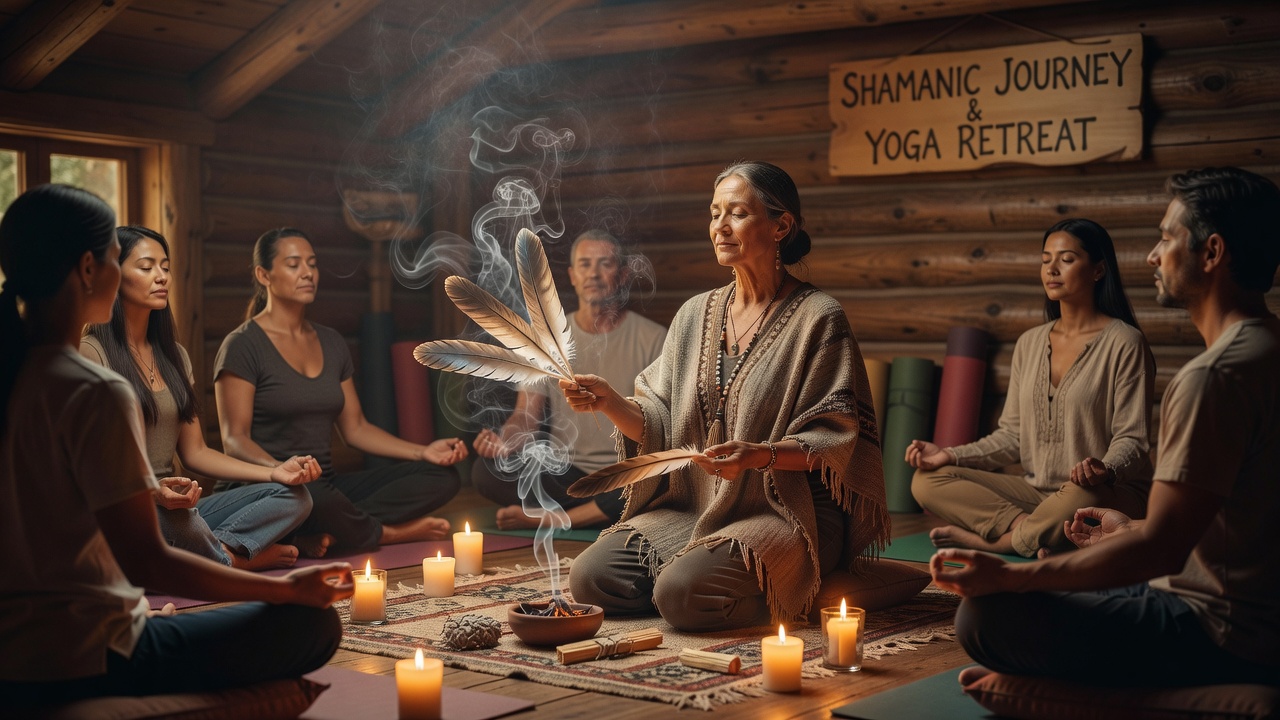
Guided journeys form a cornerstone, where facilitators lead participants through visualization to connect with inner wisdom. Energy work follows, using breath and intention to clear blockages alongside yoga flows. Other elements include sound healing with drums or rattles and plant medicine ceremonies in select ethical settings. These practices enhance yoga by fostering mind-body-spirit alignment.
Additional techniques often feature smudging with sacred herbs, animal spirit meditations, and ancestral honoring rituals performed at sunrise or under moonlight. Facilitators typically begin sessions with grounding exercises drawn from both yoga and shamanic lineages before transitioning into active journey work.
Practical Steps for Safe Participation
- Research facilitators' credentials and lineage before booking, verifying training with recognized indigenous elders or accredited schools.
- Start with introductory sessions to assess personal readiness and discuss any mental health history with the retreat team.
- Prepare physically through consistent yoga practice and mentally through daily meditation for at least four weeks prior.
- Follow integration protocols post-retreat, such as journaling, gentle movement, and scheduled follow-up calls with facilitators.
- Pack appropriate clothing, journals, and any prescribed medications while leaving behind expectations of quick fixes.
Measurable Benefits for Emotional Healing
Studies and participant feedback indicate reduced anxiety and improved emotional resilience after combined shamanic-yoga programs. Benefits often include clearer decision-making and stronger interpersonal connections, extending well beyond the retreat duration. Many attendees describe breakthroughs in processing grief or releasing long-held fears that traditional talk therapy alone could not reach.
Additional reported outcomes encompass heightened creativity, better sleep patterns, and a renewed sense of purpose. When practiced responsibly, these methods support nervous system regulation through rhythmic drumming and breathwork that complement yoga's stress-reducing effects.
Real-World Examples from Leading Destinations
Retreats in Peru's Sacred Valley and Bali's Ubud area exemplify successful integration. Centers there pair daily yoga with evening shamanic circles, attracting international visitors seeking authentic transformation. In Costa Rica, eco-lodges offer river-based ceremonies combined with jungle yoga, while Indian ashrams near Rishikesh incorporate Himalayan shamanic drumming traditions adapted for modern practitioners.
European examples include forest retreats in Portugal that merge Celtic shamanic elements with hatha yoga sequences. Each location emphasizes sustainability and community support, providing case studies of how cultural fusion can thrive when handled with respect and proper training.
Comparison: Shamanic-Enhanced vs Standard Wellness Formats
Standard wellness retreats focus primarily on fitness and relaxation. Shamanic versions add depth through ritual, often yielding faster emotional breakthroughs but requiring greater cultural respect and preparation. Participants in shamanic programs frequently report more intense inner work, whereas standard formats excel at physical recovery and basic mindfulness skills.
The choice depends on individual goals: those recovering from burnout may prefer gentler yoga-only settings, while individuals ready for shadow work often select shamanic-enhanced options for accelerated insight.
Cultural Sensitivity Tips
Always honor indigenous roots by choosing operators who support source communities. Avoid appropriation by learning basic protocols and supporting ethical tourism models, as highlighted in resources from Britannica. Additional guidance includes reading primary texts on shamanic traditions, compensating local knowledge holders fairly, and refraining from photographing sacred objects without explicit permission.
Mistakes to Avoid
Common pitfalls include rushing into intense ceremonies without adequate preparation or ignoring physical limitations during combined activities. Another error is treating shamanic elements as entertainment rather than serious spiritual technology, which can lead to superficial experiences or cultural disrespect. Always prioritize programs with transparent safety policies and post-retreat support structures.
Conclusion
Shamanic practices enrich yoga tourism in 2026 by offering pathways to profound personal evolution. With careful selection and respect, participants unlock lasting wellness gains that continue to influence daily life long after returning home.
FAQ
How should I prepare for a shamanic yoga retreat?
Begin with regular yoga and meditation. Consult healthcare providers and set clear intentions. Review dietary guidelines and consider a digital detox in the weeks leading up to arrival.
What happens during integration after the retreat?
Expect continued emotional processing. Use journaling, follow-up sessions, and gradual re-entry into daily life. Many centers provide integration workbooks and online community access for ongoing support.
Are these practices suitable for beginners?
Many retreats offer tiered options. Beginners benefit from foundational yoga experience first. Those new to shamanism should select introductory programs rather than advanced ceremonies.
How do I choose an ethical retreat center?
Look for transparent sourcing of facilitators, community benefit programs, and clear cancellation policies. Read recent participant testimonials and verify affiliations with recognized wellness organizations.
Can shamanic practices replace conventional therapy?
They serve as complementary tools rather than substitutes. Always maintain relationships with licensed mental health professionals when addressing clinical concerns.

No comments yet. Be the first!