 Veda Tour
Introduction to Nature Immersion in Spiritual Retreats
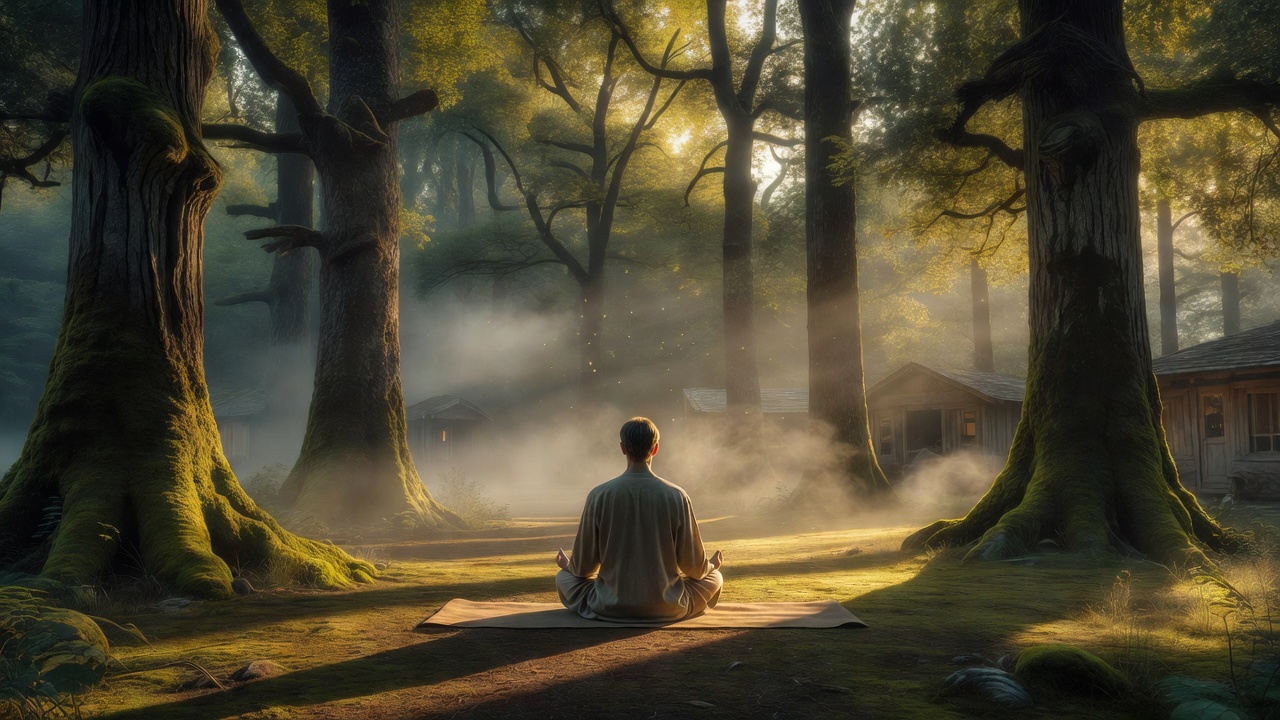
Wellness seekers exploring yoga tourism through nature-based spiritual retreats in 2026 are discovering powerful ways to deepen mindfulness and strengthen their connection to the environment. These immersive outdoor experiences move beyond conventional indoor sessions by blending ancient contemplative traditions with the restorative power of natural landscapes. Participants report reduced stress, improved emotional balance, and a renewed sense of purpose after spending time in forests, beside oceans, or among mountains. The growing interest in wellness travel reflects a broader desire to integrate sustainable living with personal growth, making 2026 an ideal year to plan such journeys. Nature immersion practices help bridge the gap between modern life and ancient wisdom, allowing travelers to experience yoga and meditation in settings that naturally amplify their effects.
Selecting Ideal Retreat Locations with Natural Elements
Choosing the right location forms the foundation of a successful nature immersion retreat. Seek destinations that feature dense forests for grounding and sensory engagement or coastal zones where ocean waves provide rhythmic support for meditation. Emerging eco-sites in Costa Rica, Portugal, and the Pacific Northwest of the United States stand out for their biodiversity and commitment to low-impact infrastructure. When researching options, verify that the site maintains protected green spaces and offers direct access to trails or shorelines. Factors such as seasonal weather patterns, elevation changes, and local wildlife also influence the depth of immersion possible. Many travelers cross-reference sustainability reports from established conservation groups to ensure their chosen retreat actively supports habitat preservation rather than merely marketing eco-friendly claims.
Locations offering a mix of forest, water, and open meadow environments provide the greatest variety for daily practices. For instance, retreats situated near volcanic regions or ancient woodlands allow participants to engage with unique geological and botanical features that enhance feelings of awe and presence. Always confirm that the facility follows Leave No Trace principles to protect the very environments that make the experience transformative.
Daily Practices Such as Forest Bathing and Sunrise Yoga
Structured daily routines anchor the retreat experience and maximize wellness outcomes. Forest bathing, known scientifically as shinrin-yoku, involves deliberate, slow-paced walks through wooded areas while engaging all five senses to lower cortisol levels and support immune response. Sunrise yoga performed on beaches or forest clearings aligns physical movement with natural light cycles, improving circadian rhythm regulation and mental clarity. Additional activities often include mindful hiking with periodic stillness practices, sound meditation using natural elements like flowing water or wind through trees, and evening gratitude rituals conducted under open skies.
These practices are typically scheduled to follow the sun’s movement, beginning at dawn and concluding at dusk to reinforce connection with the environment. Many retreats incorporate journaling prompts tied to specific natural observations, helping participants translate sensory experiences into lasting personal insights. Over the course of a week, these repeated exposures create cumulative benefits that extend well beyond the retreat itself.
Comparing Guided Versus Self-Led Immersion Approaches
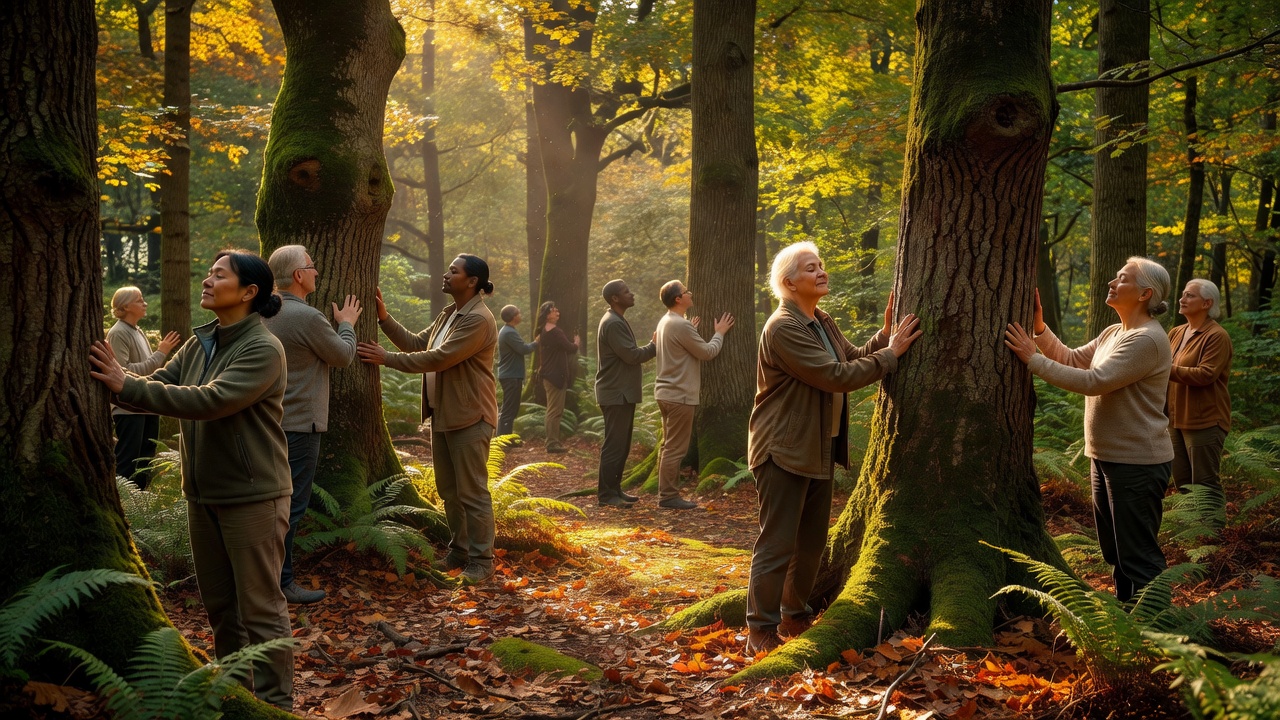
Guided immersion programs supply expert facilitation, curated schedules, and group accountability that benefit first-time participants or those seeking structured learning. Facilitators often share ecological knowledge and safety protocols while gently directing attention toward subtle natural phenomena. Self-led options, by contrast, grant experienced practitioners the freedom to design their own pacing and select preferred activities. Hybrid models popular in 2026 combine morning group sessions with afternoon independent exploration, allowing guests to transition gradually toward autonomy. This flexibility accommodates varying comfort levels with solitude and different physical capabilities.
Practical Steps for Preparation Including Packing Essentials and Setting Intentions
Thorough preparation ensures participants arrive ready to engage fully with nature immersion. Begin by clarifying personal intentions through reflective writing several weeks before departure. Identify specific wellness goals such as stress reduction, improved sleep, or deeper spiritual connection. Packing lists should prioritize versatile, weather-appropriate layers, moisture-wicking fabrics, supportive hiking footwear, a wide-brim hat, reusable water bottle, field journal, and basic first-aid supplies. Insect repellent and biodegradable sunscreen protect both the traveler and the surrounding ecosystem.
- Review local weather forecasts and pack rain gear even during dry seasons
- Practice short outdoor mindfulness sessions at home to build tolerance for extended exposure
- Arrange low-carbon transportation such as trains or shared shuttles when possible
- Establish digital boundaries by notifying contacts of limited connectivity
- Research local flora and fauna to enhance appreciation during guided walks
Additional steps include consulting healthcare providers about any pre-existing conditions that might affect outdoor activity and arranging post-retreat support such as follow-up virtual sessions with retreat facilitators.
Real-World Examples from Emerging Eco-Sites
Several pioneering locations illustrate effective nature immersion models. An eco-lodge in Costa Rica’s cloud forest integrates daily forest bathing with regenerative agriculture workshops, allowing guests to plant native species as part of their stay. In Portugal’s Alentejo region, oceanfront properties combine sunrise yoga with marine conservation activities such as beach clean-ups paired with reflective discussions. New Zealand retreats draw on indigenous Maori perspectives to frame nature connection as both spiritual practice and cultural education. These examples demonstrate how thoughtful programming transforms simple outdoor time into profound wellness travel experiences.
Benefits Supported by Authoritative Sources and Post-Retreat Integration
Scientific literature increasingly validates the health advantages of nature immersion. Time spent in natural settings correlates with lowered blood pressure, enhanced mood, and greater resilience to stress. Resources from World Health Organization highlight the mental health benefits of green spaces, while Mayo Clinic provides guidance on incorporating outdoor mindfulness into everyday routines. National Geographic regularly features stories on sustainable travel destinations that align with these practices.
To sustain benefits after returning home, establish micro-habits such as weekly park visits or brief balcony meditations. Many participants create personal nature altars or maintain digital-free mornings to replicate the retreat atmosphere. Consistent integration prevents the common post-travel dip in motivation and supports long-term wellness travel habits.
FAQs Addressing Weather, Accessibility, and Integration Concerns
How do retreats manage variable weather conditions? Experienced operators maintain flexible indoor-outdoor schedules and provide appropriate gear so that immersion continues safely regardless of rain or wind.
Are nature immersion retreats accessible for individuals with mobility limitations? Many sites offer adapted trails, seated yoga variations, and transportation assistance, though prospective guests should contact facilities directly to confirm specific accommodations.
What strategies support successful post-retreat integration? Daily five-minute outdoor breathing exercises, regular nature photography as a mindfulness anchor, and joining local eco-community groups help maintain the sense of connection developed during the retreat.
Additional concerns around dietary needs or solo travel are typically addressed through pre-arrival questionnaires and on-site support staff. By planning thoughtfully, wellness travelers can maximize both the immediate and enduring rewards of nature immersion in spiritual retreats throughout 2026 and beyond.
No comments yet. Be the first!