 Veda Tour

Introduction to Aftercare Choices in Medical Tourism
Patients traveling abroad for hair transplants and dental implants in 2026 often face a critical decision: follow conventional Western aftercare protocols or integrate Ayurvedic principles for potentially gentler, holistic support. This comparison helps optimize long-term results while reducing side effects, addressing common search queries about recovery in destinations like India and Turkey. Medical tourism continues to grow as individuals seek cost-effective, high-quality procedures combined with cultural wellness experiences. Understanding the nuances between traditional and Ayurvedic aftercare empowers patients to make informed choices that align with their health goals and lifestyle preferences.
Traditional aftercare emphasizes pharmaceuticals and structured monitoring, whereas Ayurvedic methods focus on balancing doshas through herbs, diet, and lifestyle. Many medical tourists now blend both approaches for comprehensive healing, recognizing that each system offers unique strengths. In 2026, clinics increasingly accommodate hybrid models, allowing seamless transitions between evidence-based medicine and time-tested natural remedies.
Understanding Traditional Western Aftercare
Standard protocols post-hair transplant or dental implant involve antibiotics, anti-inflammatory drugs, and regular follow-ups. Clinics in Turkey and India typically provide detailed schedules covering wound care, activity restrictions, and infection prevention. These methods draw from evidence-based medicine to ensure predictable outcomes. For hair transplants, patients receive instructions on sleeping positions, gentle shampooing, and avoiding direct sunlight for several weeks. Dental implant recipients focus on soft diets, oral rinses, and avoiding pressure on the surgical site during osseointegration.
Follow-up appointments often include imaging and assessments to monitor progress. This structured approach minimizes complications such as infection or graft rejection through precise medication timing and hygiene protocols. Western aftercare excels in acute phase management, providing rapid relief and measurable milestones that reassure patients during the vulnerable early recovery period.
Ayurvedic Approaches to Post-Procedure Healing
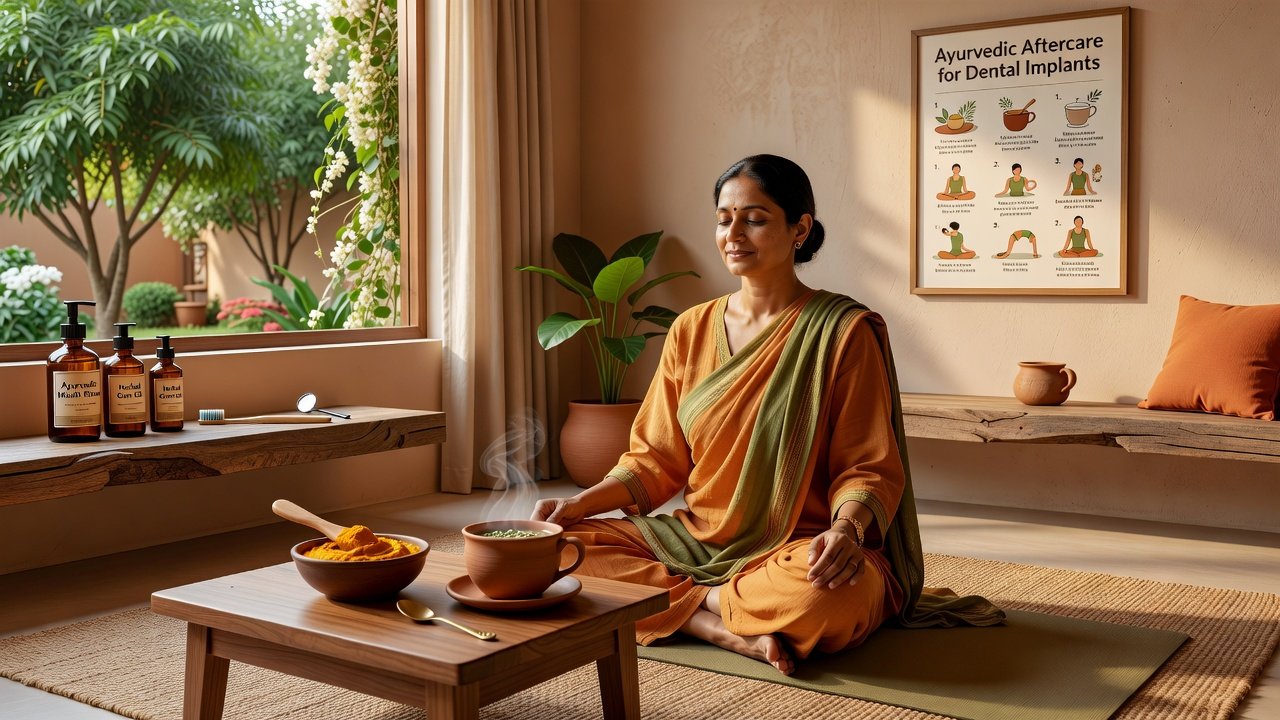
Ayurveda supports recovery by using natural elements like turmeric, ashwagandha, and triphala to reduce inflammation and promote tissue repair. Practitioners recommend oil massages, steam therapies, and personalized routines aligned with individual constitutions. This system views surgery as a disruption to bodily balance that herbs and routines can restore. Specific therapies such as nasya for sinus support or abhyanga for circulation help patients regain vitality faster after invasive procedures.
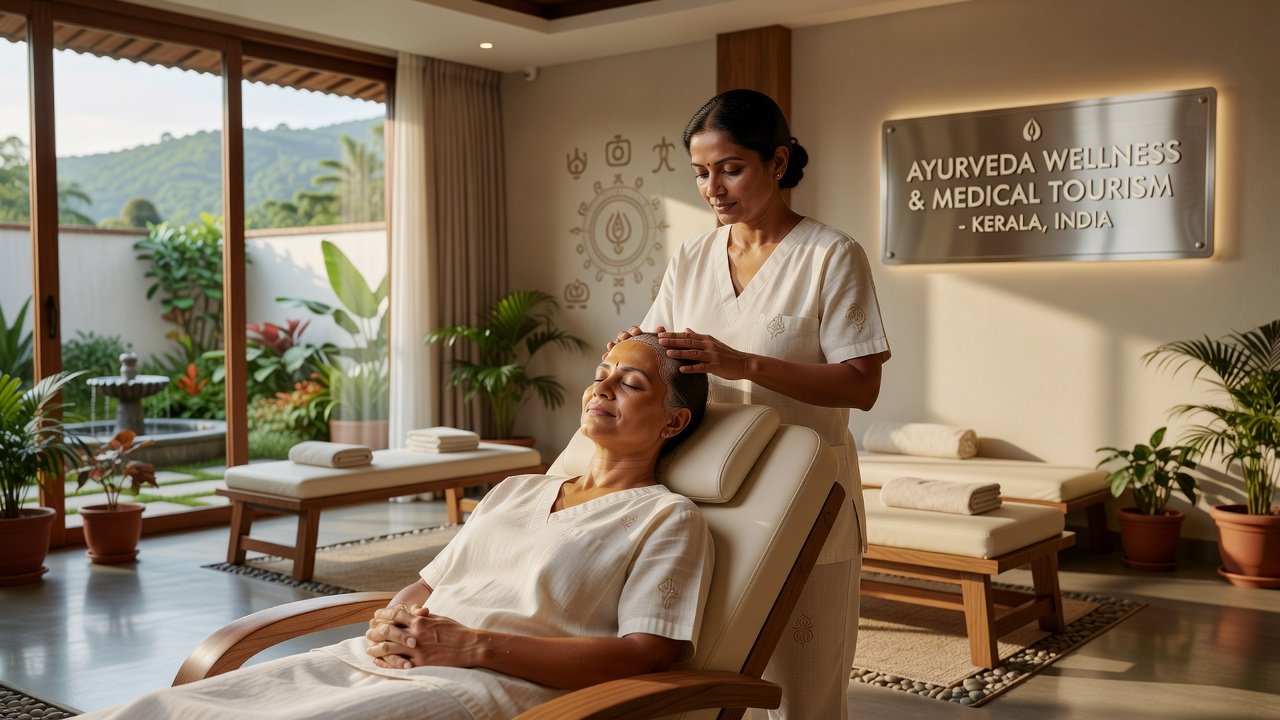
In destinations like Kerala or Rajasthan, Ayurvedic centers collaborate with surgical clinics to offer tailored packages. Patients learn self-care techniques including tongue scraping, oil pulling for oral health, and herbal decoctions that support immune function. The emphasis remains on prevention of imbalances rather than solely treating symptoms, leading to sustained wellness beyond the immediate recovery window.
Healing Timelines Comparison
Western aftercare often shows visible hair growth by month three and implant integration within six months. Ayurvedic integration may extend initial swelling phases but accelerates overall vitality through better nutrition. Patients report smoother long-term adaptation when combining timelines, with reduced scarring and improved energy levels. For hair procedures, traditional care focuses on graft survival rates in the first 14 days, while Ayurveda adds scalp nourishment routines starting week three to enhance follicle health.
Dental patients experience similar patterns: conventional methods prioritize bone healing markers at four to six weeks, whereas Ayurvedic diets rich in calcium-absorbing spices support faster mineralization. Real-world data from combined approaches indicate that patients achieve full aesthetic and functional results with fewer follow-up interventions.
Herbal Supplements Versus Pharmaceuticals
Pharmaceuticals deliver targeted action against infection and pain but carry risks like gastrointestinal upset. Ayurvedic herbs offer anti-inflammatory benefits with fewer side effects when sourced properly. Always consult providers before mixing to avoid interactions. Common Western options include amoxicillin and ibuprofen, while Ayurvedic alternatives feature neem for antimicrobial properties and brahmi for stress reduction during recovery. Clinical observations show that phased integration—using pharmaceuticals for the first 72 hours followed by herbal support—yields optimal results without compromising safety.
Pain Management Options
- Traditional: Prescription NSAIDs and opioids for acute phases, providing reliable relief within hours.
- Ayurvedic: Topical oils, meditation, and ginger-based teas for milder discomfort, promoting relaxation and reducing reliance on chemicals.
- Combined: Start with conventional relief then transition to herbs under guidance, monitoring for any sensitivities.
- Additional techniques: Breathing exercises and cold compresses adapted from both systems enhance comfort during the first week.
Dietary Recommendations
Western plans stress protein-rich meals and hydration. Ayurvedic diets incorporate cooling foods like cucumber and coconut while avoiding spicy items. Both emphasize avoiding alcohol and smoking for optimal graft or implant success. Sample daily plans might include bone broth soups with added turmeric for Western-Ayurvedic fusion, or millet porridge with almonds for sustained energy. Patients benefit from tracking how different foods affect swelling and energy, adjusting based on personal response.
Pros and Cons Table
| Aspect | Traditional Pros | Traditional Cons | Ayurvedic Pros | Ayurvedic Cons |
|---|---|---|---|---|
| Healing Speed | Fast initial control | May overlook holistic factors | Supports overall wellness | Slower visible changes initially |
| Side Effects | Well-studied protocols | Drug-related issues possible | Natural and gentle | Variable herb quality |
| Long-term Results | Strong clinical data | Higher cost for medications | Improved immunity | Requires lifestyle commitment |
Real Patient Examples from India and Turkey
A patient in Istanbul combined antibiotics with Ayurvedic turmeric milk after a dental implant, noting reduced swelling by day five and faster return to normal eating. In Delhi, a hair transplant recipient used Western pain meds initially then shifted to Ayurvedic scalp oils, achieving fuller density at nine months with minimal scarring. Another case from Mumbai involved a combined approach for both procedures, where the patient maintained a dosha-specific diet and reported 30 percent less downtime than expected. Turkish clinics often provide translated Ayurvedic guides for international patients, enhancing accessibility.
Step-by-Step Decision Framework
- Assess your dosha type via an Ayurvedic consultation before travel.
- Review clinic policies on integrated care and request hybrid recovery plans.
- Start with Western protocols for the first 72 hours post-procedure.
- Introduce herbs gradually after medical clearance, beginning with mild options.
- Track progress with weekly photos and symptom logs for objective evaluation.
- Schedule follow-up with both specialists to adjust as needed.
- Prepare contingency plans for any adverse reactions during the journey home.
Combining Both Methods Safely in 2026
Coordinate through your clinic to ensure compatibility. Resources like the World Health Organization highlight safe integration of traditional and complementary medicine. Monitor for allergies and maintain open communication with providers. Additional guidance from Mayo Clinic underscores the value of personalized plans. In 2026, digital apps help track herbal intake alongside prescriptions, reducing risks. Patients should verify herb authenticity through certified suppliers and disclose all supplements during consultations.
Long-term Maintenance and Lifestyle Integration
Beyond initial recovery, sustaining results involves ongoing habits. Traditional care may recommend periodic check-ups, while Ayurveda promotes seasonal routines like panchakarma detox. Combining both fosters resilience against future issues, such as stress-related hair loss or gum inflammation. Many patients continue select Ayurvedic practices years later for overall health benefits.
FAQ
Can I safely mix Ayurvedic herbs with antibiotics?
Yes, under professional supervision to prevent interactions and ensure efficacy.
How long until full results appear with combined care?
Expect 6-12 months depending on procedure and adherence to the plan.
Are Ayurvedic options available in Turkish clinics?
Many partner with local wellness centers for integrated packages tailored to tourists.
What if side effects occur?
Revert to conventional care immediately and consult your surgeon for adjustments.
Is Ayurvedic aftercare suitable for all patients?
Individual assessment is essential, especially for those with allergies or chronic conditions.
Conclusion
Choosing between traditional and Ayurvedic aftercare ultimately depends on personal health goals. Blending both in 2026 offers patients the best of evidence-based reliability and natural support for superior hair and dental tourism outcomes. Consult qualified experts to tailor your recovery plan and enjoy lasting benefits from your medical journey.

No comments yet. Be the first!