 Veda Tour

Introduction to Ayurvedic Support for Post-Procedure Recovery
Patients exploring medical tourism for hair transplants and dental implants often seek natural methods to enhance healing and reduce visible scarring. Ayurveda, the ancient Indian system of holistic medicine, offers evidence-informed approaches that complement modern surgical techniques. In 2026, integrative recovery protocols combining Ayurveda with conventional aftercare are gaining traction among travelers to destinations like India and Turkey. These methods focus on balancing the body's doshas while promoting tissue regeneration through time-tested herbal applications.
Scarring occurs when the body forms fibrous tissue during wound repair. Ayurvedic principles emphasize reducing inflammation at the source, nourishing skin and hair follicles, and accelerating epithelialization. This comprehensive guide details specific remedies, step-by-step applications, comparisons to standard care, expanded patient examples, and decision-making tips for safe integration abroad. By understanding both the science and tradition, patients can achieve smoother, less noticeable results.
Understanding Scarring in Hair Transplants and Dental Implants
Hair transplant procedures, such as follicular unit extraction (FUE), create small donor-site wounds that can leave linear or dot-like scars depending on extraction density and individual healing responses. Patients with thicker skin or a history of keloids face higher risks of raised scarring. Dental implants involve gum incisions and bone integration, sometimes resulting in visible gum-line scarring or uneven texture around the implant site. Factors like skin type, surgical precision, sun exposure, and post-op care heavily influence final outcomes.
Standard aftercare typically includes antibiotic ointments, silicone sheets, and strict sun avoidance. Ayurveda adds layers of herbal support that target underlying inflammation while supporting collagen balance. Many medical tourists combine both approaches for enhanced recovery without replacing prescribed protocols.
Key Ayurvedic Remedies for Scar Reduction
Two primary methods stand out: herbal pastes and therapeutic oil massages. These leverage ingredients like turmeric, neem, sandalwood, and sesame oil known for their wound-healing and anti-inflammatory properties supported by traditional use and emerging studies.
Herbal Pastes: Step-by-Step Application for Hair Transplant Scars
- Prepare a fresh paste using equal parts organic turmeric powder, sandalwood powder, and rose water or plain yogurt to form a smooth, spreadable consistency; avoid commercial mixes with additives.
- Clean the affected donor area gently with lukewarm water and a mild, fragrance-free cleanser recommended by your surgeon.
- Apply a thin, even layer directly to scars twice daily, preferably morning and evening, leaving it on for 15-25 minutes before rinsing with cool water.
- Pat dry and follow with a light moisturizer; repeat consistently for 4-8 weeks while tracking progress with photos.
- For sensitive scalps, test on a small area first and reduce turmeric concentration if redness occurs.
Patients commonly report smoother texture, reduced redness, and lighter scar color within three to four weeks when paired with hydration and rest.
Herbal Pastes for Dental Implant Gum Scarring
Adapt the same base paste but use a diluted version with more rose water for oral safety. Apply carefully around the gum line once daily after brushing, avoiding direct contact with the implant itself. Rinse thoroughly and consult your dentist before use.
Oil Massages for Tissue Regeneration
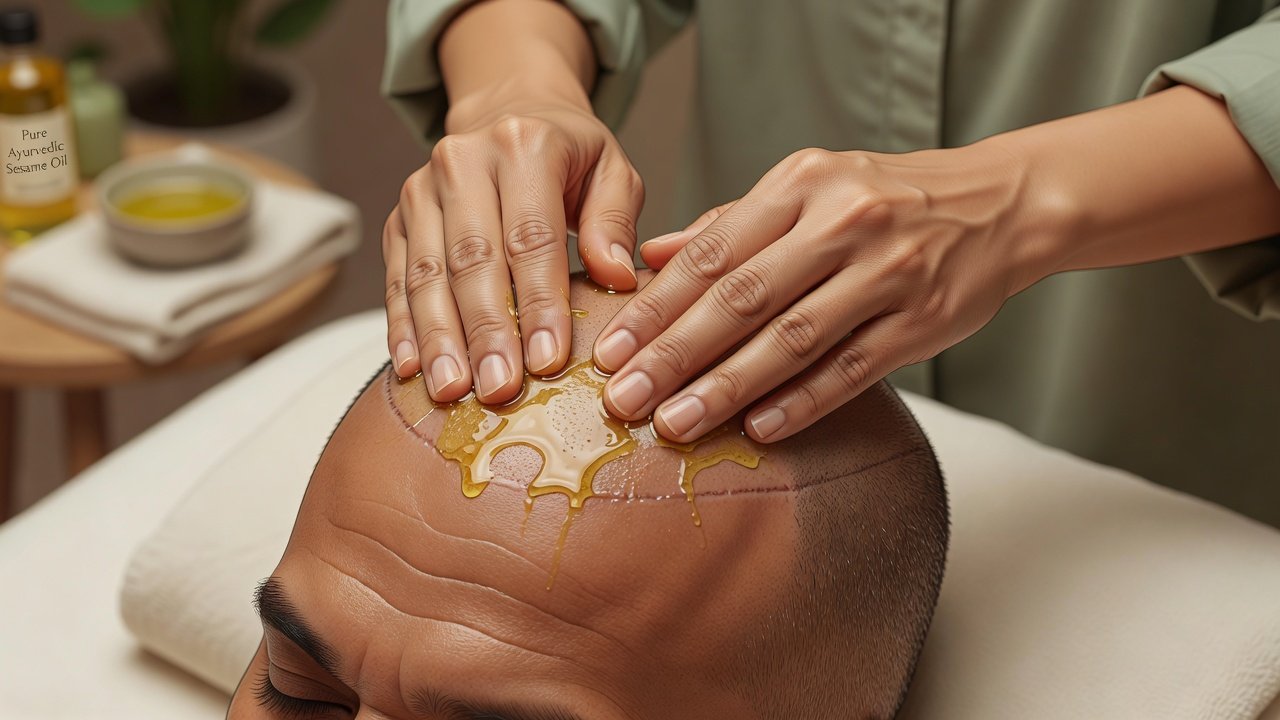
Warm organic sesame oil or coconut oil infused with gotu kola or brahmi supports collagen remodeling and improves circulation. Warm two tablespoons of oil, massage in gentle circular motions for 8-12 minutes daily, focusing on scar edges and surrounding tissue. This prevents keloid formation and promotes elasticity. For dental areas, use a cotton swab with diluted oil around the cheeks externally.
Comparing Ayurvedic Methods with Conventional Aftercare
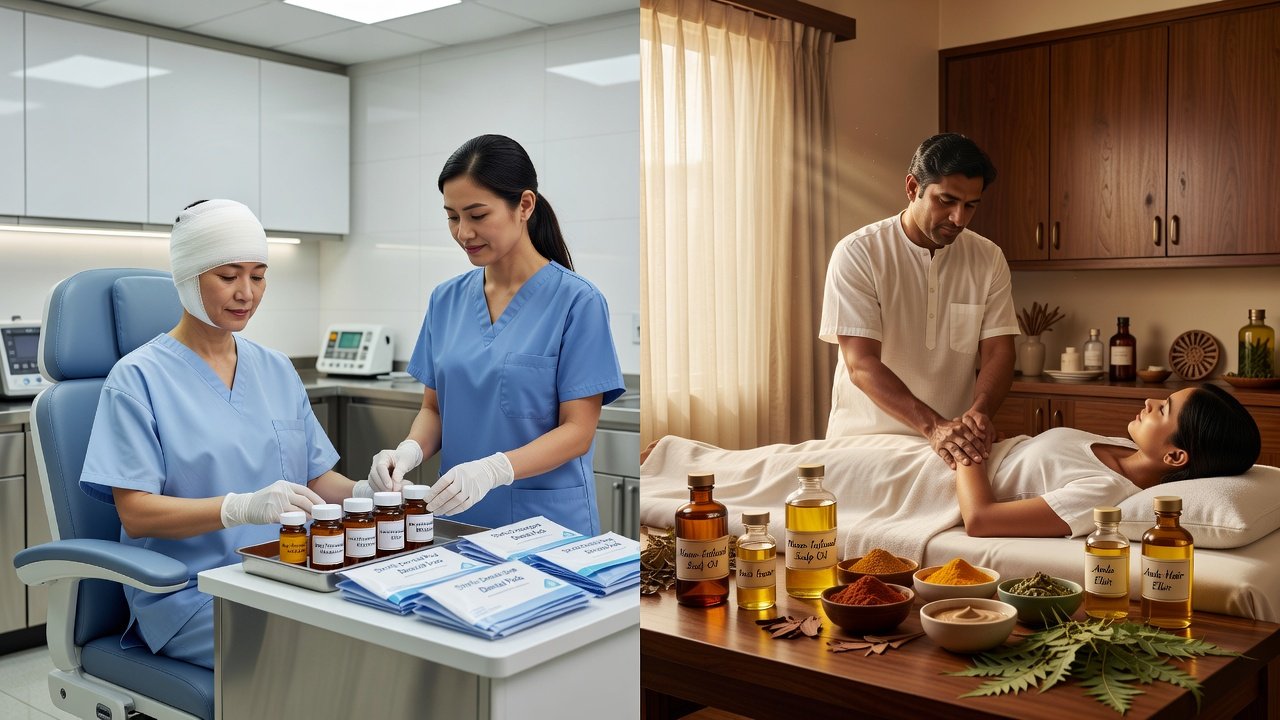
Conventional protocols emphasize pharmaceuticals for infection prevention and silicone-based products for flattening scars. Ayurvedic options provide complementary anti-inflammatory benefits through natural compounds that do not typically interfere with prescribed medications. Integrative centers report faster epithelialization and improved patient comfort when both systems are coordinated. Key differences include Ayurveda's focus on internal balance via diet alongside topical care, versus purely external conventional methods. Always obtain surgeon approval before adding herbs.
Real-World Patient Experiences in Medical Tourism Destinations
Travelers to clinics in Jaipur, Istanbul, and Mumbai have shared detailed positive outcomes. One patient from the UK noted visibly reduced donor-area scarring after consistent neem-turmeric pastes following an FUE procedure in late 2025. A second traveler undergoing multiple dental implants in Mumbai reported minimal gum-line visibility thanks to daily oil routines and clinic-guided timing. A third example from a Turkish clinic involved a patient who combined gotu kola massage with standard aftercare, achieving smoother hairline texture within six weeks. These cases highlight the value of personalized timing and professional oversight during recovery abroad.
Evidence-Based Outcomes and 2026 Trends
Emerging integrative research supports Ayurveda's role in reducing hypertrophic scarring through anti-inflammatory and antioxidant pathways. In 2026, medical tourism providers increasingly offer bundled recovery packages that include Ayurvedic consultations. Patients combining these approaches often experience improved scar pliability and color matching compared to standard care alone, with outcomes tracked over three to six months.
FAQs on Safety and Combining Treatments Abroad
- Is it safe to use Ayurvedic remedies after surgery abroad? Yes, when sourced from reputable suppliers and pre-approved by your medical team; always begin with a 24-hour patch test.
- How soon after a transplant can I begin topical applications? Typically 7-10 days once incisions have closed and your surgeon confirms readiness.
- Do these methods work with dental implants? Yes, but use diluted, food-grade formulations and avoid ingestion risks near the oral cavity.
- Can I travel with herbal pastes and oils? Pack in checked luggage following airline liquid rules and declare any unusual ingredients if required.
- What if I notice irritation or delayed healing? Stop use immediately, contact your clinic, and revert to standard care until resolved.
Mistakes to Avoid During Integrative Recovery
- Skipping the patch test and applying strong pastes directly to fresh scars.
- Using non-organic or contaminated herbs purchased from unverified local markets.
- Combining remedies with unapproved products that could cause interactions.
- Ignoring follow-up appointments or failing to inform overseas clinics about Ayurvedic use.
- Expecting overnight results instead of committing to consistent 4-8 week protocols.
Tips for Selecting Supportive Clinics in 2026
Choose facilities offering holistic aftercare packages that accommodate traditional remedies. Verify surgeon credentials through recognized international boards and inquire about established partnerships with Ayurvedic practitioners. Request transparent recovery timelines, written integration guidelines, and telemedicine follow-up options. Resources such as Mayo Clinic provide reliable wound-care guidelines, while World Health Organization offers global standards on traditional medicine integration. Additional reference material is available at National Institutes of Health.
Conclusion
Ayurveda provides practical, natural tools to minimize scarring when thoughtfully combined with surgical aftercare. Patients engaging in medical tourism benefit from personalized plans that honor both modern science and time-tested wisdom, leading to optimal aesthetic and functional results across hair transplant and dental implant journeys.

No comments yet. Be the first!