 Veda Tour
Introduction
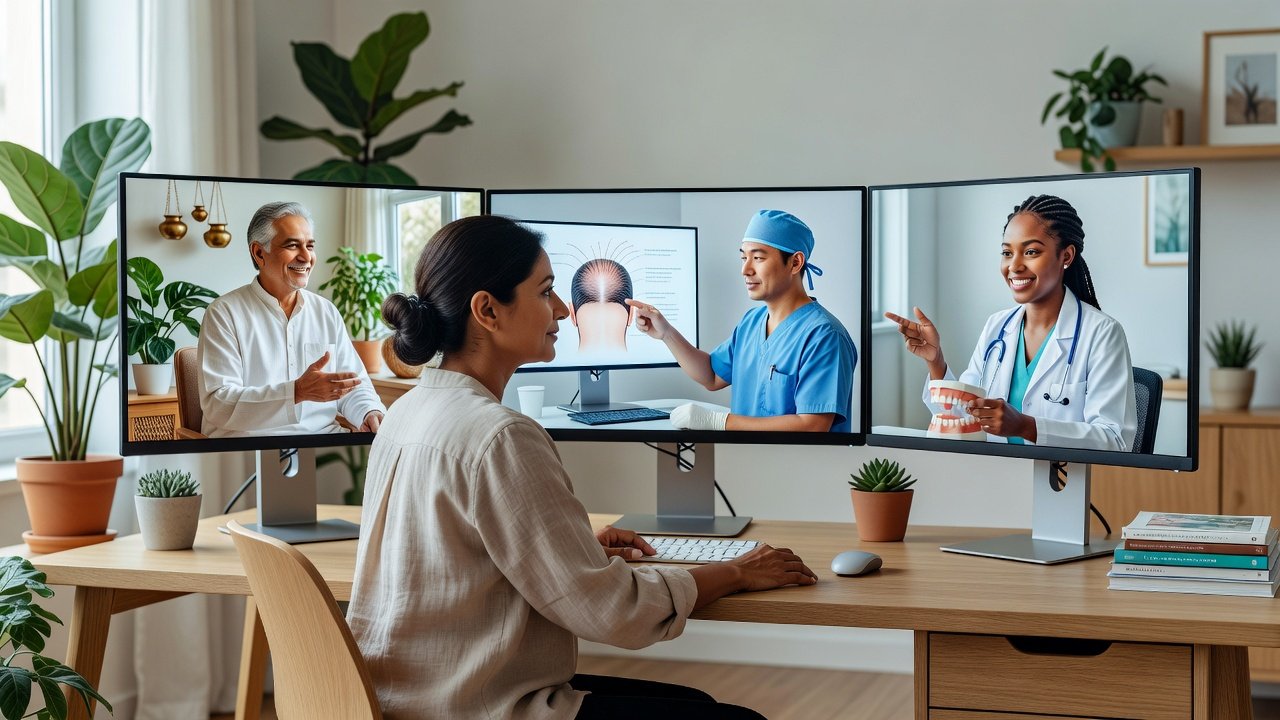
Medical tourism in 2026 increasingly blends traditional Ayurveda with modern procedures like hair transplants and dental implants. Telemedicine enables patients to assess suitability, consult specialists remotely, and minimize risks before travel. This approach saves time and supports informed decisions for holistic wellness journeys. As global travel for health purposes grows, virtual tools have become essential for coordinating complex treatments that combine ancient healing practices with advanced surgical interventions. Patients no longer need to arrive unprepared; instead, they can complete initial evaluations from the comfort of home while building trust with international providers.
Understanding Telemedicine in Medical Tourism 2026
Telemedicine platforms connect patients with international specialists for pre-travel evaluations. They facilitate discussions on treatment compatibility, especially when integrating Ayurvedic therapies with surgical interventions. Virtual tools help align expectations and prepare personalized care plans. In 2026, advancements in video technology and AI-assisted diagnostics allow for more accurate remote assessments of hair density, dental bone structure, and overall health markers. This integration reduces the likelihood of complications and ensures that Ayurvedic elements such as herbal supplements or dietary adjustments are tailored to support post-procedure recovery.
Selecting the Right Telemedicine Platforms
Choose platforms with strong encryption, multilingual support, and integration for multiple specialties. Look for services offering video consultations, file uploads, and follow-up scheduling. Reputable options include those compliant with global health standards from organizations like the World Health Organization. Consider these key factors when evaluating platforms: user reviews from previous medical tourists, availability of specialists in both Ayurveda and surgical fields, ease of scheduling across time zones, and the ability to store records securely for ongoing access. Many platforms now feature integrated translation services and mobile apps that allow real-time messaging with care teams.
Preparing for Virtual Assessments with Specialists
Schedule separate sessions with hair restoration experts, dental implant professionals, and Ayurvedic practitioners. Prepare questions about procedure timelines, recovery integration with Ayurveda, and potential contraindications. Share lifestyle details to ensure treatments complement each other effectively. Practical steps include gathering recent lab results, photographing current hair and dental conditions under consistent lighting, and noting any allergies or past reactions to medications. During consultations, discuss how Ayurvedic oil massages or Panchakarma might be scheduled around surgical downtime to promote faster healing.
Integrating Ayurvedic Consultations Remotely
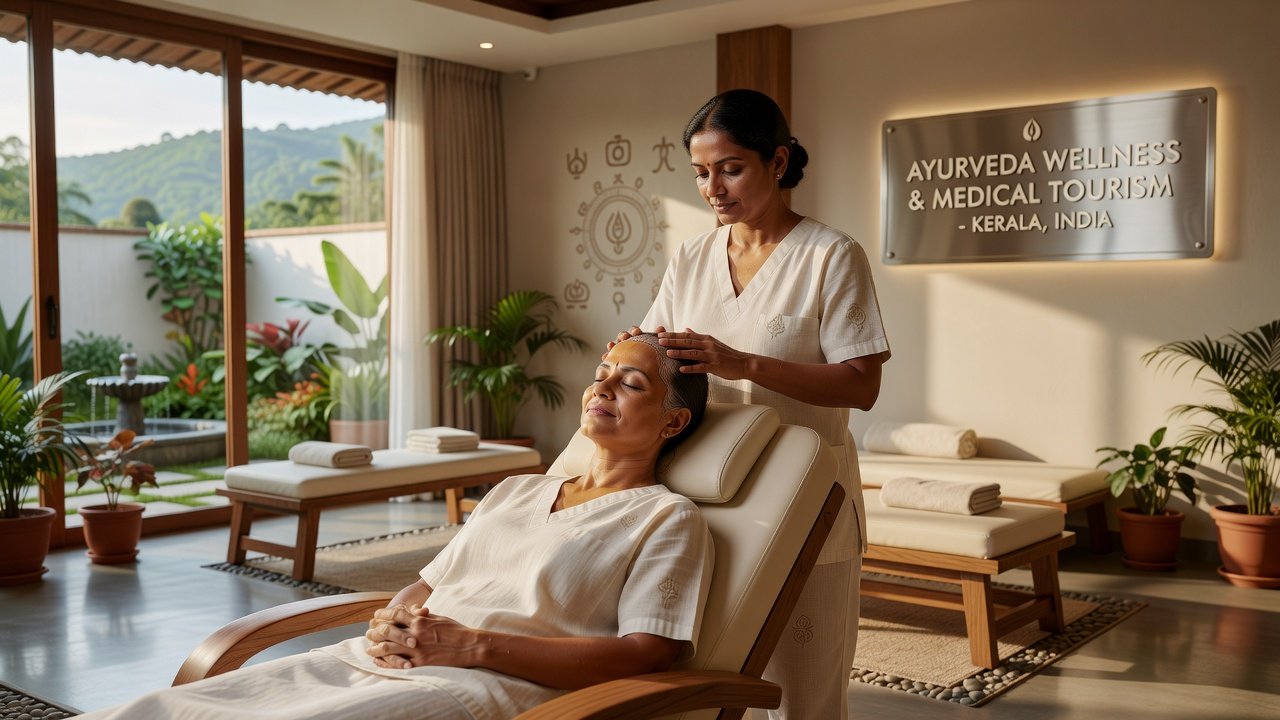
Remote Ayurvedic assessments focus on dosha balance, herbal recommendations, and pre-procedure detox plans. Specialists review photos or descriptions of hair and dental concerns to suggest supportive therapies. This step enhances overall outcomes when combined with surgical tourism. For example, a practitioner might recommend specific herbs to strengthen gums before implants or scalp oils to improve follicle health ahead of transplantation. Virtual sessions often include guided breathing exercises or dietary advice that patients can begin implementing immediately to optimize their body for travel and procedures.
Securely Sharing Medical Records
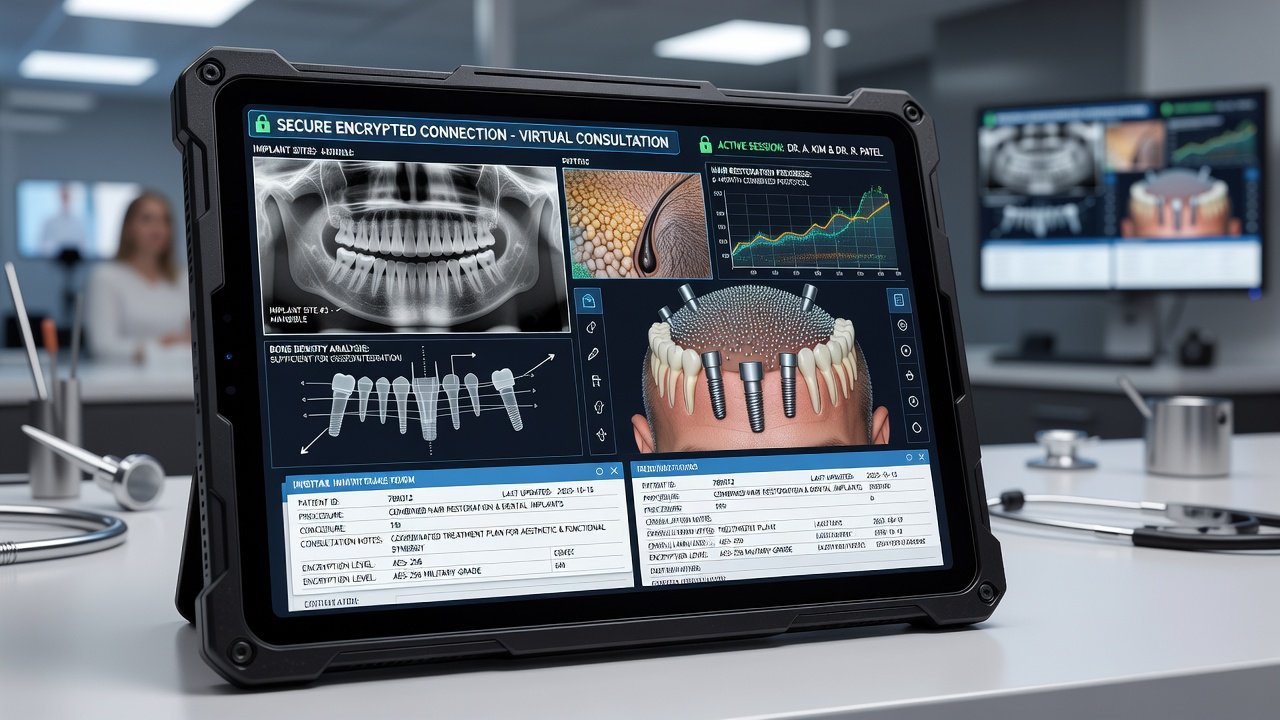
Use encrypted portals to upload X-rays, blood tests, and medical histories. Verify platform compliance with privacy regulations and obtain consent forms in advance. This practice reduces on-site delays and allows specialists to review cases thoroughly beforehand. Best practices involve scanning documents at high resolution, organizing files by date and type, and confirming that all parties have access only during agreed consultation windows. Patients should also request confirmation receipts after uploads to maintain a personal audit trail.
Comparing Costs via Online Tools
Many platforms feature cost estimators based on current market trends. Patients can compare packages across destinations while factoring in virtual consultation fees and follow-up needs. Focus on value rather than isolated figures for comprehensive planning. Tools typically break down expenses into categories such as specialist fees, facility charges, and aftercare support, allowing users to adjust variables like procedure complexity or add-on Ayurvedic therapies for customized projections.
Real-World Examples of Successful Virtual Preps
One patient used telemedicine to coordinate Ayurvedic scalp treatments with a hair transplant in India, completing assessments over three virtual sessions. Another aligned dental implant planning with holistic consultations, leading to smoother recovery and reduced complications upon arrival. A third case involved a patient from Europe who combined all three specialties: virtual meetings revealed a need for preliminary Ayurvedic detoxification that improved implant success rates and minimized post-transplant inflammation. These examples highlight how early virtual coordination prevents mismatched expectations and supports seamless transitions from remote planning to in-person care.
Coordinating Follow-Ups Post-Procedure
Post-travel virtual check-ins monitor healing and adjust Ayurvedic regimens. Platforms support ongoing specialist access regardless of time zones, ensuring continuity of care after returning home. Follow-up protocols often include weekly video reviews of progress photos, prescription adjustments for herbal remedies, and guidance on gentle yoga poses that aid circulation without straining surgical sites.
Potential Challenges and How to Overcome Them
Common hurdles include connectivity issues during calls and varying levels of digital literacy among specialists. Overcome these by testing platforms in advance, having backup internet options ready, and requesting written summaries of each session. Time zone differences can be managed through shared calendar tools that automatically suggest overlapping availability windows.
Best Practices for Success
- Start consultations at least eight weeks before planned travel to allow for multiple rounds of feedback.
- Maintain a dedicated digital folder for all medical documents and conversation notes.
- Involve a trusted family member in key virtual meetings for additional perspective and support.
- Verify specialist credentials through cross-referenced professional registries before committing.
- Document any symptoms or changes weekly to share during follow-ups.
FAQ
How is data privacy maintained during virtual consultations?
Platforms use end-to-end encryption and adhere to standards from bodies like the World Health Organization to protect sensitive health information.
What if time zone differences complicate scheduling?
Most services offer flexible booking across zones and asynchronous options like recorded messages for non-urgent queries.
Can telemedicine fully replace in-person evaluations?
It prepares patients effectively but complements on-site exams for final assessments before procedures.
Are there risks associated with sharing records online?
Choose HIPAA-equivalent compliant platforms and always confirm data deletion policies after treatment concludes.
How do I know if an Ayurvedic specialist is qualified for integration with surgery?
Request proof of dual training in both traditional Ayurveda and modern medical collaboration, often verified via professional associations.
Conclusion
Telemedicine transforms 2026 planning for Ayurveda-integrated hair and dental tourism by enabling thorough remote preparation. Patients who invest in virtual steps enjoy safer, more coordinated experiences abroad and return home with optimized results supported by holistic care.

No comments yet. Be the first!