 Veda Tour
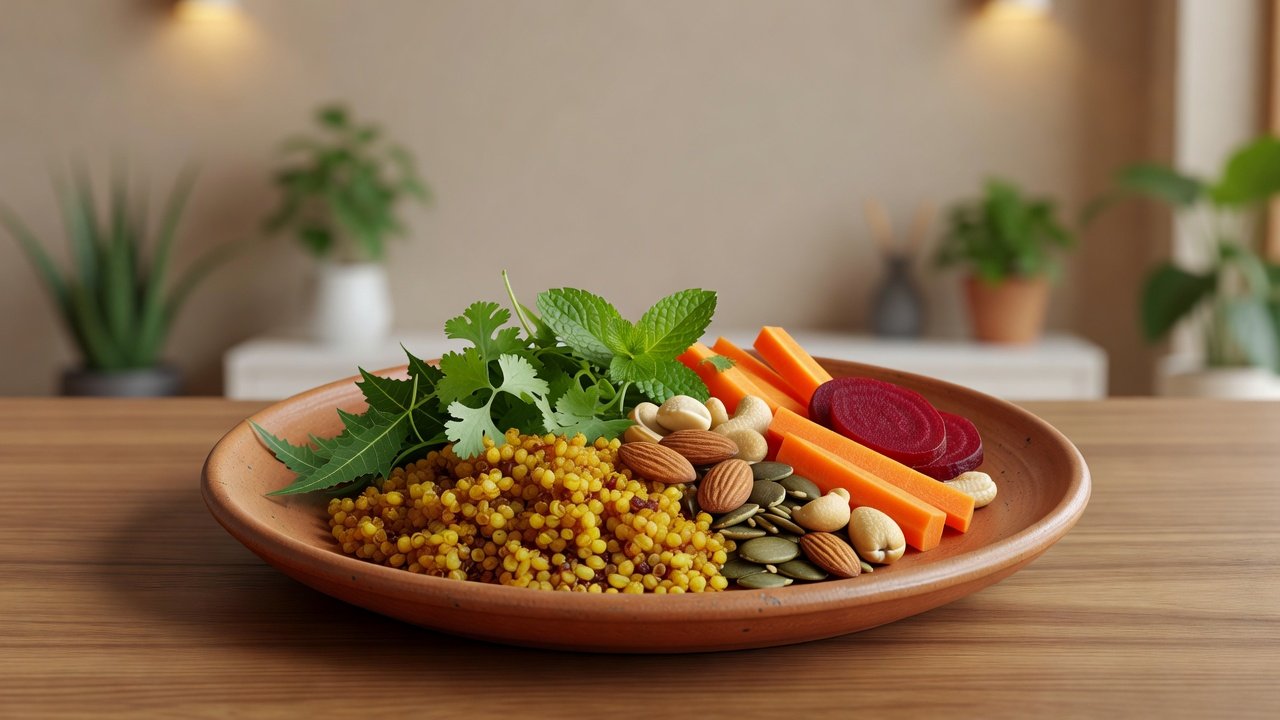
Introduction to Ayurvedic Support for Medical Procedures
Patients traveling for hair transplants and dental implants in 2026 increasingly seek holistic recovery methods that go beyond standard medical care. Ayurvedic principles focus on balancing the three doshas—Vata, Pitta, and Kapha—to support tissue healing, reduce inflammation, and promote overall wellness before and after surgery. This approach complements modern procedures by emphasizing nutrition that strengthens immunity, improves circulation, and accelerates recovery timelines for medical tourists. In an era where wellness tourism is booming, integrating ancient dietary wisdom with contemporary treatments offers patients a comprehensive path to optimal outcomes.
Medical tourists often combine treatments in destinations like India and Turkey. Tailored meal planning addresses individual body constitutions while adapting to travel schedules, jet lag, and procedure demands. By understanding how food influences healing at a cellular level, patients can minimize complications such as swelling or infection risks. This guide provides in-depth strategies drawn from Ayurvedic texts and adapted for 2026 travelers.
Understanding Doshas in the Context of Surgical Recovery
Vata types benefit from warm, grounding foods to counter dryness and promote stability post-procedure. Common recommendations include ghee-rich meals and root vegetables that soothe the nervous system during recovery. Pitta individuals need cooling ingredients to manage inflammation around implants or grafts, such as coconut water and fresh cilantro. Kapha patients thrive on light, stimulating meals with ginger and black pepper that prevent stagnation during extended downtime periods.
Consulting an Ayurvedic practitioner helps identify your dominant dosha through pulse diagnosis and lifestyle assessment. This initial step ensures personalized plans that align with surgical timelines and any existing health conditions. Many clinics now offer integrated consultations combining Western diagnostics with Ayurvedic evaluations for seamless care.
Pre-Procedure Nutrition Strategies
Two weeks before surgery, focus on nutrient-dense foods rich in vitamins A, C, and E to build tissue resilience. Incorporate turmeric for its anti-inflammatory curcumin, ginger to aid digestion, and leafy greens for essential minerals. Avoid heavy, processed items that may increase swelling or slow metabolic processes. Starting the day with warm lemon water helps alkalize the body, while soaked almonds provide sustained protein without burdening digestion.
Additional strategies involve timing meals to support circadian rhythms and incorporating herbal teas like tulsi for stress reduction. Patients who follow these protocols often experience reduced anxiety leading up to procedures. Always discuss changes with both your surgeon and Ayurvedic advisor to avoid interactions.
Post-Procedure Healing Meals
Immediately after surgery, prioritize easily digestible options like khichdi prepared with digestive spices and a touch of ghee. Gradually introduce proteins such as lentils and steamed vegetables to rebuild strength without overwhelming the system. Hydration with cumin or fennel herbal teas supports detoxification pathways and maintains electrolyte balance during the critical first week.
Recovery phases typically span 7 to 14 days, with emphasis on anti-inflammatory spices like turmeric and coriander. Patients report faster wound healing and reduced scarring when following these guidelines consistently alongside prescribed medications. Monitoring energy levels daily allows for adjustments in portion sizes and food textures.
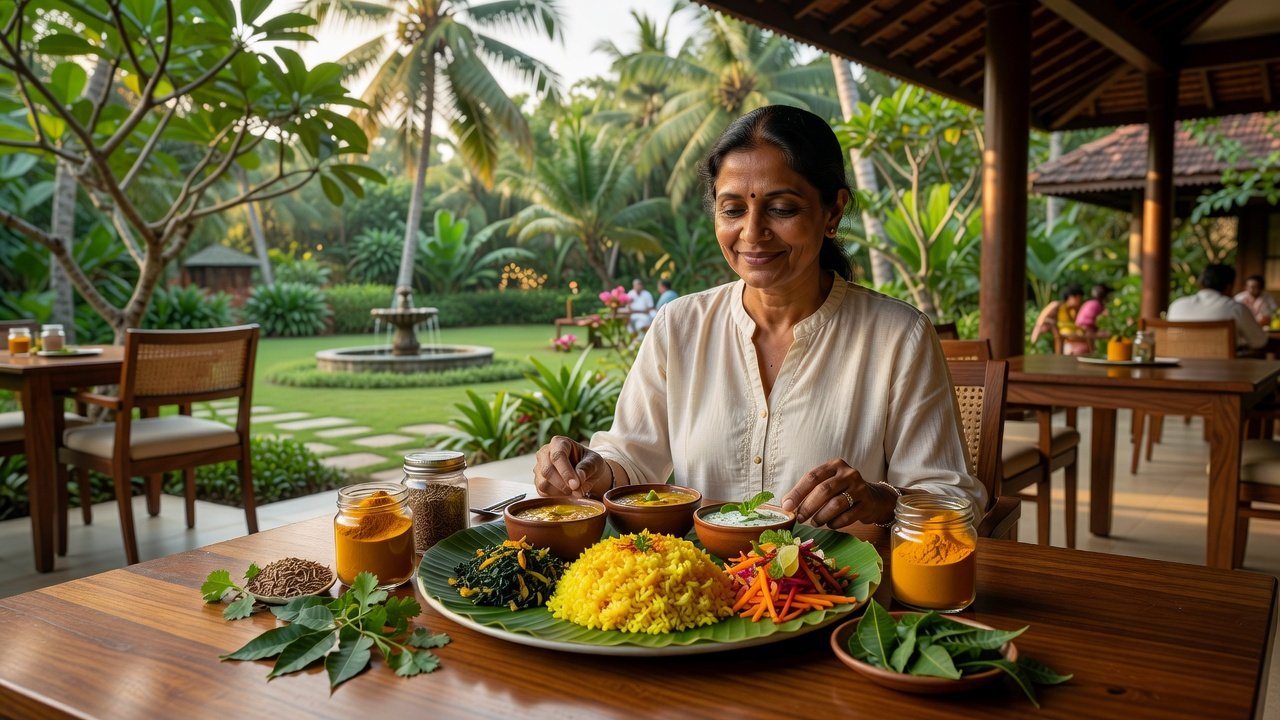
Sample 7-Day Dosha-Specific Diet Chart
The following chart offers a flexible framework adaptable to individual needs and travel constraints. Each day builds upon the previous for progressive healing support.
- Day 1-2 (Vata focus): Warm oatmeal with cardamom and raisins for breakfast; vegetable soups with barley for lunch; rice with cumin and steamed carrots for dinner. Snacks include warm milk with saffron.
- Day 3-4 (Pitta focus): Cucumber and mint salads for breakfast; coconut-based vegetable curries with basmati rice for lunch; grilled zucchini with coriander for dinner. Include cooling rose petal infusions.
- Day 5-7 (Kapha focus): Spiced broths with ginger and black pepper; light lentil soups and grilled asparagus alternatives; herbal teas with clove. Emphasize smaller, frequent meals to maintain metabolism.
Adapt portions based on energy levels, activity, and consult your doctor regarding any food allergies or medication interactions. This structured approach ensures balanced nutrition throughout the recovery window.
Ingredient Sourcing Tips for Travelers Abroad
When abroad, source organic produce from local markets or certified health stores to maintain freshness and potency. Carry portable spices like turmeric powder and cumin seeds in sealed containers to recreate familiar flavors. Many patients use translation apps to request specific preparations from hotel kitchens, substituting regional equivalents such as fresh Mediterranean herbs when exact Ayurvedic ingredients are unavailable.
Planning ahead includes researching nearby Ayurvedic supply shops or ordering online for delivery to accommodations. This preparation prevents reliance on less supportive hotel buffets and keeps healing on track.
Comparing Indian and Turkish Ayurvedic Approaches
Indian methods often integrate panchakarma therapies alongside diet for deep detoxification before procedures. Turkish adaptations emphasize local botanicals such as olive leaf extracts blended with traditional Ayurvedic herbs, offering unique support for dental implant patients. Both prioritize dosha balance but differ in spice intensity, fermentation techniques, and emphasis on fermented dairy in Turkish plans.
Research clinics that offer integrated wellness packages for seamless experiences across borders. Patients frequently note that Indian approaches feel more intensive while Turkish options provide gentler daily integrations suitable for shorter stays. Mayo Clinic resources on integrative medicine highlight the value of combining such traditions with evidence-based care.
Supplement Synergies with Procedures
Common pairings include ashwagandha for stress reduction and cortisol control during travel, and amla powder for natural collagen support aiding graft integration. Brahmi may enhance mental clarity post-anesthesia. Always verify potential interactions with your surgical team and time supplements around meals for maximum absorption during recovery windows.
Quality sourcing remains essential; look for third-party tested brands to ensure purity when purchasing internationally.
Practical Steps for Consulting Practitioners
- Book virtual consultations at least one month pre-travel to allow for dosha assessment and preliminary meal planning.
- Share complete medical history, including procedure details, allergies, and current medications for accurate customization.
- Request written diet guidelines formatted for easy hotel kitchen use or portable reference.
- Schedule follow-up sessions during recovery to adjust for any unexpected symptoms or progress milestones.
- Coordinate with on-site medical staff to align Ayurvedic recommendations with post-operative protocols.
Real Patient Meal Examples
One traveler undergoing a hair transplant in India described starting mornings with moong dal porridge topped with ghee and evenings with spinach dal paired with quinoa. This routine helped maintain steady energy while minimizing digestive discomfort. A dental implant patient in Turkey incorporated local yogurt blended with Ayurvedic spices like cumin and turmeric for probiotic and anti-inflammatory benefits throughout the healing phase.
Another patient combined both procedures and adapted by focusing on simple one-pot meals using available produce, reporting quicker return to normal activities. These examples illustrate how flexibility within Ayurvedic frameworks supports diverse itineraries.
FAQ on Allergies and Travel Adaptations
How do I handle nut allergies? Substitute seeds like pumpkin or sunflower for almonds and use seed-based milks in recipes.
Can plans adapt to limited hotel kitchens? Yes, focus on simple boiled or steamed preparations and request minimal oil or spice adjustments from staff.
What about jet lag effects on digestion? Begin with light broths and warm water upon arrival to reset the digestive fire gradually.
Are there vegan options available? Absolutely; replace dairy with coconut or almond alternatives while maintaining protein from legumes.
How to manage during long flights? Pack portable snacks like roasted chickpeas and stay hydrated with herbal tea options carried onboard.
Additional guidance is available through established health authorities. National Center for Complementary and Integrative Health provides evidence-based overviews on Ayurvedic practices.
Conclusion
Integrating Ayurvedic diet plans enhances outcomes for hair transplant and dental implant patients by addressing both physical recovery and energetic balance. By focusing on dosha-specific nutrition, sourcing ingredients wisely abroad, and following structured charts with practitioner support, medical tourists achieve smoother, more comfortable recoveries in 2026. Begin planning consultations early to customize your approach and maximize the benefits of this time-tested holistic system.


No comments yet. Be the first!