 Veda Tour
Introduction to Telemedicine in 2026 Ayurveda-Integrated Medical Tourism
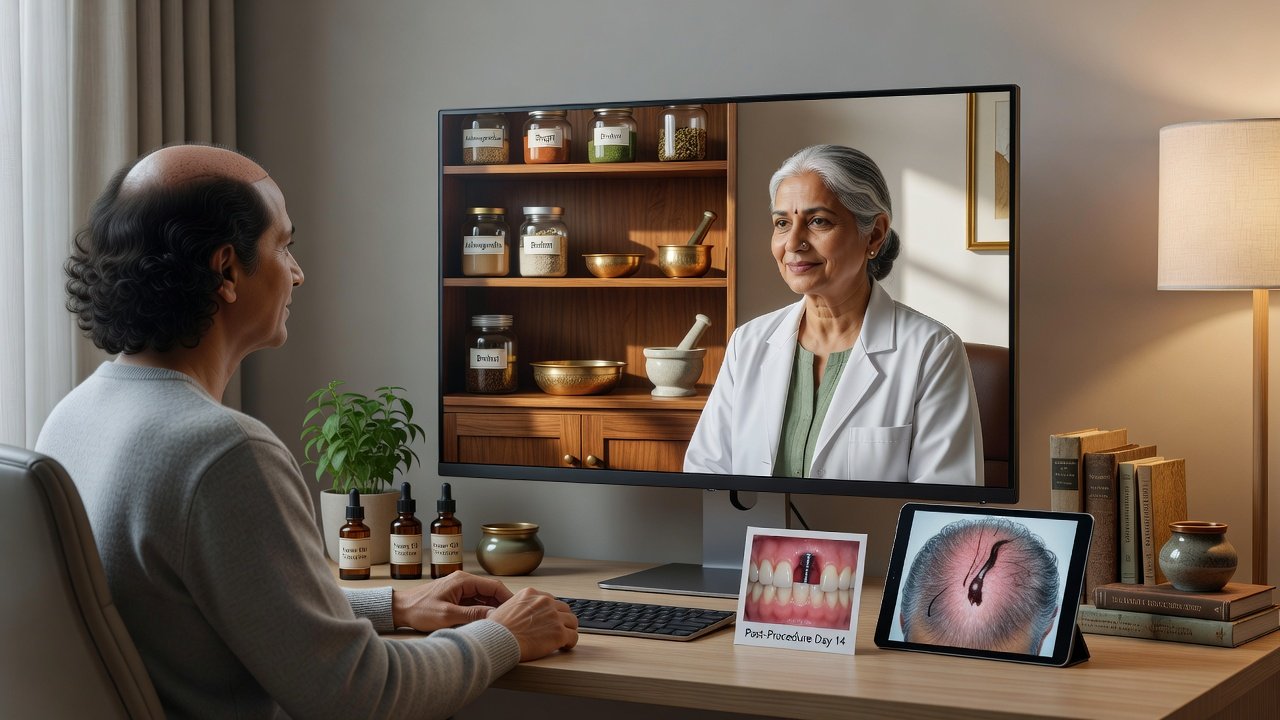
Medical tourism continues to evolve rapidly in 2026, blending advanced procedures like hair transplants and dental implants with traditional Ayurvedic recovery methods. Telemedicine plays a pivotal role in supporting international patients during the critical post-procedure phase, enabling seamless follow-up care without additional travel. This approach addresses the search intent for ongoing care tips after returning home, offering practical benefits such as reduced complications, cost savings on extended stays, and personalized adjustments to Ayurvedic regimens. Patients who undergo hair restoration or dental implant surgery abroad often face challenges in maintaining recovery protocols once they return to their home countries. Telemedicine bridges this gap by facilitating real-time virtual monitoring and consultations with Ayurvedic specialists who can modify treatments based on individual healing progress. The integration of digital tools with ancient practices creates a hybrid model that prioritizes both clinical outcomes and holistic balance, making recovery more accessible and effective for global travelers.
Virtual Monitoring Techniques for Post-Procedure Healing
Virtual monitoring in 2026 leverages high-resolution video platforms, wearable health devices, and AI-assisted apps to track recovery metrics remotely. For hair transplant patients, specialists observe scalp inflammation, graft survival rates, and hair growth patterns through detailed video examinations that allow close-up inspection of follicular units. Dental implant recipients benefit from assessments of swelling, bite alignment, and tissue integration via intraoral camera feeds shared during sessions, which provide clear visuals of implant sites without needing physical presence. These techniques integrate with Ayurvedic principles by monitoring dosha balance indicators such as energy levels, digestion, and skin condition. Patients upload daily photos and symptom logs, allowing practitioners to detect issues like infection or delayed healing early. This proactive method has proven effective in minimizing complications for those combining Western procedures with holistic care. According to World Health Organization guidelines, remote health monitoring supports continuity of care across borders when protocols emphasize patient education and secure data handling. Wearables can measure heart rate variability and sleep quality, feeding data into Ayurvedic assessments that refine recommendations for rest and herbal support.
Adjusting Ayurvedic Remedies Through Video Consults
Video consultations enable dynamic adjustments to Ayurvedic remedies tailored to each patient's progress. During sessions, practitioners review herbal formulations, dietary recommendations, and lifestyle practices, modifying dosages or introducing new elements like specific oils or massages based on observed healing. For example, a patient recovering from a hair transplant might receive guidance on incorporating Bhringraj oil topically while adjusting internal herbs for better scalp circulation. Dental patients could explore turmeric-based rinses for inflammation control alongside personalized yoga sequences. These adjustments ensure traditional practices complement surgical outcomes effectively. The visual nature of video allows practitioners to assess tongue coating, eye clarity, and posture as Ayurvedic diagnostic tools, leading to more accurate interventions than text-based communication alone.
Step-by-Step Guide to Scheduling Follow-Up Appointments
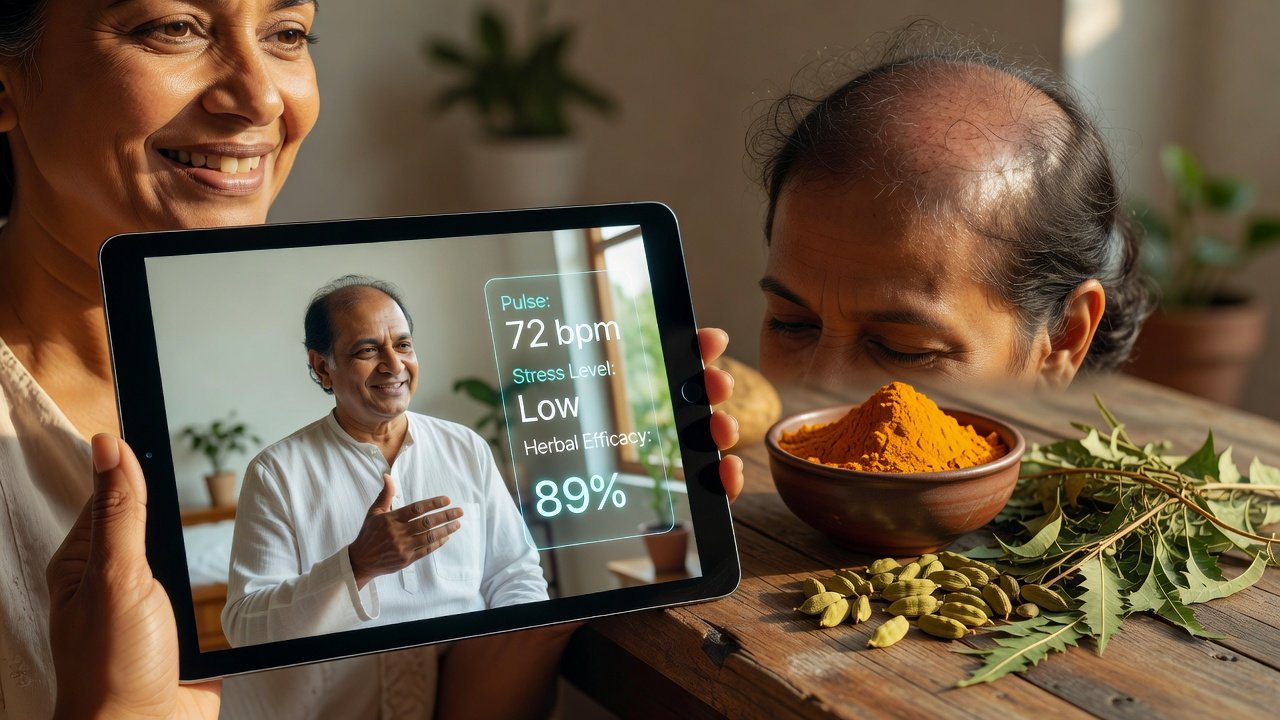
Organizing telemedicine follow-ups requires a structured approach to maximize benefits. First, pre-departure planning involves confirming telemedicine access credentials with the destination clinic and scheduling the initial virtual session within 7-10 days post-procedure to catch any early concerns. Next, platform selection focuses on secure, HIPAA-compliant tools that support high-quality video, screen sharing for remedy demonstrations, and file uploads for progress photos. Preparation for each call includes gathering medical records, current photos of the treatment area, symptom notes, and questions about Ayurvedic adjustments. Integration with local providers means sharing session summaries with your home doctor to ensure coordinated care and avoid conflicting advice. Ongoing tracking involves setting recurring appointments every 2-4 weeks initially, then tapering as healing stabilizes, with flexibility for urgent queries via messaging features. This process helps international patients maintain continuity and achieve optimal results from their combined treatment journey, including tips for preparing a quiet space, testing internet connections, and documenting changes in dosha-related symptoms between calls.
Comparing Popular Telemedicine Platforms for Ayurvedic Integration
Several platforms stand out for supporting Ayurveda-enhanced recovery in medical tourism contexts. Secure options like those endorsed by global health authorities provide reliable video capabilities and integration with wellness apps that track herbal intake alongside surgical metrics. Comparisons often highlight ease of use, multilingual support for international patients, and compatibility with traditional remedy tracking features such as photo-based dosha logging. Patients should evaluate factors such as data privacy standards, specialist availability in Ayurvedic medicine, and add-on tools for wearable integration. Some platforms excel in visual diagnostics suitable for scalp and oral assessments, while others offer better scheduling flexibility across time zones common in medical tourism routes. Exploring reviews and trial sessions helps identify the best fit for individual needs in combining digital efficiency with holistic oversight.
Real Patient Examples of Successful Remote Recovery
Consider Maria, a 45-year-old from Europe who traveled for dental implants combined with Ayurvedic post-care. Through weekly video sessions, her practitioner adjusted her Pitta-balancing diet and herbal protocol based on shared photos showing reduced gum inflammation, leading to faster tissue healing and fewer follow-up issues upon return home. She also incorporated guided breathing exercises demonstrated live, which helped manage stress affecting her recovery. Similarly, John from North America used remote monitoring after a hair transplant, uploading progress images that prompted timely tweaks to his oiling routine and introduction of a new scalp massage technique, resulting in strong graft retention and balanced energy levels reported via symptom logs. Another case involves Priya from Asia, who combined both procedures and benefited from bi-weekly consults that addressed cross-symptom interactions, such as how dental swelling influenced her overall dosha balance, allowing for unified remedy plans. These cases illustrate how telemedicine reduces the need for return trips while preserving the integrity of Ayurvedic traditions alongside modern procedures, providing real-world validation of the hybrid model's effectiveness.
Common FAQs on Integrating Traditional Practices with Digital Tools
- How secure are video consults for sharing sensitive recovery details? Reputable platforms use end-to-end encryption to protect patient data during Ayurvedic and surgical discussions, aligning with standards from organizations like the Mayo Clinic on digital health privacy.
- Can telemedicine fully replace in-person Ayurvedic treatments? It excels for monitoring and adjustments but may complement occasional local visits for hands-on therapies like Panchakarma when travel permits.
- What if connectivity issues arise during a session? Most services offer asynchronous options like photo uploads, voice notes, and message-based follow-ups to maintain care continuity even in low-bandwidth areas.
- Are there specific apps designed for Ayurvedic tracking? Emerging tools in 2026 allow logging of herbal intake, pulse self-assessments, and dosha evaluations alongside surgical metrics for comprehensive oversight.
- How does one prepare for the first telemedicine session post-travel? Compile a recovery timeline, list current symptoms, prepare a list of Ayurvedic products used, and ensure good lighting for visual exams of the treatment sites.
- What challenges might arise when blending Ayurveda with telemedicine? Potential issues include time zone differences and varying familiarity with digital tools, but these can be mitigated through clear scheduling and platform tutorials provided by clinics.
Conclusion: Embracing Telemedicine for Holistic Tourism Recovery
By 2026, telemedicine has become indispensable for patients pursuing Ayurveda-integrated hair and dental tourism. It delivers tangible advantages in convenience, safety, and personalized care, empowering individuals to complete their recovery journeys successfully from anywhere. Exploring these digital tools alongside traditional methods ensures lasting wellness benefits and positions patients to handle future health needs with greater confidence and reduced logistical burdens.
No comments yet. Be the first!