 Veda Tour
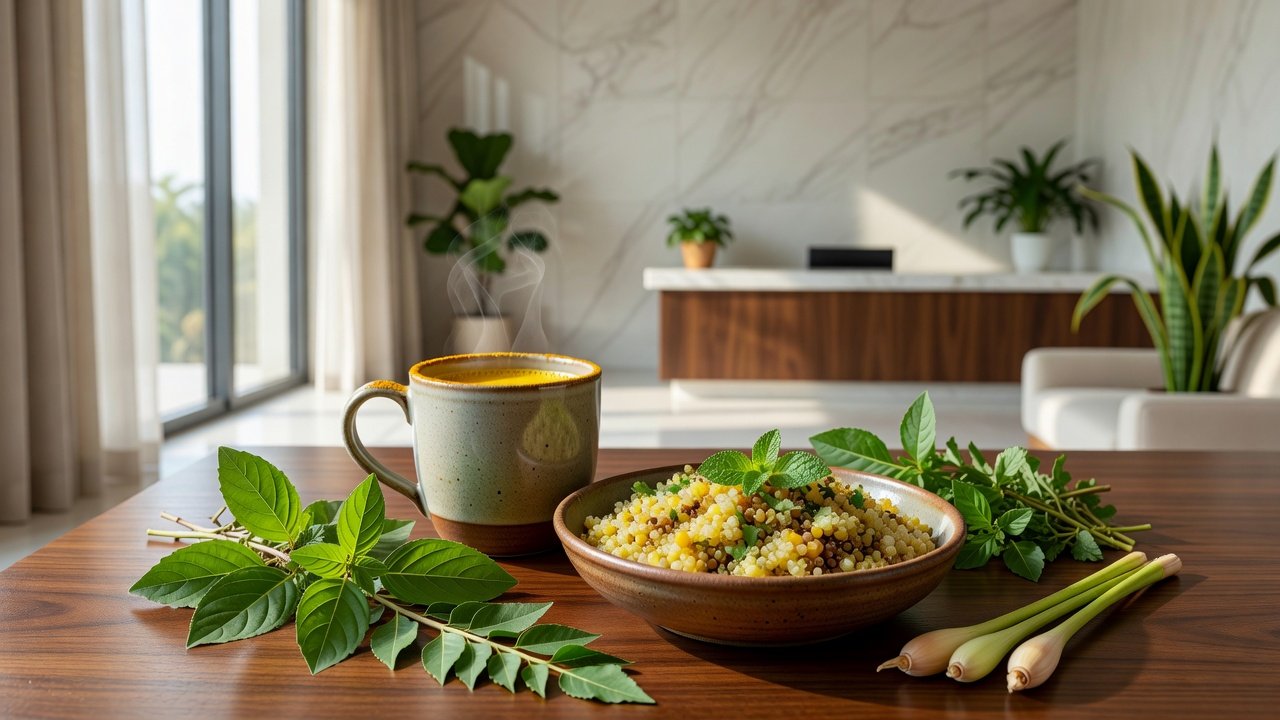
Introduction to Ayurvedic Nutrition for Surgical Recovery
Combining hair transplant and dental implant procedures with medical tourism in 2026 offers patients access to world-class care alongside holistic recovery support. Ayurvedic principles emphasize balancing the body's doshas—Vata, Pitta, and Kapha—to reduce inflammation, promote tissue regeneration, and support overall healing. These customized nutrition strategies use accessible ingredients available in popular destinations like India, Turkey, and Thailand. Patients often experience faster recovery when integrating these recipes with conventional aftercare, focusing on anti-inflammatory foods rich in antioxidants, healthy fats, and herbs that align with individual constitutions. In 2026, more travelers are seeking these integrated approaches because they address both physical healing and long-term wellness, making the medical journey more comprehensive than surgery alone.
Understanding Doshas and Their Role in Healing
Ayurveda identifies three doshas that govern physiological functions. Vata types benefit from warming, grounding meals to stabilize energy post-surgery, as Vata imbalance can lead to dryness and slower tissue repair around surgical sites. Pitta individuals require cooling ingredients to manage inflammation around implant sites, preventing excessive heat that might delay gum or scalp healing. Kapha patients thrive on light, stimulating dishes that prevent stagnation during downtime, helping maintain mobility and circulation. Assessment via telemedicine consultations helps tailor plans before travel. This approach complements surgical timelines, typically spanning 7-14 days abroad, and allows for adjustments based on daily symptoms reported through video calls.
Key Ingredients for Tissue Regeneration and Inflammation Reduction
Core elements include turmeric for curcumin's anti-inflammatory effects, ginger to aid digestion and circulation, and ghee for tissue lubrication. Leafy greens, nuts, and coconut provide essential nutrients supporting collagen production critical after hair follicle implantation and dental bone grafting. Additional staples like ashwagandha for stress reduction and holy basil for immune support enhance recovery when incorporated thoughtfully. These ingredients work synergistically; for instance, combining turmeric with black pepper increases bioavailability by up to several times. Research from NCCIH highlights Ayurveda's potential in integrative health when used alongside modern medicine, while guidelines from WHO encourage evidence-based traditional practices in global health tourism settings.
5-7 Sample Meal Ideas with Detailed Preparation Steps and Benefits
Here are practical recipes designed for recovery. Each includes nutritional benefits tied to healing keywords such as reduced swelling and accelerated tissue regeneration.
1. Turmeric Ginger Golden Milk (Vata-Pacifying)
Boil one cup of almond milk with one teaspoon fresh grated turmeric, half teaspoon ginger, and a pinch of black pepper for 10 minutes. Strain, cool slightly, and add honey. Drink twice daily. Benefits: Reduces swelling around dental implants and supports scalp circulation for hair grafts through potent anti-inflammatory compounds that target post-operative discomfort directly.
2. Quinoa Vegetable Khichdi (Pitta-Balancing)
Cook half cup quinoa with quarter cup split mung beans, diced zucchini, and fresh cilantro in two cups water. Season with cumin seeds and simmer 20 minutes until soft. Benefits: Easy digestion aids tissue repair without aggravating inflammation, providing steady protein and fiber essential for sustained energy during the first week of recovery.
3. Coconut Spinach Soup (Kapha-Reducing)
Blend two cups fresh spinach with one cup coconut milk, a pinch of turmeric, and light spices like coriander. Warm gently for five minutes without boiling. Benefits: Provides iron for blood health post-procedure while keeping meals light to avoid mucus buildup that could complicate breathing or oral healing.
4. Almond Date Energy Balls
Mix one cup ground almonds with half cup pitted dates, quarter teaspoon cardamom, and a dash of ghee. Roll into 12 balls and refrigerate. Benefits: Delivers sustained energy and healthy fats for cellular regeneration, particularly useful for maintaining strength between meals during limited mobility periods abroad.
5. Mung Bean Salad with Herbs
Steam one cup mung beans until tender, then toss with sliced cucumber, fresh mint, lemon juice, and cumin. Benefits: High protein supports wound healing in both hair and dental recovery by supplying amino acids needed for new tissue formation around grafts and implants.
6. Stewed Apple with Cinnamon
Cook two peeled apples with one teaspoon cinnamon and a pinch of clove in a small pot with minimal water for 15 minutes. Benefits: Gentle on digestion, ideal for early post-op days when solid foods may feel challenging, while delivering antioxidants that combat oxidative stress from surgery.
7. Herbal Lentil Stew
Prepare one cup red lentils with turmeric, coriander, and ginger in vegetable broth. Simmer 25 minutes. Benefits: Anti-inflammatory properties accelerate overall recovery timelines by supporting liver function and detoxification pathways activated during healing.

Sourcing Ingredients in Popular Medical Tourism Destinations
In India, local markets near clinics in Delhi or Mumbai stock fresh turmeric and spices year-round at affordable rates, with many recovery centers providing guided market visits. Turkey offers abundant nuts, herbs, and olive oil near clinics in Istanbul, where patients can source high-quality items from neighborhood bazaars within walking distance of recovery hotels. Thailand provides coconut products, lemongrass, and fresh greens easily in Bangkok or Phuket wellness districts. Patients should verify freshness by checking for vibrant colors and aromas, opting for organic where possible to avoid contaminants that might interfere with healing. Always carry a simple ingredient list translated into the local language for easier shopping.
Integration with Telemedicine Follow-Ups and Recovery Timelines
Share meal logs during virtual check-ins to adjust recipes based on progress, such as increasing cooling elements if Pitta signs like redness appear. This ensures plans evolve with healing stages, from initial swelling reduction in days 1-3 to long-term tissue strengthening by week two. Many clinics in 2026 offer dedicated apps for logging symptoms alongside nutrition intake, creating a seamless bridge between Ayurvedic guidance and surgical oversight.
Fitting Plans into All-Inclusive Tourism Packages
Leading providers combine procedures with wellness add-ons including chef-prepared Ayurvedic meals, guided sourcing tours, and dosha assessments upon arrival. These packages enhance the medical tourism experience by handling logistics like ingredient delivery to hotel rooms, reducing stress and allowing focus on rest. Examples include bundled options in Turkey that incorporate daily herbal infusions with post-op monitoring, creating a holistic environment that supports both immediate surgical success and sustained wellness.
Practical Tips, Common Mistakes to Avoid, and Patient Examples
Start with small portions to test tolerance, stay hydrated with herbal teas, and track symptoms daily. Common mistakes include overusing heating spices for Pitta types or skipping protein sources, which can slow regeneration. One example patient, a Vata-dominant traveler in India, incorporated golden milk and khichdi to report noticeably less scalp tightness by day five. Another in Thailand used mung bean salads to maintain steady energy while managing dental sensitivity effectively.
Conclusion
Adopting these Ayurvedic strategies in 2026 maximizes outcomes for combined hair transplant and dental implant journeys by addressing inflammation, supporting regeneration, and fitting seamlessly into travel plans. Always consult professionals for personalized guidance tailored to your unique needs.
FAQ
How soon can I start these recipes after surgery? Most patients begin light versions within 48 hours, per surgeon approval, starting with liquids like golden milk before progressing to soft meals such as khichdi to ensure no interference with stitches or grafts.
What if I have food allergies? Substitute ingredients like using oat milk instead of almond or sunflower seeds for nuts to maintain dosha balance while avoiding triggers; always discuss substitutions during pre-travel telemedicine sessions.
Can these replace conventional aftercare? No, they complement it fully. Follow all medical instructions from your clinic, using Ayurvedic meals as supportive nutrition rather than a standalone solution.
How long until benefits appear? Reduced inflammation often shows within 3-7 days with consistent use, though full tissue regeneration benefits may continue developing over several weeks as collagen builds.
Are these suitable for all age groups? Yes, recipes can be adapted for various ages by adjusting spice levels and portion sizes, with extra care for elderly patients focusing on easily digestible options.

No comments yet. Be the first!