 Veda Tour
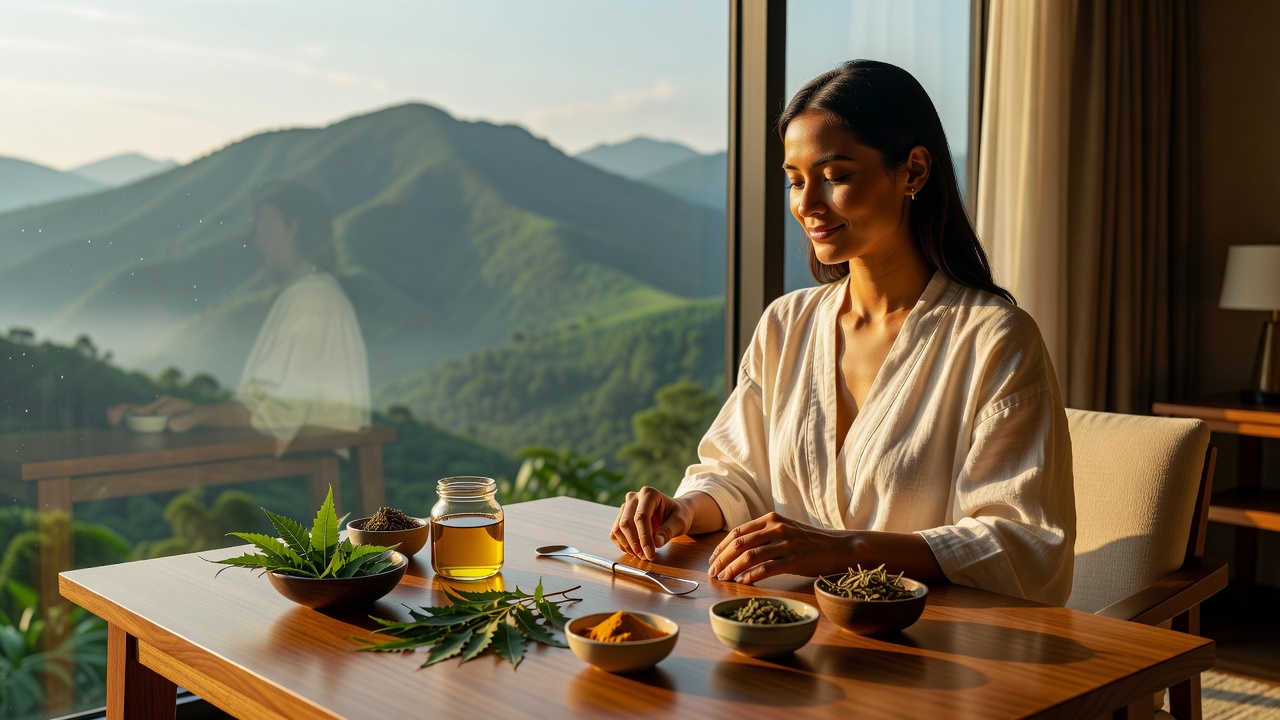
Introduction to Portable Ayurvedic Self-Care on the Road
Traveling for wellness in 2026 offers exciting opportunities to blend ancient Ayurvedic wisdom with modern journeys across continents. This comprehensive guide helps you create a practical, portable routine that supports holistic healing without needing a full retreat or expensive spa visits. Whether exploring bustling markets in Southeast Asia or serene landscapes in Europe, Ayurvedic practices can maintain balance amid changing environments, jet lag, and unfamiliar foods. Ayurveda, the traditional Indian system of medicine, emphasizes personalized care based on your unique dosha—Vata, Pitta, or Kapha. By focusing on simple daily rituals adapted for mobility, you sustain energy, improve digestion, and reduce stress while traveling.
In 2026, wellness travelers increasingly seek independent ways to integrate these practices, moving beyond structured retreats. Portable self-care empowers you to stay consistent even in remote locations or busy itineraries. The benefits include better immunity, clearer skin, improved sleep, and mental clarity, all achieved through accessible tools that fit easily into carry-on luggage. This approach draws from time-tested methods while addressing real-world travel challenges like limited kitchen access and varying climates.
Morning Routine: Oil Pulling and Tongue Scraping Steps
Start each day with foundational practices to detoxify the body and stimulate digestion before breakfast. Oil pulling involves swishing a tablespoon of sesame or coconut oil in your mouth for 10-15 minutes upon waking. Choose organic, cold-pressed oil suited to your dosha: sesame for Vata to provide warmth and lubrication, coconut for Pitta to cool inflammation, and mustard for Kapha to stimulate metabolism. Swish gently without swallowing, then spit into a tissue before rinsing with warm water. This removes accumulated toxins, strengthens gums, and freshens breath.
Follow immediately with tongue scraping using a stainless steel or copper scraper. Glide the tool from the back to the front of the tongue 7-14 times to remove the white coating that builds overnight. These two steps together take under 20 minutes and require minimal space. For travelers, pack travel-sized oil bottles in leak-proof containers and a compact scraper in a reusable pouch. Practice consistently to notice reduced morning fatigue and better appetite regulation throughout the day.
Dosha-Specific Meal Planning While Traveling
Planning meals around your dominant dosha keeps digestion steady despite irregular schedules and new cuisines. Vata travelers should prioritize warm, grounding foods such as cooked grains, lentil soups, steamed root vegetables, and ghee. Avoid excessive raw salads or cold drinks, especially in cooler European climates. Pitta individuals thrive on cooling options including fresh fruits, leafy greens, coconut-based dishes, and sweet spices like fennel. Limit spicy or fried street foods that can aggravate heat. Kapha types benefit from light, stimulating meals featuring ginger, turmeric, black pepper, and bitter greens to counter heaviness and sluggishness.
In practice, scan local markets for seasonal produce and carry small spice blends in reusable tins. Prepare simple meals using hotel kettles or portable blenders, such as overnight oats customized with dosha-appropriate additions like cardamom for Vata or coriander for Pitta. Sample daily plan for a mixed day: warm porridge for breakfast, a spiced vegetable stew for lunch, and herbal tea with light soup for dinner. This flexibility prevents common travel complaints like bloating or irregular energy levels.
Portable Herbal Remedies for Common Travel Issues
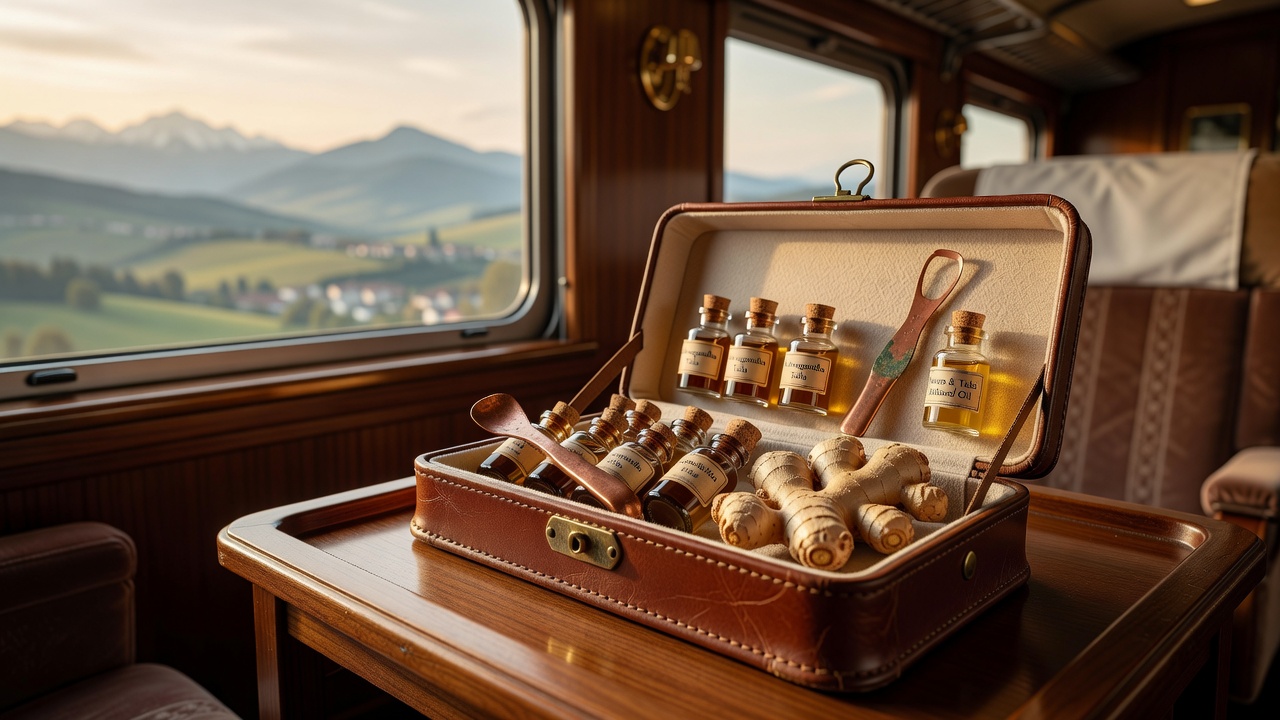
Assemble a compact kit with versatile herbs to address typical issues on the move. Triphala powder supports gentle detoxification and regular digestion when mixed in warm water before bed. Ashwagandha helps manage stress and promotes restful sleep in new time zones. Ginger tea bags combat nausea from flights or rich meals, while turmeric provides anti-inflammatory support for joint stiffness after long journeys. For headaches or mild anxiety, brahmi or tulsi leaves steeped in hot water offer quick relief.
Store items in labeled, airtight containers to meet airport liquid rules. Test all remedies at home first to confirm tolerance. Combine with lifestyle habits like staying hydrated and walking daily for optimal results. These portable options empower you to handle minor imbalances proactively without seeking professional care immediately.
Comparing At-Home Practices to Professional Sessions
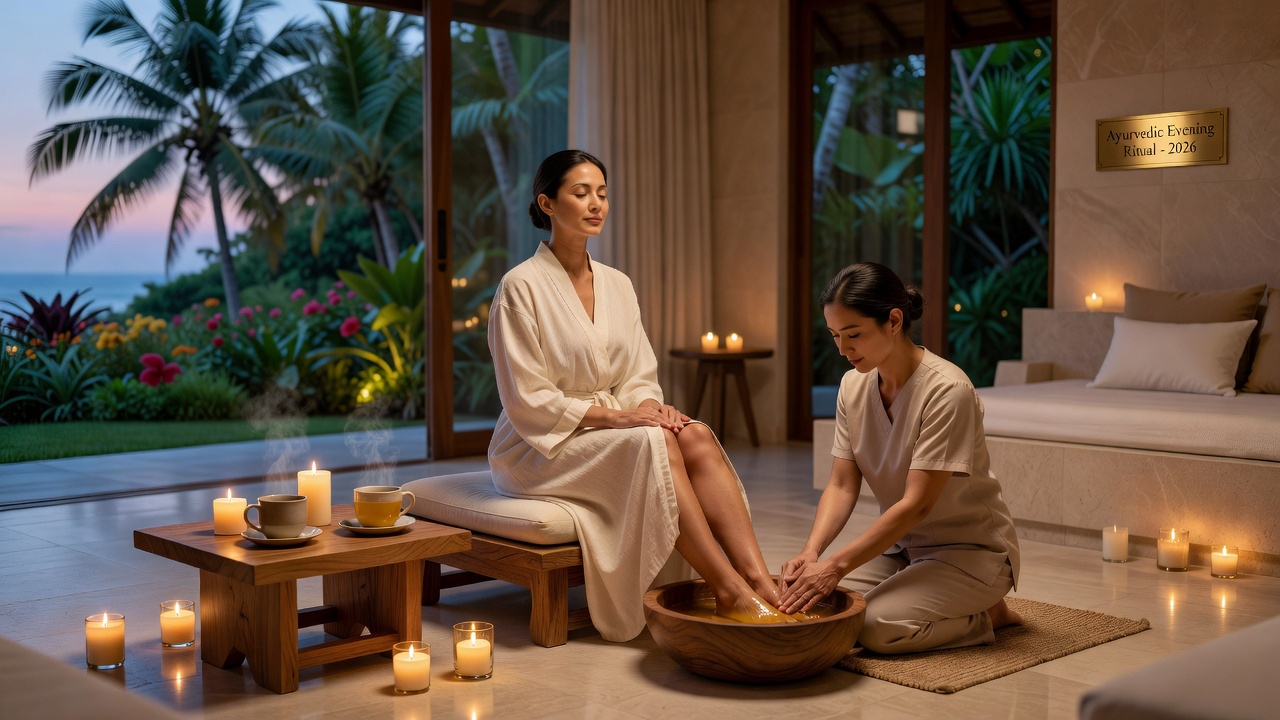
At-home routines deliver daily consistency and significant cost savings compared to professional Ayurvedic sessions. Home practices suit short trips or maintenance phases, allowing travelers to maintain momentum without appointments. Professional treatments such as abhyanga massage or panchakarma offer deeper detoxification and personalized guidance from experts, ideal for addressing chronic imbalances during longer wellness journeys.
Many travelers combine both approaches effectively: perform basic rituals daily and book a local session mid-trip for enhanced rejuvenation. The choice depends on trip length, budget, and health goals. At-home methods build self-reliance, while professional care provides intensive resets when needed.
Real Examples from Southeast Asia and Europe
In Thailand, wellness travelers often adapt routines using fresh coconut oil purchased from local markets and practice oil pulling while overlooking beaches near Chiang Mai. One visitor integrated local ginger and turmeric into dosha-balanced meals to manage Pitta during humid afternoons. Another traveler in Bali combined tongue scraping with morning yoga on a villa terrace, sourcing tulsi tea from nearby wellness shops.
In Europe, a wellness journey through Portugal featured warm oil massages and tongue scraping in Lisbon hotels, followed by grounding soups tailored to Vata needs amid cooler autumn weather. In Spain, a Kapha-focused traveler used spice mixes from Madrid markets to prepare light lunches and reported improved energy after adapting to jet lag with herbal teas. These examples illustrate seamless integration into varied cultural and climatic settings.
Adapting Routines to Jet Lag and Packing Essentials
Shift your schedule gradually before departure and prioritize hydration, warm oil self-massage, and grounding herbal teas upon arrival. Align meal times with local sunrise where possible and avoid heavy evening meals. A scannable packing list includes: travel oil bottles, copper scraper, triphala capsules, ginger tea, spice tins, reusable water bottle, and a small journal for tracking dosha responses.
Common Mistakes to Avoid
- Skipping routines on busy days, which disrupts balance quickly.
- Using incorrect oils for your dosha, leading to discomfort.
- Ignoring local water quality when preparing remedies.
- Overloading the kit with too many items instead of versatile basics.
Frequently Asked Questions
- Is Ayurvedic self-care safe abroad? Yes when using quality, tested products and consulting a practitioner beforehand. Source from reputable suppliers to avoid contaminants.
- How do I source products in foreign countries? Check certified organic stores, Ayurvedic clinics in major cities, or trusted online retailers that ship internationally.
- Can routines adjust for jet lag? Focus on hydration, light meals, and consistent grounding oils to realign circadian rhythms within a few days.
Learn more from evidence-based resources on traditional practices and explore global health insights at the World Health Organization. Additional guidance is available through Mayo Clinic integrative medicine pages.
Conclusion
With these detailed steps, Ayurvedic self-care becomes a reliable companion on any 2026 wellness trip. Start small, listen to your body, and enjoy balanced health wherever your journey leads.

No comments yet. Be the first!