 Veda Tour
Introduction to Ayurvedic Sleep Solutions for Wellness Travelers
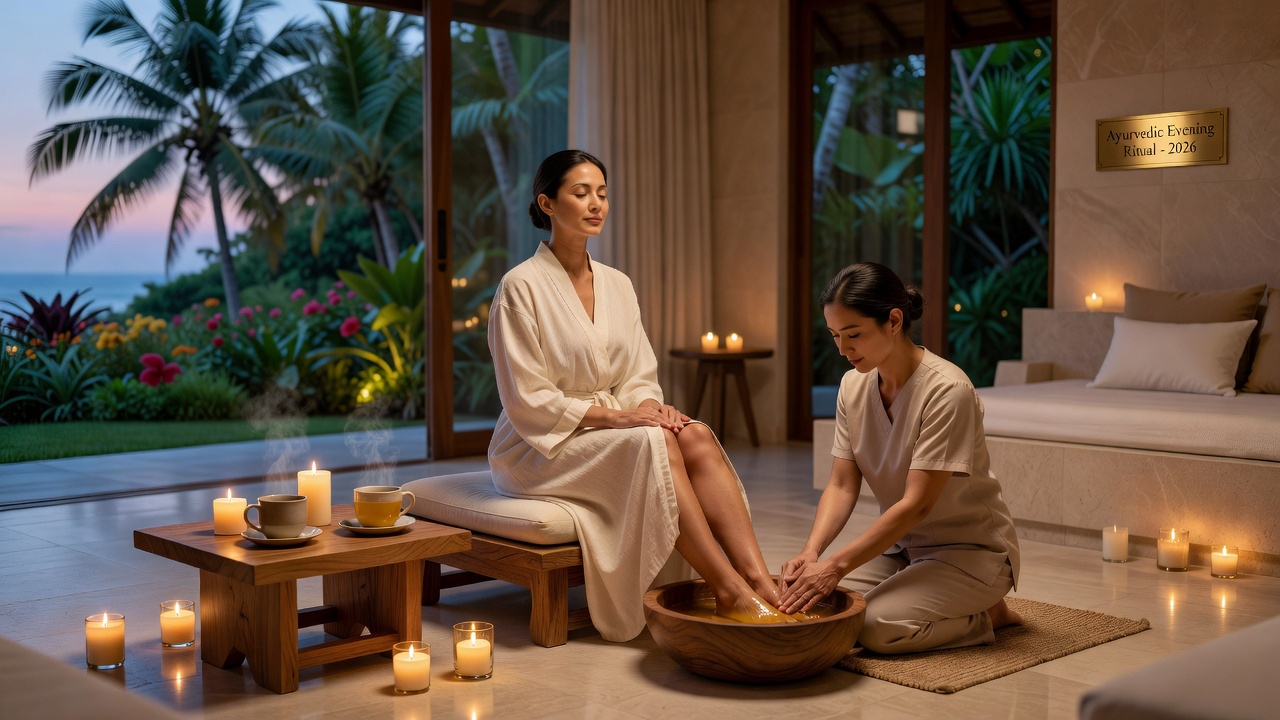
Travelers in 2026 increasingly seek Ayurvedic treatment to overcome sleep disruptions during wellness trips. Unlike conventional retreats, this approach tailors remedies to individual doshas while integrating seamlessly with destination spas and sustainable practices. Whether facing jet lag or new environments, Ayurvedic principles offer practical tools rooted in ancient wisdom for deeper rest. As wellness tourism continues to evolve, more people are moving beyond standard hotel stays to immersive experiences that address root causes of poor sleep, such as stress, dietary mismatches, and energetic imbalances. Ayurveda, one of the world’s oldest holistic systems, emphasizes that quality sleep restores vital energy known as ojas, supporting immunity, mental clarity, and emotional balance throughout a journey.
Modern wellness journeys benefit from this holistic lens, combining herbal preparations, dietary adjustments, and mindful rituals. This guide provides step-by-step advice, real traveler examples, and packing essentials to enhance your 2026 trip. By understanding how travel affects the three doshas—Vata, Pitta, and Kapha—travelers can create personalized strategies that deliver consistent results across time zones and climates.
Understanding Dosha-Specific Sleep Imbalances
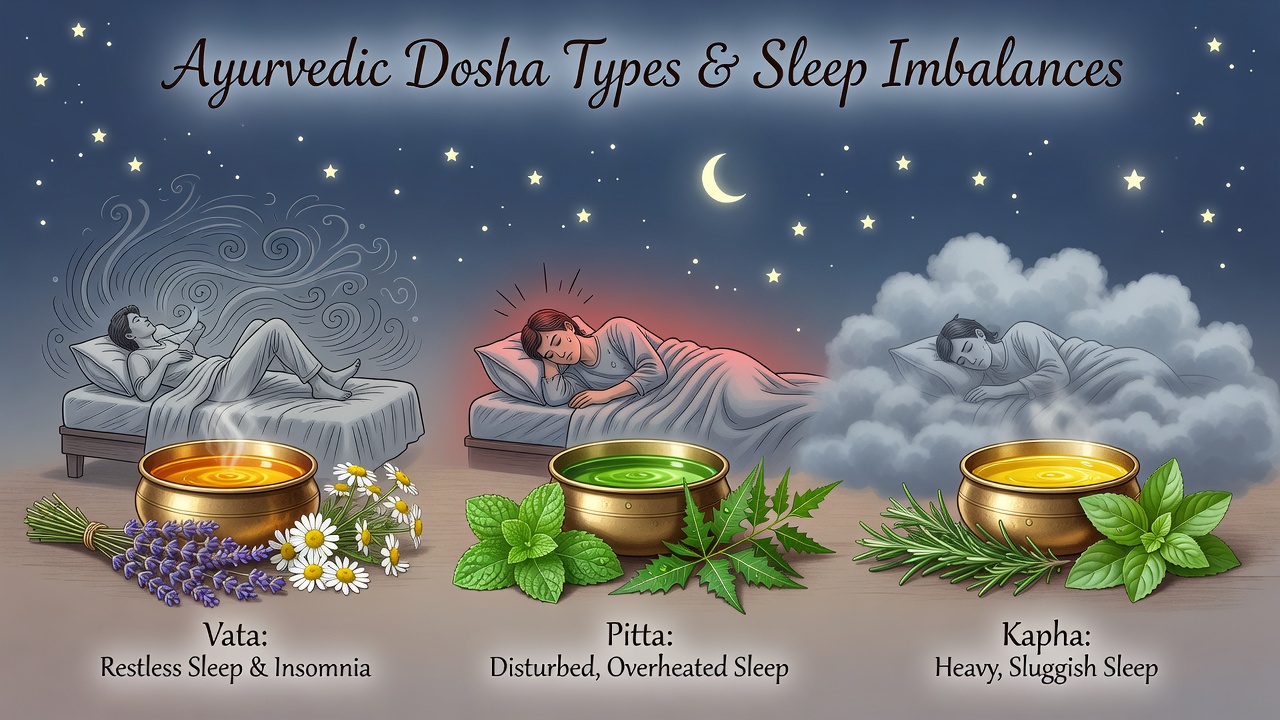
Each dosha influences sleep differently. Vata types often experience light, restless sleep with racing thoughts, frequent awakenings, and a sense of anxiety that intensifies after long flights. Pitta individuals may wake between 2-4 a.m. feeling overheated or mentally active, leading to frustration and reduced next-day energy. Kapha people struggle with excessive daytime drowsiness, difficulty rising in the morning, and a heavy feeling that lingers despite adequate hours in bed.
Identifying your dominant dosha before travel allows targeted interventions. Consult an Ayurvedic practitioner or use online quizzes from reputable sources. Balancing involves opposite qualities: warm oils and grounding routines for Vata, cooling herbs and moderate temperatures for Pitta, and stimulating movement plus lighter evening meals for Kapha. During travel, environmental factors like dry airplane air or humid tropical climates can aggravate specific doshas, making preemptive assessment essential for maintaining equilibrium.
Pre-Travel Herbal Routines to Prepare Your System
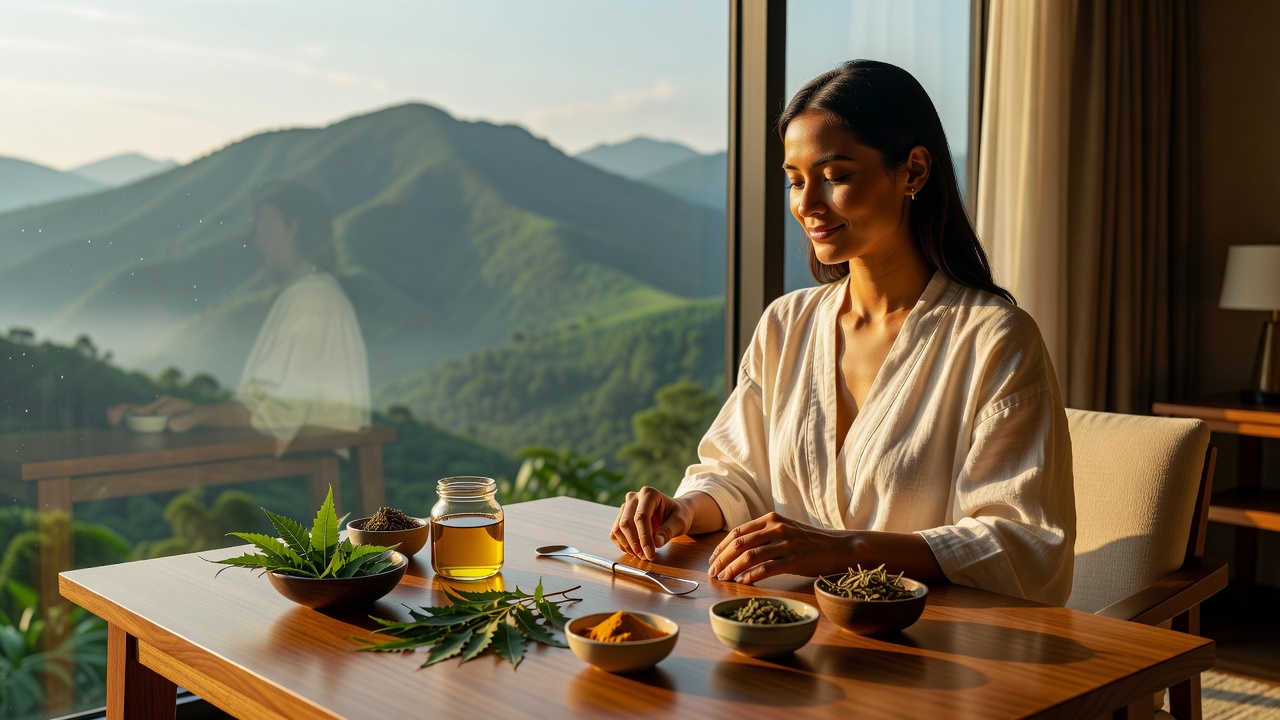
Begin preparations two weeks before departure. Start with Ashwagandha or Brahmi teas in the evening to calm the nervous system and regulate cortisol levels. Vata travelers benefit from warm sesame oil self-massage applied to the soles of the feet and scalp, while Pitta types prefer coconut oil applications to cool the body. Kapha individuals may add ginger and black pepper to their routines for gentle stimulation.
Adjust your diet by reducing caffeine and heavy meals after sunset. Incorporate grounding spices like cinnamon and cardamom into warm beverages. These steps build resilience against travel stress and time zone shifts, helping the body adapt faster upon arrival. Many travelers also incorporate Triphala, a traditional blend that supports digestion and gentle detoxification without disrupting sleep cycles.
On-Site Practices: Oil Massages and Dietary Tweaks
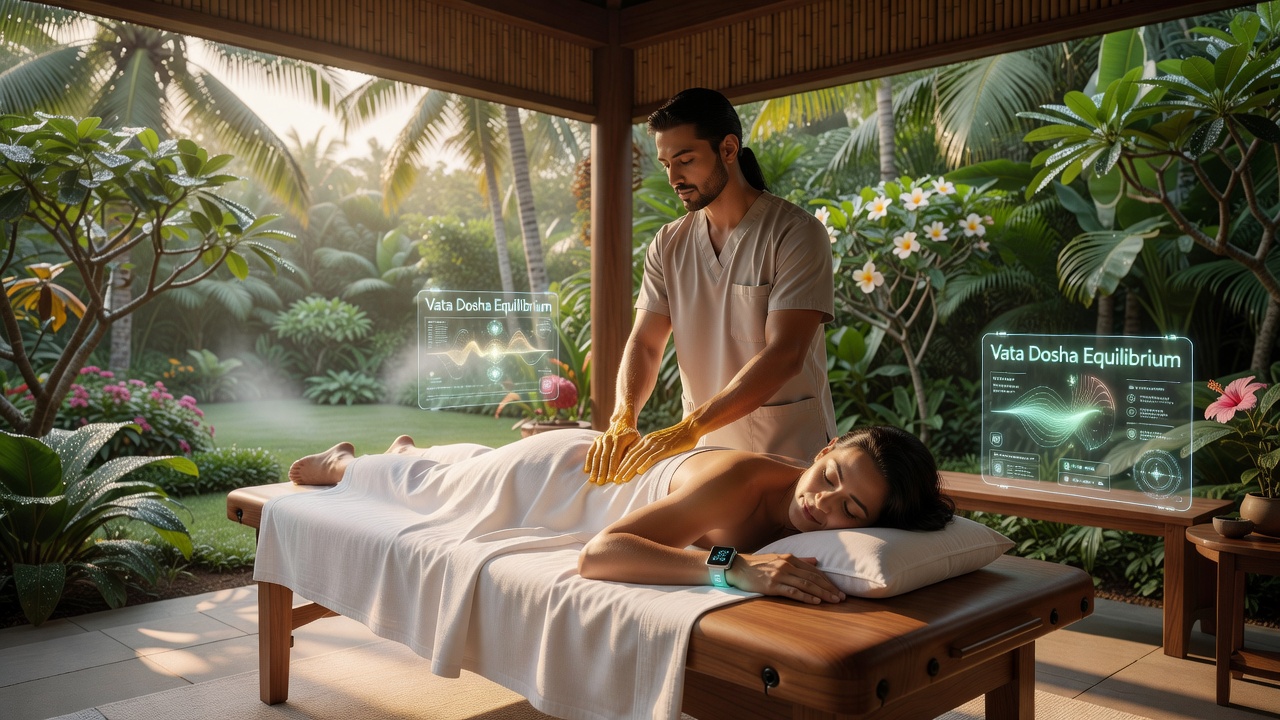
Upon arrival at your wellness destination, schedule Abhyanga sessions using dosha-specific oils. These full-body massages promote lymphatic drainage and nervous system calm, often performed with warm medicated oils chosen after a brief consultation. Many 2026 spas now offer customized Ayurvedic menus featuring light, warm evening meals such as kitchari or steamed vegetables seasoned with cumin and turmeric.
Combine treatments with gentle yoga nidra before bed. Sustainable options include locally sourced organic oils and reusable copper water vessels to align with eco-conscious travel trends. Dietary tweaks focus on eating the largest meal at midday and keeping dinners light, which prevents digestive burden during nighttime hours when the body should focus on restoration rather than processing food.
Step-by-Step Evening Rituals for Deeper Rest
- Dim lights two hours before bed and avoid screens to allow natural melatonin production.
- Perform a 10-minute warm oil foot massage focusing on soles and toes, using circular motions to calm Vata energy.
- Drink a small cup of warm milk infused with nutmeg and cardamom for its sedative and digestive properties.
- Practice alternate nostril breathing for five minutes to balance both hemispheres of the brain.
- Journal three gratitudes to quiet the mind and shift focus from daily worries.
Repeat consistently throughout your trip for cumulative benefits that often become noticeable within three nights.
Real Traveler Case Examples
Sarah, a Vata-dominant marketing executive, struggled with insomnia during a Bali wellness retreat. After adopting pre-bed oil massages and Brahmi tea, she reported falling asleep within 20 minutes by day three and waking refreshed without reliance on any external aids. Raj, a Pitta type on a Kerala spa journey, used cooling aloe drinks and avoided spicy foods, eliminating midnight awakenings and improving his daytime focus during workshops.
Another example involves Maria, a Kapha-predominant teacher who felt sluggish on a wellness cruise. She incorporated morning walks and lighter dinners, resulting in more energetic mornings and deeper nighttime sleep. These stories highlight how personalization outperforms generic sleep aids and creates lasting habits travelers can maintain at home.
Comparisons of Common Sleep Remedies
Pharmaceutical options provide quick relief but often cause dependency and next-day grogginess. Over-the-counter melatonin disrupts natural rhythms long-term and may lose effectiveness with frequent travel. In contrast, Ayurvedic methods address root causes without side effects by supporting the body’s innate intelligence. Herbal teas and routines offer sustainable wellness compared to short-term fixes, allowing travelers to enjoy their destinations fully rather than merely coping with fatigue.
Practical Packing List for Ayurvedic Sleep Support
- Dosha-specific massage oils in travel sizes to maintain consistent self-care routines anywhere.
- Herbal tea blends (Ashwagandha, Brahmi, or Tulsi) for evening calming without caffeine.
- Copper tongue scraper and neti pot to support daily detoxification and clear breathing.
- Portable aromatherapy diffuser with lavender or sandalwood essential oils for creating a soothing sleep environment.
- Lightweight cotton sleepwear and eye mask to block artificial light in hotel rooms.
- Journal and meditation app downloads for consistent reflection and breathwork practices.
Sustainable and Eco-Friendly Options
Many 2026 wellness destinations emphasize sustainability by using organic, locally harvested herbs and oils that reduce carbon footprints. Travelers can choose properties that partner with Ayurvedic farms practicing regenerative agriculture. Reusable items like copper vessels and cloth bags replace single-use plastics, aligning personal health goals with environmental responsibility during extended trips.
FAQ: Adapting Techniques for Jet Lag and New Time Zones
How do I handle jet lag with Ayurveda? Shift meal and sleep times gradually two days before travel. Use Triphala at night for digestion support and maintain hydration with warm water throughout the flight.
Can these methods work in any climate? Yes, adjust oil warmth—cooler oils in tropical destinations, warmer in cooler ones—to match environmental conditions and dosha needs.
Is professional guidance necessary? Initial dosha assessment helps, but basic routines are accessible for beginners who start with simple self-massage and herbal teas.
What if I have dietary restrictions? Ayurvedic principles adapt easily; substitute plant-based milks and focus on available local vegetables while avoiding heavy or processed foods.
How soon will I notice improvements? Most travelers report better sleep quality within three to five consistent days of following the evening rituals and dietary adjustments.
Conclusion
Integrating Ayurvedic treatment into 2026 wellness trips transforms sleep challenges into opportunities for renewal. By honoring your dosha, preparing thoughtfully, and embracing on-site rituals, you achieve lasting balance. Start planning your holistic journey today for restorative nights abroad. For more on traditional medicine, visit World Health Organization or explore complementary approaches at National Center for Complementary and Integrative Health.
No comments yet. Be the first!