 Veda Tour
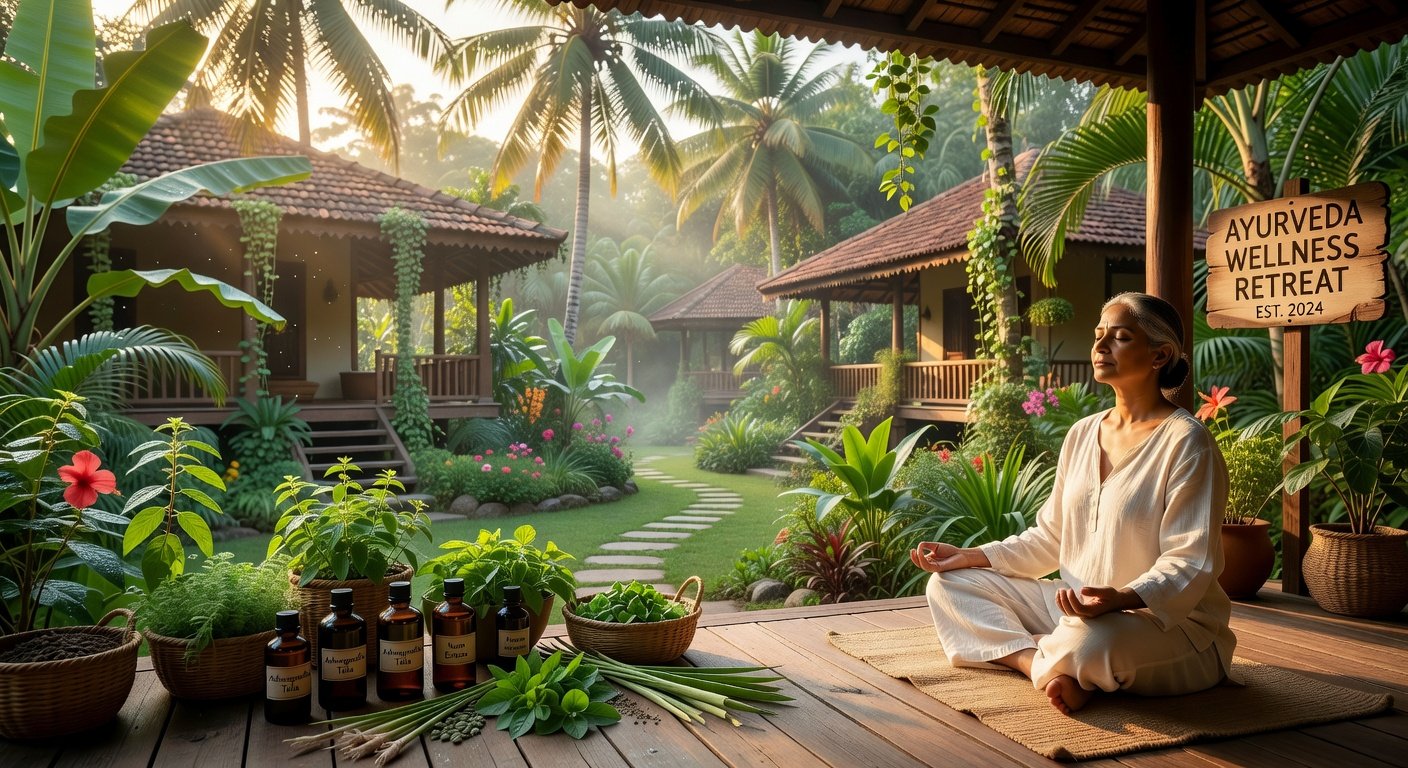
Introduction to Preparing for Ayurvedic Wellness in 2026
Planning Ayurvedic treatment as part of a 2026 wellness trip requires thoughtful preparation to ensure safe and effective results within a holistic healing framework. Ayurveda, the ancient Indian system of medicine, emphasizes balance among the three doshas—Vata, Pitta, and Kapha—through personalized therapies like oil massages, herbal remedies, and dietary protocols. As wellness travel continues to grow, more individuals are seeking these treatments abroad or at specialized retreats to address stress, chronic imbalances, and overall vitality.
This comprehensive guide addresses the search intent for practical, pitfall-avoiding advice tailored to travelers. It covers every stage from initial research through post-trip maintenance, providing concrete examples, sample schedules, and decision-making frameworks. By investing time in preparation, you reduce risks such as mismatched treatments or disrupted routines and maximize the potential for lasting transformation.
Pre-Trip Consultations with Ayurvedic Practitioners
Begin preparations at least three to six months ahead by scheduling virtual or in-person consultations with certified Ayurvedic doctors. Share your complete medical history, current symptoms, lifestyle habits, and full travel itinerary to receive personalized recommendations. This step helps tailor treatments such as Panchakarma detoxification or Abhyanga massages to your unique constitution and prevents adverse reactions.
Prepare a list of targeted questions: What dosha assessment tools will be used? Are there any contraindications with existing medications? How will treatments adapt to jet lag or climate changes? Look for practitioners affiliated with recognized institutions and verify credentials through professional associations. Reliable resources include guidance from World Health Organization on traditional medicine integration. Document any advice on herbal supplements to avoid customs issues during travel and consider follow-up virtual check-ins midway through your trip.
Essential Packing Lists for Oils, Herbs, and Supplies
Curating a smart packing list prevents last-minute stress and ensures continuity of care. Focus on travel-sized, leak-proof containers for key items like cold-pressed sesame oil for Vata pacification, cooling coconut oil for Pitta, and warming mustard oil for Kapha. Include triphala powder for gentle detoxification, ashwagandha capsules for stress support, and a tongue scraper plus neti pot for daily hygiene routines. Add a meditation cushion, lightweight yoga mat, and journal for tracking progress.
Check airline regulations for liquids under 100ml where required and consider vacuum-sealed herb packets to minimize bulk. A comparison of needs shows destination-based sessions often supply premium oils on-site, reducing luggage weight while at-home prep emphasizes personal favorites you already trust. Practical example: Pack duplicates of frequently used items in carry-on luggage in case checked bags are delayed. Include natural insect repellent and electrolyte powders to support hydration in varying climates.

Dietary Adjustments to Balance Doshas While Traveling
Travel disrupts routines, so pre-adjust your diet to pacify dominant doshas before departure. Vata types benefit from warm, grounding foods like cooked oats, sweet potatoes, and ghee-rich meals eaten at consistent times. Pitta individuals should favor cooling options such as fresh cucumbers, mint tea, and coconut water while limiting spicy or acidic items. Kapha constitutions thrive on light, spicy meals featuring ginger, black pepper, and steamed greens to stimulate metabolism.
Plan portable snacks including roasted chickpeas, dried fruits, and herbal teas. Research local eateries offering Ayurvedic options and request modifications like reduced salt or added digestive spices. Sample daily meal adjustments include starting the day with warm lemon-ginger water to kindle digestion, choosing soups over salads at lunch, and finishing with fennel tea before bed. Track how different foods affect energy and mood in a simple notebook to refine choices en route.
Sample Daily Schedules During Treatment
A typical day at a wellness retreat might start at 6 AM with oil pulling using sesame oil for five minutes, followed by gentle yoga and pranayama. Herbal tea and a dosha-specific breakfast of spiced porridge come next, then mid-morning therapies such as Shirodhara or herbal steam baths. A light lunch of kitchari precedes afternoon rest or mindful walking, with evening sessions of Abhyanga self-massage and meditation before an early 9 PM bedtime.
At-home versions allow more flexibility but require self-discipline. For example, a home schedule could begin at 7 AM with neti pot use, progress to a 30-minute walk, and incorporate evening oil application after work. Adapt frameworks to your energy levels by shortening sessions if fatigue arises and always consult your practitioner for modifications.
At-Home Versus Destination-Based Sessions: Key Comparisons
At-home Ayurvedic sessions offer convenience, lower cost, and the ability to maintain work commitments but may miss professional oversight and immersive community support. Destination retreats provide structured environments with expert guidance, fresh seasonal herbs, and peer accountability, ideal for deeper detox and reset. Weigh factors like time commitment, access to specialized equipment, and recovery needs when deciding.
Many travelers combine both approaches: begin with at-home oiling and diet tweaks for two weeks, then transition to a destination program for intensive therapies. This hybrid model often yields superior integration because foundational habits are already established.
Post-Treatment Integration Steps for Lasting Results
After returning home, maintain momentum with continued self-massage twice weekly, mindful eating aligned to your dosha, and periodic follow-up consultations every six weeks. Track progress in a journal noting shifts in sleep quality, digestion, and emotional balance. Gradual reintroduction of activities prevents overwhelm; start with light walks before resuming intense exercise. Incorporate seasonal adjustments, such as warmer spices in winter, to sustain dosha equilibrium long-term.
Common Pitfalls and How to Avoid Them
Travelers frequently encounter issues like ignoring jet lag before starting intense therapies, packing prohibited items, or neglecting hydration. Avoid these by building buffer days into itineraries, double-checking regulations, and carrying a reusable water bottle with electrolyte support. Another mistake is skipping post-care; schedule protected time upon return for rest and reflection to lock in benefits.
Frequently Asked Questions
- How long do treatments typically last? Most programs span 7 to 21 days, depending on goals and practitioner assessment, with shorter options available for beginners.
- What side effects might occur? Temporary fatigue, mild digestive changes, or emotional releases are common as the body detoxifies; always consult your doctor beforehand and report unusual symptoms immediately.
- Is Ayurveda safe for everyone? Generally yes when guided by professionals, but pregnant individuals, those with acute infections, or recent surgery patients should seek medical clearance first.
- Can I combine Ayurveda with other wellness modalities? Yes, many retreats integrate yoga or meditation, but coordinate timing with your Ayurvedic practitioner to prevent overstimulation.
Conclusion
Thorough preparation transforms Ayurvedic treatments on 2026 wellness trips into powerful tools for holistic renewal. By focusing on consultations, detailed packing, dosha-aligned diet, realistic schedules, and structured integration, travelers avoid common pitfalls and enjoy enduring wellness gains that extend far beyond the journey itself.

No comments yet. Be the first!