 Veda Tour
Introduction to Ayurvedic Rituals for Wellness Travelers
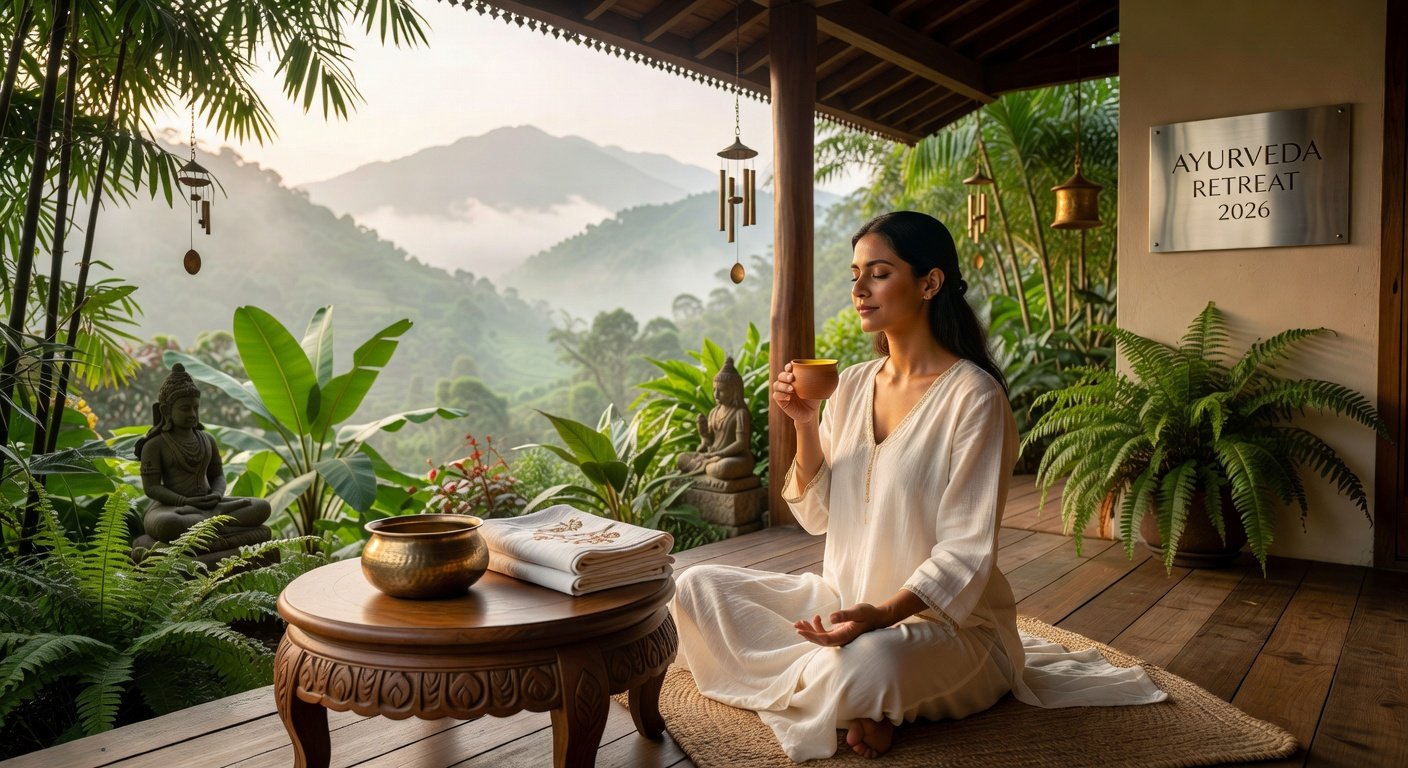
In 2026, wellness travel continues to evolve as a pathway to profound personal transformation, with Ayurvedic rituals serving as a cornerstone for holistic healing. Ayurveda, the ancient Indian system of medicine, focuses on balancing the three doshas—Vata, Pitta, and Kapha—through daily practices that align body, mind, and spirit. For travelers, these rituals offer practical tools to counteract the stresses of long flights, changing time zones, and unfamiliar environments. Whether exploring serene beaches in Southeast Asia or mountainous retreats in Europe, integrating Ayurvedic principles can lead to improved digestion, better sleep, and enhanced emotional resilience. This comprehensive guide outlines a full daily sequence designed specifically for on-the-go schedules, complete with adaptations, sourcing strategies, and real-world applications from leading destinations.
Morning Ritual: The Power of Oil Pulling
Oil pulling stands as one of the most accessible Ayurvedic morning practices, traditionally performed to detoxify the body and promote oral hygiene. Begin by selecting high-quality sesame oil for its warming properties or coconut oil for a cooling effect, depending on your dosha. Upon rising, take one tablespoon of the oil and swish it gently in your mouth for 10 to 15 minutes while engaging in light stretching or mindful breathing. This process draws out toxins, reduces plaque buildup, and stimulates digestive fire known as agni. Frequent travelers note that consistent oil pulling helps mitigate jet lag symptoms by regulating circadian rhythms and reducing inflammation from cabin pressure. For added benefits, incorporate a few drops of essential oils like peppermint if tolerated, but always test for sensitivities first. Variations include using sunflower oil in cooler climates to maintain balance. Many wellness enthusiasts combine this with tongue scraping using a copper tool to further cleanse the mouth before proceeding to hydration with warm lemon water.
Dosha-Specific Meals on the Road
Understanding your primary dosha allows for personalized nutrition that supports sustained energy during travel. Vata-dominant individuals should prioritize warm, moist foods such as oatmeal with nuts, root vegetable stews, and herbal teas to ground their airy nature. Pitta types thrive on cooling meals including cucumber salads, coconut-based dishes, and sweet fruits while avoiding spicy or acidic options. Kapha constitutions benefit from light, invigorating fare like quinoa salads with ginger and leafy greens to prevent sluggishness. When dining out, communicate preferences to hotel chefs or local eateries, requesting modifications like reduced salt for Pitta balance. Sample daily menus might include a spiced porridge breakfast, a midday lentil soup lunch, and an early evening vegetable stir-fry. This approach not only prevents common travel ailments like bloating but also fosters a deeper connection to seasonal and regional ingredients encountered along the journey.
Adapting Practices to Different Climates
Climate variations significantly impact dosha equilibrium, requiring thoughtful adjustments to your ritual sequence. In tropical, humid settings such as coastal Thailand or Costa Rica, emphasize Pitta-pacifying elements like shorter oil pulling sessions and increased intake of cooling herbs to avoid overheating. Arid or high-altitude locations, including the Andes or Moroccan deserts, call for Vata-soothing routines with extra self-massage using sesame oil and heavier, nourishing meals to combat dryness and fatigue. Cold northern European winters may aggravate Kapha, so incorporate stimulating spices like black pepper and maintain active evening walks. Observing your body's responses—such as increased thirst in dry air or irritability in heat—enables real-time tweaks. Wellness travelers often carry a small climate adaptation kit with portable oils and spices to ensure continuity regardless of destination conditions.
Sourcing Local Herbs While Traveling
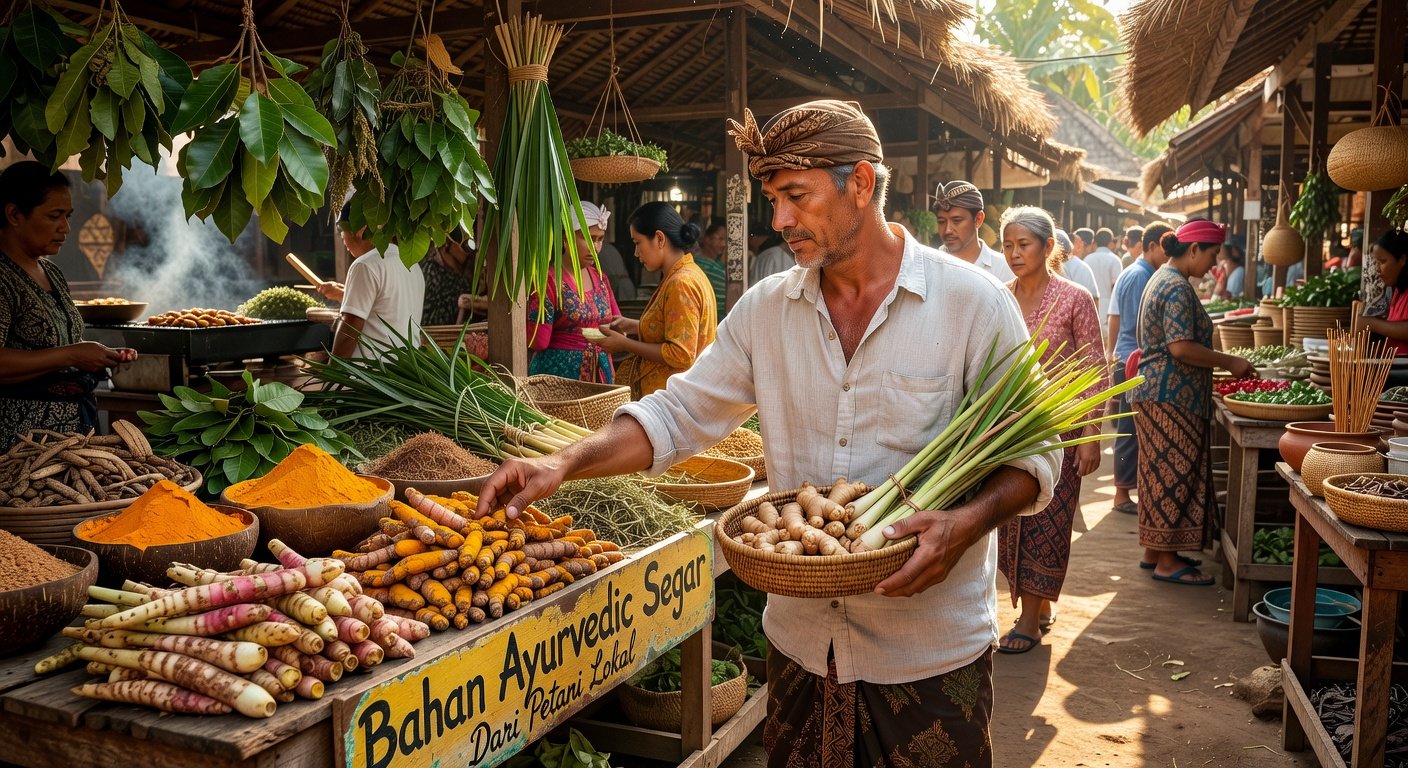
Enhancing rituals with fresh, locally sourced herbs deepens cultural immersion and efficacy. Markets in India offer abundant turmeric and ashwagandha for anti-inflammatory support, while Bali's herbal vendors provide ginger and lemongrass ideal for digestion. Always prioritize organic or traditionally grown options and inquire about preparation methods from knowledgeable locals. Safety considerations include starting with small quantities to monitor reactions and avoiding unverified wild plants. Portable options like tea bags or dried powders from reputable suppliers ensure you maintain consistency when fresh sourcing proves challenging. This practice not only bolsters immune function but also creates memorable connections with global healing traditions.
Evening Meditation for Restoration
Transitioning into restful evenings with meditation completes the daily cycle by calming accumulated mental and physical stress. Dedicate 15 to 20 minutes to techniques such as yoga nidra, alternate nostril breathing, or visualization of balanced doshas. These methods help process daily experiences and prepare the body for quality sleep, crucial after active travel days. Incorporate ambient sounds from nature apps or simple silence in hotel rooms. Over time, practitioners report reduced anxiety and sharper focus, making this ritual especially valuable for multi-destination itineraries.
Tracking Progress with a Travel Journal
A dedicated travel journal serves as an essential tool for monitoring holistic progress. Record daily entries covering ritual adherence, energy levels, digestive patterns, and mood shifts alongside notes on climate influences or meal adjustments. Use prompts like "How did oil pulling affect my morning alertness?" to encourage reflection. Over weeks, patterns emerge that guide refinements, such as increasing meditation duration during stressful periods. Many travelers enhance this with photos of local herbs or simple sketches for added mindfulness.
Real-World Examples from Popular Destinations
Destinations like Kerala's Ayurvedic resorts demonstrate integrated morning-to-evening sequences amid lush backwaters, where guests experience customized dosha meals and herb sourcing tours. In Ubud, Bali, wellness centers blend local traditions with meditation sessions overlooking rice paddies, yielding reports of profound rejuvenation. European retreats in the Alps adapt practices for cooler climates with warming spices, illustrating versatility. These examples highlight how rituals amplify travel benefits beyond relaxation into lasting health improvements.
Step-by-Step Daily Checklist
- Upon waking, hydrate with warm water and begin oil pulling for detoxification.
- Assess your dosha and select appropriate breakfast options from available local foods.
- Observe environmental factors and modify routines, such as adding extra oils in dry conditions.
- Visit markets or stores to acquire fresh herbs and prepare infusions.
- Engage in 15-20 minutes of evening meditation focused on breath or mantras.
- Document experiences, adjustments, and insights in your journal before resting.
- Repeat consistently while allowing flexibility for unexpected travel delays.
Common Mistakes to Avoid
Beginners often overlook consistency, skipping rituals during busy days, which diminishes cumulative benefits. Another pitfall involves ignoring personal dosha variations by following generic advice. Always cross-reference with qualified practitioners and start gradually to build sustainable habits.
Short FAQ
How do I integrate rituals with jet lag?
Begin with gentle oil pulling and hydration upon arrival, then ease into full meditation sequences as your body adjusts over 24-48 hours while maintaining light meals.
Are these practices safe for beginners?
Yes, start slowly with guidance from certified practitioners. Consult a healthcare provider before travel, especially if you have pre-existing conditions. Resources from NCCIH provide evidence-based overviews, while Mayo Clinic offers practical wellness integration tips.

No comments yet. Be the first!