 Veda Tour
Introduction to Panchakarma for Modern Wellness Travel
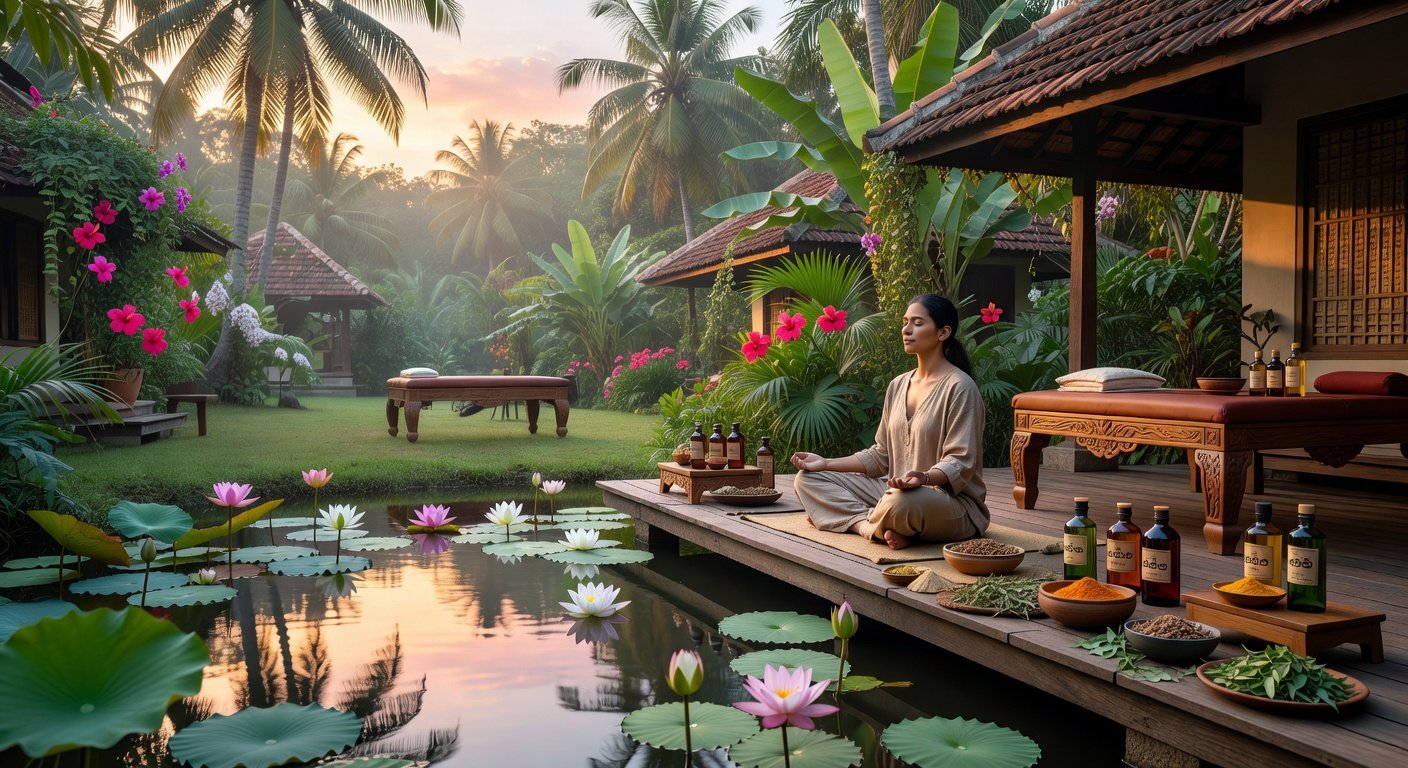
Travelers in 2026 are increasingly turning to Panchakarma, an ancient Ayurvedic treatment designed for deep detoxification and holistic healing. This comprehensive therapy helps reset the mind and body after the stresses of frequent journeys, jet lag, and irregular routines. As wellness travel continues to grow, Panchakarma offers a structured path to rejuvenation through personalized herbal therapies, dietary adjustments, and mindful practices.
Whether you're a frequent flyer seeking recovery or a first-time wellness explorer, understanding Panchakarma equips you with practical tools for sustainable health. This guide delves into every aspect, from initial consultations to long-term integration, ensuring your 2026 trip delivers lasting benefits.
What Panchakarma Entails: Core Principles of Ayurvedic Treatment
Panchakarma translates to "five actions" in Sanskrit, referring to five primary detoxification procedures: Vamana (therapeutic vomiting), Virechana (purgation), Basti (enema therapy), Nasya (nasal administration), and Raktamokshana (bloodletting, often omitted in modern settings). These processes eliminate accumulated toxins (ama) from the body while balancing the doshas—Vata, Pitta, and Kapha.
Unlike quick spa treatments, Panchakarma is a multi-week commitment rooted in traditional Ayurvedic medicine. Sessions typically span 7 to 21 days, tailored to individual constitutions assessed by qualified practitioners. The therapy combines oil massages, steam treatments, and internal cleansing to promote cellular renewal and mental clarity.
Benefits of Panchakarma for Post-Travel Mind-Body Reset
After long flights and disrupted schedules, many experience fatigue, digestive issues, and heightened stress. Panchakarma addresses these through holistic healing, improving digestion, enhancing sleep quality, and boosting immunity. Travelers report reduced inflammation, sharper focus, and emotional balance upon completion.
Scientific interest in Ayurvedic treatment continues to rise, with organizations like the World Health Organization recognizing traditional medicine's role in global health strategies. Regular Panchakarma can mitigate travel-related burnout, making it ideal for digital nomads and adventure seekers alike.
Step-by-Step Preparation for Your Panchakarma Journey
Proper preparation maximizes results. Begin 2-4 weeks before arrival with these steps:
- Diet Tweaks: Shift to light, sattvic foods like steamed vegetables, kitchari, and herbal teas. Eliminate processed items, caffeine, and alcohol to reduce toxin load.
- Consultations: Schedule a virtual or in-person assessment with an Ayurvedic doctor to determine your dosha and customize the program.
- Packing Essentials: Include loose cotton clothing, a journal for reflections, natural toiletries without chemicals, and any prescribed herbal supplements.
Additional tips include practicing daily yoga or meditation to mentally prepare and arranging flexible travel dates to avoid post-treatment rushing.
Finding Certified Centers in Emerging Destinations
Popular wellness hubs like Sri Lanka and Thailand host reputable Panchakarma retreats. Look for centers accredited by national Ayurvedic boards or affiliated with recognized institutions. In Sri Lanka, options near Colombo or in the hill country emphasize authentic protocols. Thailand's facilities often blend Ayurveda with local wellness traditions.
Verify credentials through reviews and direct inquiries. Prioritize locations offering English-speaking staff and transparent program outlines for safe, effective experiences.
What to Expect During 7-21 Day Programs
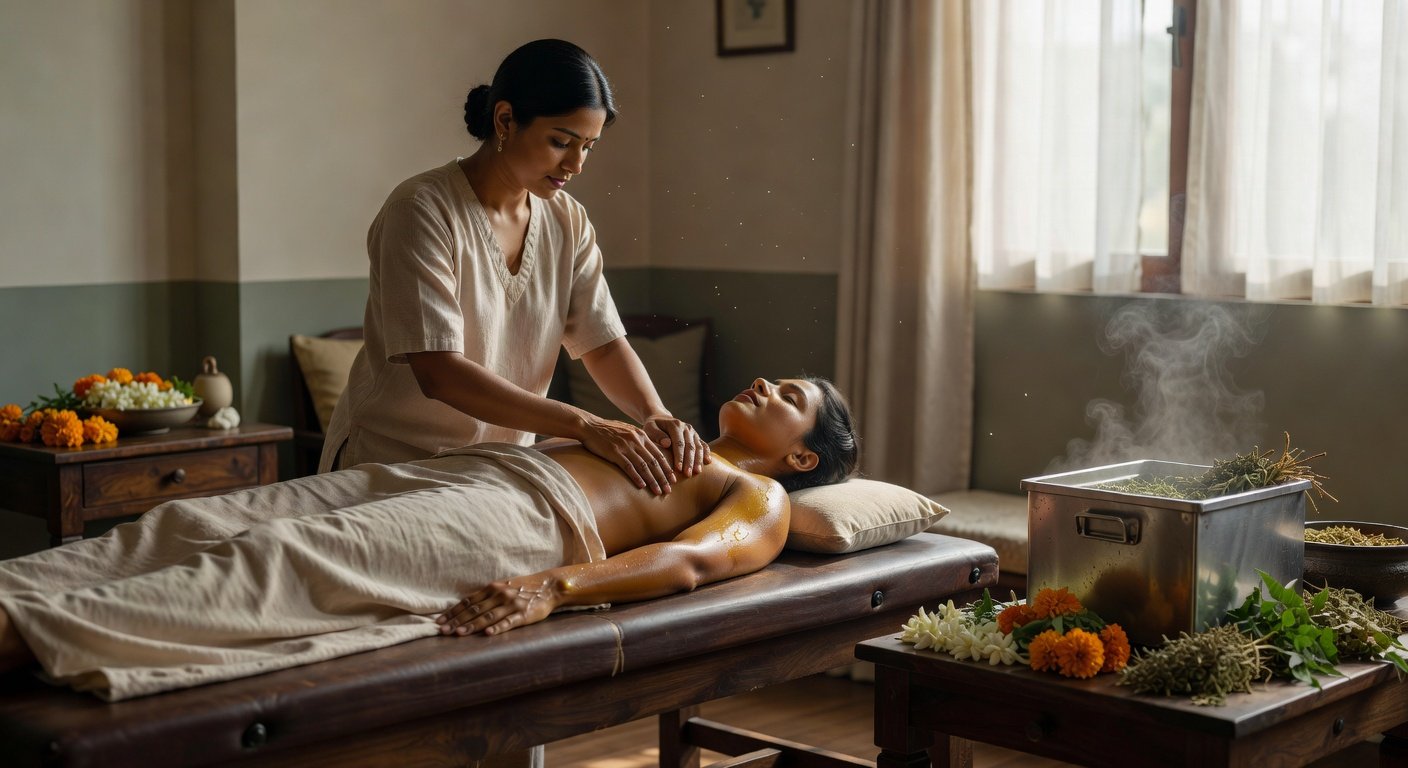
Typical days start with oil application (Abhyanga) followed by herbal steam baths and specific therapies based on your plan. Meals are simple and dosha-specific, served at set times. Expect periods of rest interspersed with gentle walks and guidance sessions.
Programs build progressively: initial days focus on loosening toxins, mid-program on elimination, and final days on rejuvenation with tonics and yoga. Side effects like mild fatigue or digestive changes are common but temporary.
Post-Treatment Integration Tips and Real Traveler Insights
Successful integration involves gradual return to routines. Continue light eating for 1-2 weeks, maintain hydration, and incorporate daily self-massage. Many travelers schedule follow-up virtual check-ins with their Ayurvedic practitioner.
Case studies illustrate impact: One business traveler from Europe described restored energy and better sleep after a 14-day program in Thailand. Another from the US noted improved digestion and reduced anxiety post-Sri Lanka retreat, crediting the holistic approach for sustained wellness during ongoing trips.
FAQs on Affordability, Suitability, and Side Effects
Is Panchakarma suitable for beginners? Yes, with proper medical screening, though starting with shorter durations helps newcomers adapt.
What about side effects? Temporary symptoms like headaches or loose stools may occur as toxins release; these subside with guidance.
How does duration affect results? Shorter 7-day programs offer introductory detox, while 21-day immersions provide deeper transformation.
Conclusion: Embracing Holistic Healing in 2026 Travel
Panchakarma stands as a powerful Ayurvedic treatment for those prioritizing wellness travel. By preparing thoughtfully, selecting certified centers, and integrating practices afterward, travelers achieve profound mind-body resets. As interest in holistic healing grows, this therapy promises enduring benefits for future journeys.
No comments yet. Be the first!