 Veda Tour
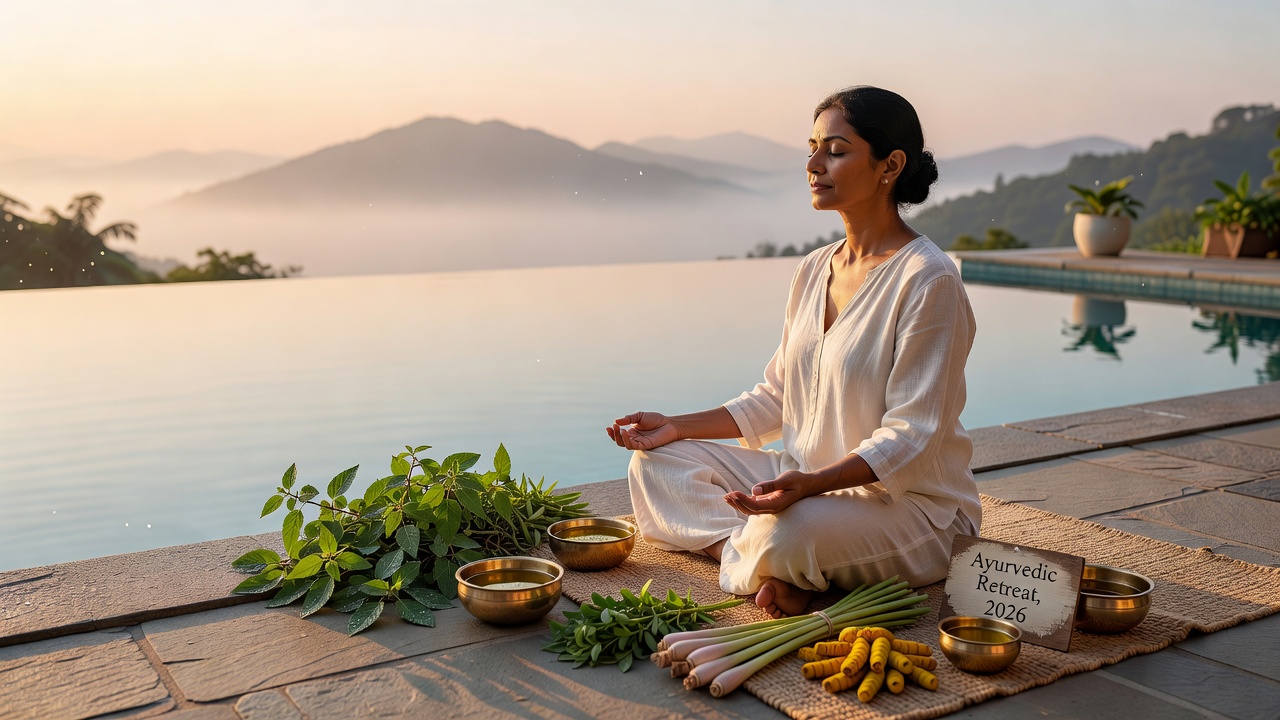
Introduction to Ayurvedic Mental Clarity in Modern Wellness Travel
Travelers seeking deeper cognitive restoration in 2026 are turning to advanced Ayurvedic treatment methods that address mental clarity through dosha-specific interventions. Unlike basic wellness getaways, these approaches integrate traditional herbal science with modern travel logistics to combat jet lag, screen fatigue, and chronic stress. The focus remains on evidence-informed practices that deliver measurable improvements in focus, memory retention, and emotional resilience during extended trips. This guide provides non-beginner travelers with detailed protocols, destination-specific examples, and implementation frameworks designed for sustained results.
Core Ayurvedic Principles for Cognitive Enhancement
Ayurveda attributes diminished mental clarity to aggravated Vata dosha disrupting the manovaha srotas, or channels of the mind. Advanced protocols begin with a detailed prakriti assessment that evaluates not only constitutional type but also current vikriti imbalances influenced by travel stressors such as time zone shifts and irregular meal patterns. Practitioners combine this with modern biomarkers like cortisol levels and heart-rate variability to create hybrid treatment plans. These plans prioritize oil therapies, sensory regulation, and circadian-aligned nutrition over generic spa menus.
Herbal Protocols for Sustained Focus
Leading programs prescribe graduated herbal regimens starting 14 to 21 days before departure. Core formulas blend Bacopa monnieri for synaptic plasticity, Shankhapushpi for neurotransmitter stabilization, and Gotu Kola for cerebral circulation. Dosages are adjusted according to individual digestive fire and travel duration, often combined with Brahmi taila for daily head and foot massage. These combinations support long-term neuroprotection when paired with triphala for gentle detoxification. 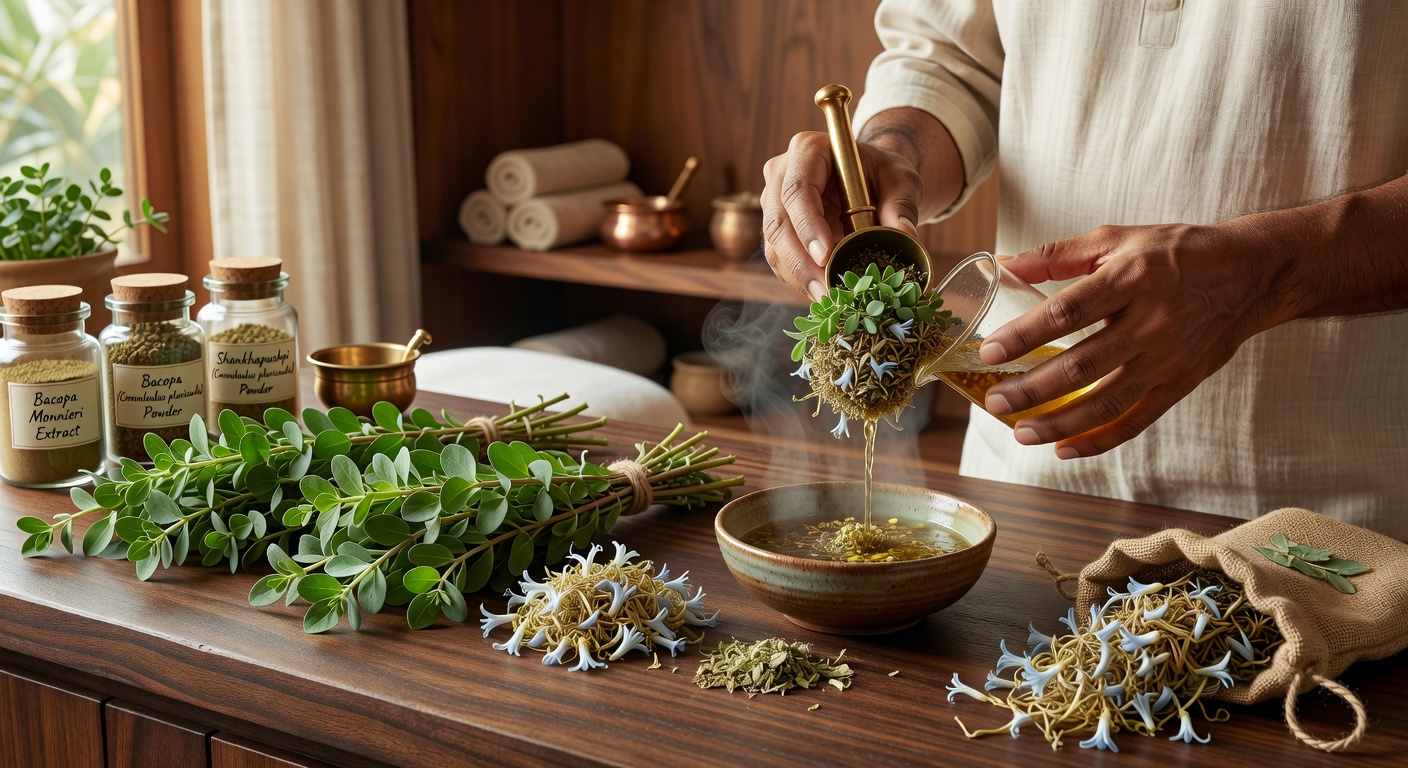
Meditation Integration at Destination Sites
Wellness centers in Kerala and Ubud integrate Trataka, Nada yoga, and layered Pranayama sessions timed to local sunrise. Advanced participants progress from basic breath awareness to 45-minute sessions combining anulom vilom with visualization of the ajna chakra. These practices are embedded within structured daily schedules that include silence periods and nature immersion walks. Real-time biofeedback devices sometimes track progress, allowing facilitators to refine techniques for optimal alpha-wave enhancement.
Daily Routines Tailored for Long Flights and Stays
Pre-departure preparation includes a three-day light diet emphasizing warm, spiced liquids and early bedtimes. During flights, travelers perform micro-practices every 90 minutes: seated cat-cow stretches, alternate-nostril breathing for five cycles, and warm water sips with fennel seeds. Upon arrival, the first 48 hours focus on re-establishing dinacharya through oil pulling, tongue scraping, and a fixed sleep window aligned to the new time zone. Evening routines incorporate nasya with anu taila and 20-minute yoga nidra to accelerate nervous system reset.
Real-World Examples from 2026 Wellness Routes
The Sri Lanka Ayurvedic coastal circuit pairs 10-day Panchakarma with guided forest meditation at sites near Koggala Lake. Participants follow customized herbal schedules while participating in dawn beach walks and evening marma point therapy. In Costa Rica, Pacific wellness lodges combine Gotu Kola protocols with zip-line-free hiking trails and ocean sound meditation. European routes through Portugal’s Alentejo region offer shorter five-day intensives that emphasize flight-recovery routines for transatlantic travelers. Each destination provides post-program tracking tools to maintain gains for three to six months afterward.
Step-by-Step Implementation Plans
Begin with a virtual consultation two months ahead to finalize herb sourcing and dosha mapping. Procure travel-safe formulations from certified suppliers and prepare a portable kit containing oils, teas, and guided audio files. Upon booking accommodations, verify that the facility offers daily consultations with licensed Ayurvedic physicians. During the trip, maintain a simple journal logging sleep quality, focus levels, and any digestive changes. After return, continue a maintenance phase of reduced herbal intake and weekly meditation for at least 30 days to consolidate benefits. Adjust based on seasonal changes and upcoming travel frequency.
Comparing Treatment Efficacy Across Modalities
Herbal monotherapy yields noticeable focus improvements within 10 to 14 days yet shows diminishing returns without lifestyle integration. Meditation-augmented protocols demonstrate superior outcomes in attention span and stress resilience after 21 days, according to traveler-reported metrics. Full Panchakarma delivers the most comprehensive reset but requires minimum 12-day commitments and post-treatment dietary discipline. Hybrid models combining herbs, meditation, and adapted routines consistently outperform single-modality approaches in longitudinal follow-ups, particularly for frequent flyers managing multiple time zones.
Mistakes to Avoid During Implementation
- Skipping pre-travel acclimation periods leads to intensified jet lag symptoms.
- Using non-standardized herbs increases risk of inconsistent potency and digestive upset.
- Ignoring meal timing at destinations disrupts agni and undermines cognitive gains.
- Overloading schedules with too many therapies prevents nervous system recovery.
Frequently Asked Questions
How is personalization handled for different doshas during travel?
Initial assessments combine traditional pulse reading with detailed lifestyle questionnaires. Adjustments account for flight duration, destination climate, and existing health conditions to ensure both safety and efficacy throughout the itinerary.
Are these protocols safe for international travel?
When sourced from GMP-certified suppliers and aligned with WHO guidelines on traditional medicine, the protocols maintain high safety standards. Travelers should always disclose concurrent medications to prevent interactions.
What evidence supports cognitive benefits?
Multiple studies catalogued at NCBI indicate improvements in memory consolidation and reduced oxidative stress markers following consistent use of Bacopa and Shankhapushpi combinations over four weeks.
Can simplified routines be maintained without a full retreat?
Yes. Portable kits and twice-daily micro-practices allow business travelers to sustain benefits during shorter trips while preserving progress made during longer wellness programs.
How soon do results typically appear?
Most participants notice sharper focus within seven to ten days of consistent herbal and routine adherence, with peak clarity emerging after three weeks of integrated practice.
What follow-up support exists after returning home?
Reputable centers provide virtual consultations and maintenance herb refills for up to six months, helping travelers integrate lessons into everyday schedules.
Conclusion
Advanced Ayurvedic treatment methods for mental clarity deliver practical, layered solutions tailored to the demands of 2026 wellness travel. Through targeted herbal protocols, structured meditation, and adaptable daily routines, travelers achieve lasting cognitive and emotional benefits that extend well beyond individual trips. Careful planning and consistent application transform wellness journeys into sustainable investments in long-term mental performance.
No comments yet. Be the first!