 Veda Tour
Discovering Ayurveda: A Beginner's Gateway to Holistic Wellness Travel
Ayurveda, the ancient Indian system of medicine, offers profound holistic healing through natural therapies tailored to your body's unique needs. For beginners embarking on wellness travel in 2026, treatments like Abhyanga massage and Panchakarma stand out as transformative experiences. These therapies not only detoxify and rejuvenate but also promote long-term balance when integrated into travel itineraries. Whether you're in Kerala, Bali, or European retreats adopting Ayurvedic principles, this guide equips you with essentials to start your journey confidently.
Ayurveda Fundamentals for Wellness Travelers
Ayurveda translates to "science of life" and emphasizes balancing the three doshas: Vata (air/ether), Pitta (fire/water), and Kapha (earth/water). Wellness travel incorporating Ayurveda helps combat modern stress, improve immunity, and foster mental clarity. According to the World Health Organization, traditional medicines like Ayurveda are used by billions globally, underscoring their relevance in contemporary health tourism.
Beginners should start by understanding their dosha via free online quizzes or consultations. This personalization ensures treatments align with your constitution, maximizing benefits during trips.
Key Ayurvedic Treatments: Abhyanga and Panchakarma Explained
Abhyanga: The Daily Oil Massage Ritual
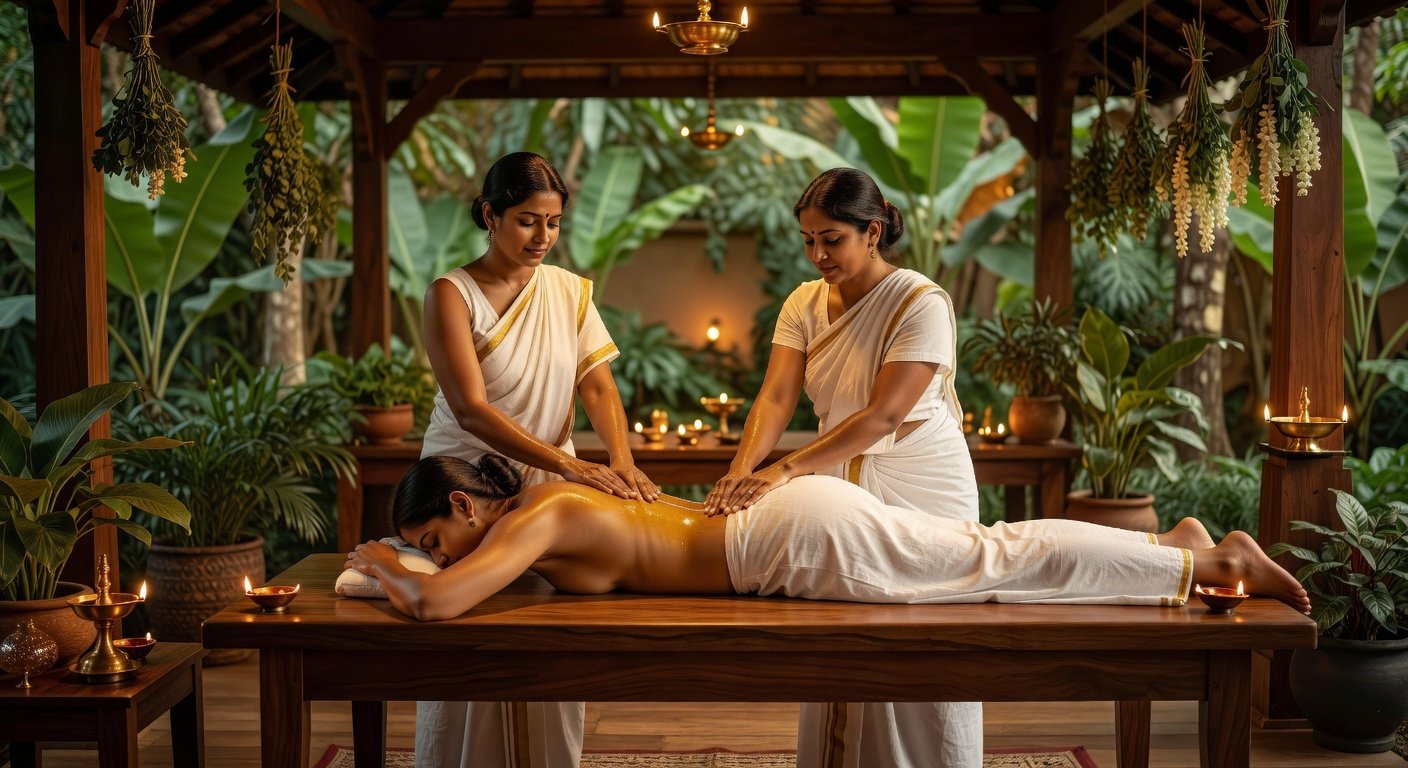
Abhyanga is a warm herbal oil massage performed by two therapists in synchronized strokes. It nourishes tissues, improves circulation, and calms the nervous system—ideal for jet-lagged travelers. Sessions last 45-60 minutes, using sesame, coconut, or medicated oils based on your dosha.
Benefits include better sleep, glowing skin, and reduced anxiety. In wellness destinations like Goa or Sri Lanka, Abhyanga is often paired with steam therapy (Swedana) for deeper detoxification.
Panchakarma: The Ultimate Detox and Rejuvenation Program
Panchakarma is Ayurveda’s gold standard for cleansing, involving five therapies: Vamana (emesis), Virechana (purgation), Basti (enema), Nasya (nasal administration), and Raktamokshana (bloodletting, less common). A full course spans 7-21 days, supervised by expert physicians.
It eliminates toxins (ama), resets digestion, and revitalizes energy. Perfect for wellness retreats, it requires commitment but yields profound results like enhanced vitality and disease resistance.
How to Select Authentic Ayurvedic Sessions Worldwide
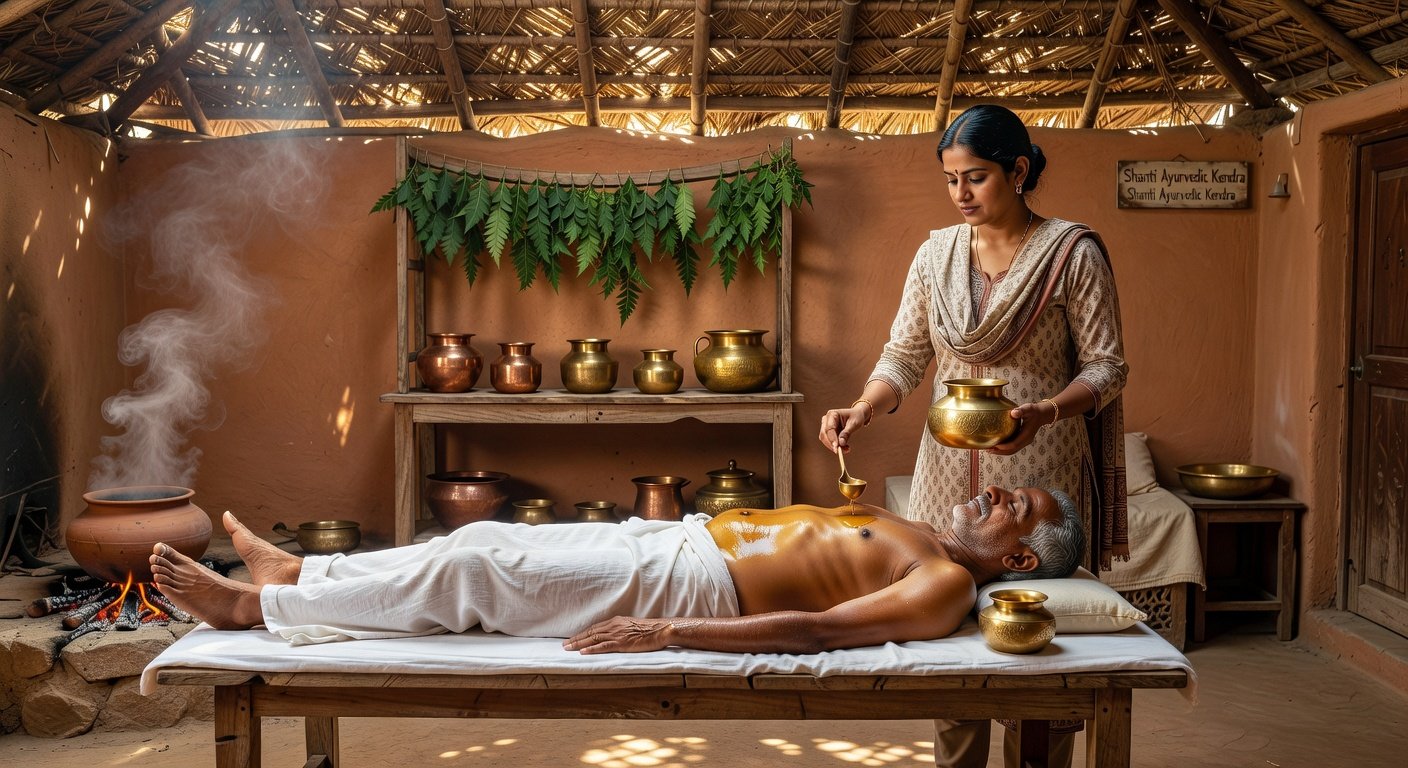
Authenticity is crucial amid the wellness travel boom. Look for centers certified by India’s Ministry of AYUSH, such as those in Kerala’s government-approved clinics. Globally, seek affiliations with the Ministry of AYUSH or international bodies like the Ayurvedic Institute of America.
- Research Credentials: Verify physicians' BAMS (Bachelor of Ayurvedic Medicine and Surgery) degrees.
- Read Reviews: Platforms like TripAdvisor highlight genuine experiences; prioritize centers with 4.5+ stars and dosha-specific programs.
- Global Hotspots: India (Kerala, Rishikesh), Bali (Ubud retreats), Europe (Tuscany Ayurvedic spas), USA (California wellness resorts).
- Sustainable Choices: Opt for eco-friendly centers using organic herbs to align with holistic ethos.
Avoid tourist traps offering diluted versions; authentic sessions use fresh, sourced ingredients.
Booking Authentic Sessions: Step-by-Step Guide
- Assess Needs: Determine dosha and goals (stress relief? Detox?). Book consultations via center websites.
- Compare Packages: Expect $100-300/day for Abhyanga; $2,000-5,000 for Panchakarma (including lodging). Use sites like BookRetreats.com or direct bookings for 2026 availability.
- Secure Visa/Travel: India’s medical wellness visa suits extended stays. Confirm insurance covers therapies.
- Book Early: Peak seasons (Oct-Mar in India) fill fast; reserve 3-6 months ahead.
Many retreats offer virtual pre-assessments for customized plans.
Preparation Steps for Optimal Ayurvedic Healing
Prep starts weeks before travel:
- Diet Transition: Ease into sattvic foods (fresh veggies, grains, avoid caffeine/alcohol) 2 weeks prior.
- Lifestyle Adjustments: Establish dinacharya (daily routine): early rising, oil pulling, gentle yoga.
- Mental Prep: Practice meditation; journal intentions.
- Health Check: Consult your doctor, especially for Panchakarma’s intensity.
Pack loose cotton clothes, natural toiletries, and an open mind.
Integrating Treatments into Your 2026 Wellness Itinerary
Seamless integration amplifies results. Sample 10-day itinerary:
| Day | Activity |
|---|---|
| 1-2 | Arrival, dosha consult, light Abhyanga |
| 3-7 | Panchakarma phases + yoga/pranayama |
| 8-9 | Rejuvenation therapies, nature walks |
| 10 | Follow-up, departure prep |
Combine with local exploration: Ayurvedic cooking classes in Kerala or beach meditations in Bali. Allocate rest days to assimilate effects.
Daily Routines for Lasting Wellness Benefits Post-Trip
To sustain 2026 gains:
- Home Abhyanga: Self-massage 10-15 mins daily with dosha oils.
- Diet & Herbs: Incorporate turmeric, ashwagandha; follow seasonal eating.
- Mindfulness: Daily meditation, early sleep (before 10 PM).
- Track Progress: Journal dosha balance; revisit retreats annually.
Studies from the National Center for Complementary and Integrative Health support Ayurveda's role in stress reduction, reinforcing routine integration.
Embrace Ayurvedic Wellness Travel in 2026
As wellness tourism evolves, Abhyanga and Panchakarma offer beginners authentic paths to holistic healing. By selecting certified centers, preparing mindfully, and weaving therapies into daily life, you'll unlock enduring vitality. Start planning your transformative 2026 escape today—your balanced self awaits.
No comments yet. Be the first!