 Veda Tour
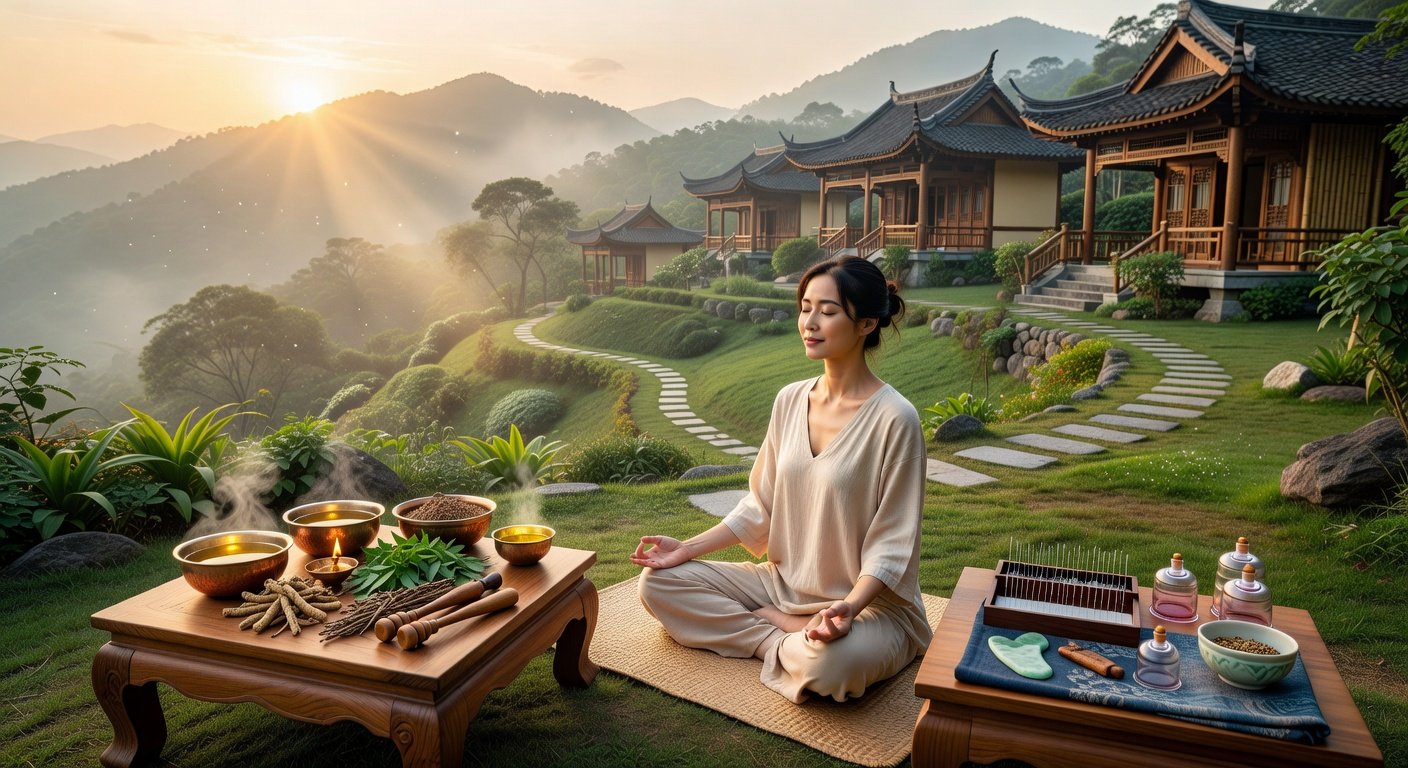
Introduction to Holistic Healing on Wellness Travel Adventures
In 2026, wellness travel is evolving beyond yoga retreats and spa days into deep dives into ancient healing systems. Ayurveda from India and Traditional Chinese Medicine (TCM) from China stand out as pillars of holistic health. Both emphasize balance, prevention, and natural therapies, making them ideal for travelers seeking stress reduction and immunity enhancement. This guide compares their core treatments like Panchakarma versus acupuncture, highlights benefits, spotlights top Asian destinations, and offers tips for blending them into your itinerary. Plus, a personalized decision framework based on your dosha (Ayurvedic body type) or TCM body constitution.
Understanding Ayurveda: The Science of Life
Ayurveda, originating over 5,000 years ago in India, views health as harmony among body, mind, and spirit. It categorizes individuals into three doshas: Vata (air/ether), Pitta (fire/water), and Kapha (earth/water). Treatments aim to balance these through diet, herbs, yoga, and detoxification.
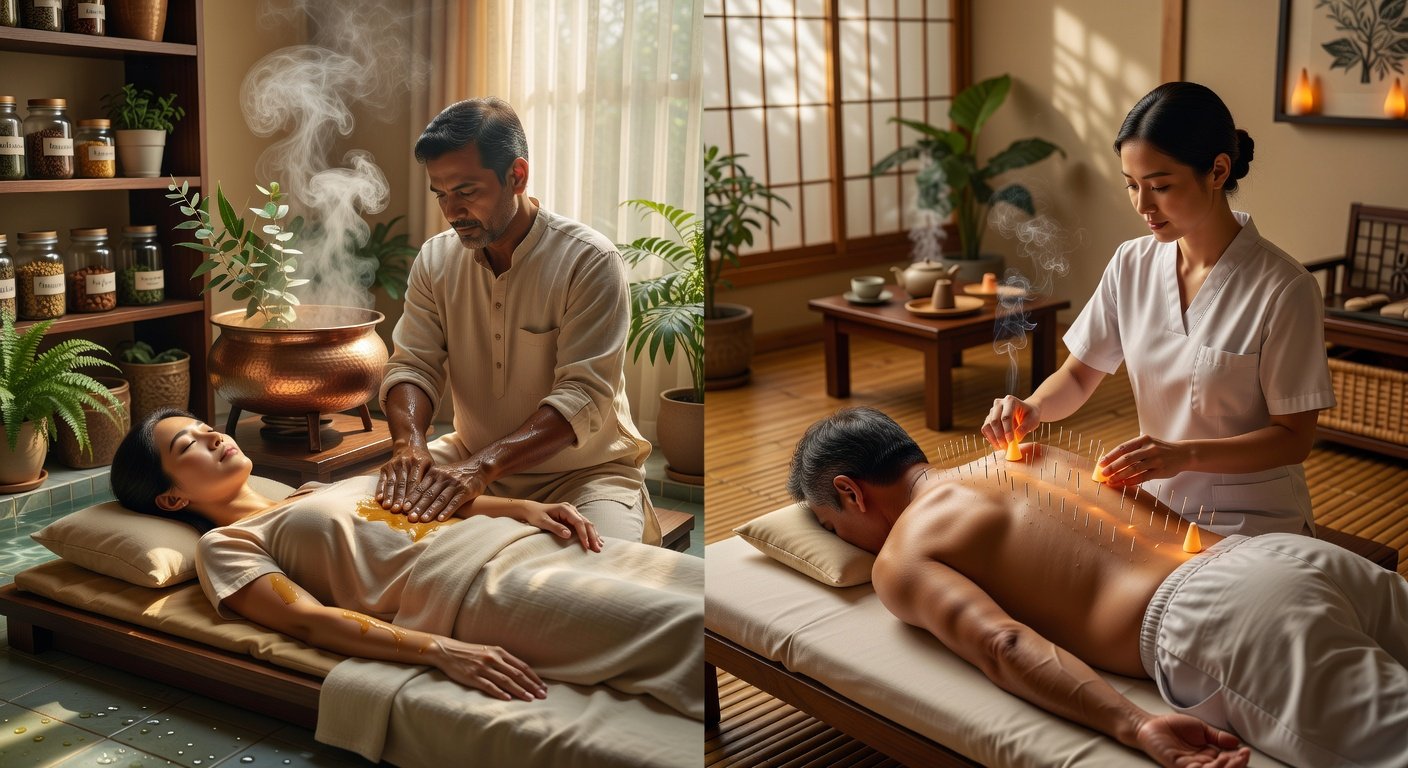
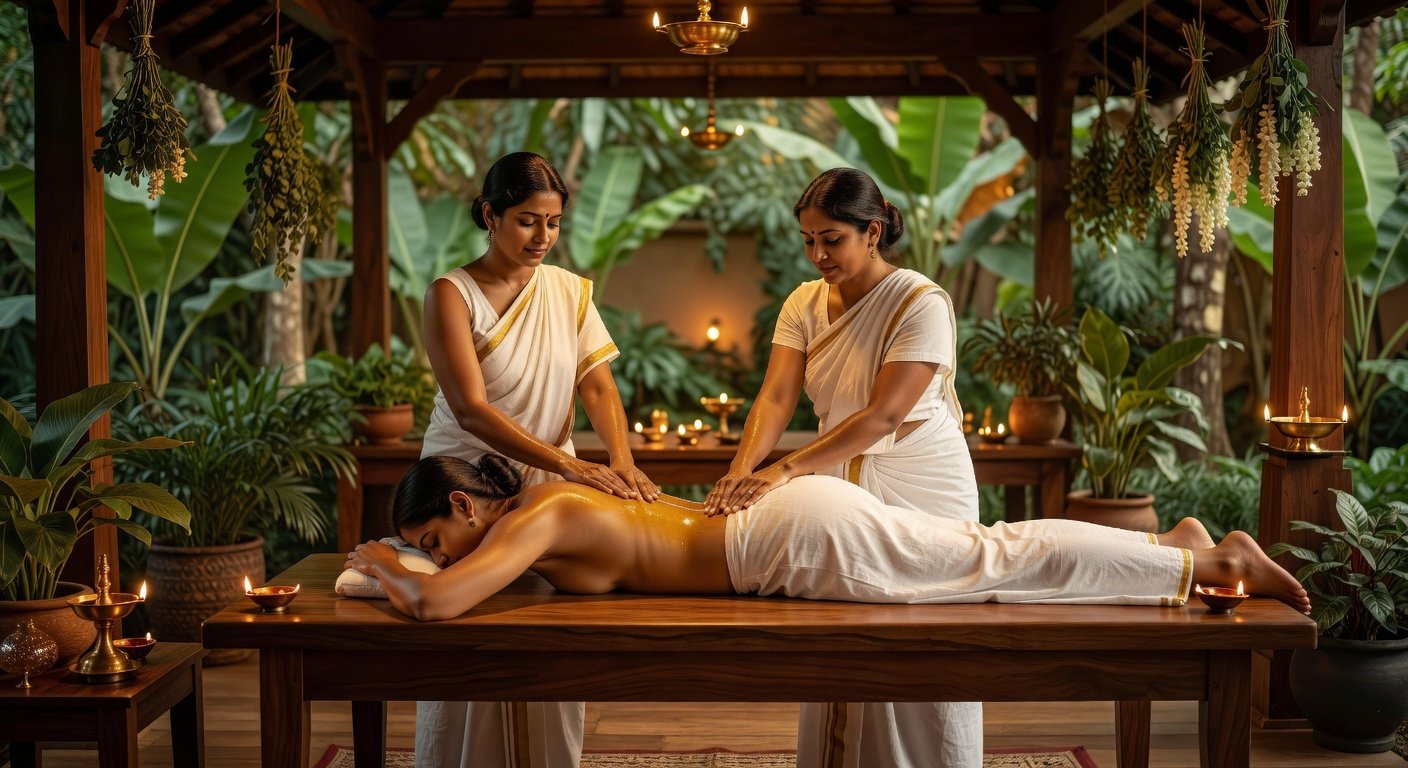
Central to Ayurvedic wellness travel is Panchakarma, a five-action cleanse involving oil massages (Abhyanga), steam therapy (Swedana), enemas (Basti), nasal irrigation (Nasya), and purgation (Virechana). It's a transformative reset for modern stressors.
Traditional Chinese Medicine (TCM): Balancing Qi and Yin-Yang
TCM, with roots over 2,500 years old, focuses on Qi (vital energy), Yin-Yang balance, and five elements (wood, fire, earth, metal, water). Body types include Qi deficiency, Yang deficiency, Yin deficiency, blood stasis, and phlegm-dampness.
Acupuncture, a hallmark TCM therapy, uses fine needles on meridian points to unblock Qi flow. Paired with moxibustion (herb burning), cupping, and herbal formulas, it promotes circulation and harmony. The National Center for Complementary and Integrative Health notes acupuncture's efficacy for pain and stress.
Panchakarma vs Acupuncture: Key Therapies Compared
Panchakarma is intensive, often spanning 7-21 days in a retreat setting with daily therapies, customized oils, and sattvic diets. It's deeply detoxifying, purging toxins (Ama) for profound rejuvenation.
Acupuncture sessions are shorter (30-60 minutes), repeatable, and less invasive, targeting specific imbalances like insomnia or digestive issues. While Panchakarma rebuilds from the ground up, acupuncture fine-tunes energy flow.
| Aspect | Panchakarma (Ayurveda) | Acupuncture (TCM) |
|---|---|---|
| Duration | 1-3 weeks | 30-60 mins per session |
| Focus | Detox & rejuvenation | Energy balance & symptom relief |
| Intensity | High (daily immersion) | Moderate (outpatient) |
Choose Panchakarma for a full reset; acupuncture for ongoing maintenance during travel.
Benefits for Stress Reduction and Immunity Boost
Both systems excel in combating chronic stress and bolstering immunity, crucial for post-pandemic travelers.
- Stress Relief: Ayurveda's Shirodhara (oil poured on forehead) calms Vata-induced anxiety. TCM's acupuncture lowers cortisol, as per studies from the World Health Organization.
- Immunity: Panchakarma enhances Ojas (vital essence), while TCM tonifies Wei Qi (defensive energy). Herbs like Ashwagandha (Ayurveda) and Astragalus (TCM) amplify effects.
Travelers report 70-80% stress reduction after programs, with sustained immunity gains.
Top Destinations in Asia for 2026 Wellness Travel
Asia's wellness hubs are primed for 2026, blending luxury with authenticity.
- Kerala, India (Ayurveda): Somatheeram or Kairali Ayurvedic Healing Village offer authentic Panchakarma amid backwaters. Expect monsoon retreats June-September.
- Bali, Indonesia (Ayurveda Fusion): Fivelements Retreat integrates Ayurveda with Balinese healing.
- Chengdu, China (TCM): Sichuan TCM University clinics provide acupuncture immersions near panda reserves.
- Thailand (TCM & Ayurveda): Chiang Mai's TCM hospitals and Koh Samui's Ayurvedic resorts.
- Sri Lanka (Ayurveda): Bentota's Barberyn Ayurveda Resort for coastal Panchakarma.
Book early; 2026 sees rising demand post-global recovery.
Tips for Integrating Both into Your Itinerary
Combine for synergistic effects without overload.
- Week 1: Ayurveda Detox in Kerala (Panchakarma base).
- Week 2: TCM Tune-Up in Thailand (acupuncture + herbs).
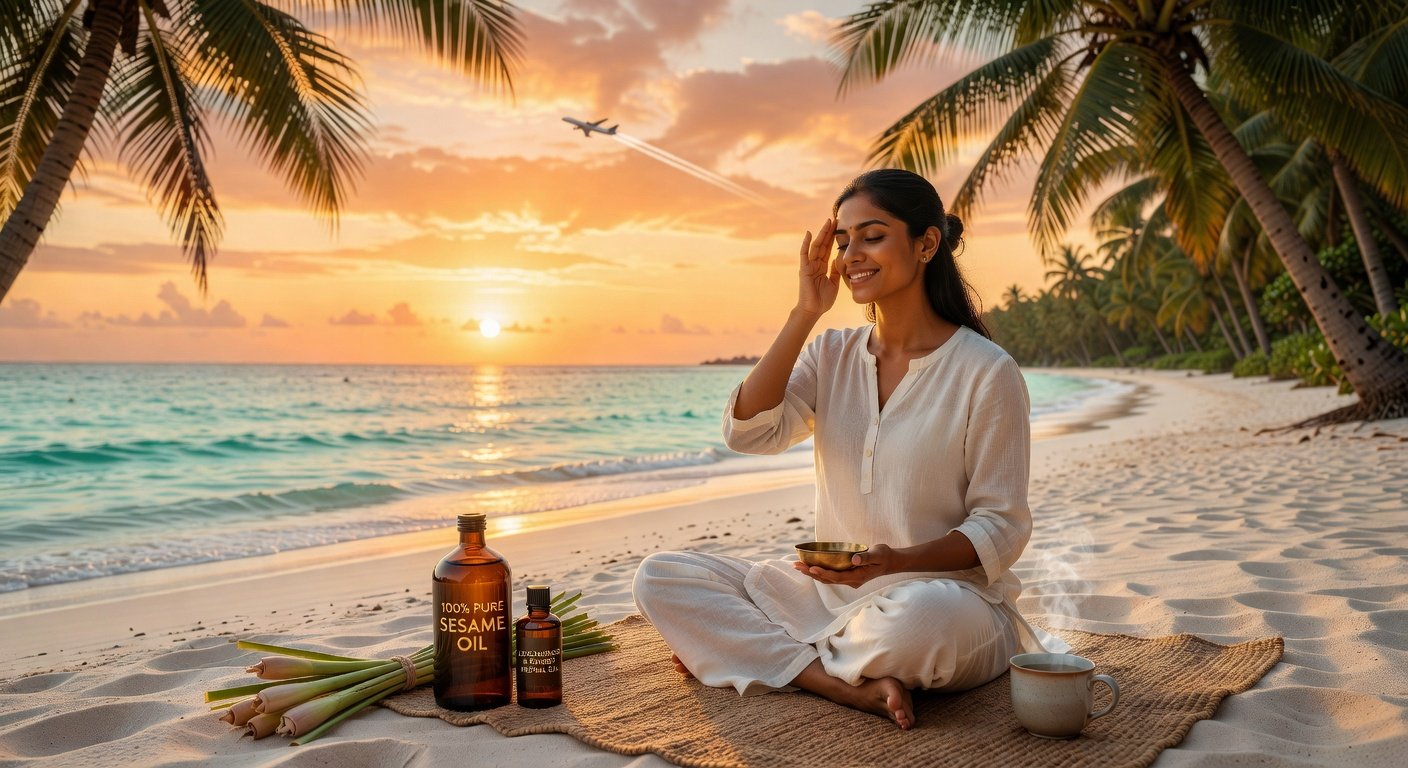
- Daily Practices: Morning oil pulling (Ayurveda), evening acupressure (TCM).
- Travel Smart: Consult pre-trip (e.g., pulse diagnosis). Hydrate, avoid jet lag with Abhyanga self-massage.
- Sustainable Choices: Opt for certified centers via Ministry of AYUSH.
A 14-day hybrid itinerary: Days 1-7 Panchakarma, Days 8-14 acupuncture + Qigong, with yoga bridges.
Decision Framework: Personalize by Dosha or Body Type
Use this chart to choose:
| Your Profile | Best Fit | Why & Therapies |
|---|---|---|
| Vata (dry, anxious) / Qi Deficiency | Ayurveda primary | Warming oils, grounding Panchakarma; supplement acupuncture. |
| Pitta (fiery, irritable) / Yin Deficiency | TCM primary | Cooling acupuncture; balance with Ayurvedic cooling herbs. |
| Kapha (heavy, sluggish) / Damp-Phlegm | Hybrid | Stimulating Panchakarma + invigorating cupping. |
Take a free online dosha quiz or TCM constitution test. Consult practitioners for precision.
Plan Your 2026 Holistic Adventure
Whether immersing in Panchakarma's depths or acupuncture's precision, Ayurveda and TCM offer timeless paths to vitality. Tailor to your needs, explore Asia's gems, and return renewed. Start with a consultation and book now—transformative healing awaits in 2026.
No comments yet. Be the first!