 Veda Tour
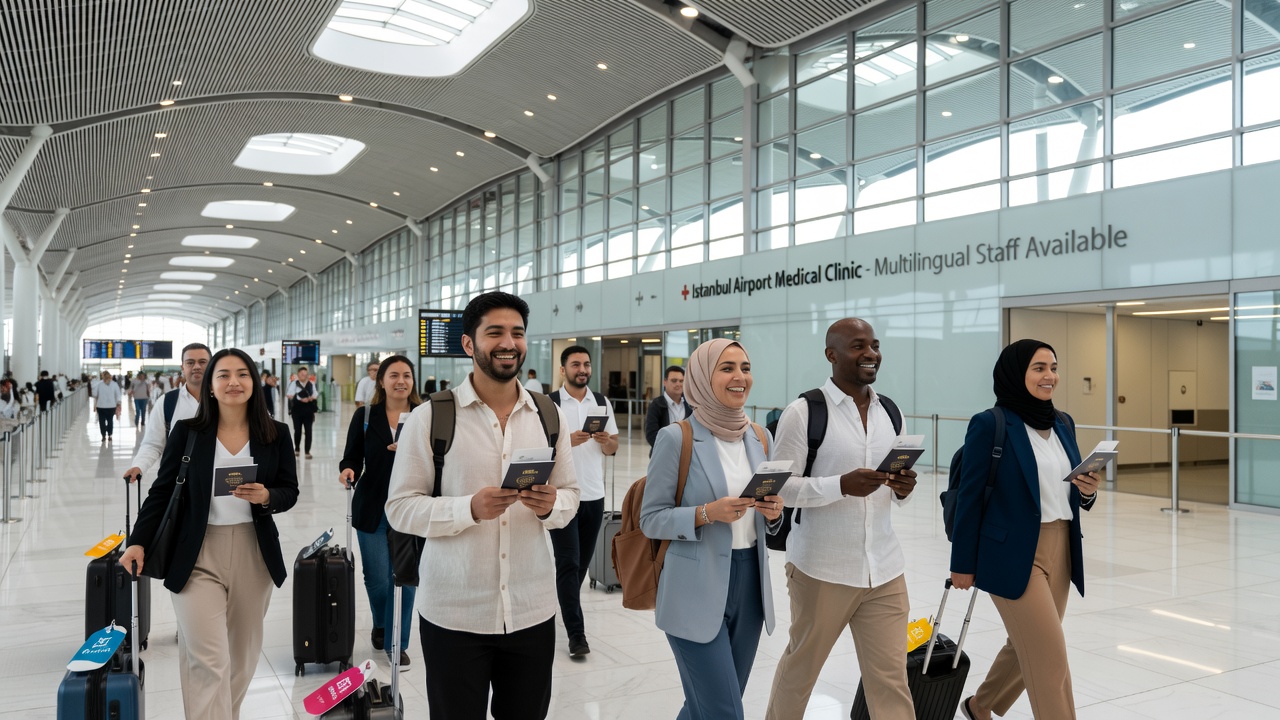
Introduction to Turkey Hair Transplant Medical Tourism in 2026
Turkey continues to lead the world in affordable, high-quality hair transplant procedures, attracting thousands of first-time medical tourists each year. With advanced clinics in Istanbul and Antalya offering cutting-edge techniques like FUE and DHI, the destination combines medical excellence with cultural appeal. This comprehensive guide focuses on streamlining every aspect of your journey, from visa requirements to post-procedure logistics, ensuring a smooth experience tailored to 2026 travel realities. Medical tourists often face hurdles with entry rules, flight costs, and on-ground coordination. By mastering these elements, you can minimize stress and maximize recovery time after your procedure. We'll cover current visa policies for major source countries, practical booking strategies, and a customizable 7-day itinerary that includes buffer time for rest and follow-ups. Understanding these details helps first-time visitors avoid common pitfalls such as last-minute documentation issues or inefficient transfers that can disrupt healing.
Preparation starts months ahead. Researching clinic credentials, confirming surgeon experience, and aligning travel dates with procedure availability are foundational steps. Many travelers combine their medical trip with light sightseeing once cleared by their doctor, turning the visit into a balanced wellness journey. Throughout this article, we provide concrete examples and decision-useful details to make your planning straightforward and effective.
Current 2026 Visa Rules for Major Source Countries
Visa requirements for Turkey in 2026 emphasize e-visa systems for efficiency. Citizens from the United States, United Kingdom, Canada, and Australia typically qualify for 90-day e-visas, while many EU nationals enjoy visa-free entry for up to 90 days. Always verify your specific nationality on official portals before booking. For instance, US passport holders must apply online and receive approval via email, which they print or store digitally. UK travelers follow a similar process but should note any post-Brexit adjustments that remain in effect. Canadians and Australians benefit from straightforward online portals that accept major credit cards for the modest processing fee.
Key updates include streamlined online applications with biometric data integration. Processing times average 3-5 business days, but apply at least two weeks ahead. For citizens of countries requiring visas, prepare a valid passport with six months validity beyond your planned departure. Travelers from countries like India or South Africa may need additional supporting documents such as proof of accommodation and return tickets. Always cross-check with the Turkish Ministry of Foreign Affairs for any sudden policy shifts influenced by global events. Learn more about official Turkish entry requirements.
E-Passport Tips for Seamless Entry
Electronic passports with biometric chips speed up border control at Istanbul and Antalya airports. Ensure your e-passport is valid and not damaged. Carry printed e-visa approval alongside digital copies on your phone. Pro tip: Register for Turkey's e-visa portal early and use a VPN if accessing from restricted networks. Double-check photo specifications to avoid rejection. Travelers report faster processing when using automated gates available to e-passport holders from eligible countries. Another practical step is to keep a physical copy of your flight itinerary and hotel reservation in your carry-on bag, as immigration officers occasionally request these documents. If your passport was recently renewed, confirm the chip is functioning by testing it at automated kiosks available in major departure airports before travel.
Optimal Booking Windows for Cheap Flights to Istanbul or Antalya
Book flights 8-12 weeks in advance for the best rates to Istanbul (IST or SAW) or Antalya (AYT). Mid-week departures, especially Tuesdays and Wednesdays, often yield savings. Consider flexible dates around your surgery to align with clinic schedules. For travelers from North America, connecting through major European hubs like Frankfurt or Amsterdam can reduce overall costs compared to direct options. From the UK, low-cost carriers flying into secondary Istanbul airports frequently offer competitive fares when booked during shoulder seasons. Set up price alerts on reputable flight comparison sites and be ready to book quickly when deals appear. Factor in potential baggage fees for medical supplies and allow extra time for connections to avoid missing transfers arranged by your clinic.
Airport-to-Clinic Transfer Hacks
Private transfers booked through your clinic are the most reliable option, often including meet-and-greet services. For budget alternatives, use official airport taxis or pre-arranged shuttles via apps. Avoid unofficial drivers to prevent overcharging. Istanbul's new airport offers efficient connections via metro or dedicated medical tourism shuttles. In Antalya, coastal routes to clinics are straightforward. Schedule arrivals during daylight hours for easier navigation. Many clinics coordinate with trusted local drivers who speak basic English and provide bottled water and comfort kits for post-flight recovery. Download offline maps in advance and share your live location with a trusted contact. If arriving late, confirm 24-hour transfer availability with your clinic to prevent delays that could affect your first consultation.
Sample 7-Day Itinerary Template
Day 1: Arrival and clinic consultation. Settle into your hotel, undergo initial assessment, and receive pre-op instructions. Day 2: Procedure day with rest. Expect several hours in the clinic followed by immediate aftercare guidance. Day 3-5: Recovery with light walks in safe areas near your accommodation. Focus on hydration, gentle movement, and avoiding direct sunlight. Day 6: Follow-up appointment to check progress and receive final care products. Day 7: Departure with aftercare briefing. Adjust based on your surgery type and personal recovery. Include buffer days for unexpected delays. Clinics often provide transportation between hotel and facility, along with daily check-in calls from coordinators. This structure allows time for rest while incorporating flexibility for any minor complications that require extra monitoring.
Packing List Tailored to Post-Op Needs
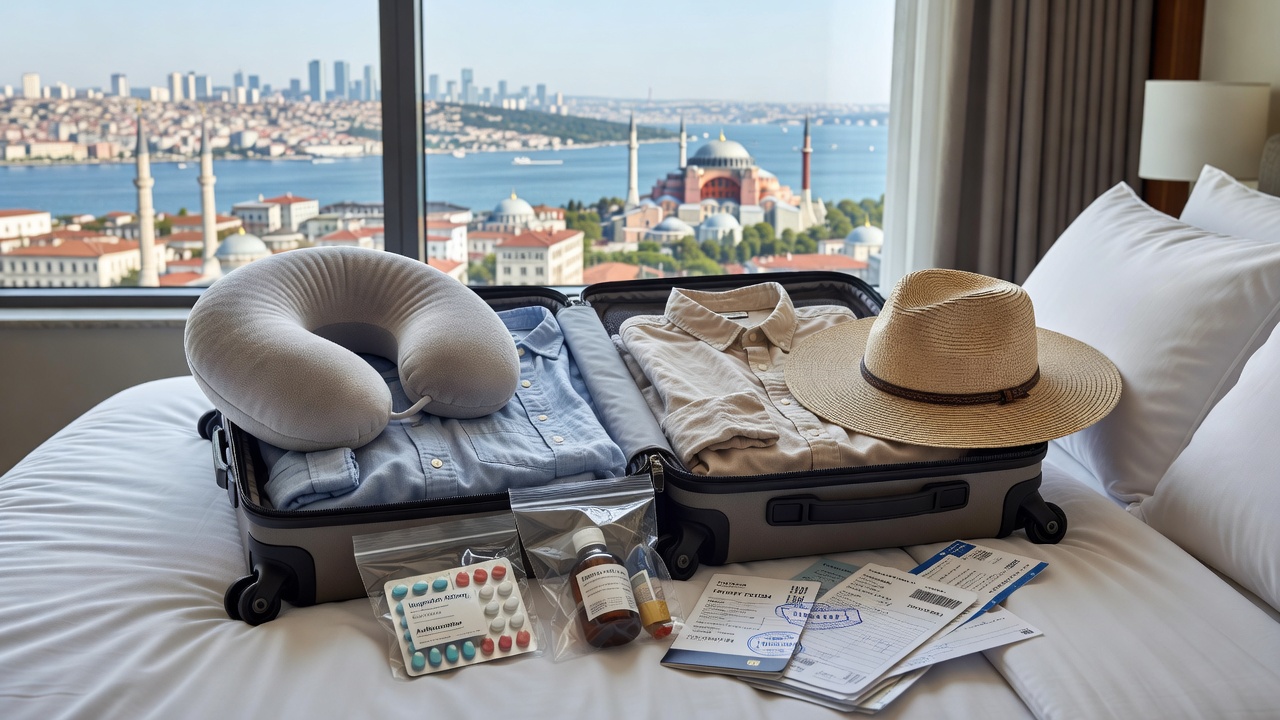
Pack strategically to support healing and comfort during travel and recovery. Include loose, button-up shirts to avoid pulling over the head. Bring a soft travel pillow for neck support during flights. Carry antiseptic wipes and prescribed medications in clearly labeled bags. Add a wide-brimmed hat for sun protection, comfortable walking shoes, travel insurance documents, medical records, a portable charger, and a universal adapter. Additional items like travel-sized shampoo recommended by your clinic, a neck gaiter for dust protection, and compression socks for long flights enhance the experience. Organize everything in packing cubes to keep post-op supplies easily accessible without rummaging through luggage.
Currency and App Advice for Payments
Carry a mix of Turkish lira cash and cards. ATMs at airports provide competitive rates. Download banking apps with no foreign transaction fees and translation tools like Google Translate for menus and signs. Many clinics accept international cards or wire transfers. Confirm payment methods beforehand to avoid last-minute issues. Local apps for ride-sharing and food delivery enhance convenience during recovery. Consider a secondary payment app that supports contactless transactions in case primary cards encounter issues abroad. Keep small bills handy for tips and minor purchases, and notify your bank of travel plans to prevent card blocks.
Short FAQ Section
Do I need travel insurance for a hair transplant in Turkey?
Yes, comprehensive medical travel insurance is strongly recommended to cover procedure complications or trip interruptions. Review policies that explicitly include elective surgeries abroad and confirm coverage limits before departure.
What COVID-era paperwork is still required in 2026?
Standard health declarations may apply; check airline and Turkish health ministry updates close to travel. Vaccination records are generally not mandatory but advisable for smoother entry processes.
What if my travel plans shift after booking?
Contact your clinic and airline immediately. Flexible booking options and clinic rescheduling policies help minimize fees. Maintain digital copies of all confirmations for quick reference during changes.
Review CDC travel health guidance for Turkey. Additional preparation resources are available through established international health organizations.
Conclusion and Downloadable Checklist
With these visa, flight, and logistics hacks, your 2026 Turkey hair transplant journey can be efficient and stress-free. Download our free printable checklist covering documents, packing, and post-op care to stay organized. Proper preparation turns medical tourism into a rewarding experience focused on results and recovery. By following the detailed steps outlined above, first-time visitors gain confidence in navigating every stage from departure to return home.

No comments yet. Be the first!