 Veda Tour
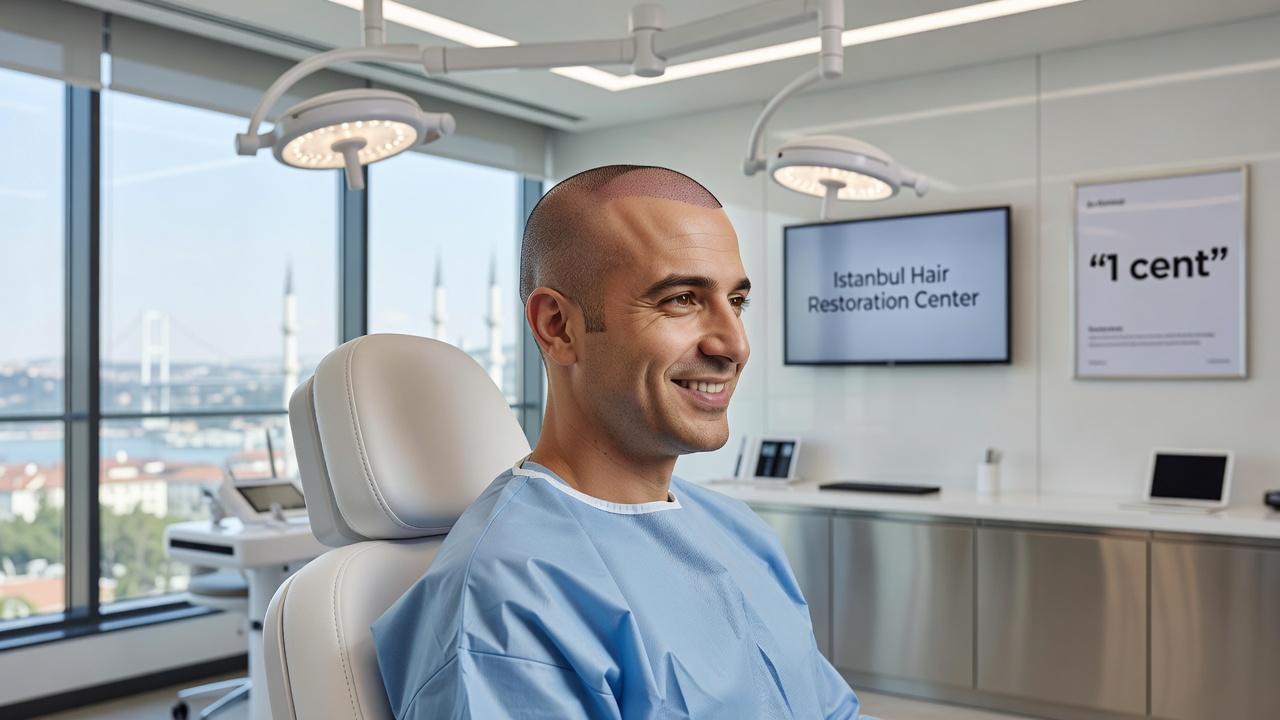
Understanding Scarring Risks in Turkey Hair Transplants
Medical tourists choosing Turkey for hair restoration often worry about visible scarring that could affect their appearance and confidence long after the procedure. While advanced clinics have significantly reduced these risks through refined techniques, scarring remains possible depending on the chosen method, surgeon expertise, patient skin characteristics, and adherence to aftercare. This comprehensive guide examines the realities of donor and recipient area scarring with current 2026 perspectives on FUE and DHI methods used across leading Turkish facilities.
Modern FUE and DHI Techniques Used in Turkish Clinics
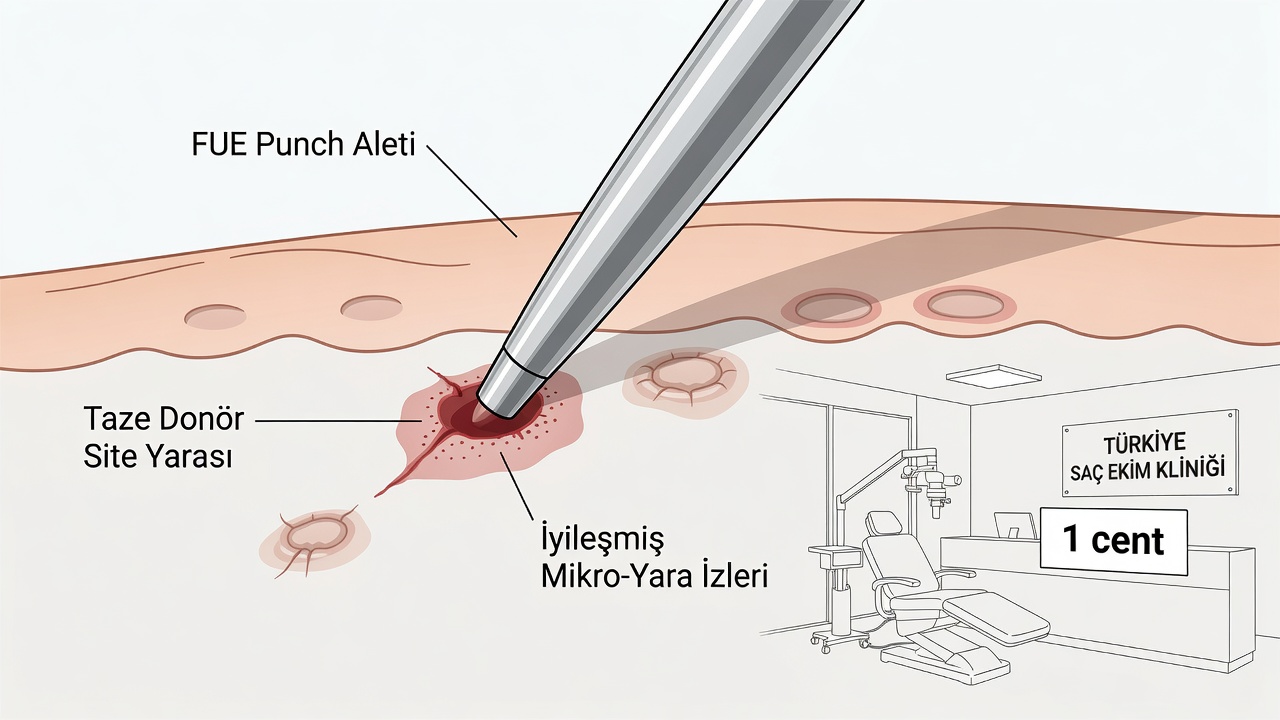
Turkish clinics predominantly rely on Follicular Unit Extraction (FUE) and Direct Hair Implantation (DHI) because both approaches avoid the linear scar associated with older FUT strip surgery. FUE extracts individual follicles through tiny punches ranging from 0.7 to 1.0 millimeters, while DHI uses a specialized implanter pen for direct placement without creating pre-made recipient incisions. These methods create micro wounds that typically heal into small, dot-like scars that become barely noticeable when surrounding hair grows back to normal length.
Clinics in Istanbul and Antalya have refined these protocols with sapphire blades for smoother incisions and robotic assistance for precise graft harvesting, further minimizing tissue trauma and inflammation. Patients should verify that their chosen provider uses the latest motorized or manual extraction tools rather than outdated manual punches that can lead to larger entry points and more noticeable marks. Many top facilities also incorporate platelet-rich plasma treatments during surgery to promote faster healing and reduce scar tissue formation.
Mayo Clinic provides detailed overviews of how modern extraction techniques affect healing outcomes and long-term aesthetic results.
Comparing Scarring Rates Across Popular Procedures
FUE scarring rates in quality Turkish clinics typically range from minimal to near-invisible when performed by experienced teams handling 2,000 to 4,500 grafts. DHI often produces slightly smaller recipient-site punctures due to the implanter pen, resulting in even less visible marks in the hairline area. In contrast, older strip methods can leave a noticeable linear scar several centimeters long that requires careful hairstyling to conceal. Patients researching 2026 options should request close-up donor-area photos from previous cases taken at multiple time intervals to assess typical healing patterns across different skin tones and hair textures.
Factors That Influence Scarring Outcomes
Several patient-specific and procedural factors determine final scar visibility. Skin type plays a major role, with thicker or oily skin sometimes forming more prominent scars, while very fair skin can show redness longer. Age, genetics, smoking history, and the total number of grafts extracted also contribute. Over-harvesting from the donor zone in a single session increases the chance of stretched or widened dots. Experienced surgeons mitigate these risks by spacing extraction sites appropriately and limiting session sizes when necessary.
Pre- and Post-Op Care Protocols for Medical Tourists
Before travel, patients should stop smoking and avoid blood-thinning supplements such as vitamin E, fish oil, and aspirin at least two weeks prior. Upon arrival in Turkey, clinics usually provide detailed instructions covering sleeping positions with the head elevated, gentle washing routines starting 48 hours post-procedure, and medications to reduce swelling and prevent infection. Post-operative care is critical for minimizing scar formation. Medical tourists should arrange follow-up virtual consultations once they return home and protect the scalp from direct sun exposure for several months using hats or high-SPF sunscreen.
Day-by-day protocols often include avoiding strenuous exercise for 10 to 14 days, refraining from alcohol for the first week, and using specialized shampoos provided by the clinic. Many patients also receive written guides translated into English to ensure clarity during the recovery period abroad.
Real Patient Examples and Before-and-After Insights
Many international patients report that donor-area dots became virtually undetectable within six to nine months when clinics followed proper extraction spacing of at least 1 millimeter between sites. One common example involves patients who underwent 3,500-graft FUE sessions and achieved natural hairlines with no visible scarring at the back of the head after one year. Another case study featured a patient with curly hair who experienced slightly more noticeable dots initially but saw full camouflage once hair length reached 1 centimeter. Reviewing verified patient forums and clinic galleries with time-stamped photos helps set realistic expectations for different hair types and ethnic backgrounds.
Practical Checklist for Selecting Low-Scar Clinics
- Confirm the surgeon performs extractions personally rather than delegating to technicians.
- Request before-and-after images taken at least 12 months post-procedure from multiple angles.
- Verify membership in international hair restoration societies and review surgeon credentials.
- Ensure the clinic offers both FUE and DHI and explains why one technique suits your specific case and donor density.
- Review independent patient testimonials focusing specifically on scarring experiences and long-term visibility.
- Ask about average grafts extracted per session and protocols for avoiding over-harvesting.
- Inquire about follow-up support available after patients return to their home countries.
- Check for on-site dermatologists or scar management specialists within the clinic team.
Long-Term Maintenance Tips
After the initial healing phase, consistent scalp care helps maintain results and prevents scar widening. Patients benefit from gentle sulfate-free shampoos, avoiding tight hairstyles or chemical treatments for the first year, and using prescribed topical minoxidil or finasteride as directed. Annual check-ups with the original clinic via video or with a local dermatologist can catch any early signs of widened scars. Protecting the scalp from UV damage and maintaining overall health through diet and stress management also supports better healing.
Scar Revision Options Available in Turkey
For patients who experience noticeable scarring, Turkish clinics offer revision treatments including fractional laser therapy, microneedling combined with growth factors, and targeted FUE scar camouflage using finer punches. These procedures are often performed during follow-up visits and can significantly improve appearance when addressed early, typically within the first 12 to 18 months. Success depends on scar maturity and individual healing response.
Frequently Asked Questions
Can scarring be completely avoided?
While modern techniques make scarring minimal, complete avoidance is not guaranteed for every patient. Choosing an experienced surgeon and following all aftercare instructions greatly reduces visibility to the point where scars are only detectable under close inspection.
How long until scars fade?
Most micro-scars lighten and flatten within six to twelve months, though individual healing varies based on genetics and skin type. Full maturation can take up to 18 months in some cases.
Are revision treatments painful?
Revision procedures are typically performed under local anesthesia with minimal discomfort during recovery, similar to the original transplant experience.
What happens if I need more grafts later?
Well-planned donor management allows for future sessions without increasing scar visibility, provided the initial extraction respected safe harvesting limits.
National Center for Biotechnology Information publishes peer-reviewed studies on hair transplant healing that support these timelines and outcomes.
Conclusion
Turkey remains a leading destination for hair transplants when patients prioritize clinics that emphasize scarring prevention through advanced FUE and DHI techniques. By following proper pre- and post-operative care, understanding individual risk factors, and selecting experienced providers through a thorough checklist, medical tourists can achieve natural results with minimal visible scarring that lasts for years.


No comments yet. Be the first!