 Veda Tour

Introduction to Hair Transplant Safety in Turkey
Turkey continues to attract medical tourists seeking hair restoration due to its advanced techniques and experienced professionals. In 2026, the Turkish Ministry of Health has strengthened oversight to prioritize patient safety amid growing demand. This comprehensive guide equips beginners with essential knowledge on regulations, accreditations, and practical steps to ensure a low-risk experience. Understanding these elements empowers you to verify providers thoroughly before committing to any procedure.
Medical tourism in this field involves unique considerations like travel logistics and post-operative care across borders. By focusing on compliance and transparency, patients can avoid common pitfalls that have affected others in previous years. The following sections break down the key areas with actionable advice and real examples.
Turkish Ministry of Health Regulations for 2026
The Turkish Ministry of Health enforces updated standards for hair transplant clinics effective throughout 2026. All facilities must obtain specific operating licenses that cover surgical environments, sterilization protocols, and staff qualifications. These rules stem from national health laws aimed at aligning with international best practices while protecting both local and international patients.
Clinics are required to report all procedures and maintain detailed records for audits. Non-compliance can lead to immediate suspension of services. For instance, a compliant clinic in Istanbul might display its license prominently and allow virtual verification, whereas non-compliant operations often operate from residential buildings without proper equipment or oversight.
Additional mandates include mandatory continuing education for surgeons and limits on daily procedure volumes to prevent fatigue-related errors. Patients should request copies of these licenses during initial inquiries to confirm legitimacy.
International Accreditations Like JCI and ISO Standards
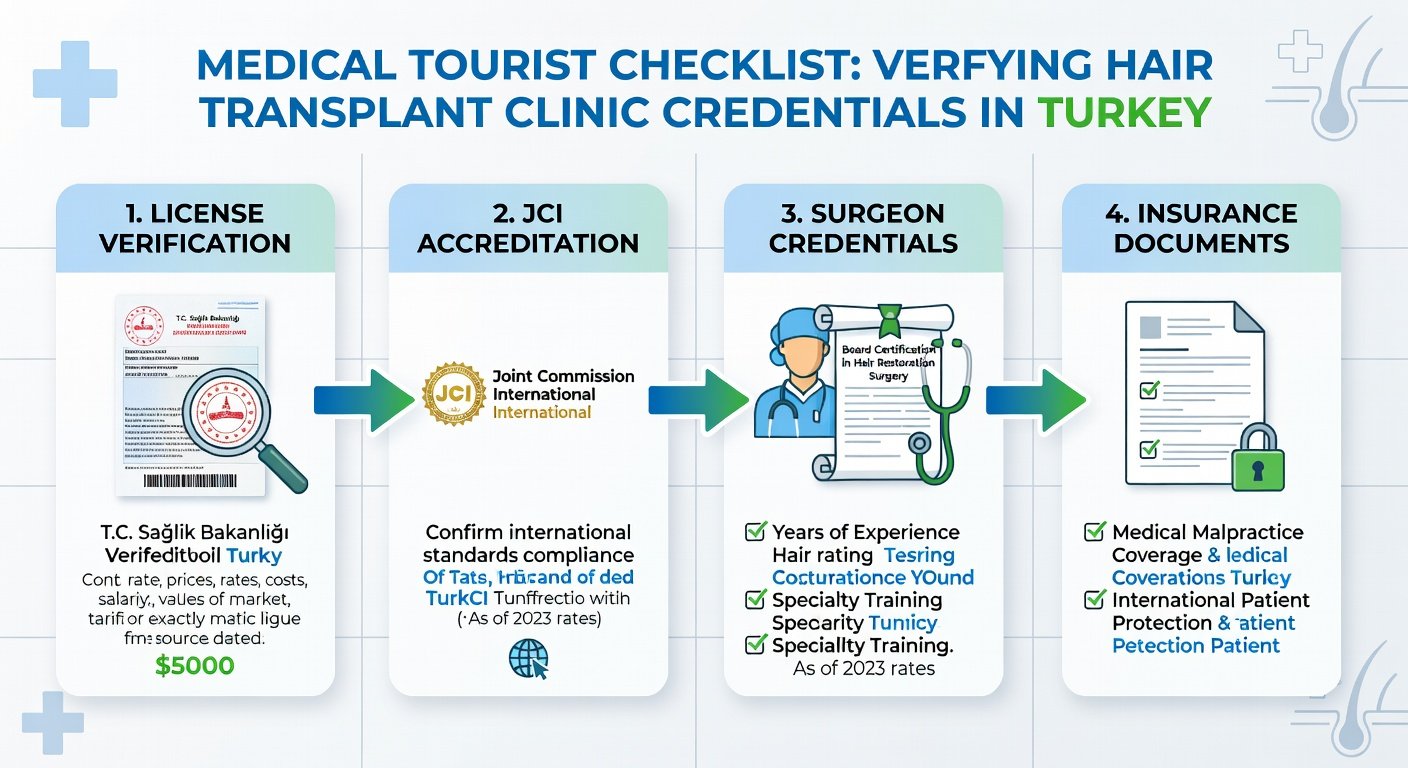
Joint Commission International (JCI) accreditation represents a gold standard for quality and safety in medical facilities worldwide. In Turkey, JCI-certified clinics undergo extensive evaluations covering everything from infection prevention to patient rights. JCI official resources provide detailed criteria that Turkish providers must meet, including emergency preparedness and continuous improvement processes.
Beyond JCI, ISO 9001 and ISO 13485 certifications focus on quality management and medical device handling, which are relevant for transplant tools and equipment. These accreditations demonstrate a clinic's commitment to consistent, high-level care. When comparing options, prioritize those holding multiple certifications as they often invest more in staff training and facility upgrades.
Accredited clinics typically share audit summaries on their sites, offering transparency that builds trust with medical tourists.
Verifying Surgeon Credentials Step by Step
Start by confirming the surgeon's medical license through the official Turkish Ministry of Health database. Each licensed professional has a unique registration number that can be cross-checked online. Next, verify membership in professional organizations such as the Turkish Society of Plastic, Reconstructive and Aesthetic Surgeons.
Look for evidence of specialized training in hair transplantation techniques like Follicular Unit Extraction (FUE) or Direct Hair Implantation (DHI). Compliant clinics provide before-and-after portfolios with patient testimonials that include contact verification options. In contrast, non-compliant examples frequently use stock images or refuse to share specific surgeon details.
Request a direct consultation with the operating surgeon rather than sales representatives. This interaction reveals expertise and allows discussion of your individual case, including potential risks like scarring or uneven growth patterns.
Recognizing Red Flags During Virtual Consultations
Virtual meetings serve as a critical first filter. Red flags include aggressive sales tactics, such as insisting on immediate deposits or promising guaranteed results without medical assessment. Legitimate providers conduct thorough health screenings and explain realistic outcomes based on your hair type and donor area availability.
Another warning sign is reluctance to show the physical clinic or introduce the full medical team. Non-compliant operations might conduct calls from generic locations without visible medical equipment. Always ask for live facility tours and clarification on complication management protocols.
Pay attention to communication quality. Professional clinics respond promptly with detailed written summaries, while others may provide vague answers or pressure quick decisions.
Understanding Malpractice Insurance Coverage and Data Protection
Turkish regulations require every licensed clinic to carry malpractice insurance that extends to international patients. This coverage typically addresses surgical errors, infections, or unsatisfactory results requiring corrective treatment. Request policy details including coverage amounts and claim filing procedures before travel.
Data handling follows strict privacy standards aligned with global norms. Clinics must secure patient records using encrypted systems and obtain explicit consent for any sharing. Turkey's Ministry of Health site outlines these patient rights in full, emphasizing transparency and recourse options.
Understanding these protections helps in selecting providers that prioritize accountability over volume.
Expanded Practical Checklists for Medical Tourists
Use these detailed checklists to organize your research process effectively:
- Pre-consultation: Gather medical history, photos of your scalp, and list of medications; confirm clinic license validity via government portals.
- During consultation: Discuss technique options, expected graft numbers, recovery timelines, and emergency contact protocols; verify surgeon credentials in real time.
- Pre-travel: Secure comprehensive travel insurance covering medical complications; arrange accommodation near the clinic for follow-up visits; prepare translated consent forms.
- Post-arrival: Inspect facility cleanliness and equipment; meet the surgical team personally; obtain written aftercare instructions in your language.
- Long-term: Schedule virtual follow-ups; monitor for issues like swelling or infection; keep all receipts and records for potential claims.
Steps to Take If Issues Arise Post-Procedure
Immediate action is essential if complications occur after returning home. First, contact the clinic's dedicated aftercare line and document symptoms with photos and timestamps. Many accredited providers offer remote consultations or coordinate with local physicians.
Engage your travel insurance provider early to cover additional medical expenses. In cases of suspected negligence, file a formal complaint with the Turkish Ministry of Health and retain all correspondence. Real-world scenarios show that patients who maintained thorough records achieved faster resolutions through insurance or legal channels.
Consider joining patient forums for shared experiences, but always verify advice against official sources.
Common Mistakes to Avoid and Benefits of Compliance
Many travelers overlook verifying insurance specifics or assume all clinics operate under the same standards. Another frequent error is skipping in-person surgeon meetings in favor of email-only communication. These shortcuts increase exposure to substandard care.
Choosing regulated clinics offers benefits like reduced infection rates, access to advanced technology, and stronger legal safeguards. Compliant examples often feature multilingual staff and structured recovery programs that enhance overall satisfaction and outcomes.
Short FAQ on Legal Recourse and Travel Insurance
What legal options exist for malpractice in Turkey?
Patients can initiate claims through Turkish courts or leverage clinic insurance policies. International agreements sometimes aid enforcement of judgments in home countries. Consulting a medical tourism lawyer familiar with cross-border cases provides tailored guidance.
Does travel insurance cover hair transplant complications?
Comprehensive policies often include coverage for unexpected medical issues arising from procedures, but cosmetic exclusions are common. Review policy documents for specifics on elective surgeries and purchase add-ons if necessary. Always declare the trip purpose accurately.
How long should follow-up monitoring last?
Standard protocols recommend at least 12 months of monitoring with periodic assessments at one week, one month, three months, six months, and one year. Virtual options facilitate this for international patients.
Are there differences between public and private clinic regulations?
Private clinics catering to tourists face additional tourism-specific licensing, while public facilities focus more on local residents. Both must meet core Ministry standards, but private ones often hold more international accreditations.
Conclusion
Navigating Turkey's hair transplant landscape in 2026 requires diligence and a focus on verified safety measures. By applying the checklists, recognizing warning signs, and understanding legal protections, medical tourists can significantly lower risks and achieve positive results. Prioritize accredited providers and maintain open communication throughout the process for the best possible outcome. Always cross-reference information with official government and accreditation bodies to stay fully informed.

No comments yet. Be the first!