 Veda Tour
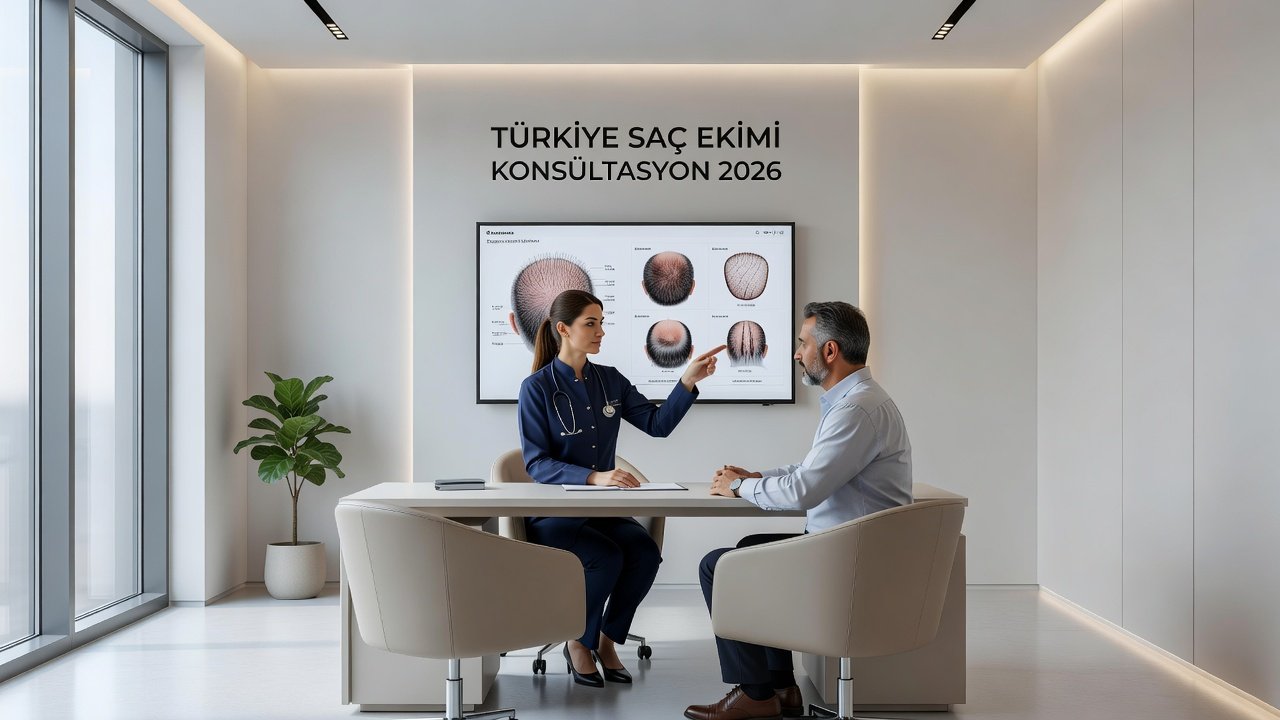
Introduction to Turkey Hair Transplant Consultations
Medical tourists seeking a hair transplant in Turkey benefit from world-class clinics offering advanced techniques at competitive standards. As 2026 approaches, proper preparation for virtual or in-person consultations ensures you uncover true expertise and safety protocols before committing. This guide focuses on strategic questions that reveal clinic quality while highlighting medical tourism advantages like personalized treatment plans tailored to individual needs. Turkey has established itself as a premier destination because of its combination of skilled professionals, modern facilities, and comprehensive support systems that extend beyond the procedure itself.
Understanding the nuances of FUE and DHI methods helps patients make informed decisions. Turkey remains a top destination due to its blend of experienced surgeons and comprehensive care packages that often include follow-up support. Patients worldwide choose this route to access high-quality care in a supportive environment that prioritizes both results and recovery.
Why Preparation Matters for Turkey Hair Transplant Success
Effective preparation builds trust with providers and minimizes risks associated with medical tourism. Patients who ask targeted questions about graft survival rates and hidden costs report higher satisfaction. In contrast, those who skip due diligence may encounter issues like inadequate aftercare or mismatched expectations. Preparation also involves understanding how Turkey's medical tourism infrastructure supports international visitors through streamlined processes and multilingual staff.
Personalized treatment plans are a key advantage in Turkey, allowing clinics to adapt procedures based on your hair type, age, and goals. This approach often leads to natural-looking results when clinics prioritize patient education during consultations. By investing time upfront, individuals can align their expectations with realistic outcomes and enjoy a smoother overall experience.
Researching Clinics in Advance
Before scheduling any consultation, dedicate time to independent research. Review clinic websites for details on their team, technology, and patient testimonials. Cross-reference information with independent forums and medical tourism platforms to verify claims. Look for evidence of international accreditations and partnerships that align with global healthcare benchmarks, such as those promoted by the World Health Organization. This preliminary work helps narrow options to providers genuinely committed to excellence.
Additionally, examine recent patient reviews focusing on consultation experiences rather than just final results. Note patterns in feedback regarding communication clarity and responsiveness. Such research equips you to enter consultations with informed perspectives and specific follow-up inquiries.
Ready-to-Use Question Checklist for Consultations
Use this checklist to guide discussions and evaluate providers thoroughly:
- What are your specific experience levels with FUE versus DHI techniques, including recent case volumes?
- How do you measure and report graft survival rates, and what factors influence success in my case?
- Can you detail the credentials and ongoing training of the lead surgeon performing the procedure?
- What are all potential costs beyond the base package, including any medications or follow-up visits?
- How do you handle complications, and what guarantees apply to results?
- What safety standards and sterilization protocols are in place to meet international benchmarks?
- How many procedures does the clinic perform monthly, and what is the typical patient demographic?
- Can you provide anonymized examples of treatment plans for patients with similar hair loss patterns?
These questions help distinguish reputable clinics from those that may cut corners. 
FUE Versus DHI: Understanding the Key Differences
FUE involves extracting individual follicles and implanting them into recipient sites, offering flexibility for larger areas. DHI uses a specialized tool for direct implantation, potentially reducing handling time and improving precision in dense packing. During consultations, ask how each method aligns with your specific goals, such as hairline design or crown coverage. Clinics should explain recovery timelines and why one technique may suit your scalp characteristics better than the other.
Exploring these distinctions ensures the recommended approach supports optimal graft survival and aesthetic outcomes. Personalized recommendations based on thorough assessment demonstrate provider expertise.
Red-Flag Warning Signs During Discussions
Stay alert for indicators of lower standards. Vague answers about surgeon involvement or pressure to book immediately without reviewing your medical history are concerning. Clinics that cannot provide verifiable before-and-after examples or avoid discussing realistic outcomes may not prioritize patient safety. Another warning is reluctance to explain differences between FUE and DHI or to share data on long-term graft survival. Overly aggressive marketing tactics or promises of guaranteed results without caveats also signal caution.
Recognizing these signs early allows you to explore alternative providers offering transparent, high-quality care. Trust your instincts if responses feel scripted or evasive.
Real Patient Examples: Successful vs. Problematic Consultations
One patient from the UK prepared extensively and asked detailed questions about DHI precision and post-procedure protocols. Their Turkey hair transplant resulted in excellent density and natural growth, supported by clear follow-up instructions. In another case, a patient rushed the process without inquiring about surgeon credentials, leading to uneven results and the need for corrective work elsewhere. A third example involves a Canadian traveler who used video calls to share detailed scalp photos and medical records, enabling the clinic to create a customized plan that addressed both frontal and vertex areas effectively. These examples underscore the value of thorough preparation in achieving positive medical tourism outcomes.
Step-by-Step Tips for Sharing Medical History Remotely
Sharing accurate information remotely sets the foundation for personalized treatment plans. Follow these steps:
- Compile a complete list of current medications, allergies, and previous surgeries.
- Include photos of your scalp from multiple angles under good lighting.
- Describe any family history of hair loss and your expectations for density.
- Use secure video platforms for discussions and confirm receipt of all documents.
- Request written confirmation of how your history influences the recommended approach.
- Follow up with any updates if health conditions change before travel.
This methodical process helps clinics design safe, effective strategies while reducing surprises on arrival. Virtual consultations benefit greatly from clear, organized documentation.
Virtual Versus In-Person Consultations
Virtual sessions allow initial assessments from home but require high-quality images and honest dialogue. In-person meetings provide tactile evaluation and direct interaction with the facility. Prepare for both by having questions ready and noting any differences in how providers communicate. Many clinics combine both formats for comprehensive evaluation.
Understanding Safety Standards and International Guidelines
Reputable clinics adhere to protocols that meet or exceed recommendations from organizations like the Centers for Disease Control and Prevention. Inquire about infection control measures, staff training, and emergency response plans. Safety extends to anesthesia administration and post-operative monitoring, areas where experienced teams demonstrate clear advantages.
FAQ on Follow-Up Protocols
How soon after the procedure should I expect follow-up contact?
Reputable clinics typically initiate contact within 24-48 hours and schedule check-ins at one week, one month, and six months.
What information is shared during follow-ups?
Discussions cover healing progress, washing instructions, and any signs requiring attention, ensuring ongoing support for optimal graft survival.
Are virtual follow-ups available for international patients?
Yes, many Turkish providers offer video consultations to accommodate medical tourists returning home.
What should I do if I notice unusual symptoms after returning home?
Contact your clinic immediately with photos and descriptions; they often coordinate with local physicians for any needed interventions.
How long does full result assessment take?
Final results typically become visible between 12 and 18 months, with periodic evaluations helping track progress.
Conclusion
Thorough preparation transforms your Turkey hair transplant experience into a confident journey. By focusing on key questions, recognizing red flags, and sharing medical details effectively, you maximize the benefits of personalized care and advanced techniques. Start your consultation process informed to achieve lasting, natural results.


No comments yet. Be the first!