 Veda Tour

Introduction: Why Spotting Red Flags Matters in 2026
Medical tourists planning hair restoration in Turkey face growing competition among clinics. Virtual and in-person consultations can reveal critical issues before you commit. Understanding red flags helps protect your safety, results, and investment while traveling abroad for treatment. Turkey continues to attract thousands of patients annually because of its combination of skilled surgeons, modern facilities, and competitive packages. Yet this popularity also draws less scrupulous operators who prioritize quick bookings over patient outcomes. This expanded guide examines the most frequently reported warning signs from recent travelers and supplies concrete verification methods you can apply immediately.
Patients who overlook early indicators often encounter substandard care, unexpected costs, or disappointing aesthetic results. By contrast, those who ask targeted questions and demand documentation tend to select higher-quality providers. Throughout this article you will find real-world examples, expanded checklists, and follow-up strategies tailored to the 2026 landscape of medical tourism.
Unrealistic Promises and Guarantees
Clinics that promise 100% success rates or guarantee exact hairline designs without examining your donor area raise immediate concerns. Ethical providers explain that results vary based on individual factors like age, hair density, and health conditions. During consultations, listen for vague claims about “maximum density” without discussing limitations or the possibility of multiple sessions. For instance, a patient with advanced Norwood stage VI baldness should never be told they will achieve a full juvenile hairline in one procedure. Reputable surgeons instead present realistic expectations supported by your specific donor supply and scalp characteristics.
Another common tactic involves showing dramatically altered before-and-after images that do not match typical outcomes. Ask the consultant to explain the graft survival rate they achieve on average and how they measure it. If answers remain evasive or overly optimistic, treat this as a serious warning. Reputable surgeons often reference guidelines from established organizations. For patient safety information, consult resources from the World Health Organization. Avoid any provider that dismisses your questions about potential complications or revision rates.
Pressure Tactics and Limited-Time Offers
High-pressure sales during consultations signal a focus on volume over care. Tactics include demanding immediate deposits, claiming prices will rise soon, or limiting availability to “this week only.” Quality clinics allow time for reflection and encourage second opinions. In 2026, legitimate Turkish clinics typically provide detailed written quotes and follow-up materials rather than rushing decisions. If the team becomes defensive when you ask for more time, consider it a major red flag. Travelers frequently report being told that “the surgeon’s calendar fills quickly” or that a special discount expires at midnight. These statements create artificial urgency designed to bypass careful research.
Instead of yielding to pressure, request a 48-hour window to review all materials. Clinics that respect patient autonomy will accommodate this request without complaint. Those that refuse or increase pressure should be removed from your shortlist.
Lack of Surgeon Credentials and Transparency
Always verify that the person performing your procedure is a licensed plastic surgeon or dermatologist specializing in hair restoration. Some clinics use technicians for critical steps while the surgeon only appears briefly. Ask directly who will handle graft extraction and implantation, and request their full names and qualifications. In several documented cases, patients discovered only after arrival that the advertised surgeon was not present during their operation. Cross-check any names provided against public medical registries or professional society directories. Lack of willingness to share this information should end the conversation immediately.
Request proof of board certification and membership in professional bodies. Cross-check names against public registries when available. Lack of willingness to share this information should end the conversation. For additional guidance on physician credentials, refer to Centers for Disease Control and Prevention travel health resources that emphasize verifying medical providers abroad.
Hidden Fees in Medical Tourism Packages
Many packages advertise all-inclusive rates but later add charges for medications, aftercare products, or follow-up visits. Request a complete itemized breakdown covering anesthesia, hotel transfers, and any potential revision procedures. Transparent clinics provide this documentation upfront without hesitation. Examples of hidden costs reported in 2026 include extra fees for PRP therapy, post-operative shampoo kits, and airport transfers that were initially described as complimentary. Always ask whether VAT or local taxes are included and whether currency fluctuations could affect the final amount.
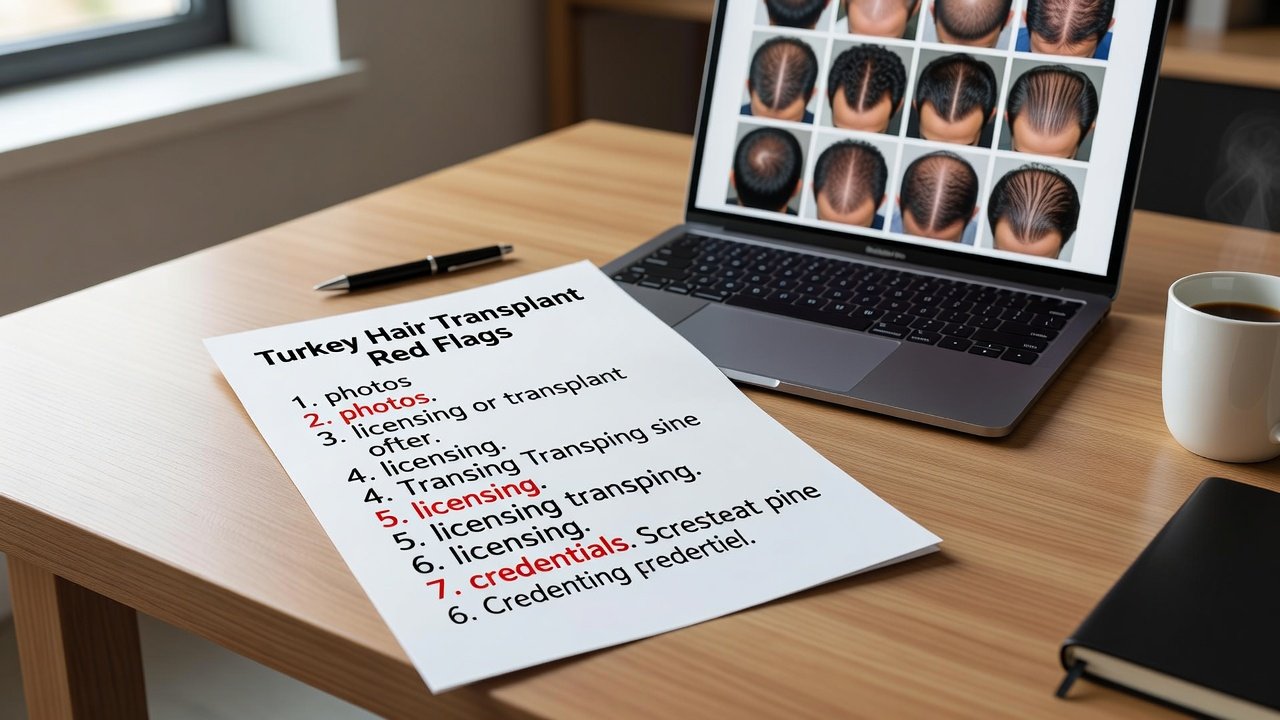
Practical Checklist for Verifying Before-and-After Photos
Before-and-after images can be misleading. Use this expanded checklist during consultations:
- Confirm photos show real patients treated at that specific clinic, not stock images or images from other countries.
- Look for consistent lighting, angles, and timeframes (ideally 12 months post-procedure) with no obvious editing artifacts.
- Request unedited videos or multiple views of the same patient taken on different dates.
- Verify the surgeon’s name appears on the images or consent forms provided.
- Compare hair characteristics similar to yours in the examples, including color, curl, and density.
- Ask how many grafts were used and whether the patient required a second session.
- Check for patient testimonials with verifiable contact details or independent review platform links.
Clinic Licensing and Communication Standards
Confirm the clinic holds current accreditation from Turkish health authorities. Licensed facilities display certificates and allow verification. Poor communication—such as delayed responses, generic replies, or language barriers that prevent clear discussion of risks—indicates potential problems with ongoing care. Strong clinics assign a dedicated coordinator who answers questions promptly and in detail. Test this by sending follow-up emails before booking and noting response times and depth of information. Clinics that outsource communication to third-party agents often struggle with continuity once you arrive in Turkey.
How to Research Clinics Online Before Consulting
Before scheduling any consultation, spend time examining independent review sites, medical tourism forums, and social media groups dedicated to hair restoration. Search for recent 2025 and 2026 patient experiences using specific clinic names. Pay attention to patterns in complaints about communication breakdowns or post-operative support. Cross-reference any surgeon names with publications or conference appearances to gauge genuine expertise. This preliminary research often uncovers red flags that never surface during a polished sales call.
Expert Tips: Follow-Up Questions That Reveal Quality
Prepare these questions for your 2026 consultations:
- Who exactly performs each step of the procedure, and what is their training and experience level?
- How many similar cases have you handled in the past year, and can you share anonymized outcome data?
- What is your protocol for managing complications after I return home, including remote follow-up options?
- Can I speak with recent patients who had comparable hair loss patterns and timelines?
- How do you handle revisions if results fall short of expectations, and what is the typical timeline?
- What emergency contact protocols exist during the first 72 hours after surgery?
Thoughtful answers demonstrate professionalism. Evasive responses suggest moving on to another provider.
Conclusion
Thorough research and direct questioning during consultations protect you from common pitfalls in Turkey hair transplant tourism. By recognizing red flags early and applying the checklists and questions outlined above, you increase the likelihood of safe treatment and satisfying results. Always prioritize verified credentials, transparent communication, and realistic outcome discussions over attractive marketing claims. Patients who invest time in due diligence consistently report better experiences and fewer complications.
FAQ
How can I verify a Turkish clinic’s license?
Contact the Turkish Ministry of Health directly or request official accreditation documents during your consultation. Reputable providers share this information willingly and without delay. You can also ask for the clinic’s registration number and cross-check it through official channels before traveling.
What should I do if a clinic pressures me to book immediately?
Politely decline and seek a second opinion from at least two other providers. Ethical clinics never rush medical decisions or threaten loss of a spot if you take time to think. Document any pressure tactics in writing for your records.
Are virtual consultations reliable for spotting red flags?
Yes, when you ask detailed questions about the surgical team, aftercare protocols, and pricing breakdowns. Follow up with additional video calls showing the actual facility and staff. Persistent vagueness or refusal to provide specifics should prompt you to end discussions.
How long should I wait for responses during the consultation phase?
Professional clinics typically reply within 24 to 48 hours. Longer delays or inconsistent answers often indicate poor internal organization that may affect your post-operative support.
No comments yet. Be the first!