 Veda Tour
Introduction to Mexico Dental Implants and Medical Tourism
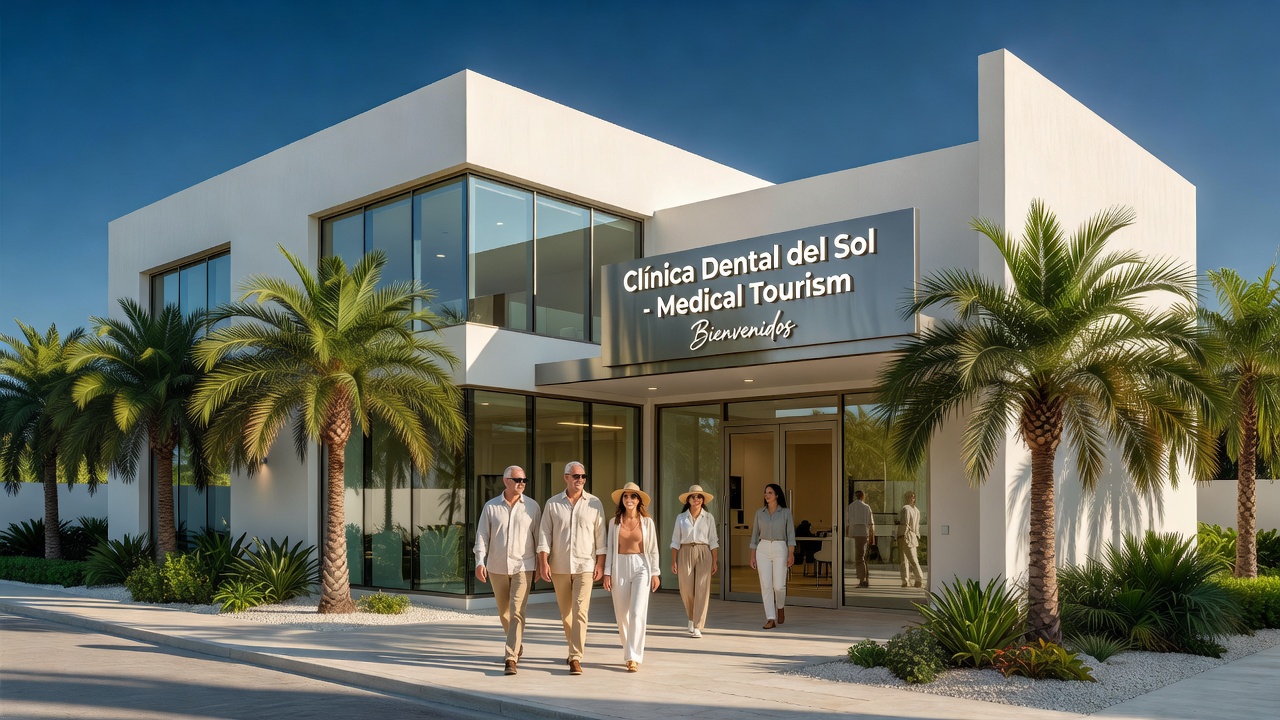
Travelers seeking high-quality yet affordable dental implants often turn to Mexico as a top destination for medical tourism. The combination of skilled professionals, modern clinics, and proximity to the United States makes Mexico dental procedures an attractive option. In 2026, strategic seasonal planning can enhance comfort, reduce costs, and minimize crowds, allowing patients to focus on recovery while enjoying their trip. Understanding seasonal variations helps optimize every aspect of the journey, from weather conditions that affect healing to fluctuations in demand that influence availability. This guide explores these factors in depth to support informed decisions for anyone considering dental implants abroad.
Medical tourism has grown significantly, with Mexico offering a compelling mix of advanced dental technology and patient-centered care. Patients from North America frequently choose this route because it allows them to receive treatment without long waiting lists common elsewhere. Seasonal planning adds another layer of optimization, ensuring that the trip aligns with personal schedules, weather preferences, and budget considerations.
Why Choose Mexico for Dental Implants
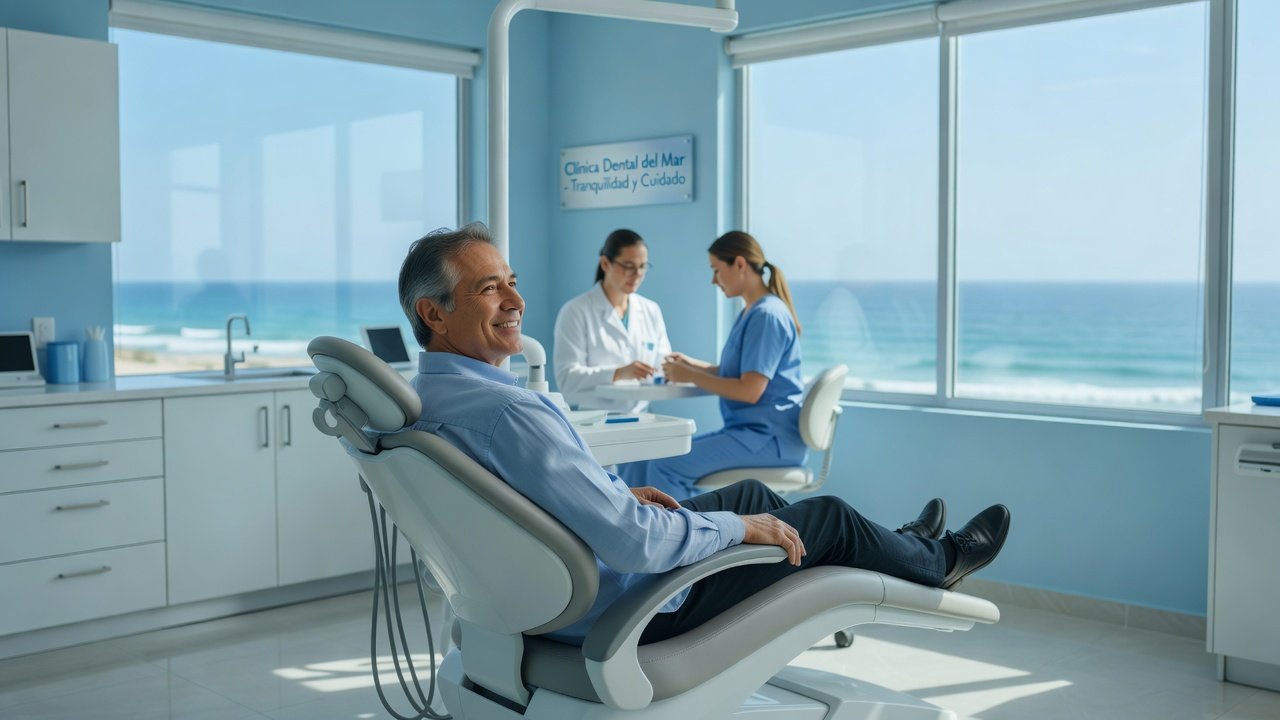
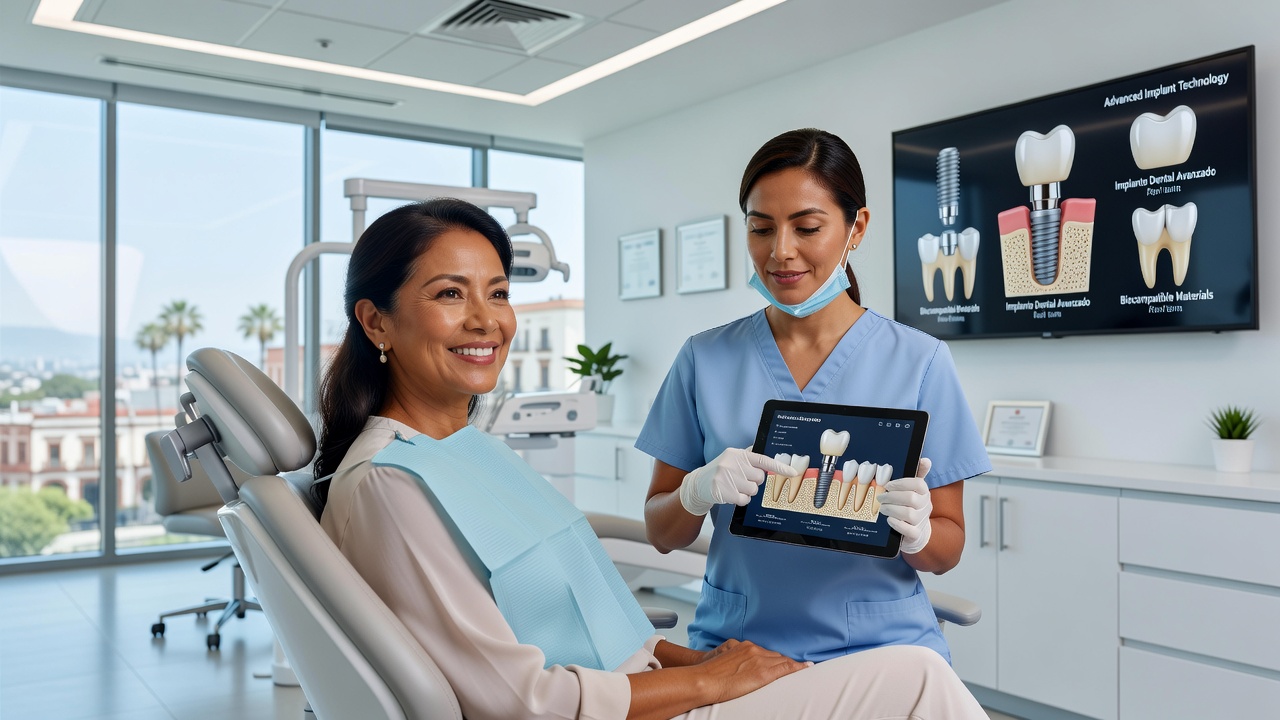
Mexico has established itself as a leader in medical tourism, particularly for dental implants. Clinics in popular cities like Cancun, Tijuana, and Los Algodones offer advanced technology and experienced specialists. Patients benefit from shorter wait times compared to many home countries and the opportunity to combine treatment with leisure activities. The infrastructure supporting medical tourism includes bilingual staff, international accreditation standards, and comprehensive aftercare protocols that make the process seamless for international visitors.
Many clinics partner with medical tourism facilitators to handle logistics such as airport transfers and accommodation arrangements. This holistic approach distinguishes Mexico dental experiences from purely domestic options. Travelers appreciate the blend of professional dental services with vibrant cultural experiences, turning a medical necessity into a memorable journey.
Weather Considerations for Comfortable Recovery
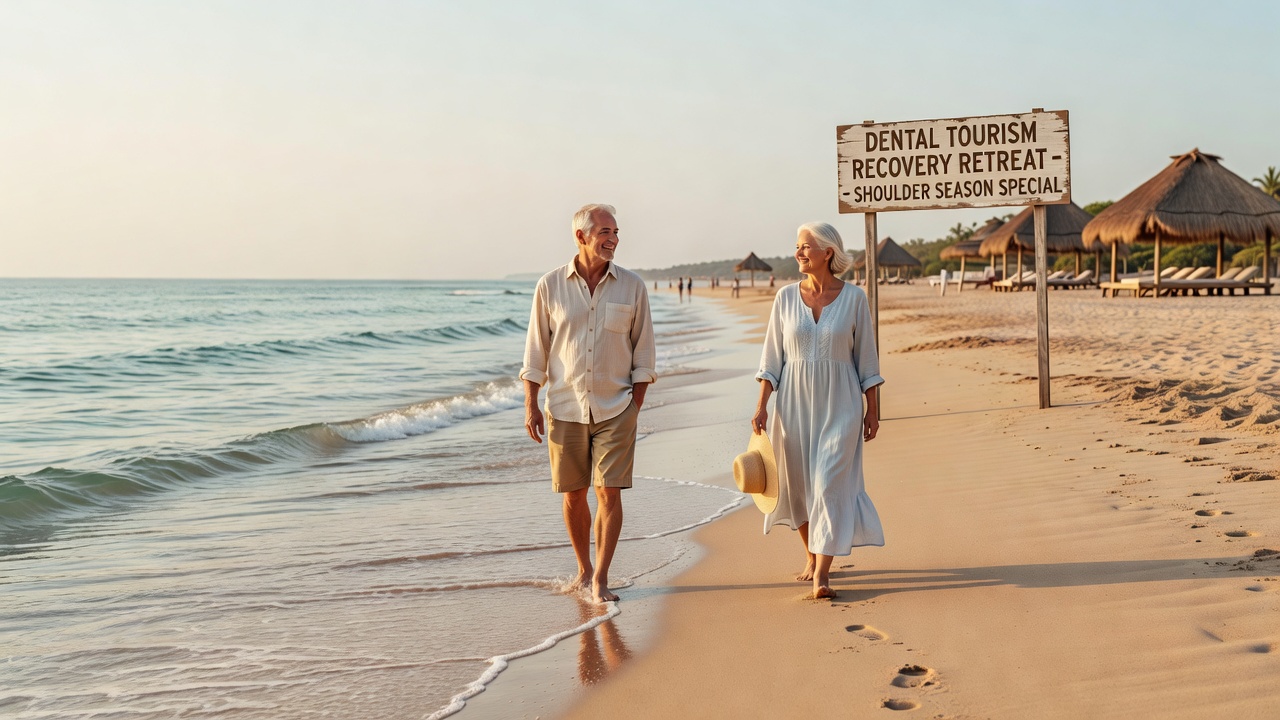
Weather plays a crucial role in planning dental implants in Mexico. Milder seasons provide better conditions for post-procedure healing, especially when avoiding extreme heat or humidity that could complicate recovery. Winter months generally offer pleasant temperatures ideal for outdoor relaxation during downtime. Summer can bring higher humidity in coastal areas, which may impact comfort for some patients. Spring and fall strike a balance with moderate conditions suitable for most travelers.
Coastal regions experience different patterns than inland cities, so patients should research specific destinations. For example, northern border areas may have drier winters, while southern destinations maintain consistent warmth year-round. Checking long-term forecasts helps anticipate any unusual weather events that could affect travel or recovery.
CDC travel health resources recommend checking seasonal advisories before booking.
Pricing Fluctuations and Demand Trends
While specific rates vary by clinic, demand patterns in medical tourism often lead to more competitive pricing during shoulder seasons. Peak tourist periods see higher occupancy, potentially increasing associated costs like accommodations. Off-peak windows can offer better availability for dental implants without the premium of high season. Travelers should monitor flight and hotel trends, which typically dip outside major holidays. This approach supports budget-friendly medical tourism experiences focused on dental implants.
Understanding these trends allows patients to align their procedures with periods of lower demand, improving both scheduling flexibility and overall trip satisfaction. Clinics may also have more openings for consultations and follow-ups during these times.
Avoiding Peak Seasons and Crowd Levels
High season in Mexico, particularly around December to March in many tourist hubs, brings increased crowds that can affect clinic scheduling and overall trip pace. Shoulder periods like April-May or September-October tend to have fewer visitors, allowing for more personalized care and relaxed recovery. By avoiding peak times, patients enjoy shorter lines at attractions and easier access to preferred providers for their Mexico dental needs. Crowd levels also influence the availability of transportation and dining options near clinics.
Flight and Hotel Booking Strategies
Booking flights mid-week often yields better options for medical tourism trips. Hotels near dental clinics frequently provide recovery-friendly amenities such as quiet rooms and flexible check-ins. Comparing trends across months helps identify optimal windows for combining treatment with leisure. Practical steps include using flexible date searches and setting alerts for price drops in popular medical tourism destinations. Many travelers also consider package deals that bundle flights, hotels, and sometimes clinic transfers.
Practical Steps for Booking Your Trip
- Research accredited clinics specializing in dental implants through verified medical tourism networks and read recent patient reviews.
- Consult with your home dentist for pre-travel evaluations and share records with Mexican providers well in advance.
- Book accommodations close to the clinic to minimize travel stress during recovery and ensure easy access for follow-up visits.
- Schedule procedures during milder weather months for enhanced comfort and reduced risk of weather-related complications.
- Arrange follow-up care plans before departure, including any necessary medications or check-ins with local professionals.
- Secure travel insurance that covers medical procedures and unexpected delays.
- Prepare a detailed itinerary that balances treatment days with low-impact activities suitable for recovery.
These steps ensure a smooth experience tailored to seasonal advantages and personal health requirements.
Choosing the Right City for Your Procedure
Different Mexican cities cater to varying preferences in medical tourism. Border towns like Tijuana offer quick access for shorter trips, while resort destinations such as Cancun combine treatment with beach relaxation. Inland options may provide quieter environments ideal for focused recovery. Each location has unique seasonal characteristics that should factor into the final decision.
Real Traveler Experiences
Many patients report successful dental implants trips in Mexico by choosing shoulder seasons. One traveler highlighted how an April visit allowed for comfortable recovery with fewer crowds, blending treatment with gentle sightseeing along the Riviera Maya. Another noted improved availability and a more relaxed pace in September compared to holiday rushes, enabling them to explore local markets without exhaustion. A third patient shared that avoiding summer humidity in coastal areas led to faster healing and greater overall satisfaction with their medical tourism journey.
These examples underscore the value of timing in medical tourism planning and demonstrate how seasonal awareness translates into tangible benefits.
Recovery Comfort and Weather Impacts
Optimal weather supports faster healing after dental implants. Avoiding intense summer heat reduces swelling risks, while cooler months may require indoor rest strategies. Patients should prepare accordingly with appropriate clothing and hydration plans. Light walking in pleasant conditions can aid circulation without overexertion. Clinics often provide guidance on managing recovery in different climates.
World Health Organization guidelines on post-procedure care emphasize environmental factors in recovery. Additional insights from Mayo Clinic dental health resources highlight the importance of rest and controlled environments during the initial healing phase.
Mistakes to Avoid When Planning
- Booking during peak holidays without confirming clinic availability well ahead of time.
- Ignoring weather forecasts for the specific region chosen for the procedure.
- Overlooking the need for travel insurance tailored to medical tourism.
- Failing to coordinate with both home and Mexican dental teams for seamless care continuity.
- Underestimating recovery time and scheduling overly ambitious activities immediately after treatment.
FAQ on Weather, Recovery, and Planning
How does weather affect dental implant recovery in Mexico?
Mild temperatures support better healing, while high humidity may require extra rest and hydration to maintain comfort. Patients should monitor local conditions and adjust their daily routines accordingly.
What are the best months to avoid crowds?
Shoulder seasons like spring and early fall typically offer lower crowd levels for medical tourism, leading to easier scheduling and a more peaceful experience overall.
Can I combine dental implants with vacation activities?
Yes, many travelers plan light activities during recovery windows in pleasant weather months, such as short walks or cultural visits that do not strain the body.
Are there seasonal pricing benefits?
Off-peak periods often provide greater flexibility and availability for Mexico dental procedures, allowing patients to secure preferred dates more easily.
How far in advance should I book for 2026?
Booking three to six months ahead is advisable, especially if targeting specific shoulder seasons to optimize both weather and crowd conditions.
Conclusion
Strategic seasonal planning elevates the medical tourism experience for dental implants in Mexico. By considering weather, crowds, and trends, travelers can achieve comfortable, efficient trips. Start early, research thoroughly, and prioritize recovery needs to maximize benefits in 2026. With careful preparation, patients can enjoy both successful dental outcomes and positive travel memories.
No comments yet. Be the first!