 Veda Tour
Introduction to Dental Implant Brands in Mexico
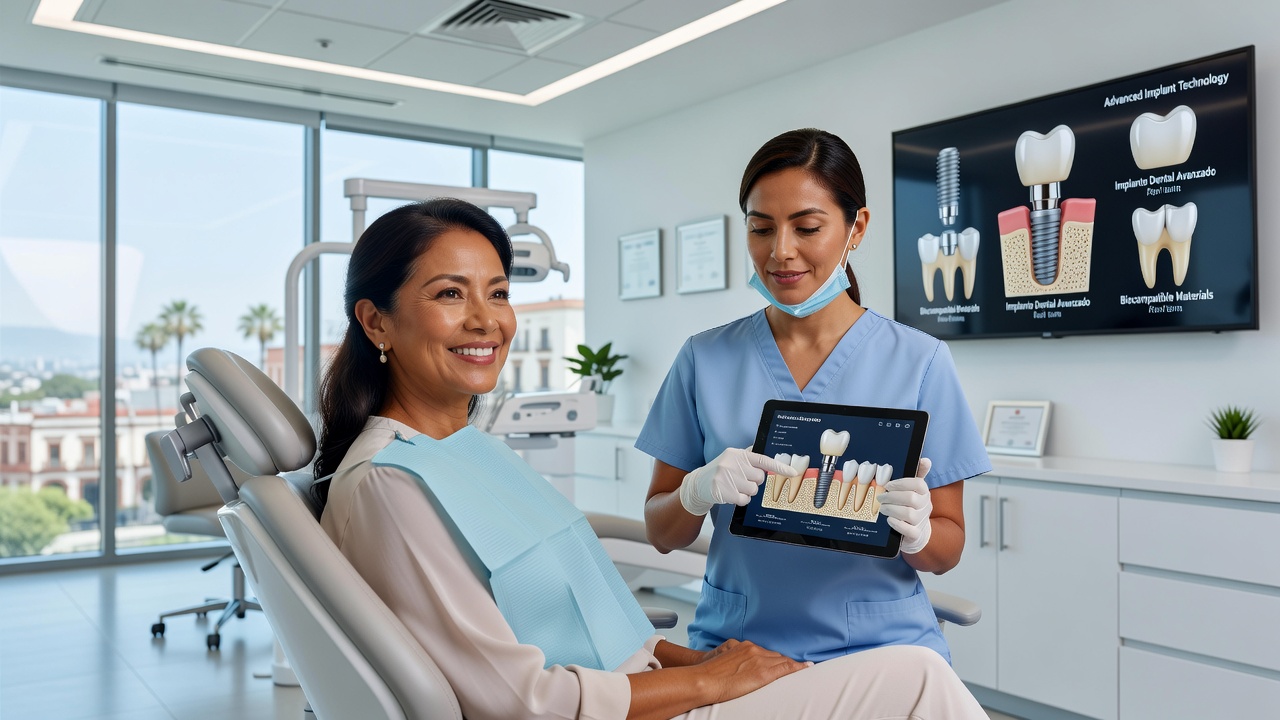
Medical tourists seeking dental implants in Mexico benefit from access to premium global brands at competitive value. In 2026, clinics across popular destinations like Tijuana, Cancun, and Los Algodones continue to attract patients from the US and Canada by offering implants from leading manufacturers. This guide examines how brands such as Straumann, Nobel Biocare, and Zimmer Biomet influence treatment outcomes, longevity, and compatibility with US standards. Choosing the right implant brand matters because it directly affects osseointegration success, long-term durability, and ease of future maintenance. Patients who understand these differences can make informed decisions that balance savings with quality technology. Mexico's dental tourism sector has grown steadily, allowing clinics to invest in the same advanced systems used in American and European practices.
Understanding How Implant Brands Affect Success Rates
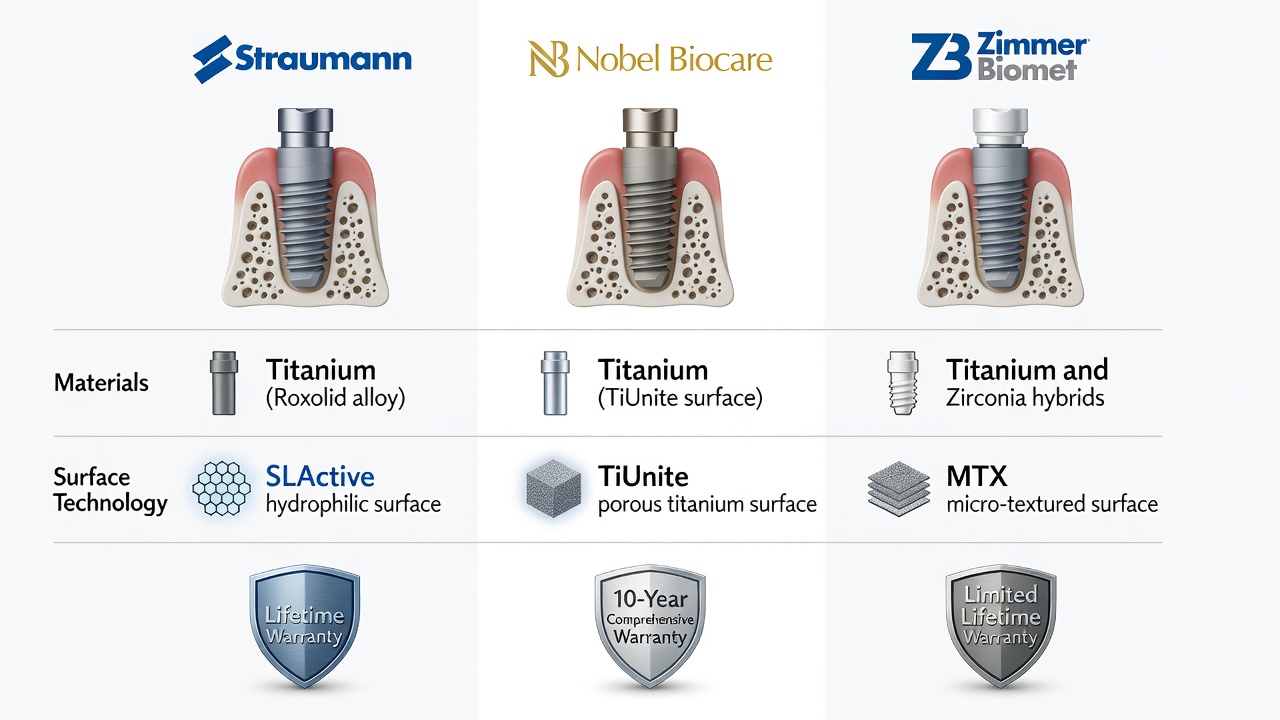
Implant success depends on material quality, surface technology, and manufacturer support. Premium brands typically report success rates above 95 percent in peer-reviewed studies when placed by experienced clinicians. Mexican clinics using these systems often achieve comparable results to US practices due to identical implant designs and protocols. Surface modifications like SLA or TiUnite promote faster bone integration, reducing healing time from six months to as little as three in many cases. Patients with compromised bone density benefit particularly from brands offering specialized coatings. Longevity also varies; well-documented systems show implants lasting 15 to 20 years or more with proper care. Brand choice influences not only initial placement but also the availability of compatible prosthetic components years later.
Leading Brands: Detailed Comparison
Straumann stands out for its advanced surface treatments that promote faster healing. The company invests heavily in research, resulting in implants with high predictability across diverse patient profiles. Nobel Biocare pioneered many modern implant concepts and maintains strong clinical documentation spanning decades. Their systems are widely taught in dental schools, making them familiar to US practitioners. Zimmer Biomet emphasizes versatility across bone types and offers extensive prosthetic options for complex restorations. Each brand maintains compatibility with US dental practices, allowing seamless follow-up care back home. Authenticity verification remains essential, as counterfeit components occasionally appear in unregulated markets. Learn more from Straumann, Nobel Biocare, and Zimmer Biomet official resources.
Ensuring Authenticity in Mexican Clinics
Verifying that a clinic uses genuine products protects patients from substandard components. Reputable providers maintain direct accounts with manufacturers and can supply batch numbers traceable to official distributors. During consultations, request to see unopened packaging featuring security holograms and laser-etched identifiers unique to each brand. Cross-check the dentist's certification through the manufacturer's online portal to confirm specialized training. Clinics that source through authorized channels also participate in ongoing quality audits. Patients should avoid facilities unwilling to disclose supplier information or offering unusually vague details about implant origins. This diligence helps ensure the same technology available in the United States is delivered in Mexico.
Practical Steps for Verifying Brand Usage During Consultations
- Request the exact implant model number and manufacturer documentation during your initial consultation.
- Ask the clinic to show sealed packaging with holographic security features common on premium brands.
- Verify the dentist's training certificates specific to the chosen system through the manufacturer's website.
- Confirm that the clinic maintains direct supplier relationships rather than sourcing through third parties.
- Request references from previous international patients who received the same brand.
- Review the clinic's sterilization and inventory management protocols to ensure compliance with international standards.
Real-World Examples of Patient Outcomes
Many patients report successful integration within three to six months when premium brands are used. One common example involves US retirees who combine implant placement with extended stays in Mexico, achieving full restoration at a fraction of domestic costs while using the same technology available stateside. Another case features a professional from California who received Straumann implants in Cancun and returned for crown placement with her local dentist six months later, noting seamless compatibility. A third example highlights a patient with prior bone grafting who selected Zimmer Biomet implants in Tijuana; follow-up radiographs at her US specialist confirmed excellent osseointegration. These stories illustrate how brand consistency supports both immediate results and long-term maintenance across borders.
Common Mistakes to Avoid When Choosing Brands
Patients sometimes select clinics based solely on advertised price rather than brand transparency. This can lead to receiving lesser-known systems that lack extensive clinical data or US-compatible parts. Another frequent error involves skipping verification of the surgeon's specific training on the chosen implant line. Failing to discuss warranty registration procedures before treatment may also create complications if issues arise later. Finally, some travelers overlook the importance of scheduling a pre-travel virtual consultation to review radiographs and confirm brand availability.
Compatibility with US Dental Standards
Premium implant systems sold in Mexico adhere to the same FDA-cleared designs used domestically. This ensures that abutments, screws, and restorative components remain interchangeable. US dentists can therefore continue care without needing to source proprietary parts from abroad. Patients should obtain complete treatment records including implant specifications before returning home. This documentation facilitates smooth transitions and supports insurance claims if applicable.
Post-Operative Care and Maintenance
Following implant placement, adherence to aftercare instructions significantly impacts outcomes. Clinics typically provide customized plans covering diet, oral hygiene, and activity restrictions during the initial healing phase. Regular follow-up visits, either in Mexico or with a home provider, allow early detection of any concerns. Long-term maintenance includes professional cleanings every six months and daily flossing around implants. Avoiding tobacco use further enhances success rates across all brands.
Frequently Asked Questions
Can I switch implant brands mid-treatment?
Switching is possible but not recommended. Different brands use unique connection systems, which can complicate abutment and crown fabrication. Discuss this with both your Mexican provider and home dentist before any change.
What does post-operative care involve?
Typical care includes soft diet for the first weeks, prescribed antibiotics, and regular check-ups. Most clinics supply written instructions and remain available for remote consultations during the healing phase.
How do I confirm warranty coverage?
Register the implant with the manufacturer using the provided card or online portal. Keep all documentation and follow recommended maintenance schedules to preserve coverage terms.
Conclusion
Selecting a reputable implant brand through a vetted Mexican clinic empowers patients to achieve excellent outcomes while enjoying substantial savings. By focusing on authenticity, clinician expertise, and brand compatibility, medical tourists can confidently proceed with treatment in 2026. Always prioritize clinics that transparently share brand information and maintain strong ties to global manufacturers.
No comments yet. Be the first!