 Veda Tour
Introduction: Why Hidden Costs Matter for 2026 Dental Tourism
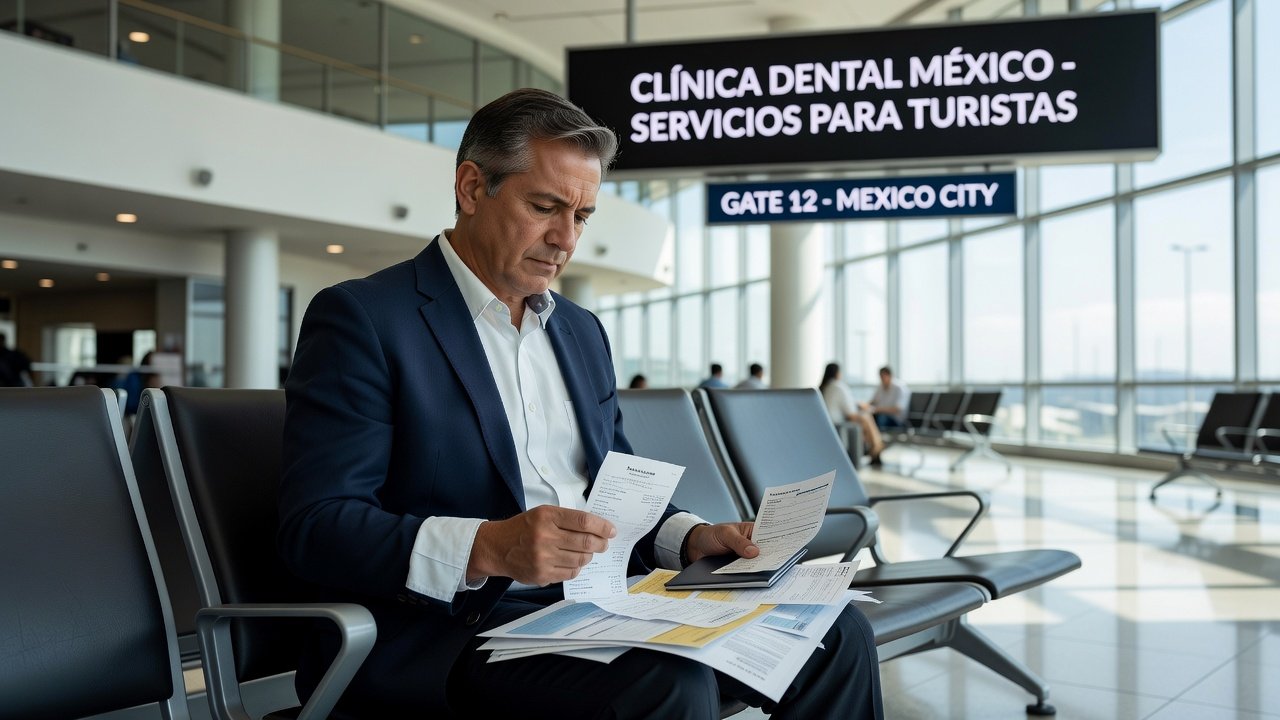
Medical tourists heading to Mexico for dental implants often focus solely on the advertised procedure price, only to encounter surprise expenses that can add thousands to the total bill. This guide uncovers those hidden costs in detail, helping patients plan accurately for 2026 trips. From variable airfares to multi-visit accommodation needs, understanding the full picture prevents budget overruns and ensures a smoother experience. Many travelers assume the base implant cost covers everything, but real-world examples show otherwise. Currency shifts, import rules for prescriptions, and potential follow-up work all play roles. This article provides practical steps, comparisons, and FAQs to support informed decisions. Thorough preparation turns potential pitfalls into manageable details, allowing patients to focus on recovery rather than unexpected financial stress.
Patients frequently underestimate how timelines stretch across multiple visits. Osseointegration alone requires several months of healing, meaning return trips are common. Factoring these realities early helps avoid the frustration of discovering additional layers of spending once the process is underway. Clinics in border towns and resort areas market heavily to Americans, yet the true cost of care extends well beyond the dental chair.
Breaking Down Flight and Travel Expenses
Airfare to popular dental hubs like Tijuana, Cancun, or Los Algodones fluctuates dramatically based on season, booking timing, and departure city. Peak winter months see higher demand, while last-minute bookings can spike costs unexpectedly. Travelers should factor in round-trip flexibility for the typical two or three visits required for implants, including healing periods between stages. Ground transportation from airports to clinics adds another layer, especially for those staying in tourist zones. Rideshares or shuttles vary by location, and border crossings can involve extra time and fees. Planning buffers for delays helps avoid additional hotel nights. For example, a traveler from Chicago might encounter winter weather disruptions that force an extra overnight stay near the airport, increasing overall travel outlays. Booking refundable tickets or flexible dates provides a safety net when schedules shift due to medical needs.
Accommodation During Multi-Visit Timelines
Implant procedures rarely complete in one trip. Patients often need an initial consultation and placement, followed by a return months later for the final crown after osseointegration. This timeline means budgeting for extended or repeated stays, which quickly accumulates in popular areas with limited affordable long-term options. Choosing clinics that partner with nearby recovery apartments can reduce daily rates compared to hotels. However, amenities like kitchen access for dietary needs during recovery become important considerations that affect overall comfort and cost. Some patients report needing to extend stays by several days when swelling or minor complications arise, turning what seemed like a short visit into a longer commitment. Researching neighborhoods near clinics helps identify safer, more convenient lodging that supports rest without excessive daily commuting.

Medication Imports and Related Fees
Post-procedure prescriptions for pain management or antibiotics may require bringing medications across borders or purchasing them locally. Import regulations can limit quantities, leading to multiple pharmacy visits or higher local prices. Patients should verify rules with customs authorities in advance to avoid confiscation or unexpected purchases. Some medications common in the US may not be readily available or could differ in formulation, prompting additional consultations. Factoring in these variables prevents last-minute scrambles that inflate the trip budget. Travelers often discover that over-the-counter alternatives recommended by Mexican pharmacies carry different active ingredients, requiring extra guidance from both the dental team and their home physician.
Potential Revision Fees and Complications
While many clinics offer warranties, revision work for issues like implant failure or improper fit can incur extra charges not covered under initial quotes. Real-world cases show that travel back for adjustments adds flight and lodging costs on top of any clinical fees. Choosing providers with clear revision policies and third-party reviews helps mitigate risks. Patients benefit from discussing worst-case scenarios upfront rather than assuming all care is included. In one documented situation, a patient required a second bone graft after initial integration issues, necessitating an unplanned return journey and additional recovery time away from work.
Step-by-Step Budgeting Checklist for 2026
- Research current airfare trends from your departure city at least three months ahead and set price alerts.
- Calculate total nights needed across all visits, including buffer days for recovery and possible delays.
- Verify medication import allowances with official sources and price alternatives at home if feasible.
- Request detailed quotes that itemize potential add-ons like bone grafts or sedation before any commitment.
- Monitor exchange rates and set aside a contingency fund for fluctuations during the planning period.
- Review insurance exclusions and consider short-term travel medical coverage options early.
- Confirm clinic policies on revisions and associated travel reimbursements in writing.
- Identify local support networks or patient forums for recent traveler experiences in your chosen destination.
Comparing Mexico Totals to US Dental Costs
Even after hidden expenses, Mexico often remains more affordable than domestic US options for similar implant work. However, the gap narrows when layering in travel logistics. Patients should compare full scenarios rather than procedure prices alone to gauge true savings. US providers typically bundle follow-ups more seamlessly, reducing the multi-trip burden. Weighing convenience against savings helps determine the best fit for individual circumstances and recovery preferences.
Currency Fluctuation Impacts on Planning
Exchange rates between the US dollar and Mexican peso can shift noticeably over the months between booking and travel. A strengthening peso raises local costs for accommodations and incidentals, while a weaker one benefits travelers. Monitoring trends through reliable financial sites allows better timing for payments. Paying in USD where possible or using cards with no foreign transaction fees can stabilize expenses. Building a contingency buffer remains a prudent strategy regardless of current rates.
Insurance Gaps and Coverage Realities
Most standard health insurance plans exclude overseas dental work, leaving patients responsible for the entire bill plus travel. Even dental-specific policies often limit benefits for treatments performed abroad. Reviewing policy fine print reveals these gaps before departure. US Department of State travel resources offer additional context on preparing for medical care outside the country.
Navigating Language, Safety, and Regulatory Standards
Language barriers can complicate discussions about treatment plans and aftercare instructions. Many clinics employ bilingual staff, yet nuances in medical terminology sometimes lead to misunderstandings that affect recovery timelines. Patients are encouraged to bring a translator or use translation apps for key conversations. Safety considerations include researching clinic accreditation and local health regulations. CDC travel health guidance provides updated recommendations for visitors seeking care abroad. Regulatory standards in Mexico vary by region, so verifying that a clinic follows international sterilization protocols adds an important layer of reassurance.
Practical FAQs on Tax Refunds and Payment Surprises
Can I claim tax refunds on dental work in Mexico?
US taxpayers generally cannot deduct foreign dental expenses unless they meet strict medical necessity criteria under IRS rules. IRS guidelines on medical expenses clarify eligibility requirements, and patients should consult a tax professional for personalized advice rather than assuming eligibility.
What payment surprises should I anticipate?
Clinics may require full upfront payment or deposits that differ from initial estimates. Currency conversion fees on credit cards and ATM withdrawal limits at border towns also catch travelers off guard. Always confirm accepted payment methods and total due before procedures begin to prevent processing delays.
Conclusion: Planning for Transparency in 2026
Successful Mexico dental implant trips in 2026 hinge on anticipating every layer of expense beyond the chair time. By using the checklist, comparing scenarios, and addressing insurance, currency, and communication factors, patients can approach treatment with confidence and avoid unwelcome financial surprises. Thorough preparation turns potential pitfalls into manageable details.

No comments yet. Be the first!