 Veda Tour
Introduction: Why Seniors Are Choosing Dental Implants in Mexico
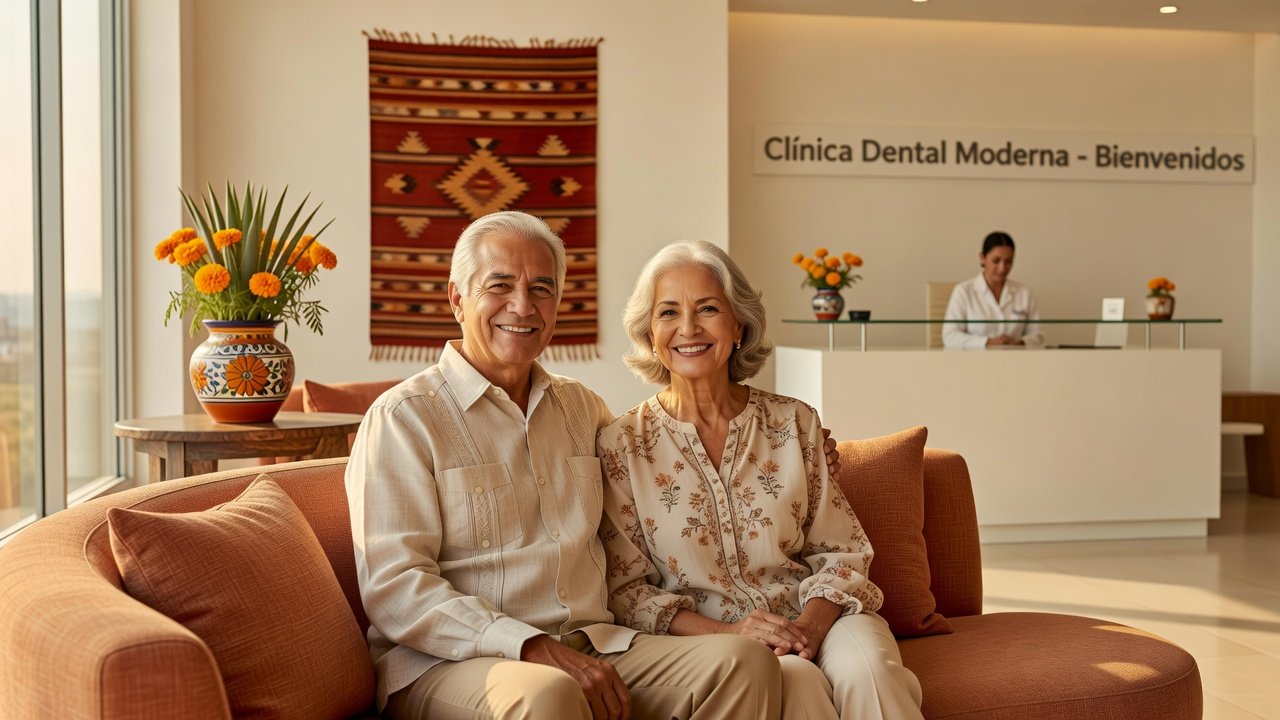
As more seniors seek high-quality yet cost-effective dental care, Mexico has emerged as a top destination for medical tourism. Dental implants in Mexico offer a reliable solution for tooth loss, which affects many older adults due to age-related bone changes and long-term wear. This comprehensive guide provides tailored 2026 advice for seniors, covering everything from pre-travel health preparations and medication reviews to post-procedure recovery modifications suited specifically to older adults. Medical tourism to Mexico allows access to advanced clinics with experienced implant specialists who understand the unique needs of older patients, including lower bone density, slower healing times, and potential comorbidities such as arthritis or heart conditions.
Many seniors report significant improvements in quality of life after receiving implants abroad, with restored ability to eat nutritious foods and speak clearly. However, success depends on careful planning that accounts for age-specific factors. This article goes beyond basic overviews to deliver practical details, decision-making tools, and real-world examples that help seniors and their families make informed choices.
Health Screenings Essential for Seniors Before Implants
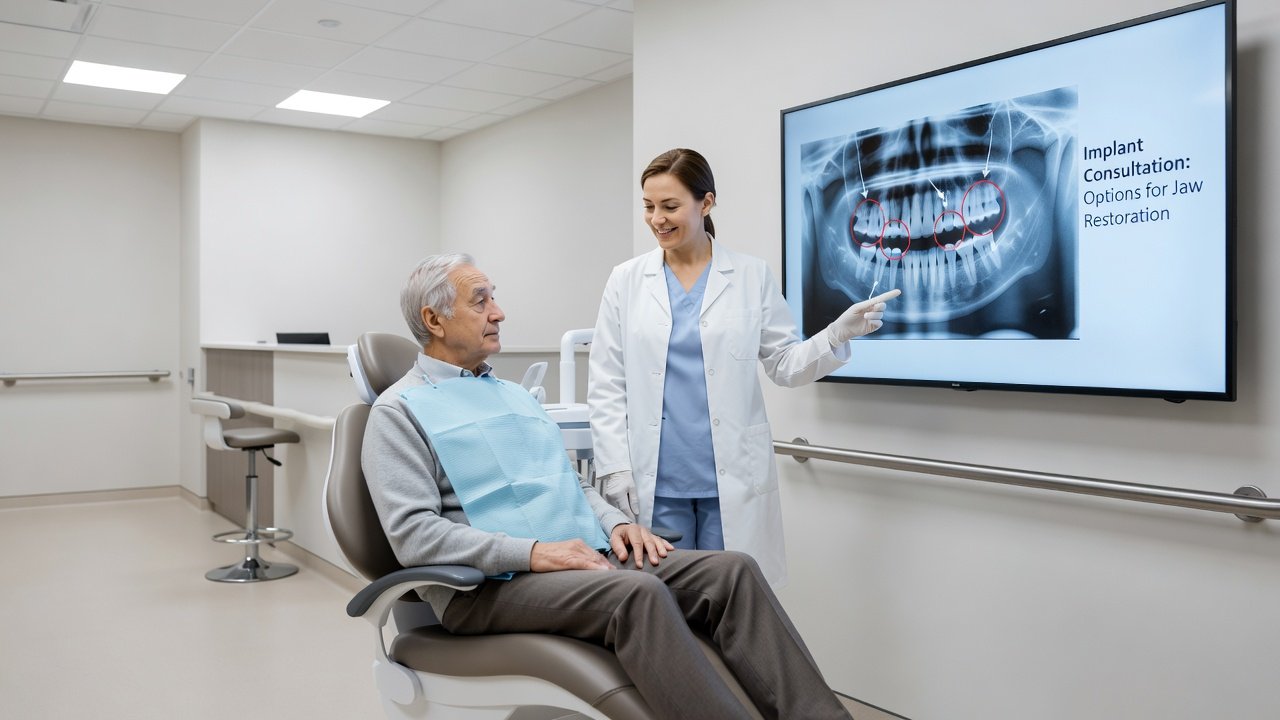
Before traveling, seniors should undergo thorough medical evaluations to minimize risks. Blood tests for diabetes control, bone density scans like DEXA, and cardiovascular assessments help determine candidacy for implants. Dentists often recommend collaborating with primary care physicians to review overall health status, including any history of cancer treatments or radiation to the jaw area. Conditions like osteoporosis or diabetes require special attention to ensure successful osseointegration, the process where the implant fuses with the jawbone. Screenings also include detailed oral examinations to assess gum health, infection risks, and jawbone quality, which are common concerns for those over 65. In some cases, additional tests such as CT scans provide three-dimensional views of bone structure, allowing Mexican specialists to plan precise implant placement.
Managing Medication Interactions and Age-Related Concerns
Many seniors take multiple medications that can affect healing or increase bleeding risks during implant surgery. Blood thinners, bisphosphonates for bone health, and immunosuppressants need careful coordination between the Mexican dental team and home doctors. Always disclose full medication lists in advance, including over-the-counter supplements like fish oil that may thin blood. Recovery modifications may involve adjusted pain management protocols suited to older metabolisms and potential interactions with existing prescriptions. For example, certain antibiotics used post-surgery can interact with heart medications, requiring dose adjustments. Seniors should also discuss sedation options, as general anesthesia may carry higher risks with age, making local anesthesia with mild sedation a safer choice in many clinics.
Comparing Implant Types for Seniors with Bone Density Issues
Bone density often decreases with age, making standard implants challenging without additional procedures. Options include traditional titanium implants, suitable when bone grafting is feasible; zirconia implants, which offer better aesthetics and biocompatibility for sensitive patients; and All-on-4 or mini implants, which require less bone and provide quicker stabilization. Specialists in Mexico frequently use advanced imaging to recommend the best fit, minimizing the need for extensive grafting. For seniors with severe bone loss, mini implants can serve as a less invasive alternative that still supports dentures effectively. Each type has trade-offs: titanium is durable and widely studied, while zirconia avoids metal allergies but may be more brittle under heavy bite forces. Discussing these options during virtual consultations helps set realistic expectations for both function and appearance.
Selecting Senior-Friendly Clinics in Mexico
Look for clinics accredited by international bodies, with staff trained in geriatric care and emergency protocols. Amenities such as wheelchair access, on-site pharmacies, and English-speaking coordinators enhance comfort for older travelers. Research patient reviews focused on senior experiences and request virtual consultations to assess facilities, including hygiene standards and recovery rooms. Many top clinics partner with local hospitals for emergency support, adding peace of mind for older travelers. Verify credentials through organizations like the Mexican Dental Association and check for memberships in global implantology groups. Senior-friendly clinics often provide transportation from airports and customized treatment timelines that avoid rushed schedules.
Travel Tips for Companions and Seniors
Traveling with a companion is advisable for support during recovery, especially for managing luggage and monitoring for any post-operative issues. Choose flights with minimal layovers and book ground transportation in advance to reduce fatigue. Opt for accommodations near the clinic with easy access to medical care, such as hotels offering shuttle services and accessible rooms. Plan for a 7-10 day stay to allow initial healing monitoring and any necessary adjustments. Pack comfortable clothing, any prescribed medications in original containers, and documents like medical history summaries, passport copies, and emergency contacts. Companions should also prepare by learning basic Spanish phrases for medical situations and understanding signs of complications like excessive swelling.
Step-by-Step Planning Checklist for 2026
- Obtain recent health records and complete screenings at home at least six weeks before travel.
- Research and contact 3-5 accredited clinics for quotes, virtual consultations, and detailed treatment plans.
- Coordinate medication reviews with both home physicians and Mexican providers to avoid interactions.
- Arrange travel insurance covering medical tourism and potential complications.
- Book companion travel and recovery lodging with accessibility features.
- Schedule follow-up virtual check-ins before departure and upon return home.
- Prepare a recovery kit with soft foods, oral care supplies, and any recommended supplements.
- Confirm all travel documents, including proof of vaccinations if required by the clinic.
Real Patient Examples of Successful Outcomes
One 72-year-old from Arizona received All-on-4 implants in Cancun after bone density concerns were addressed with minor grafting. She reported improved chewing ability and confidence within six weeks, allowing her to enjoy family meals again. Another senior from California chose zirconia implants in Tijuana, noting seamless coordination with his cardiologist back home and no complications during a smooth recovery. A third example involves a 68-year-old widow from Texas who traveled with her daughter to Los Algodones; the clinic provided a private recovery suite and daily nurse check-ins, leading to full integration of her implants within three months and renewed social confidence.
Nutrition and Recovery Modifications for Older Adults
Post-surgery nutrition plays a critical role in healing. Seniors should focus on soft, nutrient-dense foods like smoothies, yogurt, and pureed vegetables to maintain protein intake without stressing the surgical site. Hydration is equally important, but avoid straws that could dislodge clots. Clinics often provide customized meal plans and recommend anti-inflammatory diets rich in vitamins C and D to support bone health. Recovery timelines may be extended for seniors, so pacing activities and incorporating gentle walks helps circulation without overexertion.
Potential Risks and Mitigation Strategies
While implants have high success rates, seniors face slightly elevated risks of infection or delayed healing due to age. Mitigation includes strict adherence to pre- and post-op instructions, choosing clinics with on-site labs for quick adjustments, and arranging home follow-up with a local dentist. Discussing these openly during consultations builds confidence in the process.
Practical FAQs on Insurance, Follow-Up, and Cost Savings
How does insurance work for implants abroad?
Most U.S. dental insurance does not cover procedures in Mexico, but some medical tourism facilitators offer reimbursement guidance. Check policies for out-of-network benefits and consider supplemental travel medical insurance.
What about follow-up logistics?
Many clinics provide remote monitoring via video calls and share digital records. Local dentists at home can handle routine check-ups after initial healing, with clear communication channels established before departure.
How can seniors maximize 2026 savings?
Bundle procedures during one trip, travel during off-peak seasons, and verify all-inclusive packages that cover implants, lodging, and transfers. Always confirm current offerings directly with clinics and compare multiple providers.
Conclusion
Dental implants in Mexico represent a viable, senior-focused option for restoring smiles in 2026. By prioritizing health screenings, understanding implant options for bone density challenges, and following a detailed planning checklist, older adults can achieve safe and satisfying results. Consult qualified professionals and prepare thoroughly to make the most of this medical tourism opportunity. For more on oral health, visit Mayo Clinic, American Dental Association, and Centers for Disease Control and Prevention.
No comments yet. Be the first!