 Veda Tour
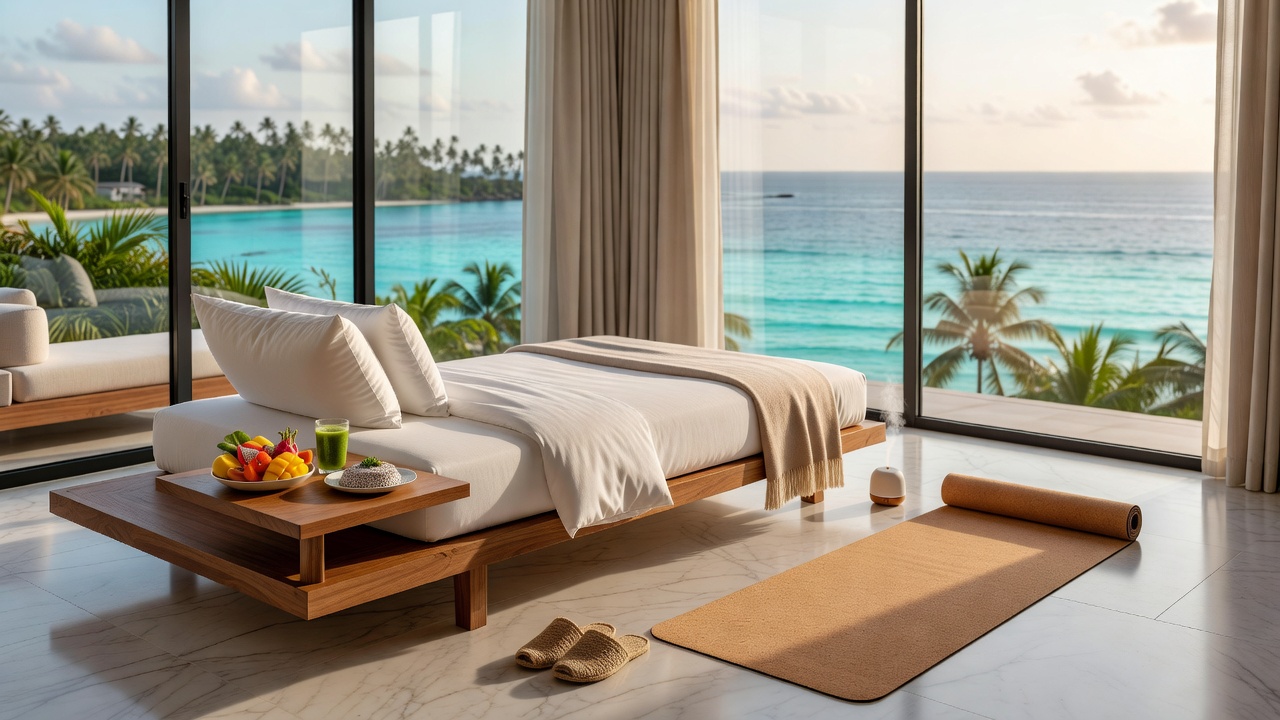
Introduction: Blending Wellness with Cosmetic Surgery Recovery
Patients traveling for cosmetic surgery increasingly seek holistic recovery experiences that go beyond standard post-operative care. In 2026, wellness add-ons such as yoga, personalized nutrition, and spa therapies are transforming medical tourism by supporting faster healing, reducing downtime, and enhancing overall results. This approach integrates evidence-based wellness practices with surgical aftercare for a more complete journey. Medical tourists often combine procedures like rhinoplasty or liposuction with recovery-focused wellness services. These add-ons address physical swelling, emotional stress, and nutritional needs that standard itineraries may overlook. By choosing integrated packages, travelers can optimize outcomes while enjoying destinations known for both medical excellence and wellness offerings. The demand for these combined experiences continues to grow as patients recognize that surgical success depends not only on the procedure itself but also on the quality of aftercare and lifestyle support during the critical healing phase.
Holistic recovery emphasizes the connection between mind and body. Stress reduction techniques incorporated into wellness programs can lower cortisol levels, which in turn supports immune function and reduces inflammation around surgical sites. Many clinics now collaborate with certified wellness experts to create seamless experiences that feel both restorative and medically sound.
Key Wellness Services That Complement Surgical Recovery
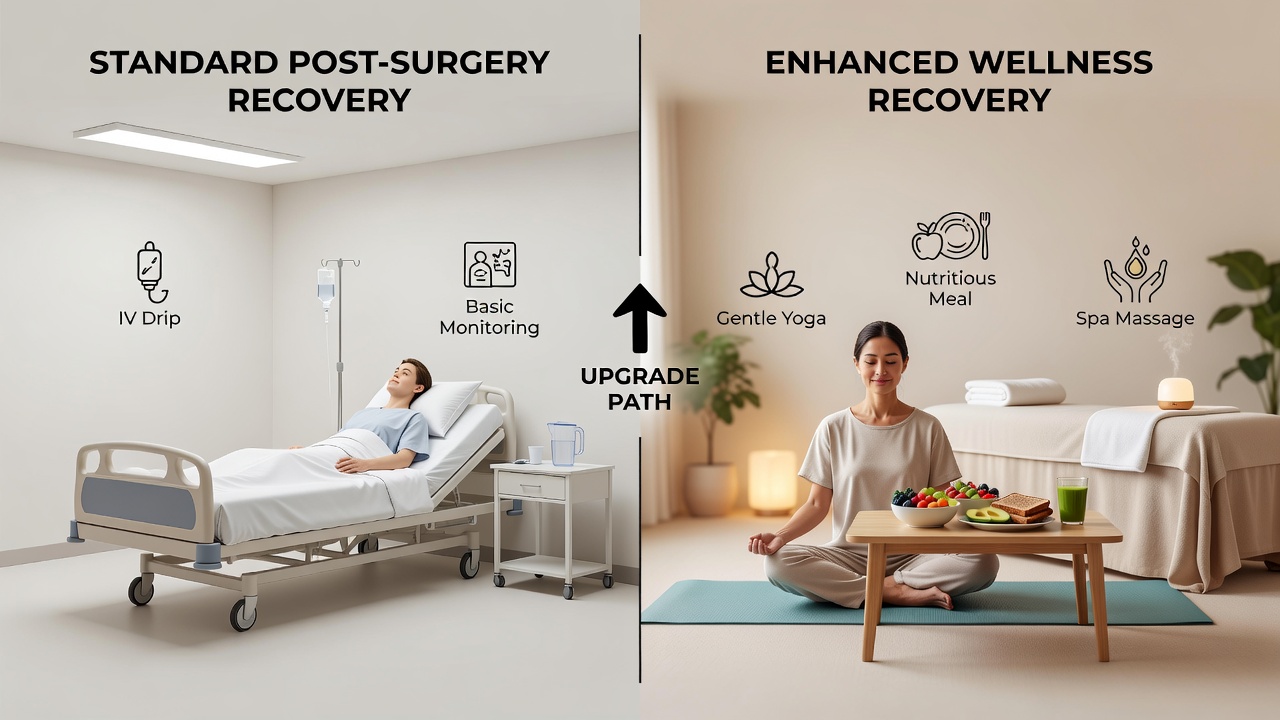
Yoga sessions tailored for post-surgery patients emphasize gentle stretches and breathing techniques to improve circulation and reduce inflammation. Certified instructors modify poses to accommodate limited mobility and healing incisions. Nutrition plans focus on anti-inflammatory foods rich in vitamins and proteins to accelerate tissue repair. These plans often include meal timing strategies that align with medication schedules. Spa therapies, including lymphatic drainage massages and hydrotherapy, help manage swelling and promote relaxation without interfering with surgical sites. Each service is carefully timed to avoid any risk of complications.
These services work synergistically. For example, a daily yoga routine paired with a customized meal plan can shorten visible recovery time compared to rest alone. Patients report improved mobility and mood within the first two weeks when wellness elements are included. Additional options such as mindfulness meditation and guided nature walks further enhance emotional well-being during what can otherwise be an isolating recovery period.
Yoga and Movement Therapy
Specialized yoga programs begin with seated breathing exercises and progress to supported postures using props. These sessions improve blood flow, reduce stiffness, and encourage better sleep patterns essential for healing.
Nutrition and Supplementation
Registered dietitians design plans around individual surgical needs, incorporating foods high in collagen-building nutrients and antioxidants. Hydration protocols are emphasized to support skin elasticity and reduce bruising.
Spa and Therapeutic Treatments
Lymphatic drainage and gentle hydrotherapy are scheduled only after medical clearance. These treatments accelerate fluid removal and provide pain relief through non-pharmaceutical methods.
Selecting Integrated Wellness and Surgery Packages
When choosing packages, verify that providers coordinate surgical aftercare with licensed wellness practitioners. Look for programs that include pre-arrival consultations, on-site monitoring by medical staff, and flexible scheduling to avoid overexertion. Reputable clinics offer bundled options that cover airport transfers, accommodation, and follow-up appointments alongside wellness sessions. Practical steps include reviewing patient testimonials, confirming insurance coverage for combined services, and ensuring the destination meets international safety standards. World Health Organization guidelines provide useful benchmarks for evaluating medical tourism providers.
Additional selection criteria involve checking practitioner credentials, understanding cancellation policies, and confirming that wellness activities are adapted for post-surgical limitations. Patients should request sample daily schedules to visualize how surgery recovery and wellness sessions will integrate throughout the stay.
Popular Destinations Offering Wellness-Enhanced Recovery
Thailand stands out for its fusion of advanced cosmetic clinics and traditional wellness retreats. Turkey combines affordable surgical expertise with thermal spa facilities, while Mexico offers beachside resorts integrating nutrition coaching with post-op care. These locations provide seamless itineraries that blend medical procedures with restorative activities. Patients should compare travel requirements, climate suitability for recovery, and availability of English-speaking staff. Many clinics partner with wellness centers to create customized seven- to fourteen-day programs. Emerging options in Costa Rica and Portugal also feature strong combinations of surgical care and nature-based wellness, appealing to patients seeking quieter recovery environments.
Real Patient Timelines and Examples
Consider a typical timeline for a wellness-enhanced facelift recovery. Days 1-3 focus on rest with light nutrition support. By day 5, gentle yoga begins. Spa therapies start around day 7, leading to noticeable reductions in swelling by day 10. Standard recovery without these add-ons often extends visible downtime by several days. Another example involves a patient undergoing liposuction in a wellness-integrated package. The inclusion of anti-inflammatory meal plans helped maintain energy levels, allowing return to light activities sooner than expected. A third case featured a rhinoplasty patient in Thailand who incorporated daily mindfulness sessions, reporting significantly lower anxiety levels and better adherence to post-operative instructions throughout the two-week stay.
Comparing Standard vs Wellness-Enhanced Itineraries
Standard itineraries typically cover surgery, basic accommodation, and follow-up visits. Wellness-enhanced versions add daily yoga, nutrition consultations, and multiple spa sessions, resulting in more comprehensive support. The enhanced approach often leads to better long-term satisfaction and reduced need for additional corrective treatments. Travelers benefit from structured comparisons when budgeting time and resources. Wellness options require slightly longer stays but deliver measurable improvements in comfort and healing quality. Key differences appear in emotional support, physical mobility gains, and overall patient-reported outcomes at the one-month mark.
Mistakes to Avoid When Adding Wellness Services
- Over-scheduling activities too soon after surgery, which can increase swelling or risk complications.
- Choosing non-licensed practitioners who lack experience with post-surgical patients.
- Ignoring medical clearance requirements before starting any new therapy.
- Selecting destinations without reliable emergency medical infrastructure.
- Failing to communicate all wellness plans to the surgical team in advance.
Preparing for Your Trip and Post-Return Care
Preparation begins with a thorough medical evaluation and packing appropriate clothing that accommodates swelling and mobility restrictions. Patients should also arrange virtual follow-up appointments with both the surgical and wellness teams after returning home. Continuing light yoga and nutrition principles at home helps maintain the benefits achieved during the trip.
Cost Considerations for Wellness Add-Ons
Integrated packages generally command a premium over basic surgical trips due to additional services and specialized staffing. Travelers should request detailed breakdowns that separate surgical fees from wellness components. Always confirm current offerings directly with providers, as rates fluctuate with demand and seasonality.
FAQ on Safety and Booking
- Is it safe to combine wellness therapies with surgery? Yes, when supervised by qualified professionals who coordinate with your surgical team. Always disclose all treatments in advance.
- How far in advance should I book? Secure packages at least 8-12 weeks ahead to allow for medical evaluations and travel arrangements.
- What if complications arise? Choose providers with 24/7 medical support and clear protocols for handling post-operative issues.
- Can I customize the wellness schedule? Most reputable programs allow adjustments based on daily recovery progress and physician recommendations.
- Are wellness add-ons suitable for all cosmetic procedures? Suitability depends on the specific surgery and individual health factors; always consult your surgeon first.
Consult your physician before travel and verify all credentials through official channels such as CDC travel health resources and Mayo Clinic patient guidelines.
Conclusion: Planning Your Holistic Recovery Journey
Wellness add-ons represent a forward-thinking evolution in cosmetic surgery medical tourism. By thoughtfully integrating yoga, nutrition, and spa therapies, patients achieve smoother recoveries and lasting benefits. Start by researching reputable providers, comparing itineraries, and prioritizing safety to create a personalized experience that supports both body and mind in 2026.


No comments yet. Be the first!