 Veda Tour
Introduction: Why Telemedicine Matters for Cosmetic Surgery Abroad
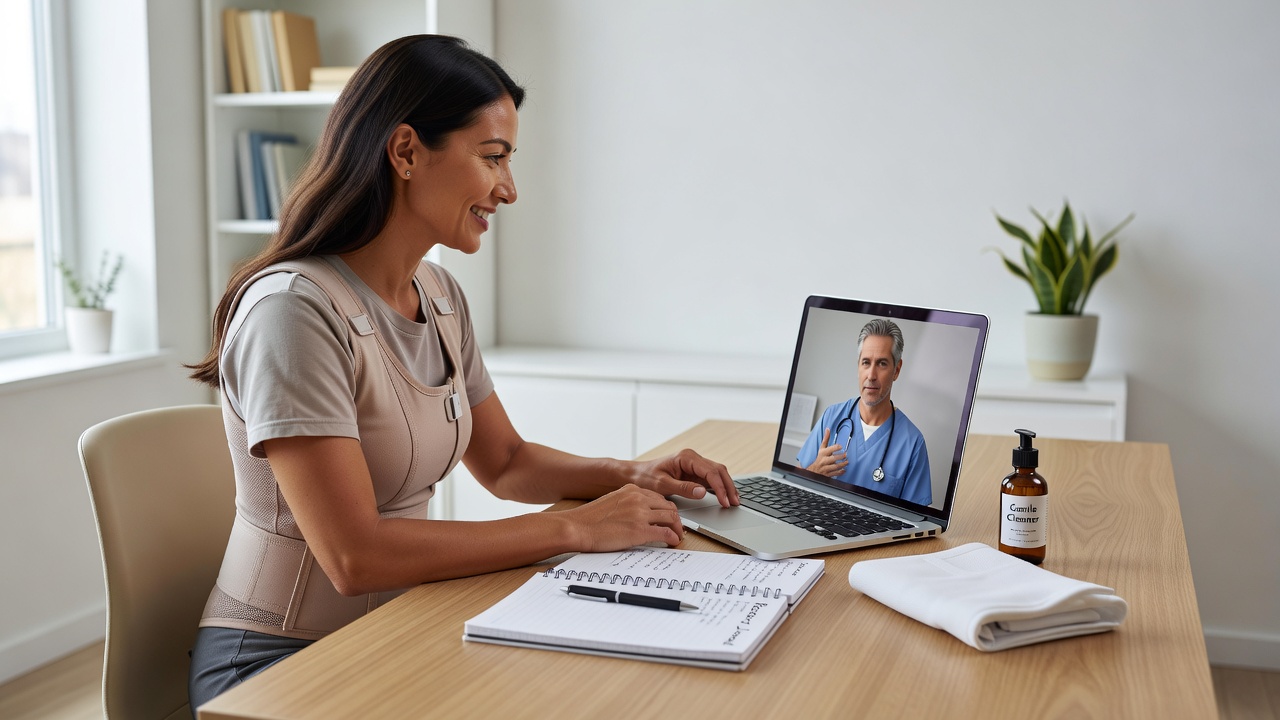
Patients traveling overseas for cosmetic procedures often face challenges with follow-up care once they return home. Telemedicine bridges this gap by enabling remote monitoring, wound checks, and consultations without additional flights. This approach minimizes travel risks, supports ongoing healing, and aligns with 2026 trends in medical tourism where virtual care has become standard. In recent years, more individuals have chosen destinations such as Turkey, Mexico, Thailand, and South Korea for high-quality yet affordable cosmetic treatments, yet the return journey home frequently leaves gaps in specialized aftercare. Without proper follow-up, complications like infections, delayed healing, or unsatisfactory results can arise, leading to stress and additional expenses.
Integrating telemedicine ensures patients receive consistent guidance from their original surgical team, even across continents. It addresses common concerns like swelling, scarring, and infection signs while reducing the need for local specialists unfamiliar with the procedure. By 2026, advancements in secure video platforms and mobile health apps have made these virtual connections more reliable than ever, allowing high-resolution image sharing and real-time assessments that closely mimic in-person visits.
Benefits of Remote Follow-Ups in Medical Tourism
Remote follow-ups reduce physical strain on recovering patients and lower overall disruption to daily life. Surgeons can visually assess progress via high-resolution video, prescribe adjustments, and coordinate with local physicians when needed. This model also supports patients who chose destinations for cost-effective treatments, offering peace of mind that the operating surgeon remains involved throughout recovery. Additional benefits include reduced exposure to travel-related health risks such as deep vein thrombosis and the ability to maintain work or family commitments without extended absences.
Key Advantages
- Continuous access to the operating surgeon for personalized advice
- Early detection of issues before they escalate into serious problems
- Flexible scheduling that fits recovery timelines and personal routines
- Documentation of healing for insurance or legal purposes
- Lower overall stress compared to arranging return visits abroad
Selecting Compatible Telemedicine Platforms
Not every video tool meets medical standards. Prioritize platforms with HIPAA-equivalent encryption, screen-sharing for imaging, and secure file uploads for progress photos. Popular choices include specialized medical apps that integrate with electronic health records used by international clinics. Look for features such as multi-language support, automated reminders, and the ability to store encrypted photo histories that surgeons can reference across multiple sessions. Verify platform compatibility with your surgeon’s clinic before booking. Many facilities now recommend specific apps that support multilingual interfaces and high-definition imaging required for detailed post-surgical evaluations.
Patients should test the platform during the initial consultation phase to ensure smooth operation. Clinics often provide tutorials or dedicated support staff to help set up accounts, ensuring everything functions correctly before the patient departs the destination country.
Scheduling Across International Time Zones
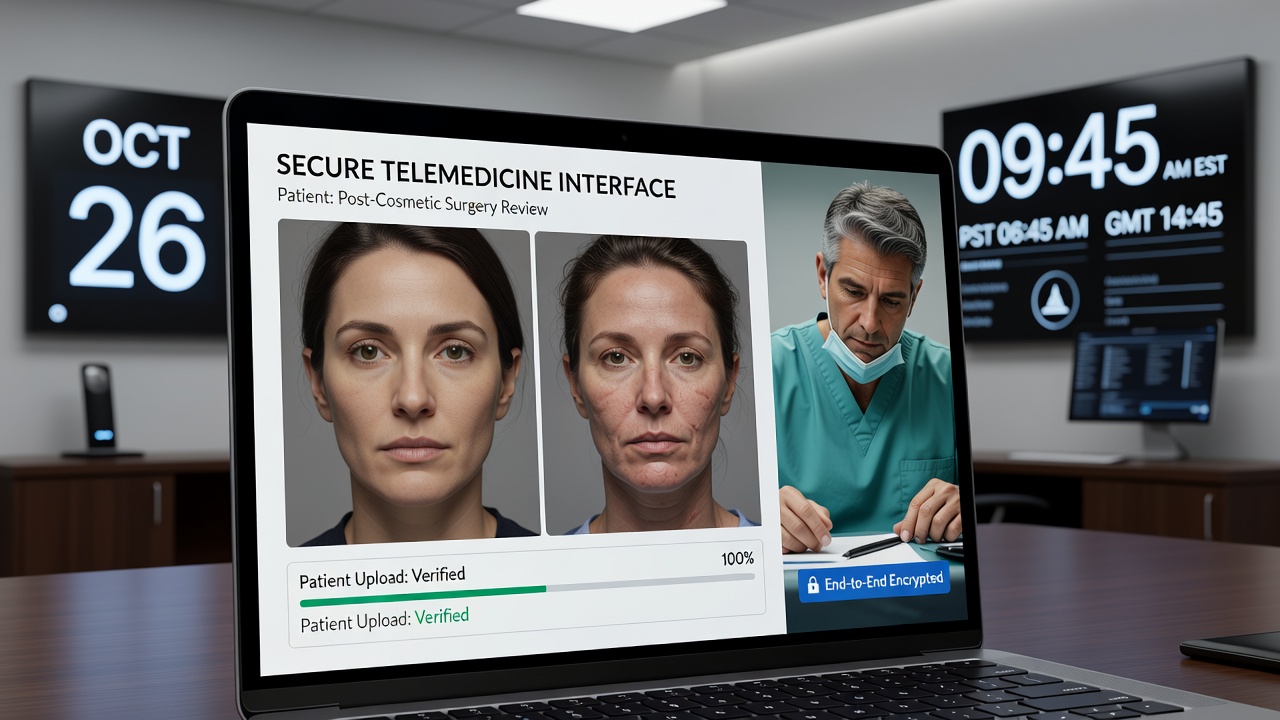
Time zone differences require careful planning. Use shared calendar tools that automatically convert times and send reminders. Aim for sessions during overlapping business hours when possible, or request evening slots if the surgeon’s team offers extended availability. Tools like Google Calendar or specialized medical scheduling software can display multiple time zones simultaneously, helping both parties avoid conflicts. Practical tip: Test the connection 15 minutes early and prepare a quiet, well-lit space with stable internet. Document each session’s date, time, and notes in a shared folder accessible to both patient and surgeon. Consider setting recurring appointments at the same converted time each week to build a consistent routine.
Verifying Surgeon Credentials for Virtual Sessions
Confirm the surgeon holds valid licenses in both the destination country and any relevant international bodies. Request proof of board certification and review recent patient testimonials focused on virtual follow-up experiences. Reputable clinics provide this information transparently on their websites or during initial consultations. Cross-check credentials through official medical boards or organizations such as the American Society of Plastic Surgeons. This step builds trust and ensures the virtual provider matches the in-person surgical team. Patients should also ask about the surgeon’s experience specifically with telemedicine, including how many remote follow-ups they have conducted in the past year.
Step-by-Step Setup for Your Telemedicine Follow-Ups
- Confirm platform and login details with the clinic before departure.
- Schedule the first virtual visit within 48-72 hours of returning home.
- Prepare photos and symptom logs in advance of each appointment.
- Test device camera, microphone, and lighting the day before.
- Have emergency contact numbers ready in case technical issues arise.
- Share any local lab results or additional medical notes securely through the platform.
Real-World Examples of Successful Follow-Ups
One patient who underwent rhinoplasty in South Korea maintained weekly video check-ins for six weeks. The surgeon identified minor asymmetry early and guided non-invasive adjustments, avoiding revision surgery. Another case involved a Brazilian butt lift patient in Europe who shared daily photos, allowing the team to monitor healing and adjust compression garment recommendations remotely. A third example comes from a patient who traveled to Mexico for a facelift; through consistent virtual sessions, the surgeon detected early signs of seroma formation and instructed the patient to seek prompt local drainage, preventing further complications. These cases demonstrate how proactive remote care leads to better outcomes and higher patient satisfaction.
Handling Complications Remotely
While telemedicine excels at monitoring, it has limits. Establish clear protocols for urgent issues: if signs of infection or severe pain appear, the surgeon can advise immediate local ER visits while reviewing images in real time. Many clinics maintain 24/7 virtual triage lines for post-op patients. Patients should photograph any concerning areas daily and upload them promptly. In some instances, surgeons may recommend combining virtual care with a single in-person visit to a trusted local specialist for hands-on evaluation when digital assessment alone is insufficient.
Cost Comparisons Versus In-Person Visits
Telemedicine follow-ups generally cost significantly less than return flights plus local accommodations. Patients report qualitative savings in time, stress, and lost wages, making the virtual model attractive for those balancing work and recovery. Exact savings vary by destination and procedure complexity, but the convenience factor often outweighs any minor fees associated with platform usage.
Common Mistakes to Avoid
- Skipping the first scheduled virtual appointment due to feeling well
- Using unsecured public Wi-Fi for medical consultations
- Failing to prepare clear, well-lit photos of the surgical site
- Ignoring time zone differences and missing sessions
- Not verifying encryption standards on chosen platforms
Privacy, Security, and Tech Requirements
Ensure all sessions use encrypted connections and that photos are stored on compliant servers. Patients should use strong, unique passwords and avoid public Wi-Fi for medical calls. Minimum requirements typically include a device with a 720p camera, reliable broadband, and updated browser or app. Additional recommendations include using a secondary device as backup and enabling two-factor authentication on all accounts.
FAQ
How private are telemedicine sessions?
Reputable platforms use end-to-end encryption meeting or exceeding standards similar to those outlined by the World Health Organization for digital health. Always review the clinic’s privacy policy before starting.
What if my internet fails during a session?
Have a backup phone connection or reschedule immediately. Clinics usually offer flexible rescheduling for technical difficulties.
Can local doctors access my records?
With patient consent, many international clinics share secure summaries or grant limited access to coordinate care with your hometown physician.
Are there any legal considerations for cross-border telemedicine?
Patients should confirm that the surgeon’s license covers virtual consultations across borders and understand local regulations regarding medical advice received remotely. Consulting a legal advisor familiar with medical tourism can provide additional clarity.
Conclusion
Telemedicine transforms cosmetic surgery abroad from a one-time trip into a supported, long-term care journey. By choosing secure platforms, mastering time-zone logistics, and verifying credentials, patients enjoy safer recoveries with fewer complications. Start planning your virtual follow-up protocol during the initial consultation to ensure seamless integration from day one. With proper preparation, individuals can achieve optimal results while minimizing the logistical burdens associated with international medical travel.


No comments yet. Be the first!