 Veda Tour
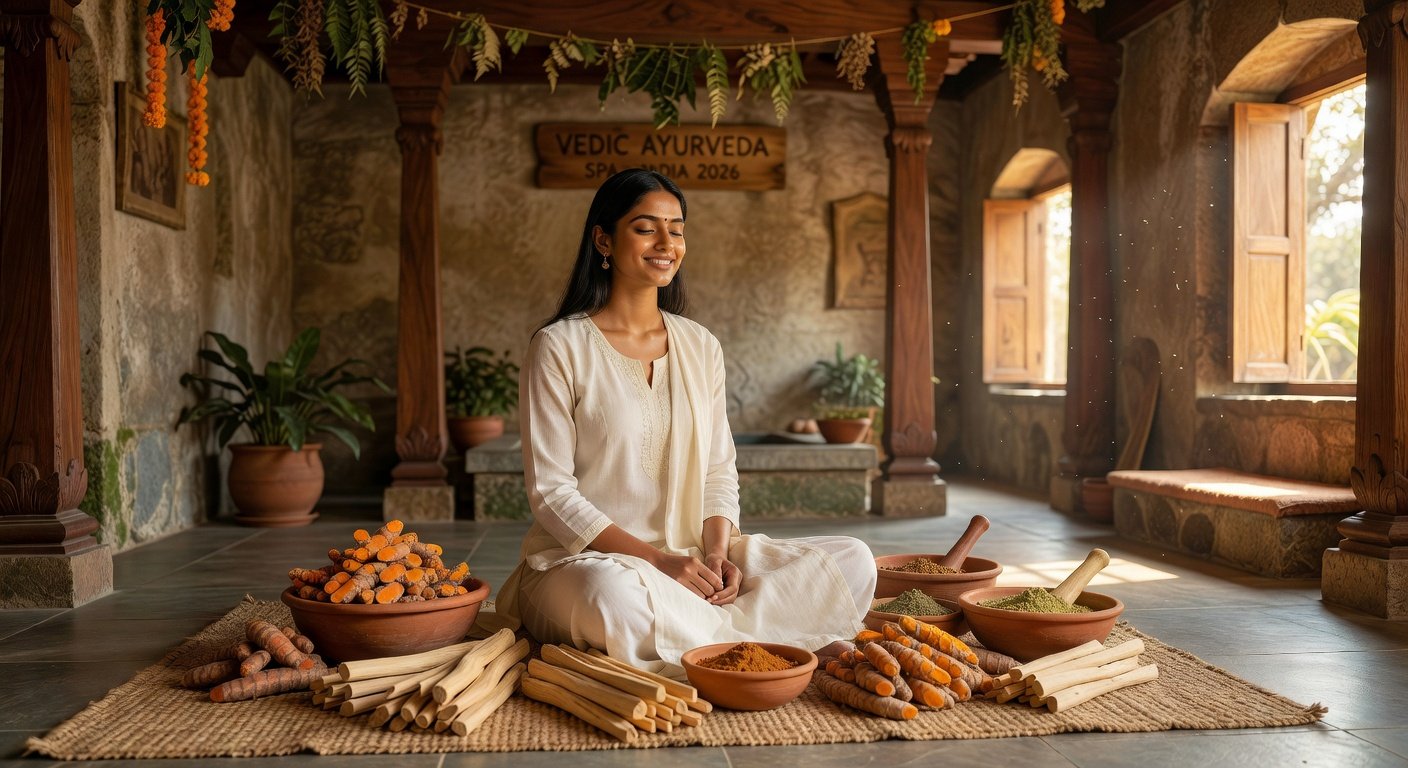
Introduction to Ayurvedic Skin Glow in 2026
Ayurveda, the ancient Indian system of holistic healing, continues to offer powerful solutions for achieving radiant skin in 2026. By blending traditional Vedic principles with modern accessibility, enthusiasts across India and beyond are turning to dosha-specific treatments for natural glow. This approach emphasizes balance of the three doshas—Vata, Pitta, and Kapha—rather than relying on harsh chemicals.
Unlike conventional skincare that often targets surface symptoms, Vedic healing addresses root causes through herbs, oils, and therapies. Many seekers are now combining these methods with yoga for enhanced results, as detailed in our FAQs section.
Understanding Your Dosha for Personalized Skin Analysis
Effective Ayurvedic skincare begins with identifying your dominant dosha. Vata skin tends to be dry and prone to wrinkles, Pitta skin is sensitive and inflammatory, while Kapha skin is oily and may experience congestion. In 2026, online dosha quizzes and consultations at Indian wellness hubs help enthusiasts accurately determine their type before starting treatments.
Professional analysis often includes pulse reading and visual assessment by certified practitioners. This personalized step ensures remedies like cooling sandalwood for Pitta or nourishing sesame oil for Vata deliver optimal glow without irritation.
Key Ayurvedic Treatments: Ubtan Masks and Nasya Therapy
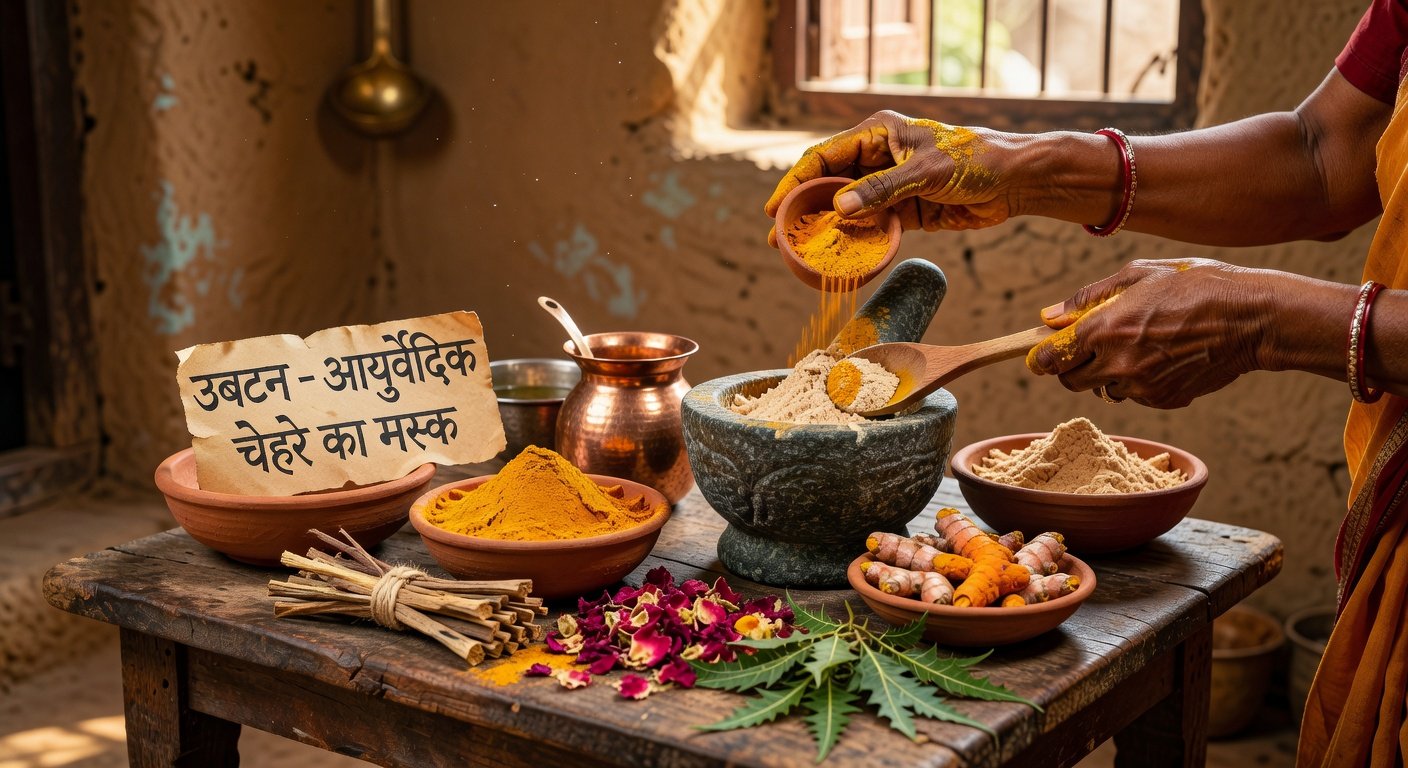
Ubtan masks, traditional herbal pastes, form a cornerstone of Vedic skin healing. These masks exfoliate gently while infusing skin with antioxidants from ingredients like turmeric and chickpea flour. Nasya therapy, involving nasal administration of medicated oils, clears toxins and promotes internal balance that reflects as external radiance.
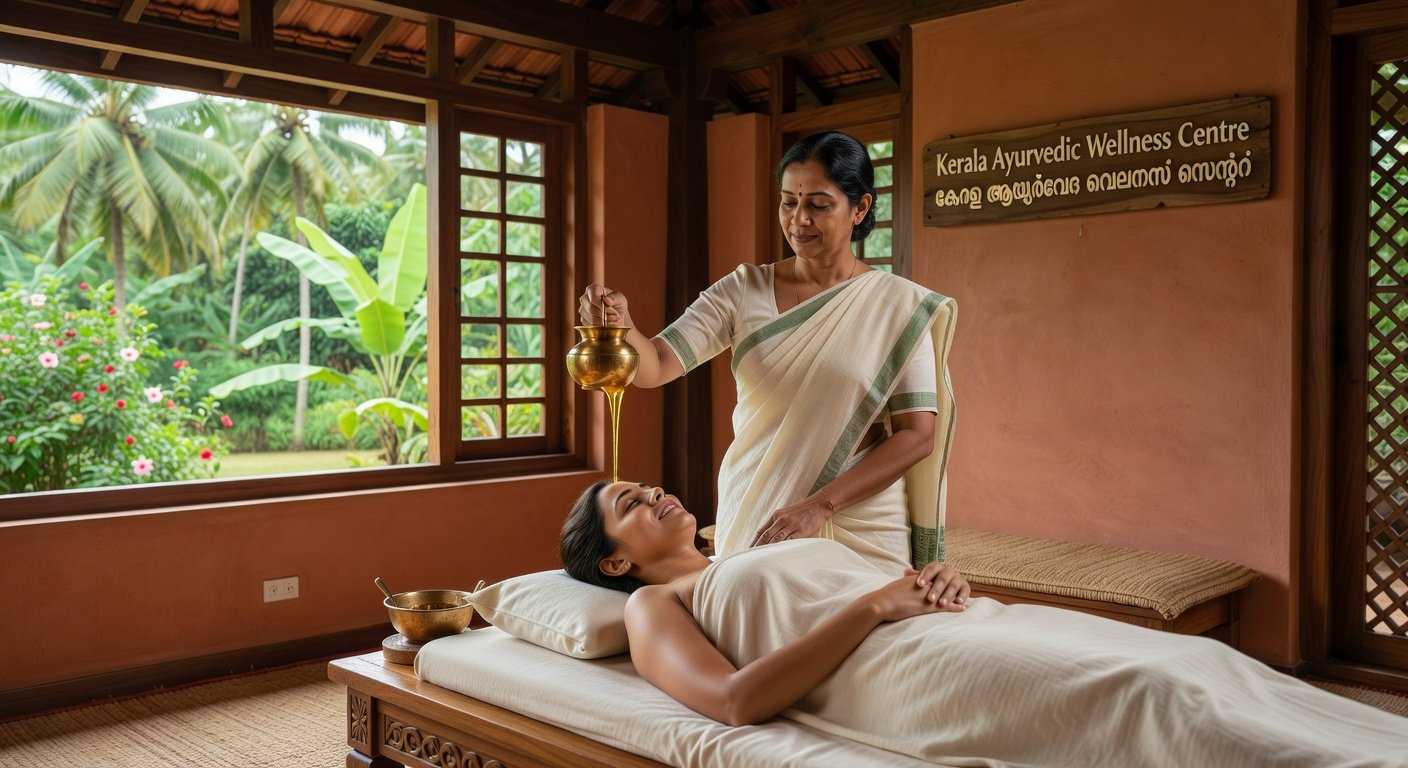
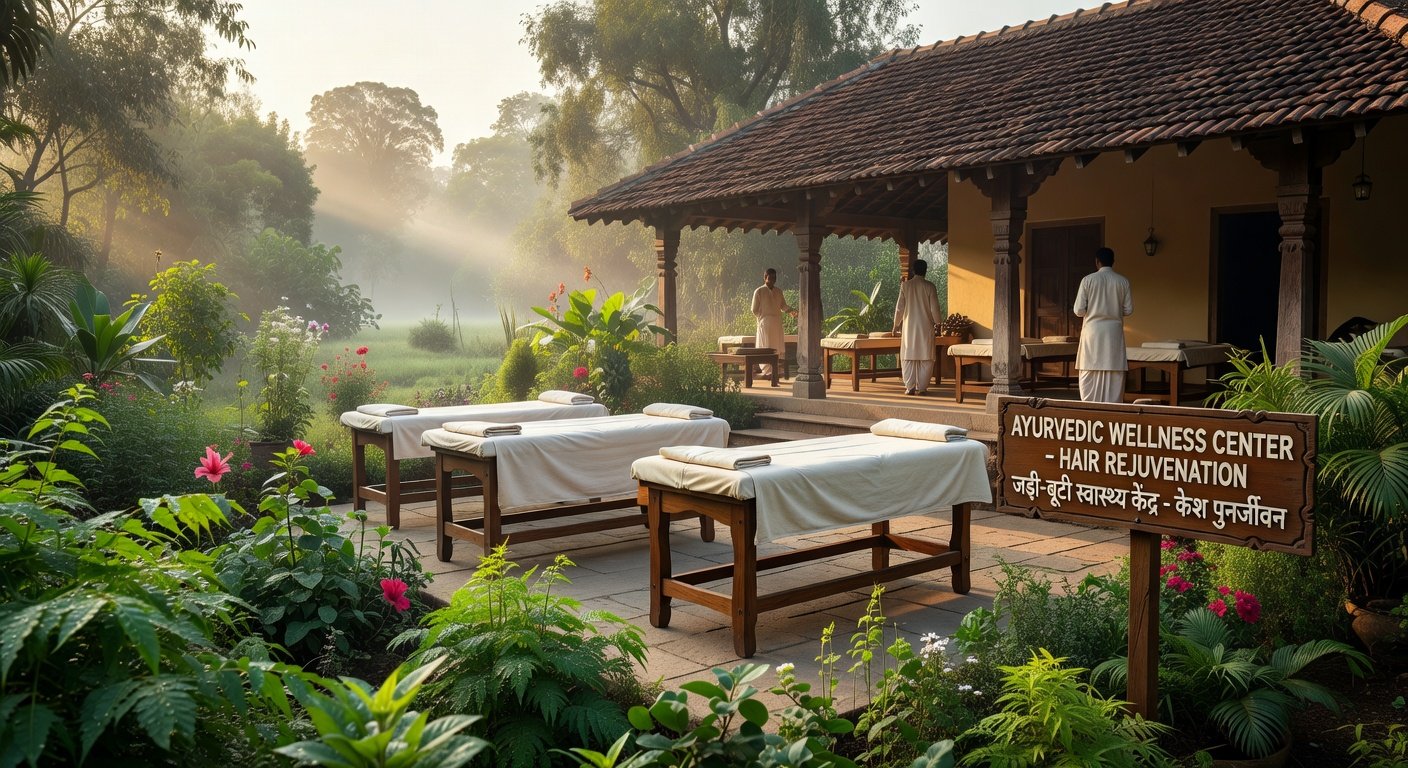
Top centers in India offering these in 2026 include facilities in Kerala and Rajasthan, where practitioners integrate these therapies into customized programs. World Health Organization recognizes the value of such traditional practices in global wellness.
Step-by-Step DIY Recipes for Radiant Skin
Creating your own remedies at home is straightforward with common Ayurvedic ingredients. Here's a simple Ubtan mask recipe suitable for most doshas:
- Mix 2 tablespoons chickpea flour, 1 teaspoon turmeric, and 1 teaspoon sandalwood powder.
- Add rose water or milk to form a paste.
- Apply to clean skin, leave for 15 minutes, then rinse gently.
For Nasya at home, use a few drops of warm sesame oil in each nostril daily, but consult a practitioner first. These recipes emphasize fresh, organic ingredients for best results.
Real-User Case Studies and Comparisons to Chemical Skincare
Consider Priya, a 32-year-old from Mumbai, who switched from chemical serums to Ayurvedic protocols in early 2026. After three months of dosha-tailored Ubtan and yoga integration, her hyperpigmentation faded noticeably, revealing a natural glow. Similarly, Rajesh from Delhi reported reduced acne through consistent Nasya and seasonal adjustments.
In contrast to chemical products that may cause rebound dryness or sensitivity, Ayurvedic methods promote long-term skin health. They avoid synthetic preservatives, making them ideal for those seeking sustainable alternatives. Ministry of AYUSH resources highlight these benefits for modern users.
Seasonal Tips and Safety Precautions
Adapt your routine to India's seasons for maximum efficacy. In summer, focus on cooling Pitta-balancing herbs like sandalwood; during monsoon, emphasize detoxification. Winter calls for richer oils to combat Vata dryness.
Always perform patch tests, source pure ingredients, and avoid self-treatment if pregnant or with medical conditions. Consulting certified Ayurvedic doctors prevents adverse reactions and ensures safe integration with daily life.
Conclusion
Ayurvedic skin glow through Vedic healing remains a timeless yet accessible path in 2026 India. By embracing dosha analysis, proven therapies, and mindful DIY practices, you can achieve lasting radiance naturally. Start your journey today for transformative results that honor both tradition and well-being.
FAQs: Combining Ayurveda with Yoga for Enhanced Glow
How does yoga complement Ayurvedic skincare? Yoga improves circulation and reduces stress, amplifying the effects of herbs and therapies for better skin clarity.
What poses are best for skin health? Inversions like Sarvangasana and forward bends help detoxify, supporting dosha balance when practiced regularly.
Can beginners combine both? Yes, start with basic routines and guided sessions at wellness centers for safe, effective integration.
No comments yet. Be the first!