 Veda Tour
Introduction to Cultural Immersion in Yoga Tourism
In 2026, yoga tourism has matured into a sophisticated form of wellness travel that prioritizes holistic healing through authentic cultural engagement. Cultural immersion elevates these experiences by weaving local traditions, rituals, and community wisdom into daily yoga practice. This approach moves far beyond basic asana sessions to create transformative journeys that renew the mind, body, and spirit while fostering sustainable connections with the places visited.
Travelers today seek more than relaxation; they desire meaningful encounters that address emotional renewal and personal growth. By integrating indigenous elements, yoga tourism becomes a vehicle for deeper self-awareness and respect for diverse heritage. This article explores practical pathways to such experiences, ensuring participants can select and prepare for retreats that deliver lasting benefits.
Understanding Cultural Immersion in Yoga Tourism
Cultural immersion in yoga tourism involves active participation in the customs, stories, and daily rhythms of host communities. It transforms standard wellness travel into a reciprocal exchange where visitors learn from local knowledge keepers while sharing their own practices respectfully. This depth creates stronger mind-body connections because yoga postures and meditations gain context from surrounding cultural frameworks.
Participants often report heightened emotional resilience after engaging with age-old traditions that emphasize balance between humans and nature. In 2026, demand for these immersive programs continues to rise as people recognize the limitations of generic retreat models.
Integrating Indigenous Rituals for Deeper Healing
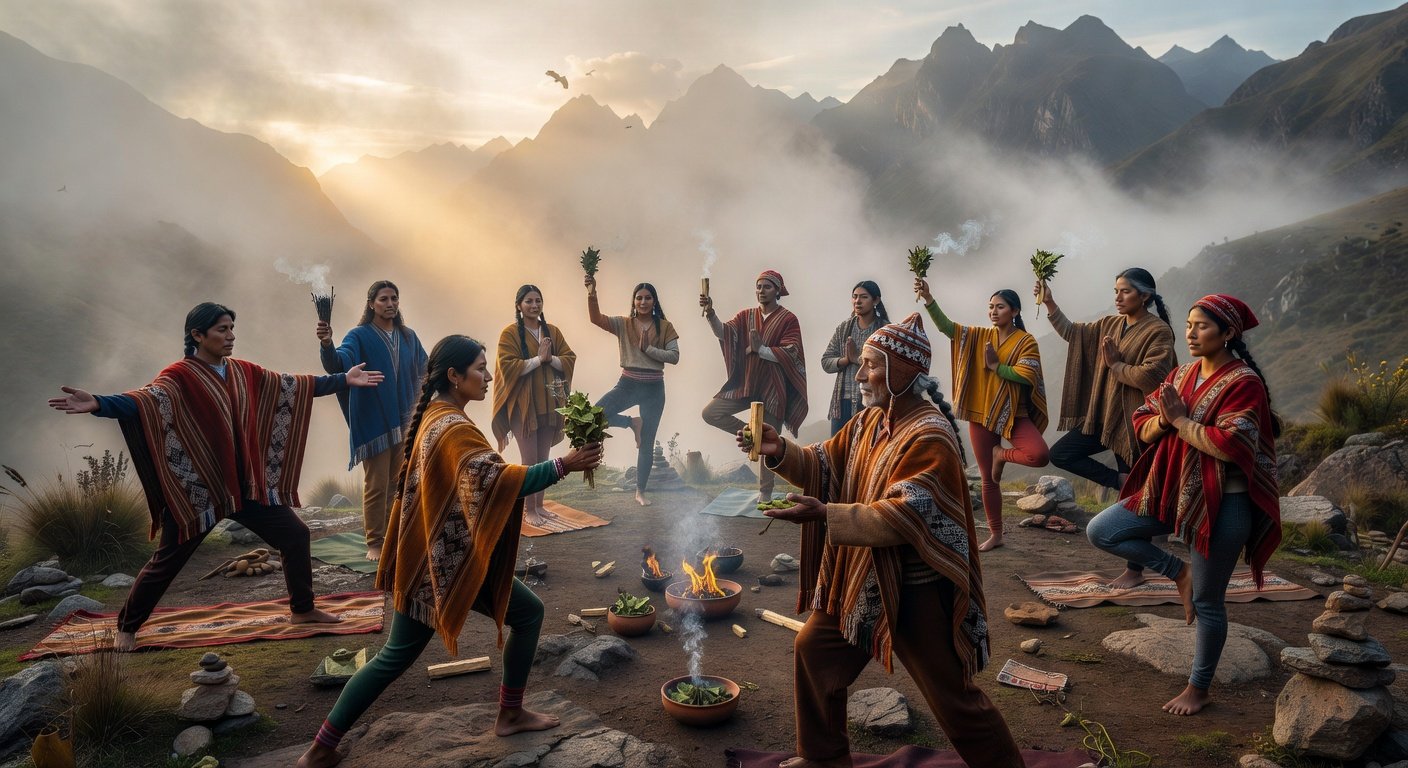
Indigenous rituals enrich yoga sessions by introducing sacred elements such as chanting, smudging, or ceremonial offerings. These practices ground participants in ancestral wisdom that complements physical postures and breathwork. For example, incorporating native plant medicines or seasonal ceremonies can address emotional blockages that standard yoga alone may not reach.
When thoughtfully integrated, rituals enhance holistic healing by aligning personal energy with the land's history. Retreats that collaborate with elders ensure authenticity and cultural sensitivity, preventing superficial appropriations that diminish the experience.
Mindful Community Interactions
Mindful interactions with local residents form the cornerstone of meaningful immersion. Travelers might join cooking classes using traditional ingredients, assist in community gardens, or attend storytelling evenings. These activities build empathy and cultural understanding while supporting ethical tourism that benefits host economies.
Such engagement promotes sustainable travel practices because visitors leave with a commitment to preserve the cultures they encountered. Programs emphasizing reciprocity help avoid the pitfalls of extractive tourism and instead create mutual respect and long-term relationships.
Nature-Based Practices That Deepen Connection
Nature-based yoga practices combine movement with environmental awareness rooted in local traditions. Forest meditations, river-side salutations, or mountain hikes paired with pranayama strengthen the mind-body bond through direct contact with elemental forces. Many cultures view nature as a living teacher, offering lessons in resilience and harmony that enhance emotional renewal.
In biodiverse settings, participants learn ancient stewardship principles that align yoga philosophy with ecological responsibility. This integration supports holistic healing by reconnecting individuals to the natural world often lost in modern life.
Step-by-Step Guide to Selecting Culturally Rich Retreats
Choosing the right program requires careful research to ensure genuine immersion. Follow these detailed steps for optimal results:
- Begin by identifying destinations with living indigenous traditions and verify that retreats partner directly with community leaders rather than commercial operators.
- Review the full curriculum for scheduled rituals, language lessons, and historical context sessions that go beyond surface-level activities.
- Read independent reviews focusing on cultural sensitivity, community feedback, and long-term impact rather than luxury amenities alone.
- Confirm the presence of sustainability certifications and low-impact policies that align with responsible tourism standards promoted by organizations such as UNWTO.
- Connect with past participants through forums or direct outreach to understand the depth of immersion and emotional outcomes achieved.
- Assess your personal readiness for cultural exchange and select programs offering preparatory materials on etiquette and expectations.
Real-World Examples from Diverse Regions
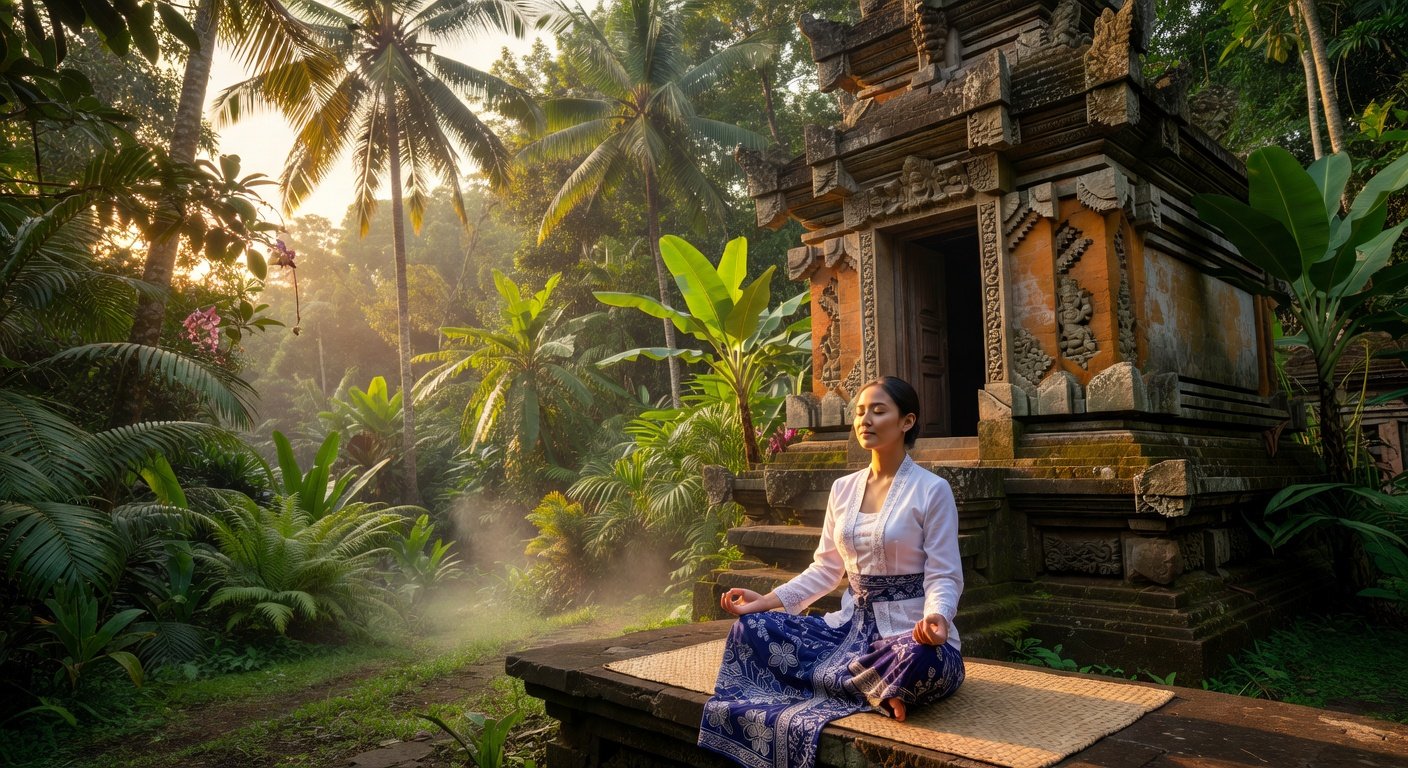
Bali remains a premier destination where Hindu-Balinese ceremonies blend seamlessly with morning yoga flows amid emerald rice terraces. Participants often describe profound shifts after joining temple offerings and water purification rituals led by local priests.
In Peru's Sacred Valley, Andean shamanic traditions merge with vinyasa practice. Guests participate in coca leaf readings and despacho ceremonies that honor mountain spirits, fostering deep emotional renewal through connection to ancestral lands.
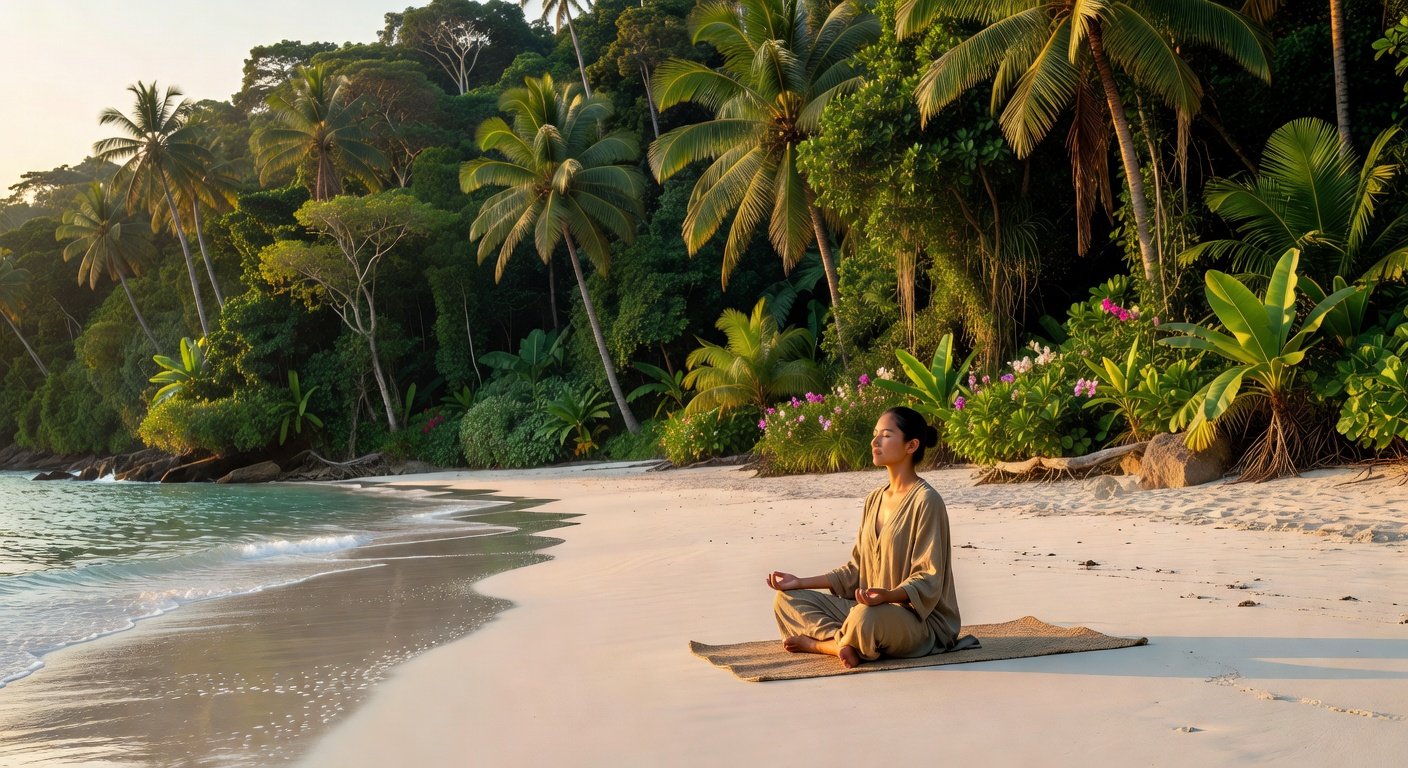
Costa Rica offers rainforest immersion where indigenous Bribri communities guide purification rites alongside sunset yoga. These experiences highlight biodiversity stewardship and create lasting appreciation for sustainable living.
India's Kerala region combines Ayurvedic principles with classical yoga while engaging in temple festivals and village homestays. Travelers gain insight into holistic healing systems that have evolved over millennia.
Japan provides a contrasting model through Zen temple stays and forest yoga in ancient cedar groves. Participants explore mindfulness rooted in Shinto and Buddhist traditions, emphasizing simplicity and presence.
Mexico's Oaxaca Valley features indigenous Zapotec rituals integrated with gentle movement practices. Community weaving workshops and sacred site visits deepen cultural understanding and support local artisans.
Comparing Levels of Cultural Immersion
Retreats vary significantly in depth. Low-immersion options feature yoga classes in scenic locations with optional cultural excursions that remain largely observational. Medium levels introduce guided rituals and community meals but maintain structured schedules with limited personal interaction. High-immersion programs include extended homestays, collaborative ceremonies, and ongoing mentorship from local guides, demanding greater openness and flexibility from participants.
Higher levels typically yield stronger holistic benefits but require thorough preparation to navigate cultural nuances respectfully. Comparing these tiers helps travelers align choices with their goals for emotional renewal and personal transformation.
Benefits of Transformative Cultural Yoga Journeys
Engaging deeply delivers multifaceted advantages. Emotionally, participants experience reduced anxiety and renewed purpose through meaningful cultural exchanges. Physically, the combination of yoga and traditional movement practices improves flexibility and vitality. On a broader scale, sustainable engagement emerges as travelers advocate for heritage preservation and responsible tourism practices endorsed by groups like UNESCO.
These journeys also cultivate global awareness, encouraging lifestyle changes that support both personal wellness and planetary health long after returning home.
Common Mistakes to Avoid in Culturally Sensitive Travel
Many travelers inadvertently undermine their experiences by arriving unprepared or treating rituals as entertainment. Avoid photographing sacred events without permission, dominating conversations, or expecting constant accommodation of personal preferences. Instead, prioritize listening, humility, and adaptability to maximize learning and respect.
Another frequent error involves selecting retreats based solely on aesthetics rather than verified community partnerships. Thorough vetting prevents disappointment and ensures authentic holistic healing outcomes.
Conclusion
Cultural immersion redefines yoga tourism as a powerful pathway to holistic healing in 2026. Through rituals, community bonds, and nature connection, these journeys deliver emotional renewal and sustainable perspectives that enrich lives far beyond the retreat duration.
FAQ: Preparing for Culturally Sensitive Wellness Travel in 2026
How do I ensure cultural respect during my trip?
Study local customs, follow retreat protocols, and practice active listening. Engage as a guest rather than a leader in all community activities.
What should I pack for an immersive yoga retreat?
Include modest attire, a journal, reusable water bottle, and any prescribed medications. Leave behind items that could be perceived as culturally inappropriate or wasteful.
Are these experiences suitable for beginners?
Yes, many programs accommodate all levels with modified practices and gradual introduction to cultural elements. Choose retreats that provide clear preparatory guidance.
How can I verify a retreat's authenticity?
Look for direct collaborations with indigenous organizations, transparent impact reports, and endorsements from recognized tourism bodies such as UNWTO.
What health considerations apply to cultural immersion travel?
Consult healthcare providers about vaccinations and altitude adjustments. Stay hydrated and pace activities to honor both physical and emotional needs during intensive programs.

No comments yet. Be the first!