 Veda Tour
Introduction to Telemedicine in Integrated Medical Tourism
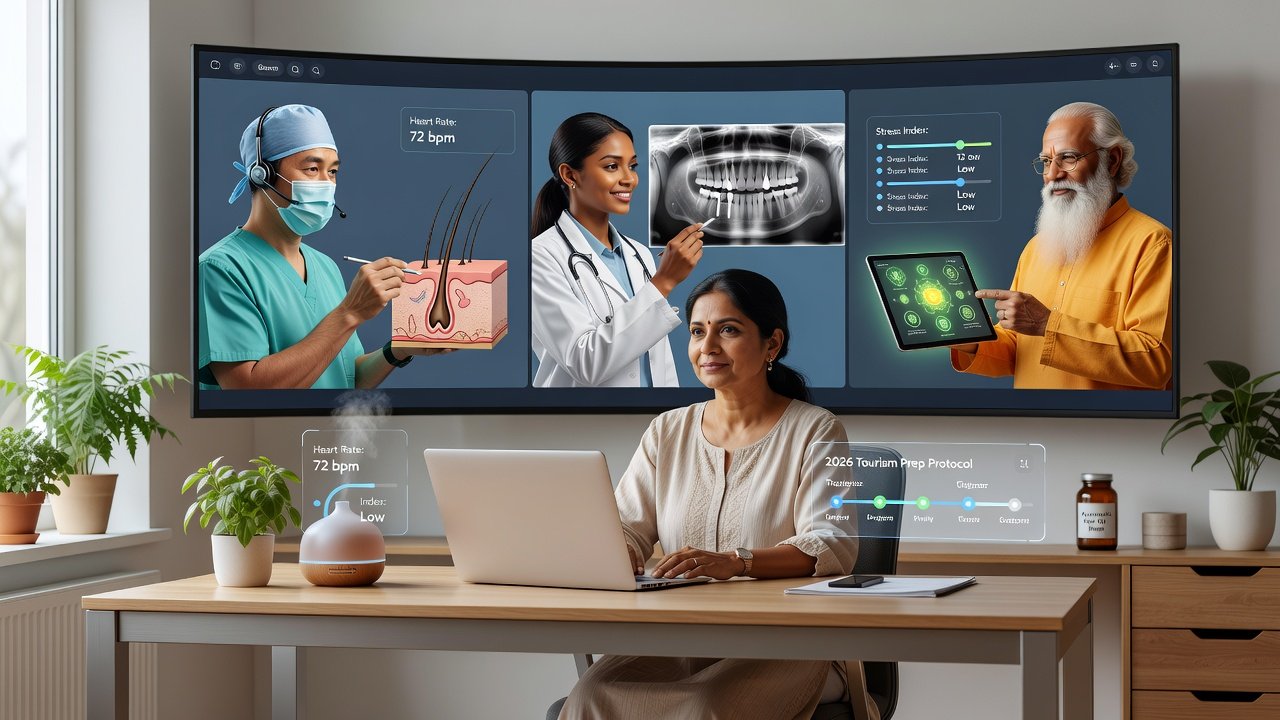
As medical tourism evolves in 2026, combining traditional Ayurveda with modern procedures like hair transplants and dental implants offers patients holistic benefits that address both physical restoration and internal balance. Telemedicine has become indispensable for pre-operative preparation, enabling virtual assessments that connect patients with specialists worldwide before any travel occurs. This integration reduces risks, optimizes recovery timelines, and streamlines complex international trips for experienced medical tourists who seek efficiency beyond basic planning.
By leveraging telemedicine, individuals can coordinate between Western surgical teams and Ayurvedic practitioners across borders without initial physical visits. Patients share detailed medical histories securely, receive AI-supported insights for customized regimens, and prepare recovery protocols rooted in ancient Ayurvedic wisdom. The outcome is smoother journeys with minimized complications and enhanced long-term wellness results. This article explores advanced strategies, from platform selection to practical implementation, ensuring comprehensive preparation for combined hair and dental tourism experiences.
Selecting Secure Telemedicine Platforms for Virtual Pre-Op Assessments
Platform selection forms the foundation of successful virtual pre-op work. Prioritize tools with robust encryption, multi-factor authentication, and compliance with global health data regulations such as those outlined by the World Health Organization. In 2026, leading platforms offer specialized modules for multi-specialty consultations that include surgeons, dental experts, and Ayurvedic healers simultaneously.
Evaluate features like high-definition video, secure document repositories for CT scans and blood panels, and seamless AI integration for preliminary risk analysis. Cross-border data handling capabilities are essential, including automatic translation for international teams. Test user interfaces for accessibility across devices and confirm audit trail functionality to maintain full accountability during assessments. Avoid generic consumer apps in favor of enterprise-grade solutions designed for medical tourism workflows.
Coordinating with Ayurvedic Practitioners Remotely
Effective remote coordination requires structured virtual meetings that align surgical timelines with Ayurvedic principles. Begin with joint video sessions where practitioners review patient dosha profiles alongside surgical requirements for hair restoration or dental implants. This collaborative approach identifies potential imbalances early, such as excess vata that could affect healing after procedures.
Shared digital workspaces allow ongoing updates, including progress photos and symptom logs. For instance, a patient scheduled for dental implants might receive remote prescriptions for herbal oils and dietary modifications to support gum health weeks ahead of travel. Documentation ensures all parties remain synchronized, preventing conflicts between post-operative pharmaceuticals and traditional remedies. Regular follow-ups via the platform help refine plans based on real-time feedback.
Leveraging AI Tools for Personalized Recovery Plans
Artificial intelligence elevates recovery planning by processing complex datasets to recommend Ayurveda-enhanced protocols. Machine learning models can forecast swelling or infection risks following hair transplants and suggest targeted interventions like specific herbal formulations or breathing exercises. Integration with wearable technology provides continuous monitoring, enabling dynamic plan adjustments throughout the recovery phase.
Advanced systems draw from classical texts while incorporating modern evidence, creating hybrid recommendations. Patients undergoing combined procedures often experience accelerated healing when AI tailors Panchakarma elements to individual needs. Always validate AI-generated suggestions through direct consultation with licensed experts to ensure safety and cultural appropriateness.
Step-by-Step Setup Guides for Efficient Prep
- Compile comprehensive health records, noting any prior Ayurvedic treatments or sensitivities.
- Select and register with a compliant telemedicine platform supporting multi-provider access.
- Invite all relevant practitioners and upload high-resolution imaging along with lab results.
- Conduct initial virtual assessments covering surgical, dental, and Ayurvedic perspectives.
- Collaborate on an integrated timeline that incorporates pre- and post-procedure Ayurvedic support.
- Perform test data transfers and verify emergency communication protocols.
- Finalize travel arrangements with contingency plans derived from virtual risk assessments.
Comparisons of Popular Telemedicine Apps
Apps vary significantly in their suitability for integrated tourism prep. Some prioritize surgical scheduling with basic wellness add-ons, while others emphasize holistic tracking through Ayurvedic questionnaires and AI analytics. Compare based on criteria such as Ayurveda template availability, depth of predictive modeling, language support for global users, and scalability for complex multi-procedure cases. Real-user feedback from medical tourism forums frequently highlights performance during high-demand periods and ease of cross-provider collaboration.
Real-World Examples of Streamlined Trips
Consider a patient from North America planning hair transplants in India alongside dental work. Through telemedicine, early Ayurvedic consultations identified dietary adjustments that minimized inflammation, resulting in a shorter on-site stay. Another example involved a European traveler using AI-assisted plans for post-implant recovery, incorporating remote yoga guidance that complemented surgical aftercare and improved overall outcomes upon return home.
Benefits of Integration in 2026 Medical Tourism
Integrating Ayurveda via telemedicine delivers measurable advantages including reduced anxiety through holistic prep, lower complication rates from balanced pre-op states, and cost efficiencies by consolidating assessments. Patients gain confidence knowing recovery plans respect both modern medicine and traditional practices, fostering sustainable health improvements long after the trip concludes.
Legal and Privacy Considerations
Navigating international regulations demands attention to consent frameworks and data sovereignty laws. Platforms must support region-specific compliance, and patients should review terms for data retention policies. Consulting resources from established institutions like the Mayo Clinic provides guidance on safe virtual care practices in cross-border scenarios.
Technology Trends Shaping 2026 Strategies
Emerging trends include enhanced virtual reality consultations for immersive pre-op visualizations and blockchain-secured health records for seamless sharing. AI continues advancing with better personalization for Ayurvedic elements, while 5G connectivity ensures reliable global sessions. Staying informed about these developments helps planners maintain a competitive edge in medical tourism preparation.
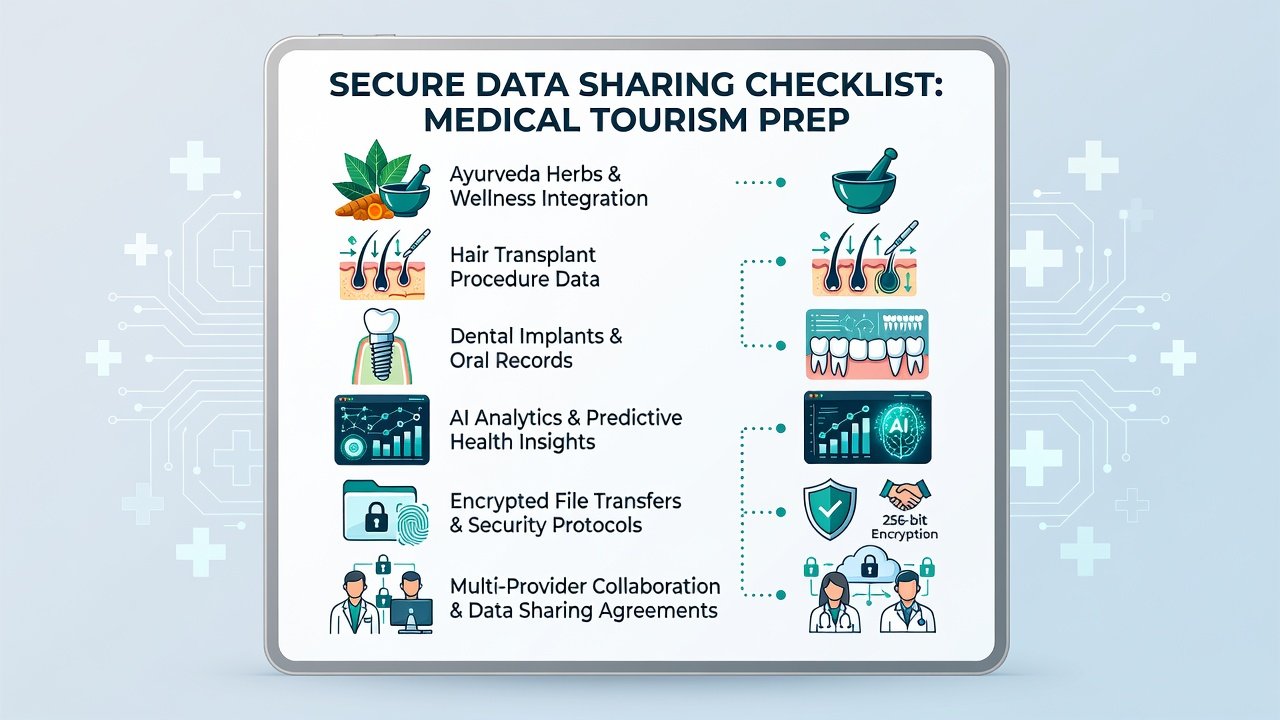
Checklists for Data Sharing
- Obtain explicit consent forms covering all participating providers
- Compile full medical history including allergies and previous Ayurvedic interventions
- Provide high-resolution diagnostic scans and recent laboratory reports
- List current medications with precise dosages and schedules
- Include lifestyle and dietary details essential for dosha evaluation
- Establish clear emergency contact and escalation procedures
Tips to Avoid Common Virtual Consultation Pitfalls
Prevent issues like connectivity failures by conducting dry runs on chosen platforms. Ensure complete data uploads well in advance and maintain written summaries of all discussions. Respect cultural contexts in Ayurvedic communications to avoid misinterpretations. Regular verification of plan details in documented form reduces errors during the transition to in-person care.
Frequently Asked Questions
How far in advance should virtual assessments begin?
Start consultations at least eight to twelve weeks prior to travel to allow adequate time for adjustments and herbal protocol integration.
Can AI fully replace human Ayurvedic practitioners?
AI serves as a supportive tool but cannot substitute personalized evaluation by qualified experts familiar with individual constitutions.
What if connectivity issues arise during critical sessions?
Prepare backup platforms and schedule buffer times, ensuring all parties have access to alternative communication methods.
Conclusion
Implementing robust 2026 telemedicine strategies transforms preparation for Ayurveda-combined hair and dental tourism into a precise, low-risk process. Through careful platform choices, coordinated remote care, AI personalization, and attention to practical details, experienced planners achieve superior efficiency and results. Adopt these methods to elevate your medical tourism experience with confidence and clarity.

No comments yet. Be the first!