 Veda Tour
Introduction: The Digital Shift in Mexican Dental Care
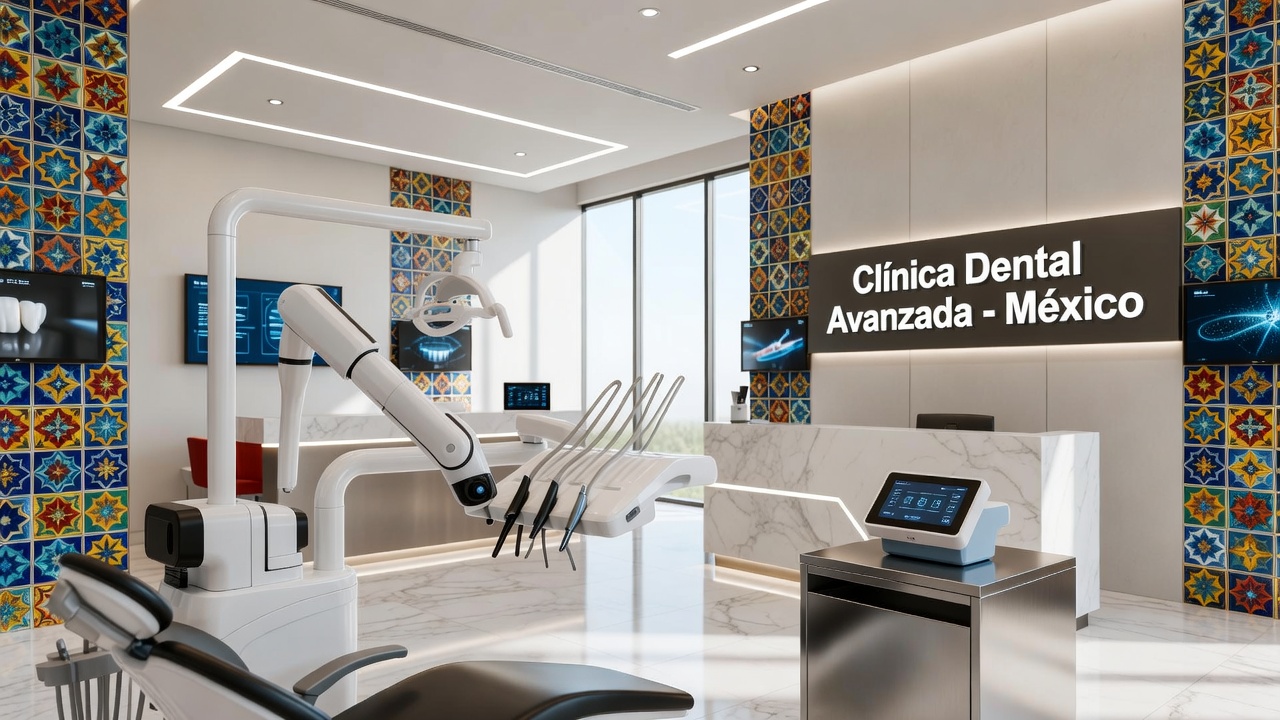
Mexico has long been a top destination for dental implants due to its proximity to the United States and competitive offerings. In 2026, advanced digital technologies are elevating these procedures to new levels of precision and efficiency. Tools such as 3D imaging, artificial intelligence for treatment planning, and robotic-assisted surgery are reshaping how international patients receive care, reducing treatment times and improving outcomes. This evolution positions Mexico as a forward-thinking hub for medical tourism. Patients from abroad benefit from streamlined processes that combine cutting-edge innovation with experienced local professionals. The integration of these technologies addresses common concerns about variability in care quality while enhancing predictability for complex cases like full-mouth reconstructions.
International patients often seek dental implants in Mexico to avoid lengthy wait times and high costs at home. Digital advancements further amplify these advantages by enabling remote pre-planning and minimizing on-site adjustments. As a result, clinics across popular destinations like Cancun, Tijuana, and Los Algodones are investing in state-of-the-art equipment to attract a growing segment of tech-savvy travelers.
Key Technologies Driving Change
3D Imaging and Cone Beam CT Scans
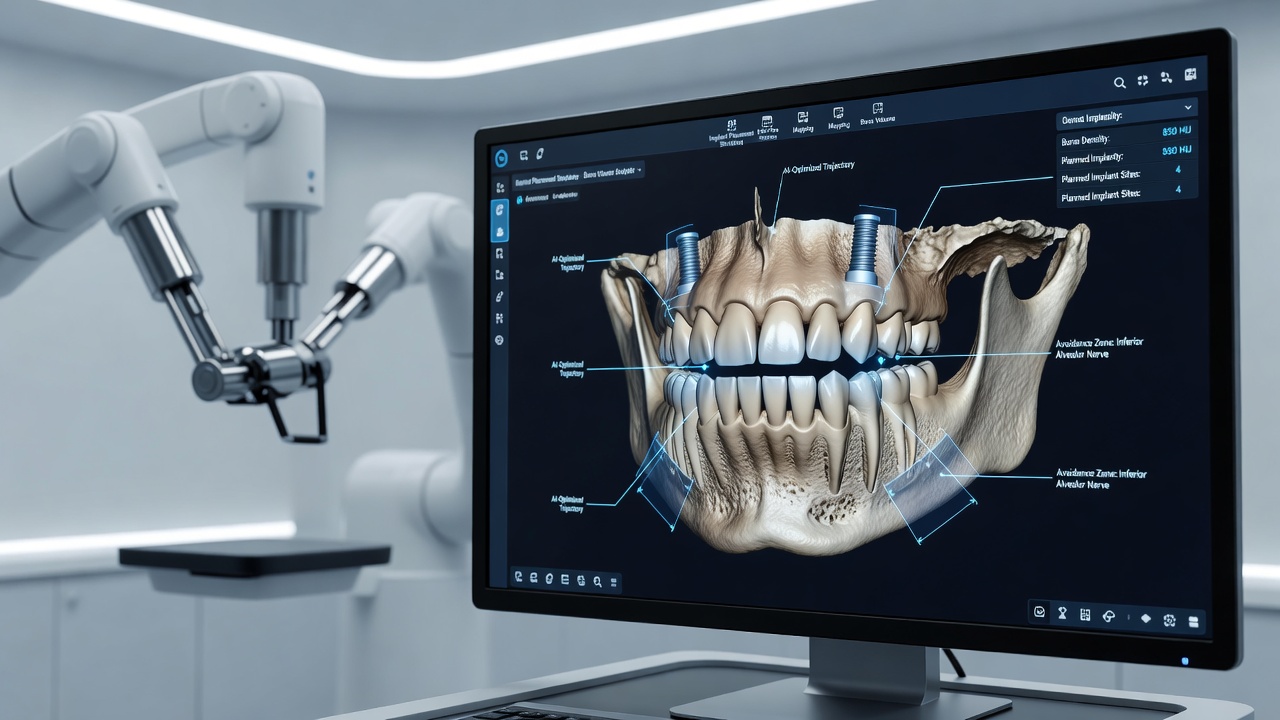
Traditional X-rays often fall short in providing detailed views of jawbone structure. Modern clinics in Mexico now rely on cone beam computed tomography (CBCT) for high-resolution 3D models. This allows dentists to assess bone density and nerve locations with exceptional accuracy before any incision. CBCT scans generate volumetric data that can be rotated and sliced digitally, revealing hidden anatomical details that flat images miss. Patients benefit from reduced radiation exposure compared to older methods, and the scans integrate seamlessly with planning software for immediate analysis.
AI-Powered Treatment Planning
Artificial intelligence analyzes patient scans to generate customized implant designs. Algorithms predict optimal placement angles and sizes, minimizing human error. Clinics integrate these systems to create virtual simulations that patients can review in advance. AI tools also forecast potential complications such as sinus involvement or insufficient bone volume, suggesting grafting options proactively. This level of foresight leads to higher success rates and fewer surprises during surgery.
Robotic-Assisted Surgery
Robotic systems guide surgeons during implant placement, ensuring movements stay within planned parameters. This technology enhances stability and reduces tissue trauma, leading to quicker healing for patients traveling from abroad. Robotic arms provide tremor-free precision, allowing for minimally invasive techniques that preserve surrounding bone and soft tissue. Real-time feedback loops adjust for any minor patient movements, making the procedure safer overall.
Real-World Clinic Examples in Mexico
Leading facilities in cities like Cancun and Tijuana have adopted these tools. One prominent clinic in Los Algodones uses integrated AI platforms to handle complex full-arch restorations. Another in Mexico City combines robotic arms with real-time imaging for single-tooth implants, reporting higher success rates in follow-up studies. In Guadalajara, a specialized center employs 3D-printed surgical guides derived from AI models to execute same-day implant placements for multiple patients per week. These examples illustrate how technology adoption varies yet consistently improves patient throughput without compromising quality.
Comparing Digital Methods to Traditional Approaches
Traditional implant procedures often require multiple visits over several months, with manual measurements prone to slight inaccuracies. Digital workflows compress this timeline significantly. Patients experience fewer appointments, less discomfort, and more predictable results. For medical tourists, the reduced chair time translates directly into shorter stays away from home. Key differences include:
- Accuracy: Digital systems achieve sub-millimeter precision versus manual estimations that can vary by several millimeters.
- Healing time: Robotic assistance often shortens recovery by limiting soft tissue disruption.
- Customization: AI allows for patient-specific prosthetics designed before the first visit.
- Risk reduction: Virtual simulations identify issues that traditional radiographs might overlook.
Overall, the shift from analog to digital represents a paradigm change that favors efficiency and patient satisfaction.
Patient Preparation Steps
- Submit recent dental records and medical history via secure portals for preliminary AI analysis. This step allows clinics to identify candidacy issues early and prepare tailored recommendations.
- Schedule an initial virtual consultation to review 3D models and discuss options. Patients can ask questions and visualize expected outcomes from the comfort of their homes.
- Arrive in Mexico with any required bloodwork completed to accelerate on-site imaging. This preparation minimizes delays and helps coordinate with local laboratories if additional tests are needed.
- Follow pre-procedure guidelines on diet and medications provided through the clinic's app. Clear instructions help reduce inflammation and ensure optimal conditions for surgery.
- Plan post-operative care logistics, including follow-up virtual check-ins once returning home. Many clinics offer remote monitoring to track healing progress.
Cost and Time Savings for International Patients
Digital technologies minimize material waste and revision surgeries. This efficiency helps clinics deliver high-quality care while keeping overall expenses lower than in many home countries. Time savings are equally notable, with some full procedures completed in days rather than weeks. International patients report fewer travel disruptions and quicker returns to daily routines. The streamlined process also reduces the need for multiple flights or extended hotel stays, adding indirect financial and logistical benefits.
How These Technologies Benefit International Patients
Medical tourists face unique challenges such as language barriers and limited follow-up access. Digital platforms bridge these gaps through multilingual interfaces, cloud-based record sharing, and AI-driven translation during consultations. Robotic precision further builds confidence for those concerned about outcomes in an unfamiliar setting. Patients from the U.S. and Canada particularly appreciate the ability to complete most planning remotely before arriving for the surgical phase.
Potential Challenges and How Mexico Addresses Them
While promising, digital adoption requires significant investment in training and equipment maintenance. Mexican clinics address this through partnerships with technology providers and ongoing staff certifications. Regulatory oversight ensures safety standards align with international benchmarks. Patients should verify clinic credentials and technology certifications before booking to maximize benefits.
FAQs on Tech Accessibility and Outcomes
Is robotic surgery widely available across Mexico?
Major tourist-oriented clinics have invested heavily, though availability varies by region. Larger cities tend to offer the most advanced setups, with smaller towns gradually following suit through mobile or shared robotic units.
How do outcomes compare for first-time patients?
Studies show digital planning improves osseointegration rates. Most international patients report successful integration within standard healing periods, with lower complication rates than traditional methods.
Can I access these technologies without prior dental experience in Mexico?
Yes. Many clinics provide end-to-end digital support starting from the initial inquiry, making the process accessible for newcomers through online portals and virtual tours.
What training do Mexican dentists receive on these tools?
Professionals often complete specialized programs from manufacturers and attend international conferences. Continuous education ensures proficiency with evolving AI algorithms and robotic interfaces.
Are there any limitations for complex medical histories?
AI systems flag potential risks early, allowing interdisciplinary teams to collaborate. Most cases remain manageable with proper pre-screening and customized planning.
Conclusion
Digital innovations are solidifying Mexico's reputation as a leader in dental implant tourism. By embracing 3D imaging, AI, and robotics, clinics deliver safer, faster, and more reliable care that meets the needs of global patients seeking quality treatment abroad. For those exploring options, these advancements represent a compelling reason to consider Mexico in 2026 and beyond. Learn more from authoritative sources such as Mayo Clinic, World Health Organization, American Dental Association, and Centers for Disease Control and Prevention.


No comments yet. Be the first!