 Veda Tour
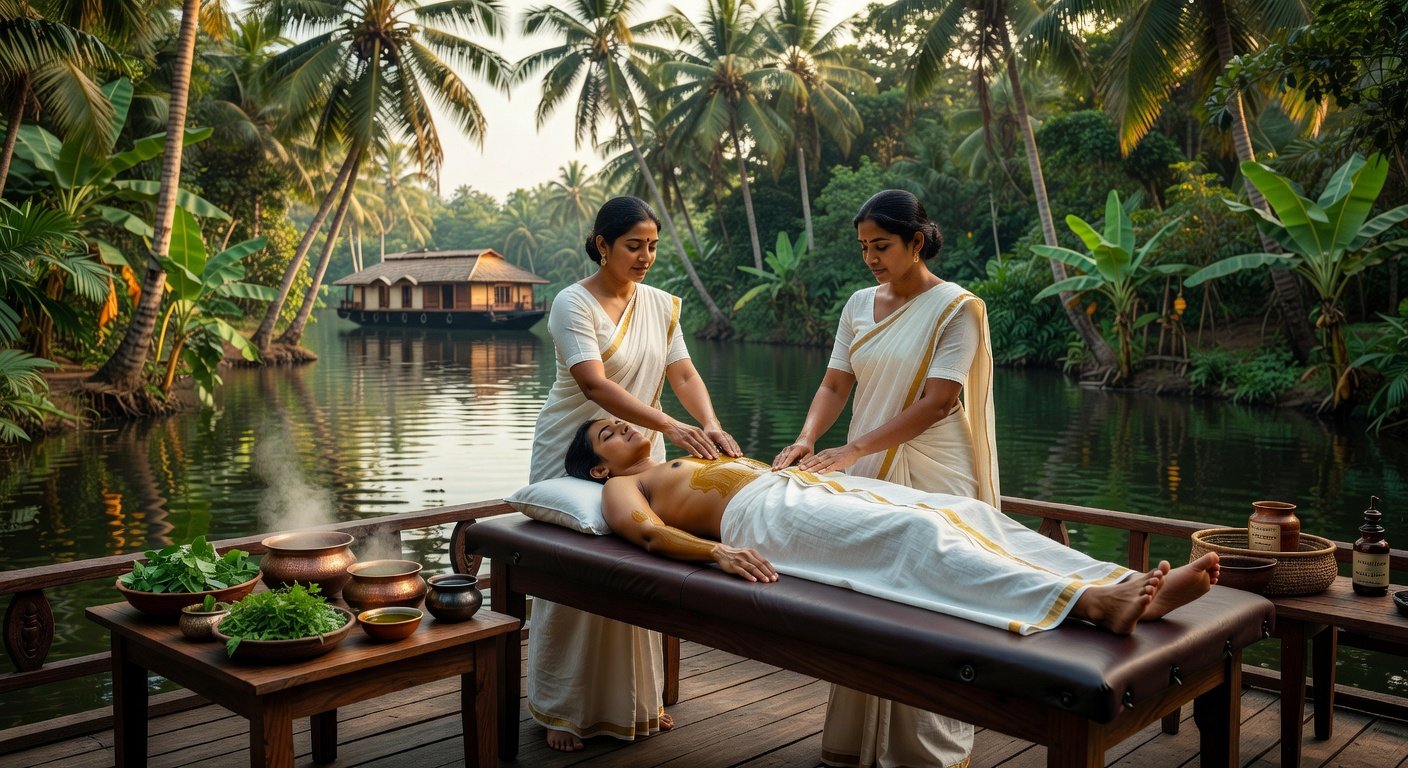
Are you seeking a profound reset for your body and mind? Panchakarma, one of Ayurveda's most revered therapies, offers just that. Rooted in ancient Vedic wisdom, this detoxification and rejuvenation process has been practiced in India for over 5,000 years. It's not just a cleanse—it's a holistic transformation that balances your doshas (Vata, Pitta, Kapha) and restores vitality.
What is Panchakarma?
Panchakarma, meaning 'five actions' in Sanskrit, is a comprehensive Ayurvedic protocol designed to eliminate toxins (ama) accumulated from poor diet, stress, and environmental factors. Unlike superficial detoxes, it works on physical, mental, and spiritual levels, promoting longevity and disease prevention.
According to Vedic principles, health stems from harmony among the three doshas. Imbalances lead to ailments, and Panchakarma realigns them through a structured process: Purvakarma (preparation), Pradhanakarma (main therapies), and Paschatkarma (post-treatment).
Vedic Healing Principles Behind Panchakarma
Ayurveda views the body as a microcosm of the universe, governed by the five elements (earth, water, fire, air, ether). Panchakarma leverages these through herbal oils, heat therapies, and elimination techniques. The Ministry of AYUSH, India's official body for traditional medicine, recognizes Panchakarma as a cornerstone of Ayurvedic healing.
Key principles include:
- Dosha Balance: Tailored to your constitution (Prakriti) and imbalances (Vikriti).
- Ama Removal: Toxins block channels (srotas), causing disease.
- Ojas Building: Enhances immunity and vitality post-detox.
Preparation Steps: Purvakarma
Success hinges on proper preparation, lasting 3-7 days. Skip this, and the main therapies could overwhelm your system.
- Snehan (Oleation): Internal (medicated ghee) and external (Abhyanga oil massage) to loosen toxins.
- Swedana (Sudation): Herbal steam baths to liquefy ama for elimination.
- Diet Adjustment: Light, warm foods; avoid cold, heavy, or processed items.
- Mental Prep: Yoga, meditation, and a calm environment.
Consult an Ayurvedic doctor for a personalized assessment via pulse diagnosis (Nadi Pariksha).
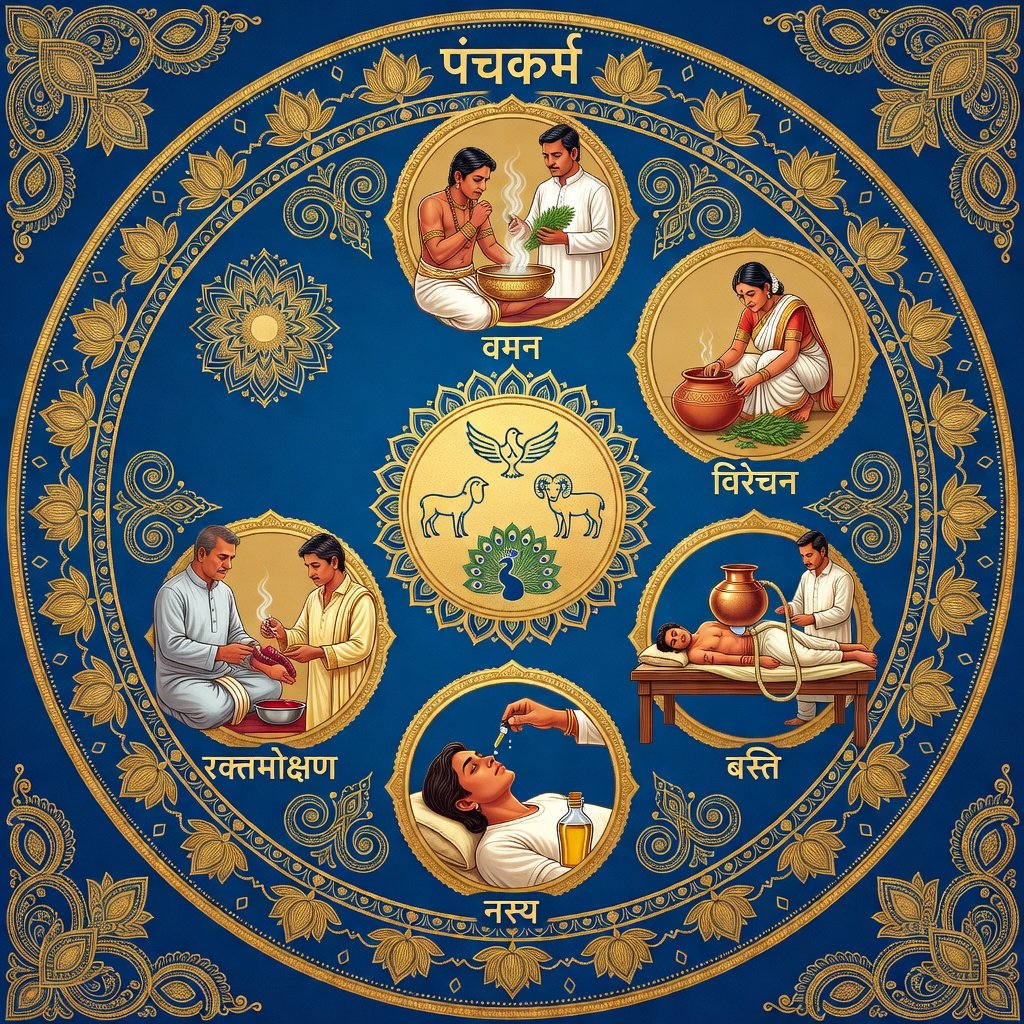
The Five Core Panchakarma Therapies
These are the heart of the treatment, customized to your dosha dominance.
1. Vamana (Therapeutic Vomiting)
Indicated for Kapha disorders like asthma, allergies, and obesity. Medicated emesis clears upper respiratory toxins. Performed once, under supervision.
2. Virechana (Purgation)
Pitta-focused, using herbal laxatives for liver, skin, and digestive detox. Ideal for jaundice, acne, or hyperacidity.
3. Basti (Medicated Enema)
Vata's primary therapy—80% of results from enemas with oil or decoctions. Treats arthritis, constipation, and infertility.
4. Nasya (Nasal Administration)
Herbal oils or smoke into nostrils for head, neck, and mental clarity. Benefits sinusitis, migraines, and hair loss.
5. Raktamokshana (Bloodletting)
Rarely used today; leeches or cups remove impure blood for skin diseases like eczema or hypertension.
Duration and What to Expect
A full Panchakarma course spans 7-21 days, with 5-14 days on main therapies. Stay at an Ayurvedic retreat for immersion—no work, tech detox recommended. Expect fatigue initially, then renewed energy, clearer skin, better digestion, and mental sharpness.
Post-Treatment Diet and Lifestyle: Paschatkarma
The real magic happens here—sustain benefits with discipline for 2-4 weeks.
- Sattvic Diet: Khichdi, mung dal, steamed veggies, ghee, rice. Avoid spicy, fried, or raw foods.
- Rasayana (Rejuvenation): Herbs like Chyawanprash to rebuild tissues.
- Daily Routine: Early rising, oil pulling, yoga.
Follow your practitioner's plan strictly to prevent ama re-accumulation.
Real Benefits for Chronic Issues
Backed by tradition and emerging studies, Panchakarma excels for:
- Digestive Disorders: IBS, acidity—cleanses gut deeply.
- Joint Pain: Arthritis, fibromyalgia via Vata pacification.
- Skin Conditions: Eczema, psoriasis from Pitta detox.
- Mental Health: Anxiety, insomnia through nervous system reset.
- Weight Management: Sustainable loss by boosting metabolism.
The World Health Organization acknowledges traditional medicines like Ayurveda for complementary care.
Finding Authentic Practitioners
Authenticity matters—avoid spas mimicking rituals. Look for:
- BAMS (Bachelor of Ayurvedic Medicine) certified doctors.
- Kerala or Rishikesh centers with government approval.
- Reviews from verified patients; visit facilities beforehand.
- Red flags: No consultation, rushed treatments, or non-herbal shortcuts.
Costs range $1,500-$5,000 for 14 days, including lodging and meals.
Conclusion
Panchakarma isn't a quick fix—it's a life-changing journey into Vedic healing. Start with a consultation to see if it's right for you. Embrace this ancient wisdom for modern wellness, and emerge transformed.
No comments yet. Be the first!