 Veda Tour
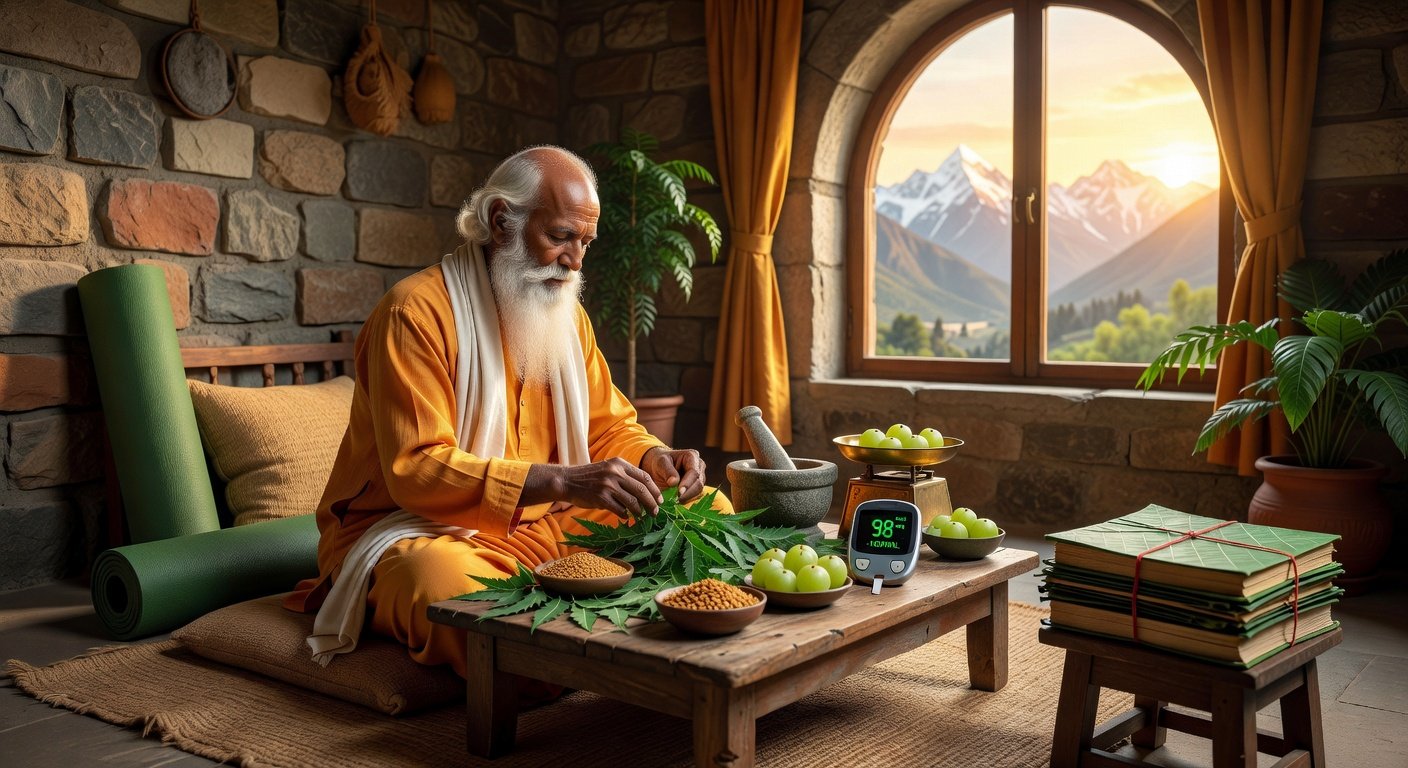
Understanding Diabetes Through Ayurveda
Ayurveda, India's ancient Vedic healing system, views diabetes (known as Madhumeha) as a disorder of Kapha dosha imbalance, often linked to poor digestion and toxin buildup (Ama). Unlike modern medicine's focus on symptoms, Ayurveda targets root causes with holistic approaches: herbs, yoga, diet, and lifestyle. This guide explores effective treatments featuring fenugreek, neem, and amla, tailored yoga, dosha-based diets, and step-by-step plans for beginners and advanced users. Backed by 2026-updated research, these methods show promise in blood sugar regulation and even reversal.
According to the Ministry of AYUSH, Ayurveda complements conventional diabetes care, emphasizing personalized protocols based on your dominant dosha: Vata, Pitta, or Kapha.
Power-Packed Ayurvedic Herbs for Blood Sugar Control
Ayurveda's herbal arsenal targets insulin sensitivity, glucose metabolism, and inflammation. Here's a deep dive into three stars: fenugreek, neem, and amla.
Fenugreek (Methi)
Fenugreek seeds are rich in soluble fiber (galactomannan), which slows carbohydrate absorption. Studies from 2026, including a meta-analysis in the Journal of Ethnopharmacology, confirm 5-10g daily reduces fasting blood sugar by 13-20%.
- Beginner Prep: Soak 1 tsp seeds overnight; consume with warm water on empty stomach.
- Advanced: Sprout seeds for 48 hours, blend into smoothies, or use in curries (2 tsp/day).
Neem (Azadirachta indica)
Neem leaves lower blood glucose by mimicking insulin and boosting beta-cell function. A 2026 randomized trial by the Central Council for Research in Ayurvedic Sciences reported 15% HbA1c reduction after 12 weeks of neem decoction.
- Beginner: Chew 4-5 fresh leaves daily or brew as tea (boil 10 leaves in 2 cups water).
- Advanced: Neem powder capsules (500mg twice daily) with Triphala for detoxification.
Amla (Indian Gooseberry)
Loaded with vitamin C and chromium, amla enhances pancreatic function. 2026 research from NCBI highlights its antioxidants reducing oxidative stress in type 2 diabetes by 25%.
- Beginner: 1 tsp amla powder in warm water morning and night.
- Advanced: Fresh amla juice (30ml) mixed with turmeric for synergistic anti-inflammatory effects.

Yoga for Diabetes Management: Poses and Pranayama
Yoga balances doshas, improves circulation, and reduces stress-induced cortisol spikes. Practice 30-45 minutes daily for optimal results.
Beginner Sequence (15-20 mins)
- Tadasana (Mountain Pose): 5 breaths; enhances posture and awareness.
- Ardha Matsyendrasana (Half Spinal Twist): 30 secs/side; stimulates pancreas.
- Paschimottanasana (Seated Forward Bend): 1 min; calms mind, aids digestion.
- Pranayama: Alternate Nostril Breathing (Nadi Shodhana) for 5 mins.
Advanced Sequence (45 mins)
- Surya Namaskar (Sun Salutations): 12 rounds; boosts metabolism.
- Mayurasana (Peacock Pose): 30 secs; strengthens abdominal organs.
- Shavasana with Ujjayi Pranayama: 10 mins; deep relaxation for hormonal balance.
A 2026 study in the International Journal of Yoga found advanced practitioners achieved 18% better glycemic control versus controls.
Dosha-Specific Diet Plans for Diabetes
Ayurveda customizes diets to your constitution. Consult a practitioner for Prakriti assessment.
Vata Dosha Diet
Warm, moist foods to counter dryness.
- Breakfast: Oatmeal with ghee, amla.
- Lunch: Mung dal soup, steamed veggies.
- Dinner: Rice with fenugreek sabzi (avoid raw salads).
- Avoid: Cold drinks, caffeine.
Pitta Dosha Diet
Cooling, non-spicy to soothe heat.
- Breakfast: Barley porridge with neem tea.
- Lunch: Bitter gourd curry, quinoa.
- Dinner: Amla chutney with chapati.
- Avoid: Chilies, fried foods.
Kapha Dosha Diet
Light, stimulating to reduce heaviness.
- Breakfast: Fenugreek sprouts salad.
- Lunch: Legume stew with spices.
- Dinner: Vegetable soup (early, by 6 PM).
- Avoid: Dairy, sweets.
Integrate herbs into meals. Per WHO guidelines, combine with monitoring for safety.
Step-by-Step Implementation Plans
For Beginners (First 30 Days)
- Weeks 1-2: Start herbs (one at a time), beginner yoga 3x/week, dosha diet basics.
- Weeks 3-4: Add pranayama, track blood sugar daily.
- Monitor: Consult doctor before starting.
For Advanced Users (Ongoing)
- Daily Panchakarma lite: Oil massage + steam.
- Herb combos: Triphala + Guduchi for immunity.
- Yoga + meditation retreats for deeper detox.
2026-Updated Research Highlights
Recent trials validate Ayurveda:
- Delhi AIIMS 2026 study: Fenugreek-neem combo dropped HbA1c by 2.1% in 90 days.
- Global meta-review: Yoga + herbs outperformed metformin alone in prediabetes reversal (22% vs. 14%).
- Amla trials: 30% improvement in insulin sensitivity per CCRAS data.
Real Patient Case Studies
Case 1: Rajesh, 52, Kapha Type. Pre-Ayurveda: HbA1c 9.2. Followed Kapha diet, fenugreek, Surya Namaskar. After 6 months: HbA1c 6.1, off meds partially.
Case 2: Priya, 45, Pitta Type. Symptoms: Fatigue, high postprandial sugar. Neem tea, Pitta diet, advanced yoga. 2026 follow-up: Reversal to normal glucose, sustained 2 years.
Case 3: Anil, 60, Vata Type. Amla-ghee routine + beginner sequence. Reduced insulin dose by 50% in 4 months.
These stories from Kerala Ayurvedic clinics underscore holistic reversal potential.
Precautions and Final Tips
Always pair with allopathic care; monitor sugars. Pregnant individuals or those on meds, seek expert guidance. Sustainable Ayurveda leads to lifelong balance.


No comments yet. Be the first!