 Veda Tour

Understanding Virtual Consultations for Cosmetic Surgery Abroad
Virtual consultations have become a cornerstone of medical tourism, allowing patients to connect with surgeons worldwide without leaving home. In 2026, these remote meetings help beginners evaluate treatments, assess credentials, and reduce risks before traveling for procedures like rhinoplasty, liposuction, or breast augmentation. This approach emphasizes convenience while prioritizing safety through structured preparation and clear communication. Patients can now review detailed portfolios, discuss personalized treatment plans, and build rapport with international specialists from the comfort of their living rooms. The process also supports better decision-making by providing ample time to compare options across different countries and clinics.
Patients benefit from reviewing surgeon qualifications, discussing expectations, and sharing medical details digitally. Reliable platforms ensure HIPAA-compliant video calls, encrypted file sharing, and secure scheduling to protect sensitive information. This digital-first model has grown in popularity as more clinics invest in high-quality telemedicine infrastructure to serve global clients effectively.
Why Virtual Consultations Matter in 2026 Medical Tourism
The rise of virtual tools reflects broader shifts in healthcare accessibility. They allow individuals to explore cosmetic options abroad while avoiding unnecessary travel expenses or time off work during the initial research phase. For those new to medical tourism, these sessions serve as educational opportunities to understand procedure specifics, recovery expectations, and cultural aspects of care in destination countries. Many patients report feeling more confident after multiple virtual touchpoints, leading to higher satisfaction rates upon completion of their journeys.
Selecting Secure Platforms for Remote Consultations
Choosing the right technology is essential. Opt for established telemedicine services integrated with clinics or popular options like Zoom for Healthcare, Doxy.me, or Microsoft Teams, which offer end-to-end encryption. Verify that the clinic's chosen platform meets international data protection standards before sharing photos or records. Compare features such as screen sharing for reviewing scans, recording capabilities for later reference, and integration with electronic health record systems. Avoid free consumer apps without medical-grade security. Many accredited facilities now use dedicated portals that log all interactions for transparency and follow-up reference. Consider testing the platform with a short trial call to ensure stable connections and ease of use across devices.
Preparing Your Medical History and Photos
Effective consultations start with thorough preparation. Compile a complete medical history including allergies, medications, previous surgeries, and any chronic conditions. High-resolution photos from multiple angles—front, side, and close-ups—are typically required for accurate assessments. Use natural lighting and neutral backgrounds when taking images. Clinics often provide specific guidelines on photo formats and angles to ensure surgeons can evaluate anatomy properly. Organize documents in PDF format for easy upload. Create a timeline of your health events and list any family history of relevant conditions. If you have prior imaging or lab results, digitize and label them clearly. This level of detail helps surgeons provide more accurate preliminary assessments and tailored recommendations.
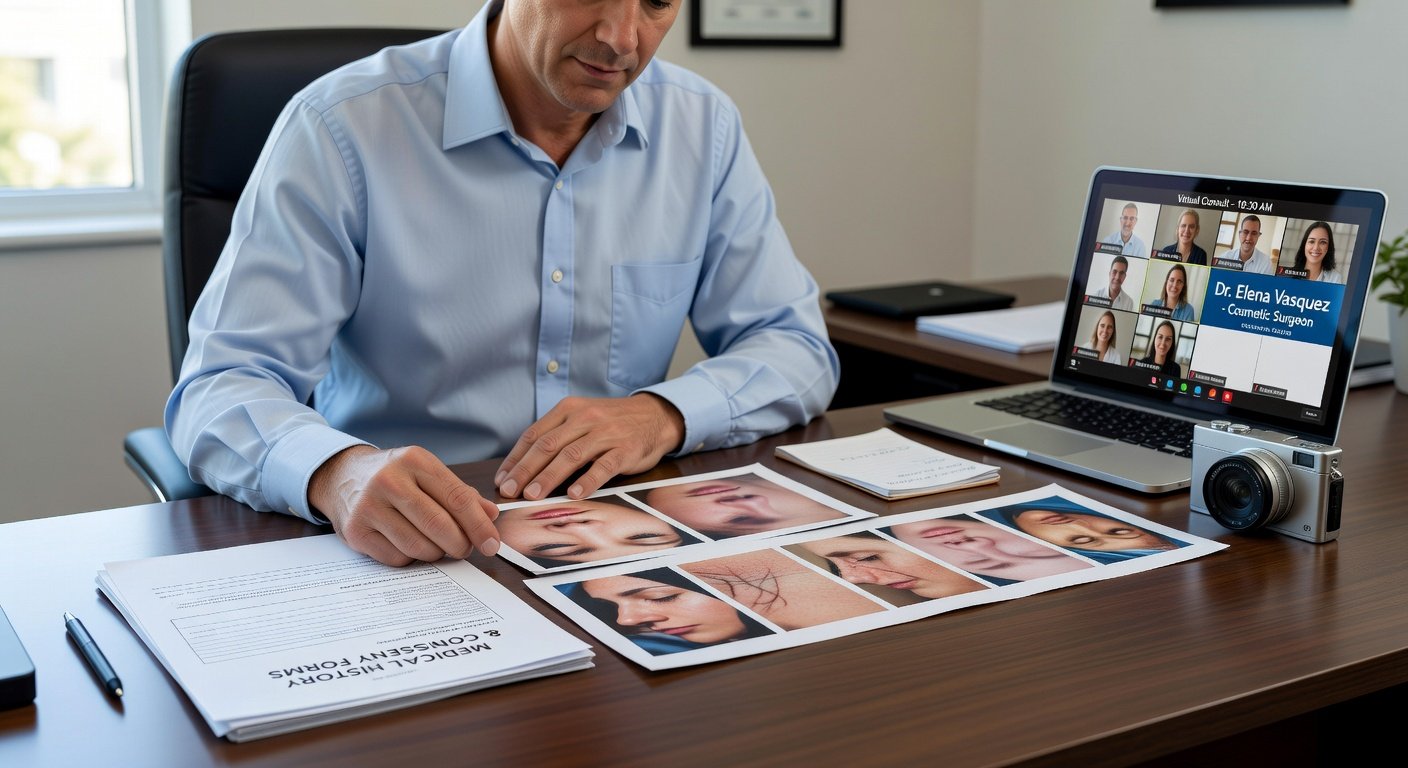
Questions to Ask During Virtual Consultations
Prepare a structured list to maximize each call. Key questions include:
- What is your experience with this specific procedure, and can you share before-and-after examples of similar cases?
- What are the potential risks and complication rates for someone with my medical profile?
- How do you handle post-operative care for international patients?
- What type of anesthesia will be used, and who administers it?
- Can you provide details on facility accreditation and surgeon board certifications?
- How many similar procedures have you performed in the past year, and what is your revision rate?
- What pre-operative tests do you require, and how are they coordinated remotely?
- Can you outline the full recovery timeline and any restrictions on travel after surgery?
These inquiries help gauge professionalism and set realistic expectations. Take notes during the call and request written summaries afterward for your records.
Spotting Red Flags in Surgeon Communications
Watch for warning signs during initial interactions. Red flags include pressure to book immediately without proper evaluation, reluctance to share credentials, vague answers about risks, or guarantees of perfect results. Legitimate surgeons welcome questions and provide transparent information about recovery timelines. Additional indicators might include inconsistent details about the surgical team, lack of clear protocols for emergencies, or an unwillingness to involve your local physician in care coordination. Always cross-check surgeon memberships with organizations like the International Society of Aesthetic Plastic Surgery through official channels.
Real-World Examples of Successful Transitions
Many patients successfully transition from virtual meetings to in-person procedures. For instance, a patient from Canada consulted virtually with a clinic in Turkey for a facelift, sharing detailed photos and history over two sessions. This led to a safe trip, surgery, and coordinated recovery with local follow-ups arranged remotely. Another example involves a European patient planning abdominoplasty in Mexico after three virtual assessments that clarified expectations and addressed concerns about travel logistics. A third case features an Australian seeking eyelid surgery in Thailand, where virtual discussions helped align on technique preferences and resulted in seamless post-care via telemedicine check-ins.
Coordinating Follow-Up Care After Returning Home
Post-procedure support is critical. Discuss virtual check-ins with the overseas surgeon and identify local physicians for any in-person needs. Share operative reports and aftercare instructions with your home doctor to ensure continuity. Many clinics offer scheduled video follow-ups at set intervals, such as one week, one month, and three months post-surgery. Prepare a care package with recommended supplies and emergency contacts before departure. Establish clear communication channels, including email templates for progress updates, to maintain ongoing dialogue with the surgical team abroad.
Mistakes to Avoid When Using Virtual Consultations
Common pitfalls include rushing the process without multiple consultations, failing to verify surgeon credentials independently, or neglecting to discuss travel and visa requirements early. Another frequent error is underestimating the importance of follow-up logistics or ignoring personal health factors that could affect candidacy. Take time to research destination regulations and consider consulting your primary care physician before committing.
Legal and Travel Considerations for 2026
Review visa requirements and any medical tourism regulations in your destination country well in advance. Understand liability coverage and what recourse exists if complications arise after returning home. Resources from World Health Organization provide guidance on patient safety standards, while Centers for Disease Control and Prevention offers travel health recommendations. Always maintain copies of all medical records and consent forms throughout the process.
Frequently Asked Questions
How do time zones affect scheduling?
Most clinics accommodate international patients by offering flexible slots, often early morning or evening calls. Confirm availability in advance and use world clock tools for accuracy.
What about consultation costs?
Many reputable providers include virtual consultations at no extra charge or for a nominal fee when booked as part of a treatment package, though policies vary by clinic.
How is privacy protected?
Reputable platforms use encrypted connections and comply with regulations like GDPR or HIPAA equivalents. Always review privacy policies before uploading images or records.
Can I involve my local doctor in the virtual process?
Yes, many patients share consultation summaries with their primary physician for additional input, which can enhance safety and continuity of care.
What if I need a translator during the call?
Request translation services from the clinic beforehand, as professional medical interpreters ensure accurate communication of complex details.
Conclusion
Virtual consultations empower informed decisions for cosmetic surgery abroad in 2026. By focusing on secure platforms, thorough preparation, targeted questions, and vigilant follow-up, patients minimize risks while enjoying the benefits of global expertise from home. Start your journey with research and verified providers to achieve safe, satisfying outcomes.


No comments yet. Be the first!