 Veda Tour

Introduction to Financing Cosmetic Surgery Abroad
Medical tourism for cosmetic procedures has become increasingly popular as patients seek high-quality care combined with significant savings by traveling overseas. For many, the decision to undergo cosmetic surgery abroad involves more than selecting a clinic or destination; it requires thoughtful financial planning to cover procedure costs, travel, and recovery without creating long-term debt. This comprehensive guide explores practical financing strategies tailored for 2026 travelers, covering everything from traditional loans to specialized medical credit options, currency management, and building a realistic budget that accounts for aftercare. Whether you are a first-time medical tourist or returning for additional treatments, understanding these options helps minimize risks and maximize value.
Exploring Different Loan Types for Medical Tourism Patients
Personal loans represent one of the most straightforward ways to finance cosmetic surgery overseas. Unsecured personal loans from banks or fintech lenders provide fixed interest rates and predictable monthly payments without needing collateral, making them accessible for many borrowers. Secured options, such as home equity lines of credit, may offer lower rates but introduce the risk of losing your home if repayments falter. Medical-specific loans are another category, often designed with features like interest-only periods during treatment or deferred payments until recovery begins.
Real-world examples illustrate the benefits: a patient from the United States financing a procedure in Mexico might combine a personal loan for the surgery with a small supplemental loan for flights and lodging. When exploring these options, evaluate approval timelines, as some lenders process medical tourism loans faster than standard consumer loans. Always compare total repayment amounts rather than focusing solely on monthly payments to avoid overextending your budget.
Clinic Payment Plans, Medical Credit Cards, and Their Practical Applications
Many clinics in popular medical tourism destinations provide in-house payment plans that allow patients to spread costs over several months. These arrangements frequently include promotional periods with reduced or zero interest, but they require careful review of the fine print regarding late fees or accelerated repayment clauses. Medical credit cards function as revolving lines of credit dedicated to healthcare expenses and sometimes bundle travel insurance perks or extended warranties on procedures.
In practice, patients traveling to Thailand or Turkey have successfully used clinic plans to align installments with their salary cycles, reducing immediate financial pressure. Medical credit cards can also bridge gaps when clinic financing falls short, offering flexibility for add-on treatments or unexpected expenses. Before committing, request a full amortization schedule and calculate the effective cost if the promotional rate expires early.
Navigating Currency Considerations with Real-World Examples
Fluctuating exchange rates can dramatically alter the final cost of overseas cosmetic surgery. Patients paying in foreign currencies should monitor trends using reputable financial tools and consider strategies such as forward contracts or multi-currency accounts to lock in favorable rates. For example, a traveler from Canada heading to Eastern Europe might time wire transfers during periods when the Canadian dollar performs strongly against the local currency, potentially saving hundreds on the overall package.
Additional costs arise from international transaction fees and poor exchange rates offered by some credit cards. Using a dedicated travel card or opening an account with no foreign transaction fees provides greater control. Always verify the total amount received by the clinic after fees to prevent shortfalls that could delay surgery.
Step-by-Step Guide to Comparing Interest Rates and Hidden Fees
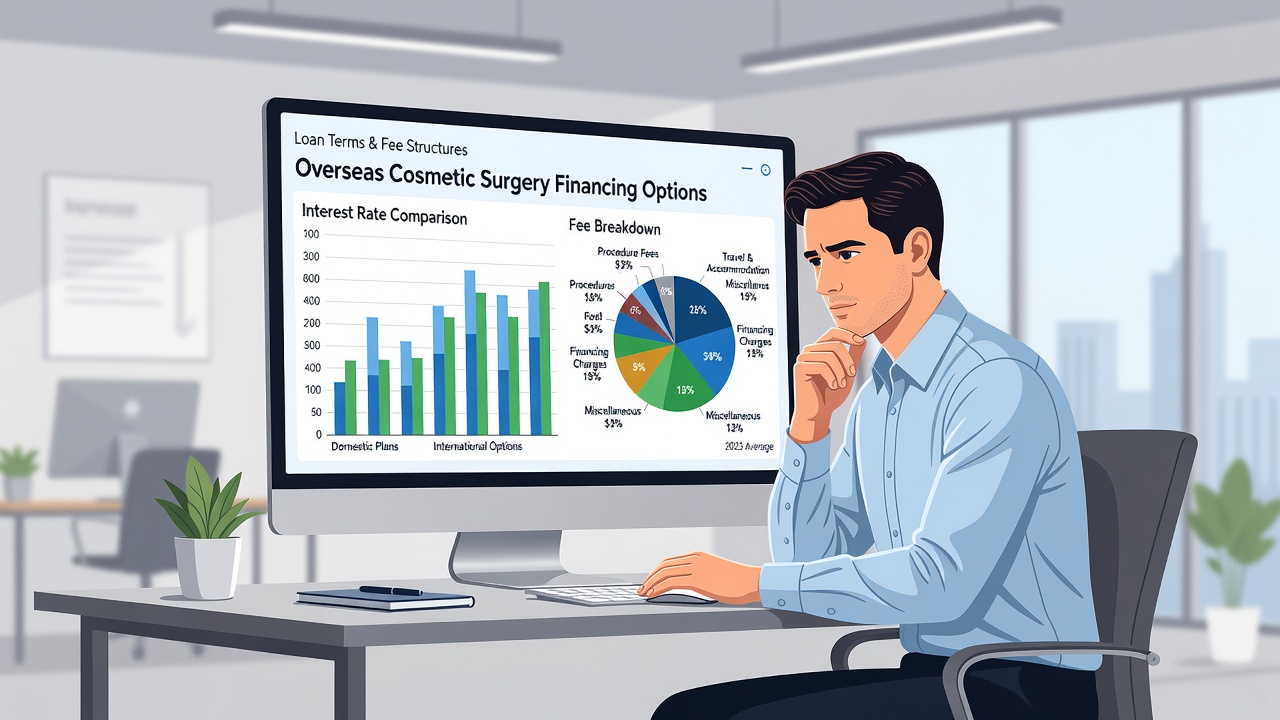
Effective comparison begins with collecting detailed quotes from at least three different lenders or credit providers. Calculate the annual percentage rate for each offer while accounting for origination fees, prepayment penalties, and any currency conversion charges. Online comparison platforms simplify this process by generating side-by-side breakdowns.
Next, scrutinize the terms for hidden costs such as insurance requirements or administrative fees that appear only in the contract. Request everything in writing and consult a financial advisor if the documents are complex. This disciplined approach has helped many patients identify the lowest overall cost option and avoid surprises after booking their procedure.
Understanding Insurance Limitations and Constructing a Complete Travel Budget
Most standard health insurance policies exclude elective cosmetic procedures performed outside the patient's home country. Travelers should contact their insurer directly to confirm exclusions and explore supplemental travel medical insurance that specifically covers complications arising from surgery abroad. Building a travel budget requires listing every anticipated expense, including flights, accommodation, local transportation, meals, medications, follow-up appointments, and contingency funds for extended stays.
Practical budgeting also incorporates opportunity costs such as time off work and potential lost income. Allocating a buffer of at least twenty percent above the quoted procedure price provides protection against unexpected changes in currency or additional aftercare needs. Patients who create detailed spreadsheets with line items for each category consistently report smoother financial experiences.
Payment Security Tips and Common Mistakes to Avoid in 2026
Protecting payments starts with choosing secure methods such as bank wire transfers through verified accounts or platforms offering buyer protection. Avoid large cash payments and always enable two-factor authentication on banking apps. Monitor statements daily during the weeks surrounding travel and surgery.
Common mistakes include rushing into the first loan offer without shopping around, ignoring currency conversion costs, and underestimating aftercare expenses. Another frequent error is failing to verify clinic credentials before sending deposits. Learning from these pitfalls allows 2026 travelers to proceed with greater confidence.
FAQs on Tax Deductions and Additional Considerations
Can cosmetic surgery performed abroad qualify for tax deductions?
Procedures classified as medically necessary rather than purely cosmetic may be deductible in certain countries. Review official guidance from IRS.gov and consult a cross-border tax specialist for personalized advice.
What resources help compare international medical financing options?
Government consumer protection sites such as ConsumerFinance.gov provide tools and educational materials on evaluating loans and credit products.
How does travel insurance interact with medical financing?
Supplemental policies can cover complications but rarely reimburse elective surgery itself. Check policy details thoroughly and consider providers recommended by Travel.State.Gov for up-to-date traveler information.
Conclusion
Successfully financing cosmetic surgery abroad in 2026 demands a blend of research, disciplined comparison, and proactive budgeting. By thoroughly examining loan varieties, clinic payment structures, currency impacts, and insurance gaps while incorporating aftercare and security measures, patients can create a sustainable financial plan that supports both their aesthetic goals and long-term well-being. Taking the time to implement these strategies leads to smoother experiences and better outcomes.


No comments yet. Be the first!